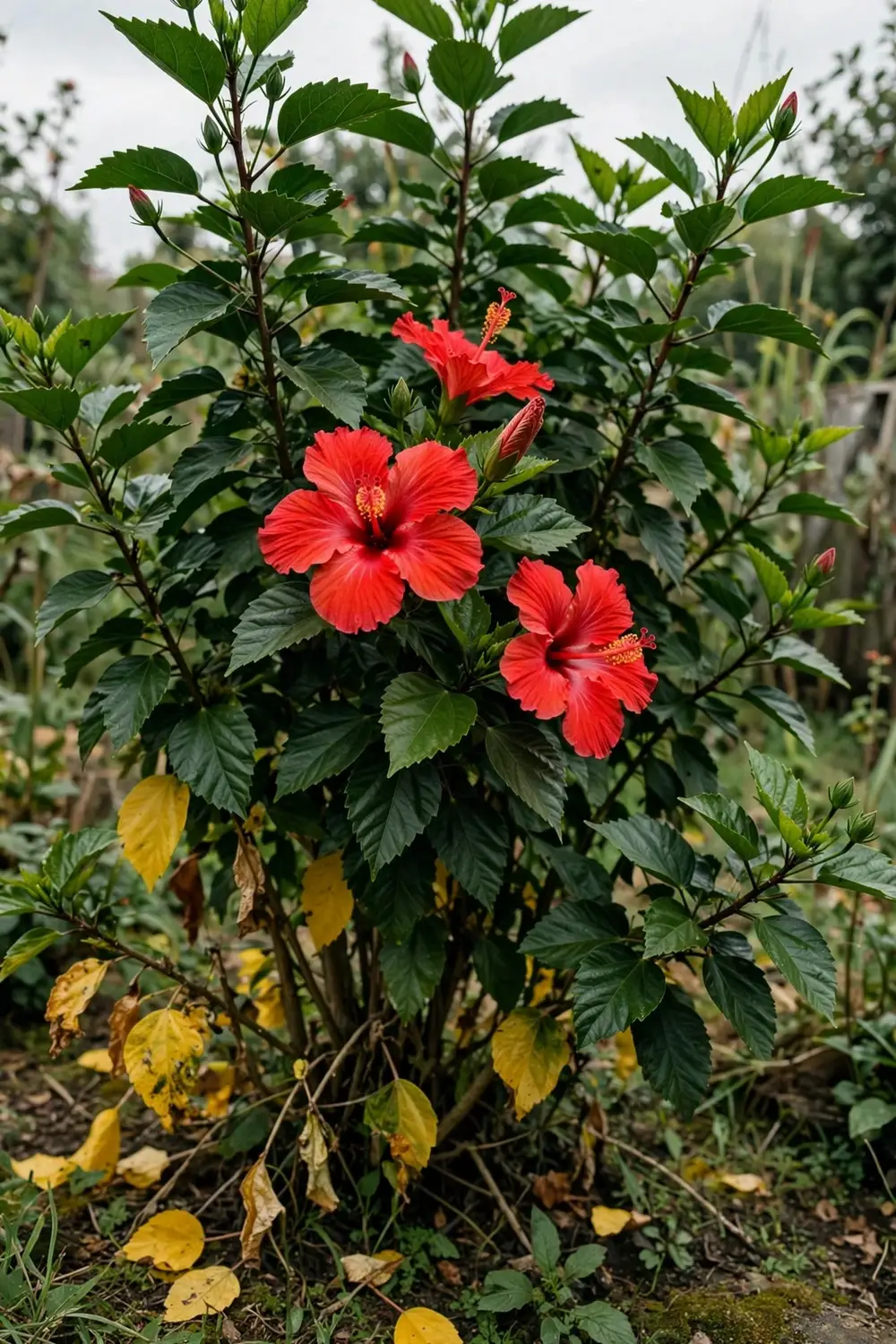

Yellow leaves on a hibiscus in Australia usually trace back to water or food, not disease. Yellowing of old leaves first points to water or nitrogen issues, while new leaf yellowing often means magnesium or calcium deficiency, according to the CompleteGrow yellow-leaf diagnosis for hibiscus. That one old-versus-new split diagnoses most hibiscus trouble in under 60 seconds, before you touch a spray bottle. The rest of this page walks through 8 problems in the order Australian gardeners meet them, from yellow leaves to bud drop to bare winter stems.
Hibiscus here means Hibiscus rosa-sinensis and its hybrids, the tropical hibiscus most Australians grow in gardens and pots. Wrong means the visible problems: yellow leaves, dropped buds, no flowers, chewed or spotted foliage, and wilting. I cut a dropped bud open before I blame the weather, because gall midge larvae hide inside the bud where no spray reaches.
1. Yellow Leaves: Read Which Leaves Yellow First
Which leaves turn yellow tells you the cause. Old lower leaves yellowing first points to water trouble or nitrogen shortage. New growth yellowing first points to magnesium or calcium deficiency. This old-versus-new split is the fastest diagnosis in hibiscus care, and it comes straight from the CompleteGrow yellow-leaf guide.
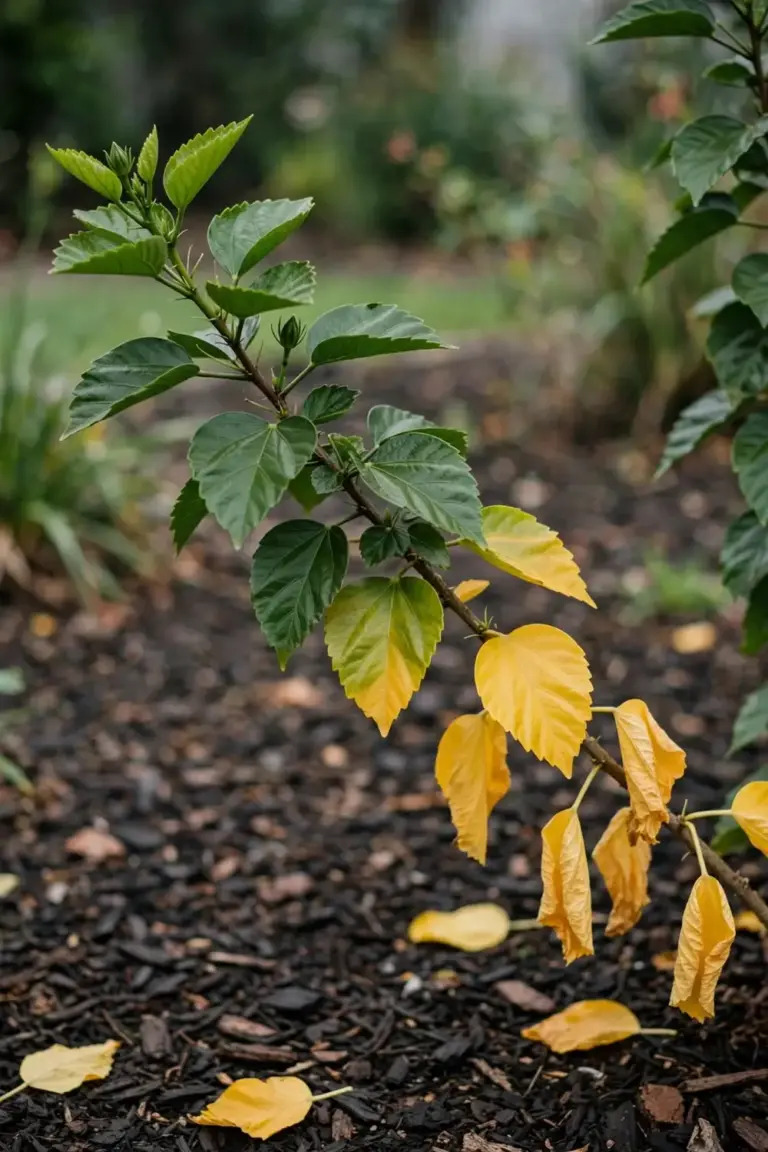
Water is the first suspect. Hibiscus in pots may need water 2 to 3 times a week in summer, but the same schedule drowns the plant in winter. Check the soil with a finger before watering. If the top 5 cm feels damp, wait. Soggy roots cannot take up nutrients, so the leaves yellow even though food sits in the soil.
Nitrogen shortage shows as pale green all over, starting with the oldest leaves. Hibiscus are heavy feeders through the warm months, and a hungry plant sheds its oldest leaves first to feed new growth. A balanced feed through spring and summer keeps the canopy green. If the whole plant looks washed out and growth has stalled, feed it and watch the new leaves.
Interveinal chlorosis looks different. The veins stay green while the tissue between them turns yellow. That pattern means iron or magnesium trouble, often in alkaline soil or after overwatering locks nutrients out. A magnesium or calcium correction sorts it. Do not guess the dose. Test the soil pH first, because the fix for alkaline soil differs from the fix for a true deficiency.
Potted hibiscus yellow faster than in-ground plants. A pot holds a small soil volume, so nutrients wash out with every watering and the pH swings more. If a potted hibiscus yellows while its in-ground neighbour stays green, the pot is the problem, not the plant. Refresh the top layer of mix, check that drainage holes run free, and feed lightly and often rather than in one heavy dose. A saucer left full after watering undoes all of that work, so tip it out every time.
2. Bud Drop: Check for Hibiscus Beetle First
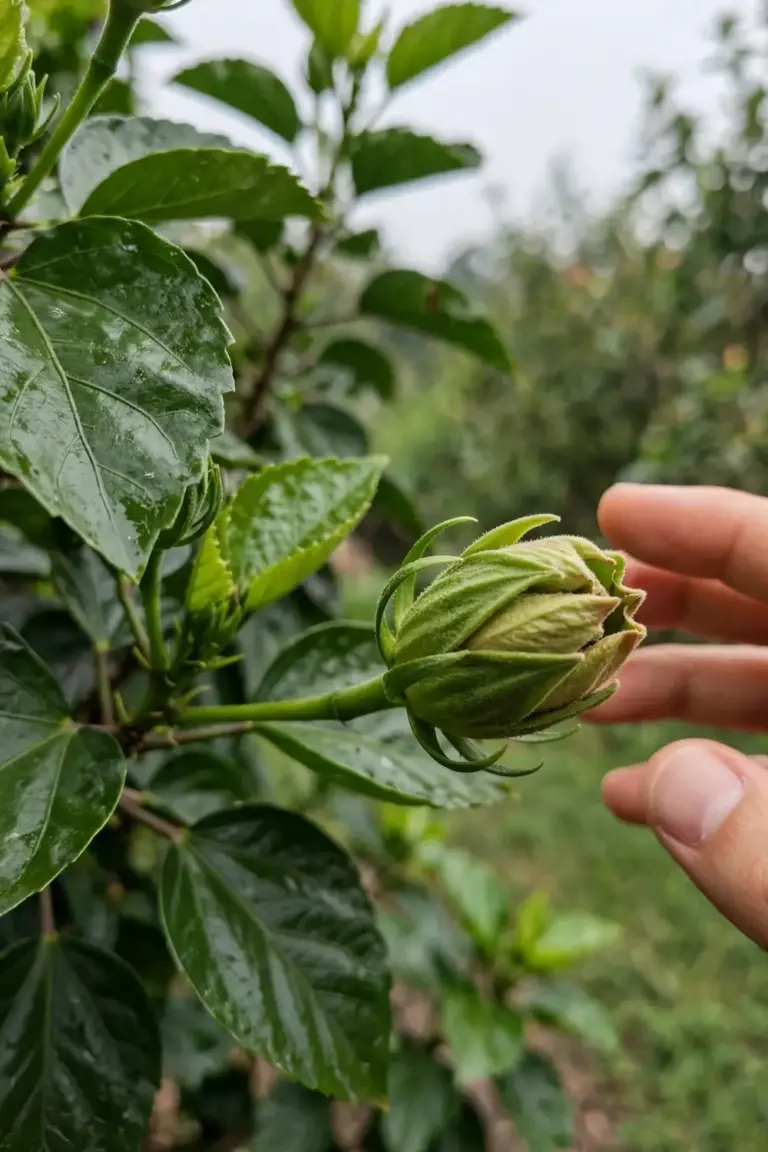
Buds falling before they open have one signature Australian cause. Flower buds dropping before they open can be a sign of hibiscus beetle, which feeds on young flowers and causes the bush to drop them, according to the Bunnings hibiscus growing guide. If buds drop in summer and the bush looks healthy otherwise, check for the beetle before changing water or food.
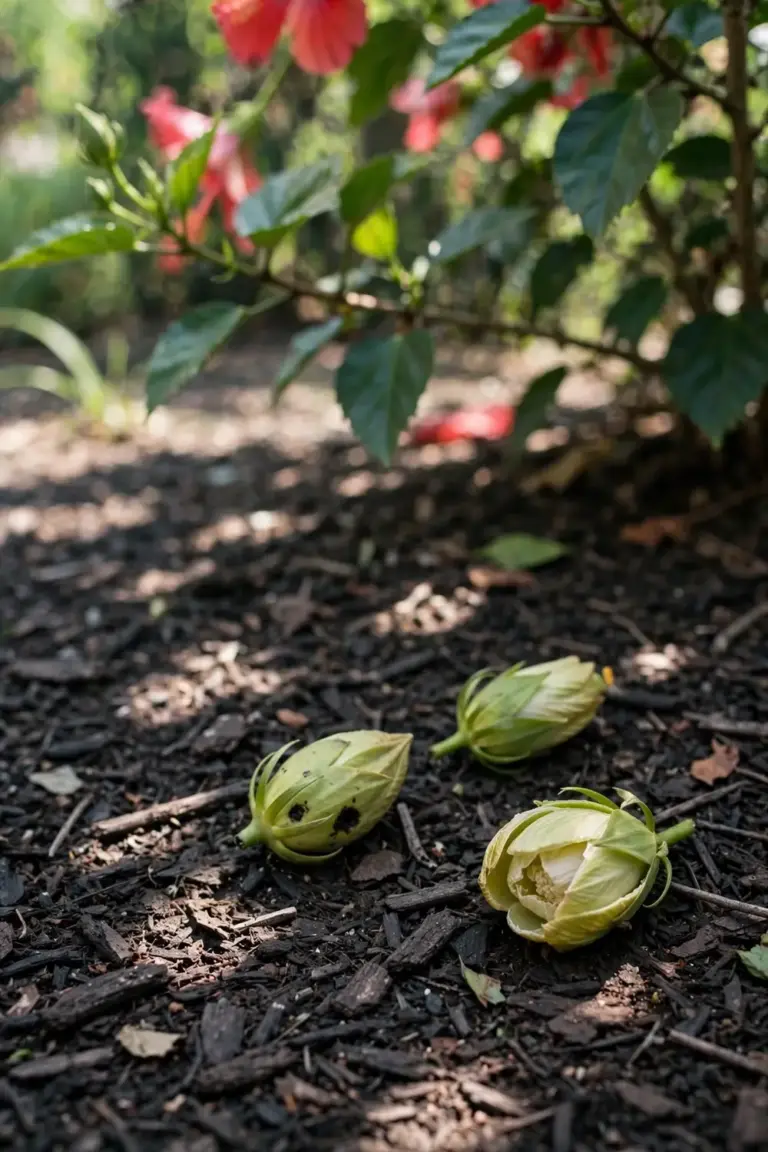
Cut a dropped bud open. Gall midge larvae live inside fallen buds, and the larvae look like tiny maggots. This cut-open check is the classic pest test for bud drop. If the inside is clean, the cause is usually environmental: heat stress, dry roots during bud formation, or a sudden cold snap.
Thrips also drop buds. Thrips rasp the petals and the damaged bud falls. Look for silvery scratch marks on petals that do open. Thrips peak in hot dry weather, the same conditions that stress the plant. A strong jet of water knocks thrips off, and it costs nothing.
Water stress drops buds too. Hibiscus abort buds when roots dry out during bud formation, then again when roots sit wet. Keep soil evenly moist through the flowering season. Mulch helps. A 5 to 7 cm layer of coarse mulch keeps roots cool and damp between waterings, and the site’s mulching guide covers depth and distance from the stem.
Heat waves drop buds even on watered plants. A run of days over 35 degrees can make a hibiscus shed buds it cannot support, and the buds fall clean with no pest sign. Shade cloth over the bush through the worst of the heat keeps more buds on. The plant resumes normal budding when temperatures ease, so a heat-wave bud drop needs no treatment beyond patience and water. Move potted plants into afternoon shade during the heatwave and the bud loss often stops within days.
3. No Flowers: Prune at the Right Time
A healthy green hibiscus with no flowers is usually a pruning problem. Hibiscus flower on new wood, so the timing of the cut decides the flowering season. The major annual pruning happens in late September, and vigorous shoots appear in October and November, according to the Bunnings hibiscus pruning guide. Tip-prune those new shoots lightly to increase bushiness, which increases flower numbers too.
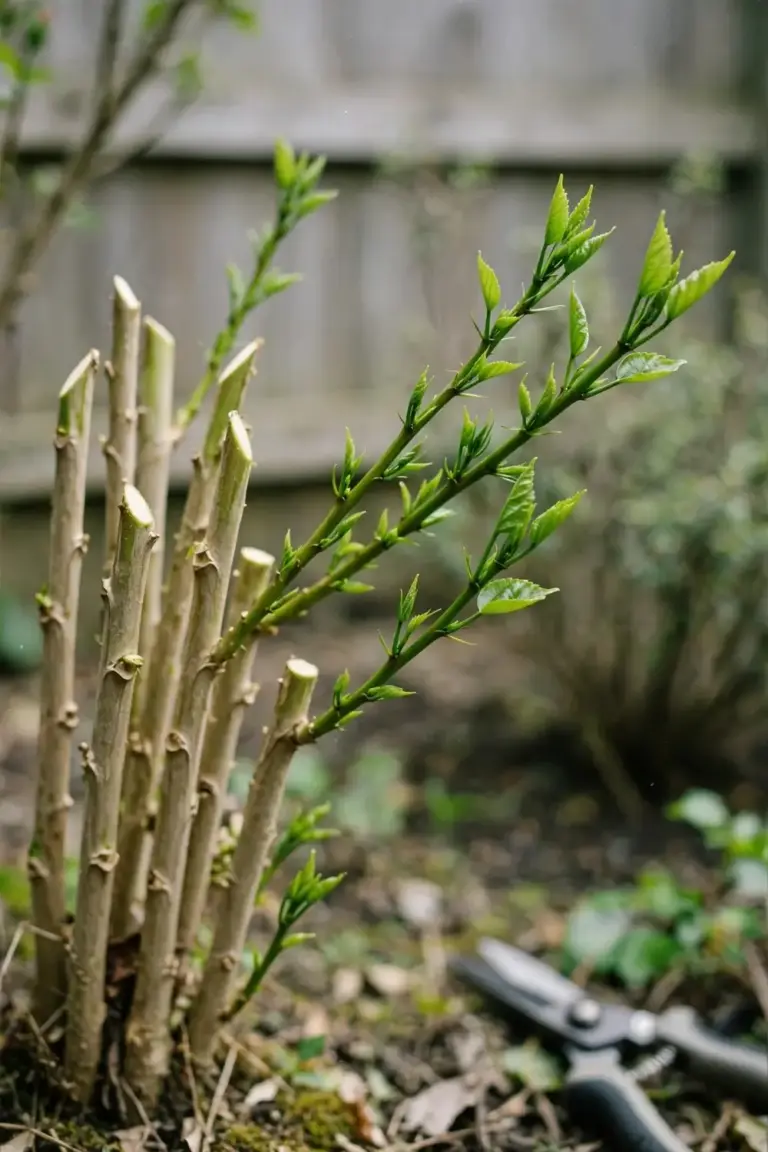
Prune too late and you cut off the flowering wood. Prune too hard in autumn and the plant spends spring rebuilding leaves instead of buds. A light tidy prune in February brings on more flowers without resetting the bush. Every cut goes just above an outward-facing bud, and no branch loses more than a third of its length in one session. The site’s spring pruning techniques cover the cut angle and tool hygiene that keep wounds clean.
Too much nitrogen also stops flowering. Nitrogen pushes leaf growth at the expense of buds. If the bush is dense and green with zero buds, stop feeding nitrogen and switch to a flower formula higher in potassium. Shade does the same damage. Hibiscus need full sun for most of the day to set buds. A bush in half shade grows leaves and skips flowers.
Young plants need patience. A cutting-grown hibiscus can take a full season to settle before it flowers well. If the plant went in this spring and looks healthy, the buds often arrive the following summer.
Double flowers drop more readily than singles. The big double blooms cost the plant more energy, so a double variety sheds buds at the first stress while a single keeps flowering. If your double drops buds and your single does not, the variety explains it. Give doubles the steadiest water and the most sheltered spot.
4. Spider Mites: The Stippled Leaf Giveaway
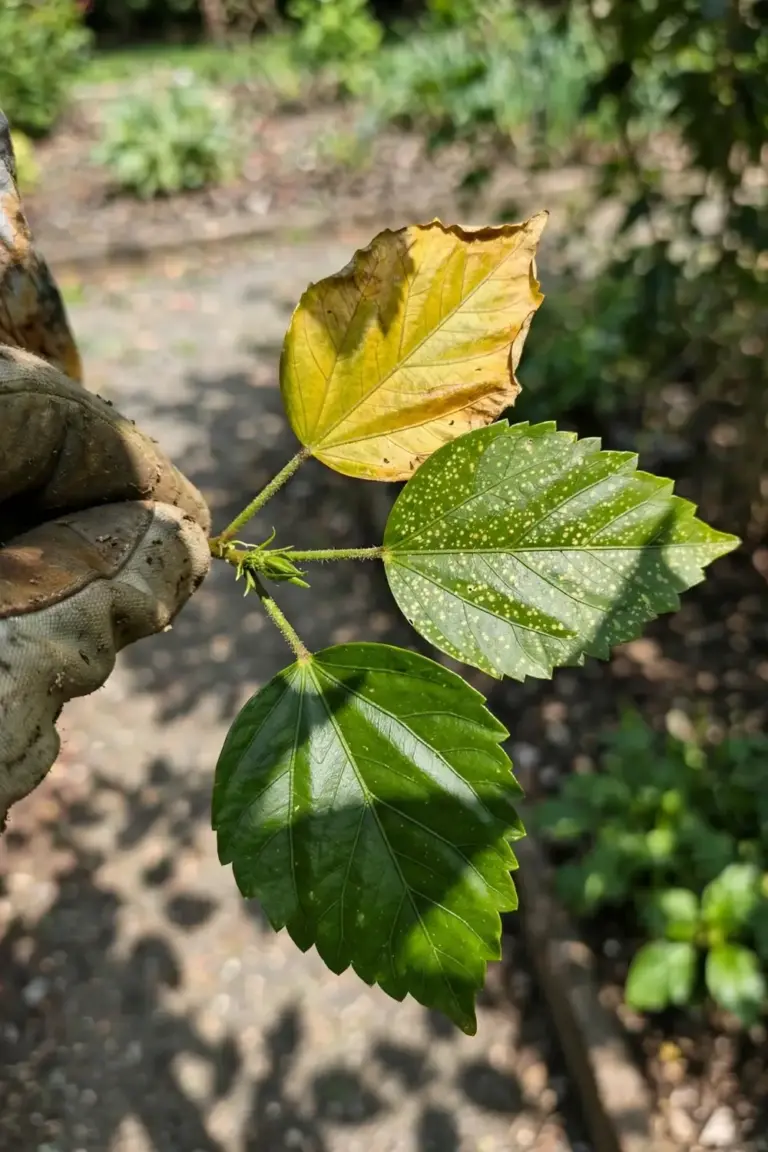
Spider mites leave a signature no other pest copies. Leaves develop a stippled look, a mottled dirty yellow mixed into the normal green, as the mites pierce the leaf and draw out chlorophyll. Then the whole leaf turns yellow, dies, and falls. The Hidden Valley Hibiscus spider mite guide describes exactly this progression, and notes that yellow leaves increasing in number over 2 to 3 weeks through all kinds of weather changes are a sure sign of spider mites.
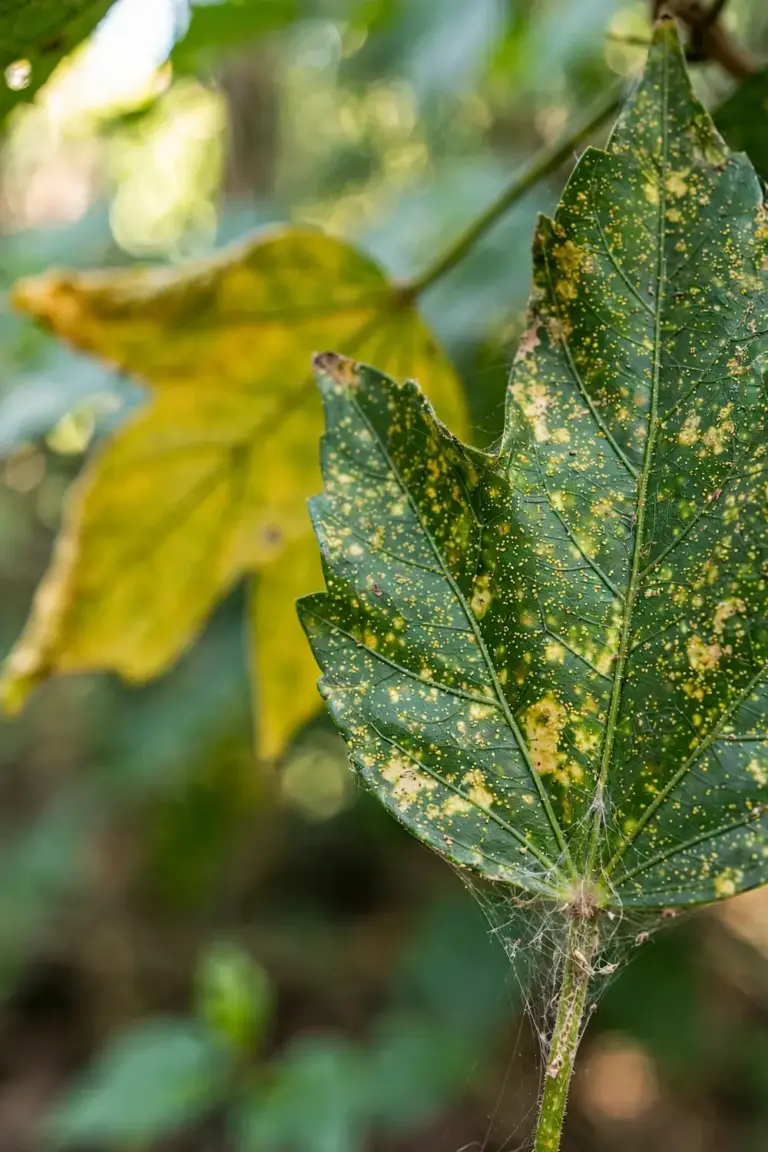
Check the leaf undersides with a magnifying glass in bright light. Spider mites look like tiny crabs with fat bodies and short legs, sometimes gray with a black spot on each side, sometimes reddish. Fine webbing on stems and shoot tips confirms them. One hot dry week can build a population fast, and the damage looks like a nutrient problem until you look close.
Blast the undersides with a strong jet of water. That single action removes most mites and breaks their cycle. Repeat every few days for two weeks. Keep the plant watered and mulched, because drought-stressed hibiscus attract mites first. Avoid broad-spectrum insecticides, which kill the predatory mites that eat spider mites.
Indoor hibiscus get mites worst. Dry indoor air and no rain to wash leaves let mite numbers climb unnoticed until the plant starts shedding yellow leaves. Wipe the leaves with a damp cloth or shower the whole plant in the laundry tub every week or two through winter. The physical removal does what sprays promise, without the residue.
5. Aphids, Whitefly, and Mealybug on New Growth
Sap suckers cluster on the softest growth. Aphids are small soft-bodied bugs that suck sap from leaves and stems, reproduce rapidly, and attract ants that feed on the sticky honeydew they produce, according to the Global Ideas hibiscus diseases guide. Check shoot tips and the undersides of young leaves first.
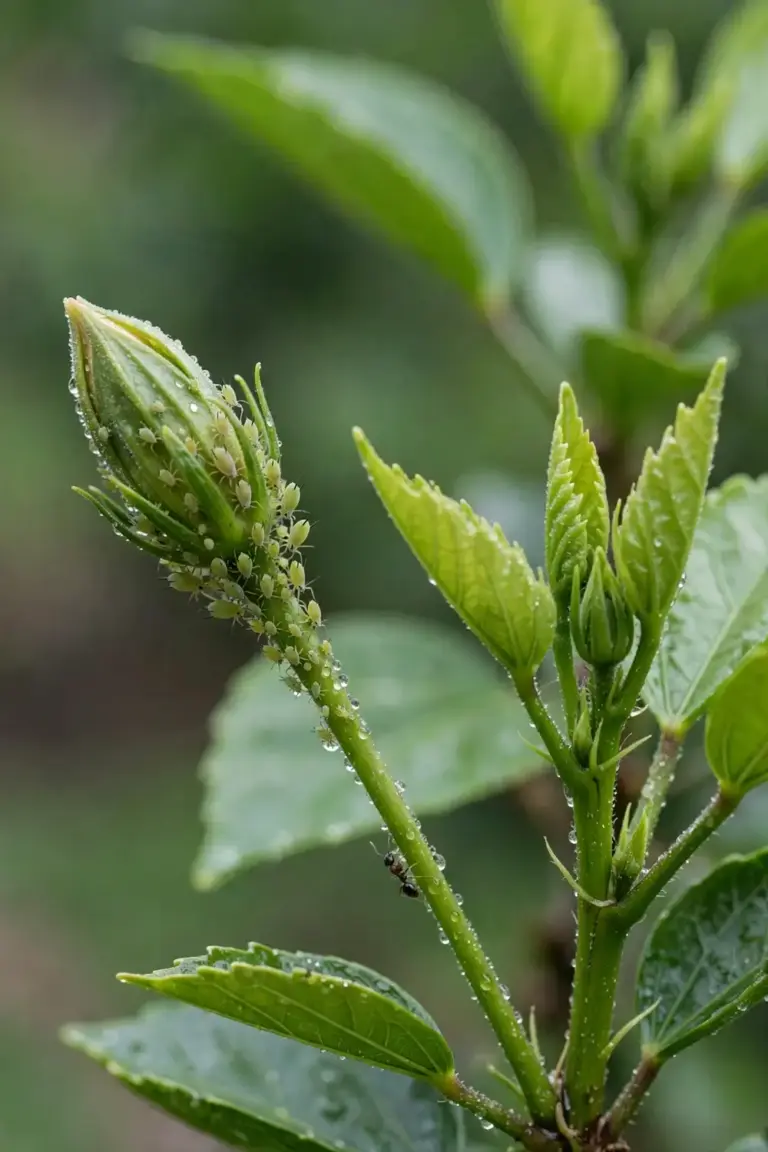
Whitefly shows as tiny white insects that fly up when you shake the branch. The leaves turn sticky with honeydew, and sooty mold often follows. Mealybug looks like small white cottony spots in leaf axils and on stems. All three weaken the plant and distort new growth, and all three invite ants.
Wash them off with a strong stream of water. That handles light infestations. For heavier ones, insecticidal soap or horticultural oil applied to the undersides works, and pruning back heavily infested stems restores vigour. The site’s organic pest control guide covers soap and oil timing so you do not burn leaves in hot sun. Treat in the cool of the evening and cover the undersides where the insects feed.
Ants farming the aphids need dealing with too. Ants protect aphid colonies from predators because they harvest the honeydew, so the aphids persist while ants patrol the stems. A sticky band around the trunk or pot rim stops the ants climbing, and without their bodyguards the aphids fall to ladybirds and lacewings within days. Check the band weekly and replace it when dust or leaves break the sticky surface.
6. Powdery Mildew and Leaf Spot
White powder on the leaves is powdery mildew. It appears as a white or gray powder on leaves and stems, thrives in warm moist conditions, and spreads quickly through the plant, according to the Global Ideas hibiscus diseases guide. Crowded plants with poor air flow get it first.
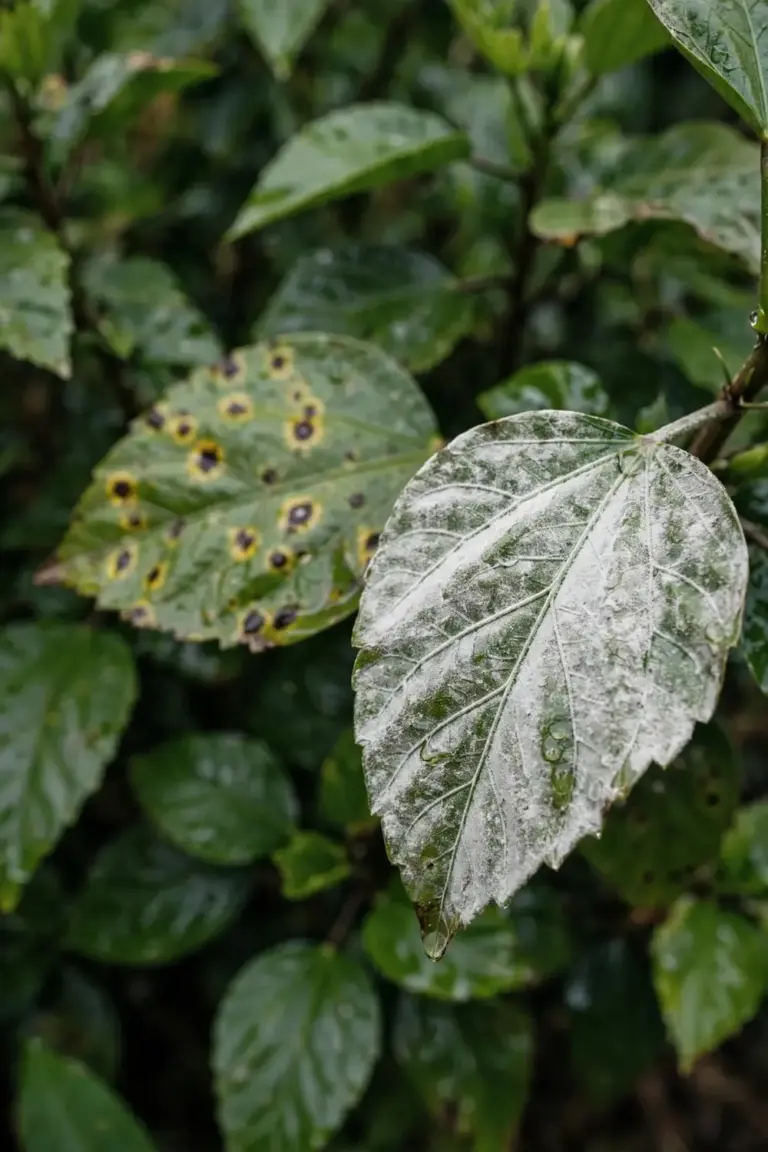
Open the center of the bush. Prune crossing branches so air moves through the canopy and leaves dry fast after rain or watering. Water the soil, not the foliage. If mildew appears, remove the worst leaves and treat the rest with horticultural oil or a registered fungicide. Do not compost diseased leaves.
Leaf spots show as small dark or discoloured spots that can yellow and drop the leaf. Fungal and bacterial spots both start this way. Good hygiene prevents most of it: clear fallen leaves, avoid overhead watering, and space plants so foliage dries. Remove spotted leaves promptly and destroy them. A copper-based fungicide helps when spots keep coming, but hygiene does most of the work.
Rust appears as orange or brown spots, usually on the undersides. It follows the same rules: air flow, dry foliage, clean up fallen material. Hibiscus in humid coastal gardens see more of it. Resistant varieties exist, and replacing a chronically rusty bush with a tougher cultivar beats spraying every summer.
Sooty mold follows sap suckers, not the other way round. The black film grows on the honeydew that aphids, whitefly, and mealybug leave behind, so it coats leaves that were already infested. Wash the mold off once the insects are gone and it does not return. Treat the insects and the mold solves itself. Badly coated leaves may need a wipe with a damp cloth, since thick mold blocks the light the leaf needs.
7. Root Rot: When Yellow Means Drowning
Wilted or yellowing leaves are often a sign of root rot. Root rot comes from overwatering or poor drainage, which leads to fungal and bacterial infections in the roots, according to the Global Ideas hibiscus diseases guide. The cruel part is that a rotted plant looks thirsty. The leaves wilt because dead roots cannot take up water, so watering more drowns it faster.
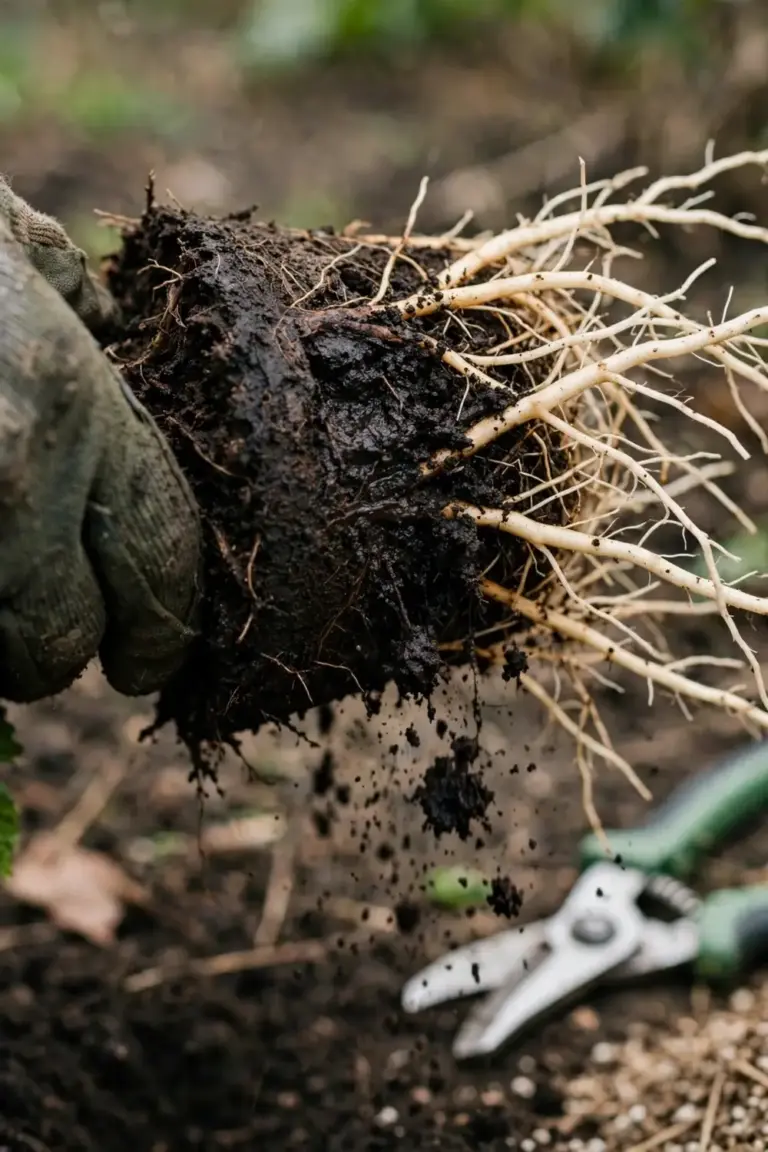
Check before you water. Push a finger 5 cm into the soil. If it feels wet and the plant still wilts, suspect the roots, not drought. Tip the pot and look at the drainage holes. Black mushy roots with a sour smell confirm rot. Healthy roots are firm and pale.
Act fast. Unpot the plant, trim every black mushy root back to firm pale tissue with clean secateurs, and repot into fresh free-draining mix. Cut the top back by a third to match the reduced root system. Water sparingly until new growth shows. Prevention beats cure: pots need open drainage holes, soil must drain freely, and saucers must never hold standing water.
In the ground, plant hibiscus in a slightly raised mound in heavy clay. The mound keeps the crown above winter wet. Heavy soil plus winter rain is the classic Australian root-rot setup, and one wet winter can finish a plant that sailed through three dry summers.
New plantings rot most. Freshly planted hibiscus have small root systems in disturbed soil that holds water differently from the surrounding ground. Water new plants in well, then let the soil dry between waterings while roots establish. A new plant that wilts in damp soil is almost always overwatered, not thirsty.
8. Winter Leaf Drop Is Normal in Cool States
Bare stems in July are not always a problem. If yellowing and leaf drop arrive in late autumn, it may be natural leaf drop before winter rest, according to the CompleteGrow yellow-leaf guide. Tropical hibiscus slow down when nights turn cold, and they shed leaves they cannot support.
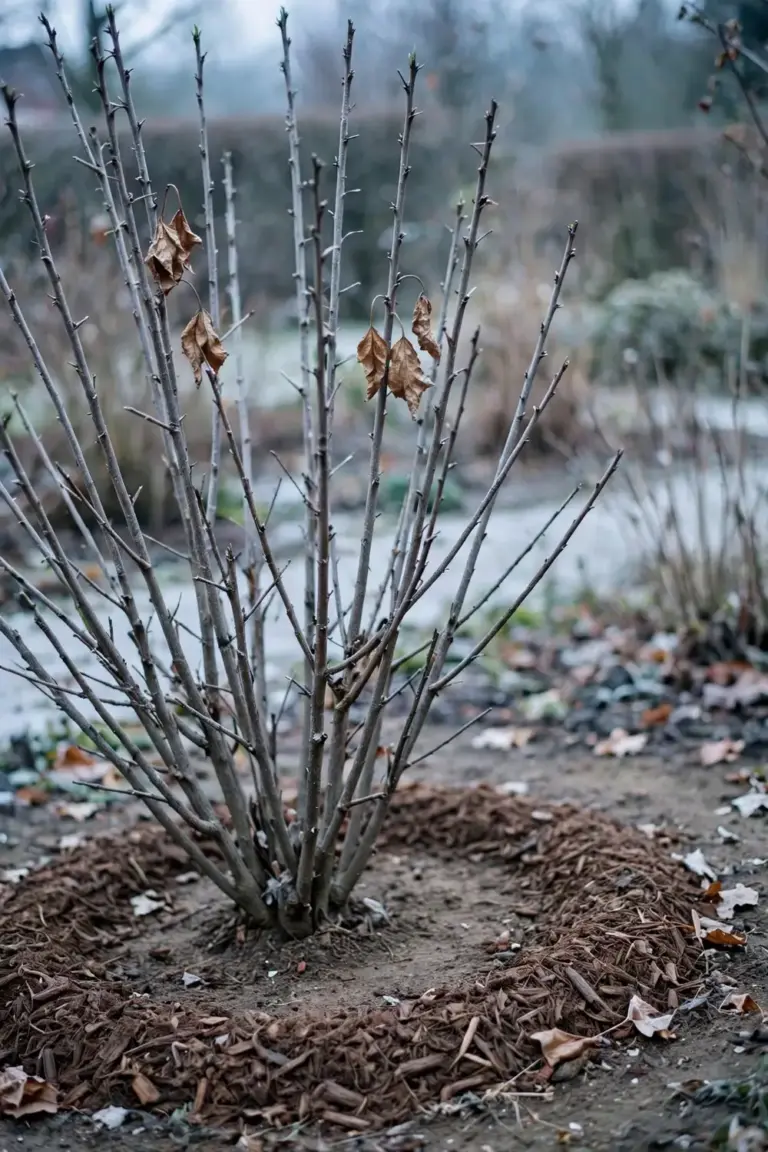
Reduce water when the plant drops its leaves. A leafless hibiscus uses almost no water, and wet winter soil rots the roots of a dormant plant. Stop feeding entirely until spring growth resumes. Do not prune in winter. Wait until the spring flush shows you which wood is alive, then cut back to green tissue.
Know your type. Tropical hibiscus (Hibiscus rosa-sinensis) sulk below 10 degrees and can defoliate in a cold snap. Hardy hibiscus die back to the ground and return in spring. Native hibiscus such as Hibiscus heterophyllus and Alyogyne handle more cold and have different problems. Match your worry to the plant you actually grow.
Frost burns the tips. Blackened soft tip growth after a cold night is frost damage, not disease. Leave it until spring, then prune back to firm green wood. A frost cloth over the bush on forecast cold nights prevents most of it.
Potted hibiscus can move. When frost threatens, shift pots against a warm wall or under the eaves for the night. The few minutes of moving beats months of regrowing frost-killed wood. In-ground plants get the frost cloth, and the combination covers most Australian cold snaps.
9. Know Your Hibiscus Type Before You Diagnose
Three different plants share the name hibiscus, and they fail differently. Tropical hibiscus, Hibiscus rosa-sinensis and its hybrids, carry the big showy flowers and the most pest trouble. They want warmth, sun, and steady water, and they punish cold wet winters.
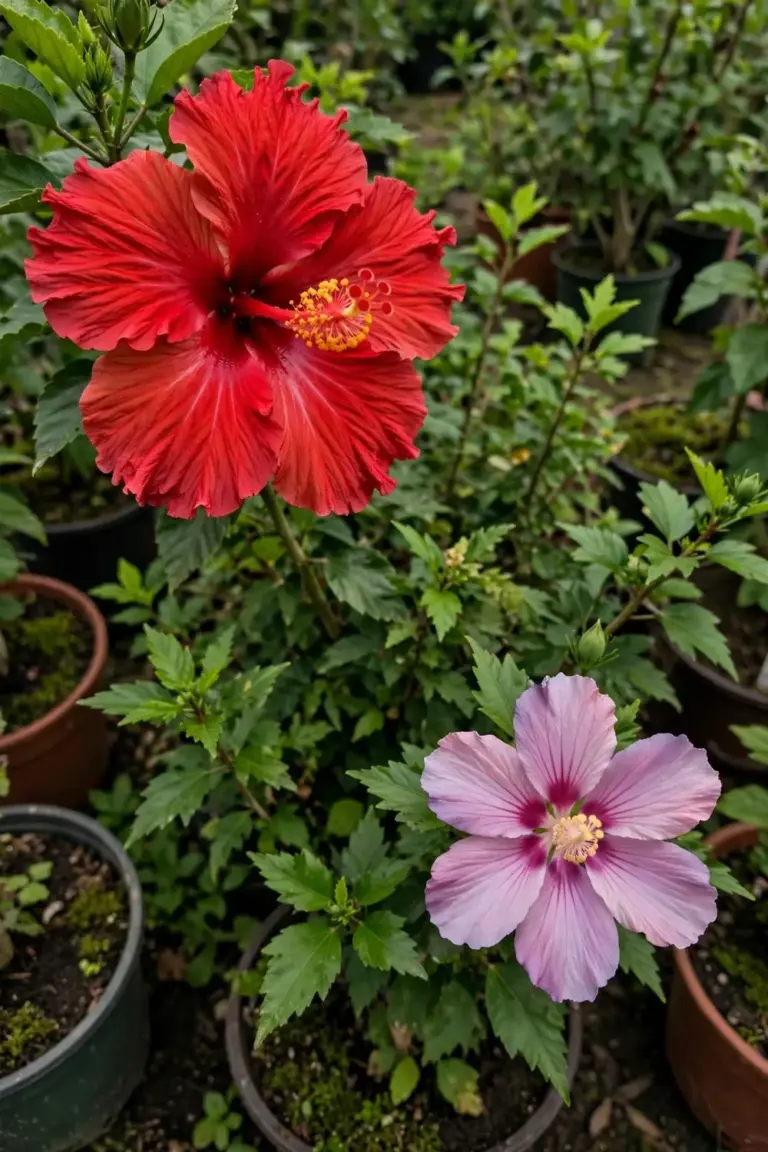
Hardy hibiscus die back each winter and return from the roots. Their problems run to wilt diseases and Japanese beetle rather than the tropical pest set. Do not treat a hardy hibiscus like a tropical one. The winter bare stems are the plan, not a symptom.
Native hibiscus, including Hibiscus heterophyllus and Alyogyne, suit Australian conditions best. They tolerate poorer soils and drier spells, and they shrug off some pests that hammer the tropical types. Their main troubles are usually drainage and the wrong soil pH, not the exotic pest list.
Check the label before you follow any advice. A fix for tropical hibiscus can harm a native one. When a nursery tag says only “hibiscus”, ask which one. The botanical name settles it in seconds, and it keeps you from treating the wrong plant.
Hybrids blur the lines. Modern garden-center hibiscus are often complex hybrids, and their behavior lands between the parent types. A hybrid may take more cold than a pure tropical but still sulk in a wet winter. Watch what your plant actually does through one full year and adjust from there, because the label only tells half the story.
10. The Symptom-to-Cause Table
Use this table to match what you see to the most likely cause. Start at the top of the symptom list and work down.
| Symptom | Most Likely Cause | First Action |
|---|---|---|
| Old leaves yellow first | Overwatering or nitrogen shortage | Check soil moisture, then feed |
| New leaves yellow, veins green | Iron or magnesium deficiency | Test soil pH, correct nutrients |
| Buds drop before opening | Hibiscus beetle or gall midge | Cut a bud open, check for larvae |
| No flowers, healthy leaves | Wrong pruning time or too much nitrogen | Prune late September, cut nitrogen |
| Stippled mottled yellow leaves | Spider mites | Check undersides, blast with water |
| Sticky leaves, tiny white flies | Whitefly or aphids | Wash off, soap if heavy |
| White powder on leaves | Powdery mildew | Open canopy, improve air flow |
| Dark spots, leaves drop | Leaf spot fungi | Remove leaves, improve hygiene |
| Wilting in wet soil | Root rot | Unpot, trim black roots, repot |
| Bare stems in winter | Normal dormancy | Reduce water, wait for spring |
Two symptoms together narrow it fast. Yellow leaves plus wet soil means root trouble. Bud drop plus chewed petals means beetle. No flowers plus dense green leaves means nitrogen. Run the table before you buy anything.
Photograph the symptom. A phone photo of the yellowing pattern or the chewed bud helps at the nursery counter, and it lets you compare week to week. Problems that look identical in memory often show a clear progression in photos, and the progression names the cause when a single glance cannot.
11. Frequently Asked Questions
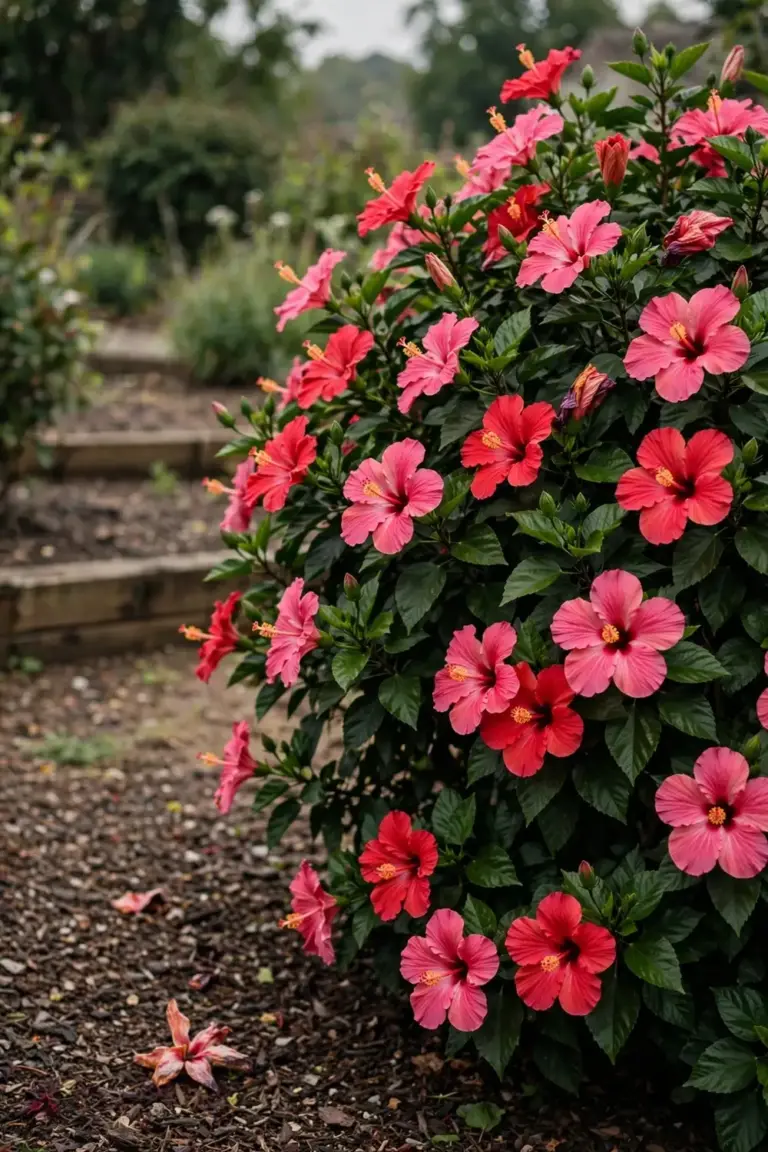
Yellow leaves usually mean water or food trouble, and the pattern names the cause. Old leaves yellowing first points to overwatering or nitrogen shortage. New growth yellowing points to magnesium or calcium deficiency instead. Check soil moisture with a finger first. Wet soil means hold off water and improve drainage; right soil means feed through the warm months. Winter yellowing in cool states is often normal dormancy, so reduce water and wait for spring.
Bud drop has an Australian signature cause. Hibiscus beetle feeds on young flowers and makes the bush drop its buds, so check for the beetle first in summer. Cut a dropped bud open and look for gall midge larvae, which look like tiny maggots inside the bud. Clean buds point to environmental causes: dry roots during bud formation, heat stress, or a cold snap. Keep water even through flowering and mulch the root zone.
A green bush with no flowers is usually pruned at the wrong time or fed too much nitrogen. Hibiscus flower on new wood, so the major prune belongs in late September with a light tip-prune of the October and November shoots. Too much nitrogen grows leaves at the expense of buds, so switch to a flower formula higher in potassium. Shade also stops flowering, since buds need full sun for most of the day.
Confirm them first. Spider mites cause a stippled mottled yellow on leaves that spreads over 2 to 3 weeks, and a magnifying glass shows tiny crab-like bodies on the leaf undersides with fine webbing on shoot tips. Blast the undersides with a strong jet of water every few days for two weeks. Keep the plant watered and mulched, because drought stress invites mites. Skip broad-spectrum insecticides, which kill the predatory mites that eat them.
Yes, in cool states it is normal. Tropical hibiscus slow down when nights turn cold and shed leaves they cannot support through winter. Reduce watering to almost nothing while the plant is leafless, since wet winter soil rots dormant roots. Stop feeding until spring growth resumes. Do not prune until the spring flush shows which wood is alive, then cut back to green tissue. Frost-blackened tips get pruned in spring, not winter.
The hibiscus beetle is the signature Australian hibiscus pest. It feeds on young flowers and causes the bush to drop its buds before they open. Check opening flowers for the beetle in summer. Remove affected buds and destroy them so the next generation does not build. Keep the bush healthy with water and food, because stressed plants suffer worse damage. Severe or repeated infestations may need a registered insecticide, applied to the label and timed for the beetle’s active period.
12. Walk the Bush Every Week and Catch Trouble Early
Most hibiscus problems stay small when they are caught early. A weekly walk past the bush takes two minutes. Look at the newest leaves, check the buds, and glance at the soil. Yellow on old leaves, buds on the ground, or webbing on shoot tips each point straight at the cause, and the table above turns the symptom into an action.
Healthy soil does half the work. Good drainage, steady water, and regular feeding through the warm months keep the plant strong enough to shrug off minor pest visits. The site’s soil health guide explains how living soil feeds the plant and steadies water at the same time. Build the soil once and every later problem gets smaller.
Start with the most likely cause, not the scariest one. Yellow leaves mean check water first. Buds on the ground mean cut one open. A green bush with no flowers means check the pruning calendar. Work the list in order and most hibiscus trouble resolves without a single bottle from the garden center shelf.