Mark 2 hours on a Saturday morning and spend them on one small bed instead of a whole yard. That is a budget garden for beginners. A budget garden for beginners starts with one sunny spot, one bed, and plants that forgive mistakes, and it grows one bed at a time as skill and savings build.
A full list of budget garden ideas covers the whole plot at once, and the tools guide covers every buy worth making for a full garden. This page stays on the beginner start: one bed, three tools, five plants. Nine steps follow, from the sunny spot to the first fix.
| Spec | Detail |
|---|---|
| Time to start | 2 hours for the first bed |
| Difficulty | Easy, no prior skill needed |
| Best season | Spring, after the last frost |
| First bed | 1.2 m wide, 2.4 m long |
| First plants | 5 cheap kinds |
| Tools to buy | 3 |
Pick One Sunny Spot to Start
Walk the plot at midday and mark the patch that stays in full sun through the afternoon. Most vegetables need at least 6 hours of direct sun for peak performance, and the Iowa State Extension raised bed guide gives that figure for vegetables and flowers alike. A patch that shades by mid-afternoon grows leaves and little else, so the sun check comes before any digging or buying.
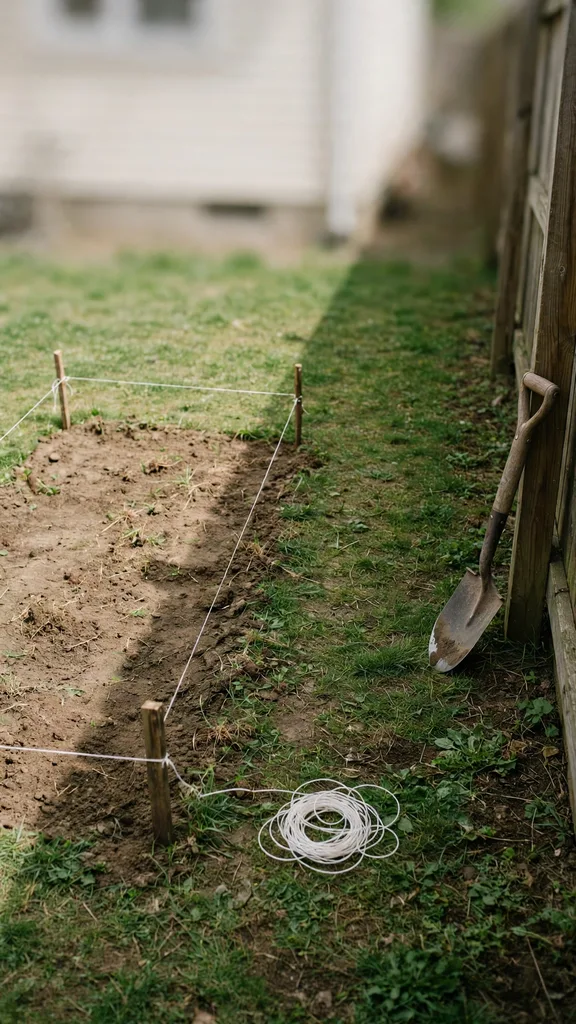
Put the bed near the house and near water. A bed beside the back door gets weeded on the way past and watered before breakfast. A bed at the far fence gets forgotten for a week and the weeds take it first. Watch the spot for one full day before you mark it. Morning sun dries the dew off the leaves. Afternoon sun drives the growth. A spot with both grows the widest range of food.
Check the shade cast by trees and fences in midsummer, not in spring. A bare branch in March throws little shade, and the same branch in July covers the whole bed by three in the afternoon. A spot shaded by a house wall in the morning still works if the afternoon sun reaches it for 6 hours. A spot under a big tree rarely works at all, since the roots drink the water before the vegetables do.
Build One Small Bed First
Mark a bed 1.2 m wide and 2.4 m long, and keep it that size for the first season. Reach the middle from either side. The same Iowa State notes put temporary beds at 15.2 to 30.5 cm high and beds open on both sides at 91.4 to 121.9 cm wide, so the size on this page sits inside the range the guide recommends, with room to reach every plant without stepping on the soil.
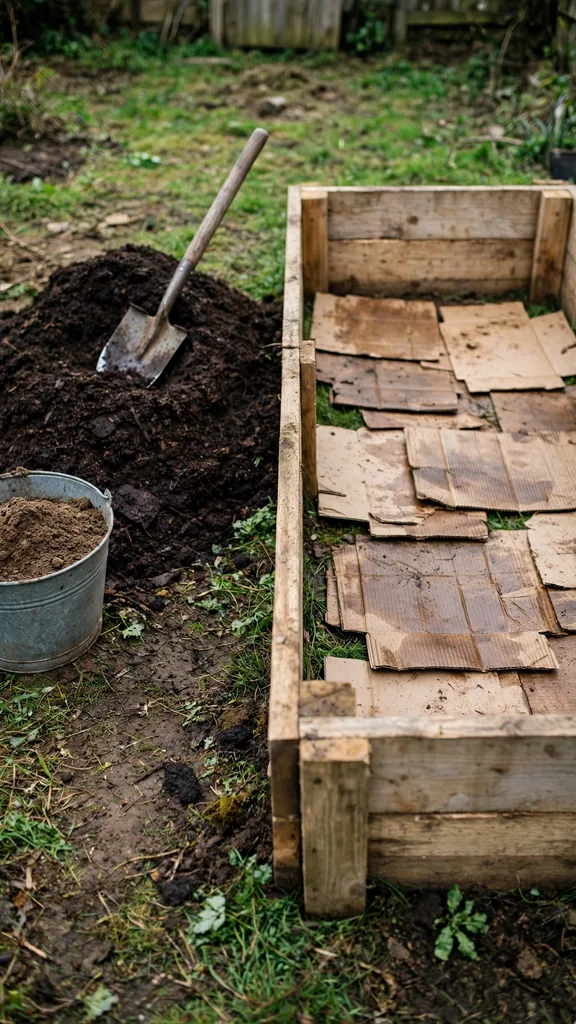
Lay cardboard over the grass inside the outline, wet it until it sags, and pile compost and topsoil on top. The cardboard smothers the grass and rots into the soil within a season. The same guide fills raised beds with a mix of topsoil, organic matter, and coarse sand, and that mix feeds a first crop without a bought bag of fertilizer. A timber frame holds the mix in place, and the raised bed kits guide covers bought kits for readers who want a frame without cutting timber.
Choose the frame material from what sits nearby. Untreated pine boards cut to length build a plain frame that lasts several seasons. Pallets marked HT are heat treated and safe for a food bed, while pallets marked MB carry a chemical treatment and belong nowhere near vegetables. Bricks or stones stacked two high hold a mound in place without a single screw. A frame that rots in three years still paid for itself, since the soil inside it stays and the next frame goes on top. A bed filled on Saturday sinks by Sunday, and seed sown into a sinking bed ends up buried too deep. A topped-up bed holds its level through the season. Level soil grows even rows.
Feed the Soil With Homemade Compost
Pile kitchen scraps and dry leaves in a corner, add a shovelful of soil, and leave the heap to rot. Greens feed the microbes. Browns give the heap air and bulk. Turn the heap with a spade every few weeks and the pile shrinks, darkens, and loses its smell. A heap started in spring feeds beds by autumn, and the saving lands because the heap replaces a bag you would have bought.
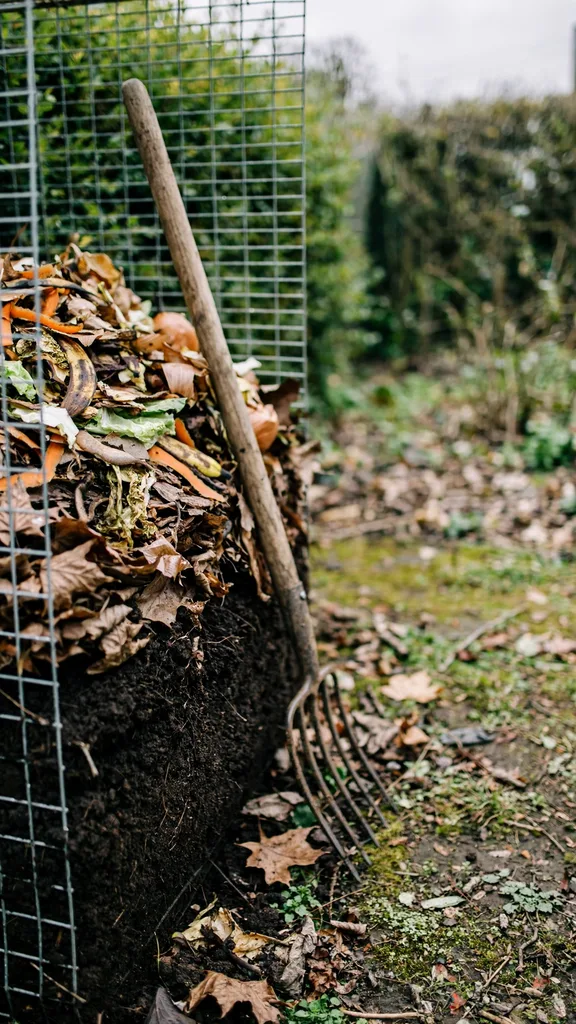
Test the soil before you feed it. The Cornell Cooperative Extension planting fact sheet puts the ideal pH for vegetables and annuals at 6.2 to 6.8, and the same sheet says to mix compost and other organic matter into the top 15.2 to 20.3 cm of soil. A pH test from a local extension office costs less than one bag of mix and tells you whether lime belongs in the bed at all. Finished compost feeds the soil life that holds a bed together, and the soil health guide covers how that living soil keeps plants standing through dry weeks.
Keep meat, fish, dairy, grease, and bones out of the heap, since those scraps draw pests and smell, and a heap that smells gets abandoned. Feed the heap with peelings, coffee grounds, eggshells, leaves, and grass instead. A heap built only from grass clippings turns slimy and sour within days, so mix dry leaves or torn cardboard into every green layer or the pile stalls.
Set the heap where the hose reaches it and the neighbors cannot smell it. A heap in full sun dries out and stalls. A heap in deep shade stays cold and slow, and a cold heap rots nothing. Damp the heap when it dries and turn it when it cools, and the pile shrinks by half within weeks. A heap you walk past every day gets turned, while a heap behind the shed gets forgotten until spring.
Buy 3 Tools and Skip the Rest
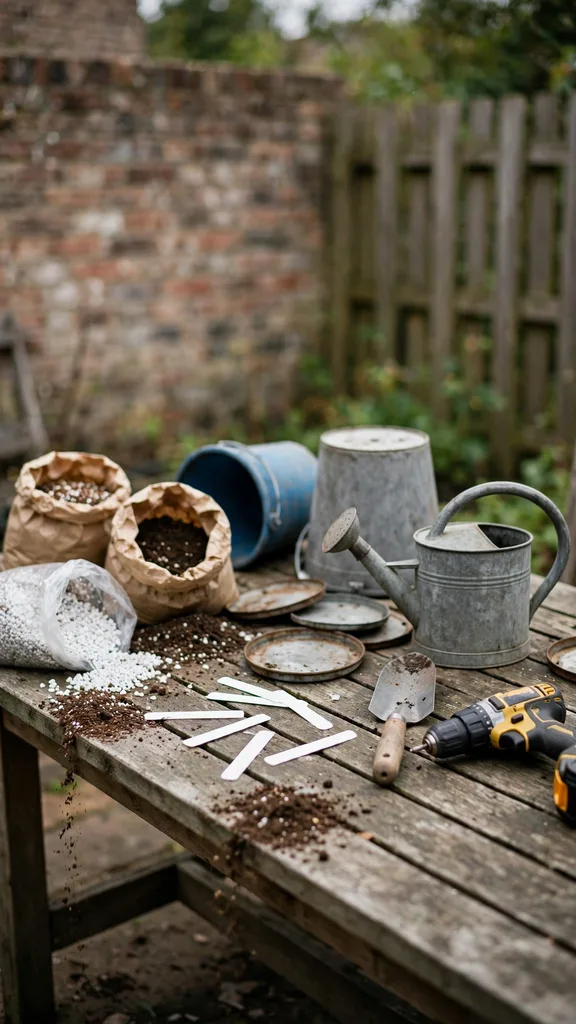
Buy a spade, a trowel, and a watering can, and stop there for the first season. The spade digs and turns the heap. The trowel sets seedlings and sows seed. The can waters the bed without blasting the soil. The essential garden tools for beginners guide lists the wider set for a larger garden, and the best-tools guide for beginners ranks the full set for readers who want every buy named. This page buys three and borrows the rest.
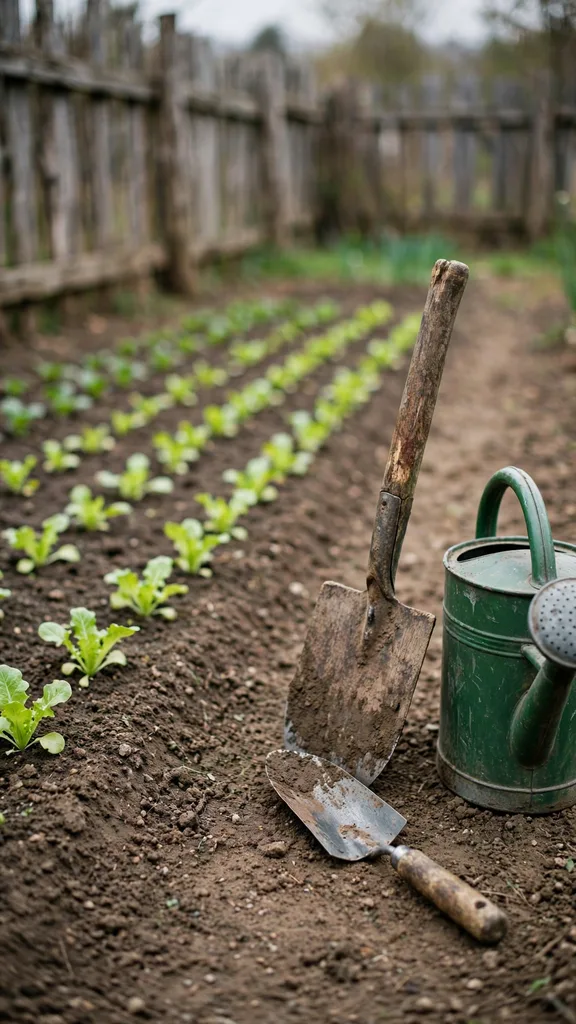
Skip the wheelbarrow until the second bed. Borrow one from a neighbor for the single afternoon of filling, and spend the saved money on seed. Skip the fancy seeder, the soil blocker, and the dibber set. A finger makes the hole, and a trowel marks the row. A cheap tool that bends in the first week costs twice, so check the handle and the socket before you pay.
Borrow the tools you use once a year and buy the tools you use every week. A neighbor with a wheelbarrow lends it for the afternoon of filling, and a spade lent for a season comes back blunt. A borrowed fork digs the bed once, while a bought spade digs every bed you ever build. Spend on the weekly tool and borrow the yearly one, and the budget stretches to seed instead of steel. A spade with a loose head wobbles and tires your wrist. A can with a rose head waters seedlings without flattening them. Three sound tools outlast a shed full of cheap ones, and the shed stays empty until the garden earns the next buy.
Sow 5 Cheap Plants First
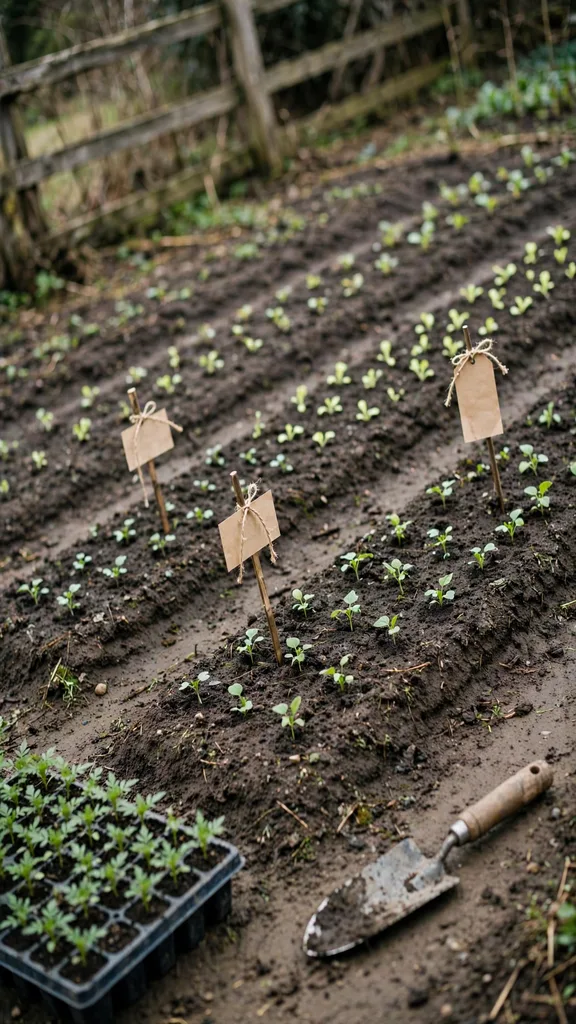
Sow lettuce, radish, bush beans, basil, and marigold first, because each one germinates fast and forgives thin soil. Lettuce and radish sow straight into the bed, beans sow straight in once the soil warms, and basil starts indoors or comes home as one small plant. Marigold guards the bed edge and brings pollinators in, so one tray of marigold protects the whole bed. Five kinds fill a first bed without crowding it.
| Plant | Sow | First Pick |
|---|---|---|
| Lettuce | Direct sow, shallow | Cut outer leaves within weeks |
| Radish | Direct sow, thin rows | Pull when the root shoulders show |
| Bush beans | Direct sow after frost | Pick pods while still tender |
| Basil | Start indoors or buy one plant | Pinch tops through summer |
| Marigold | Direct sow or one tray | Flowers guard the bed edge |
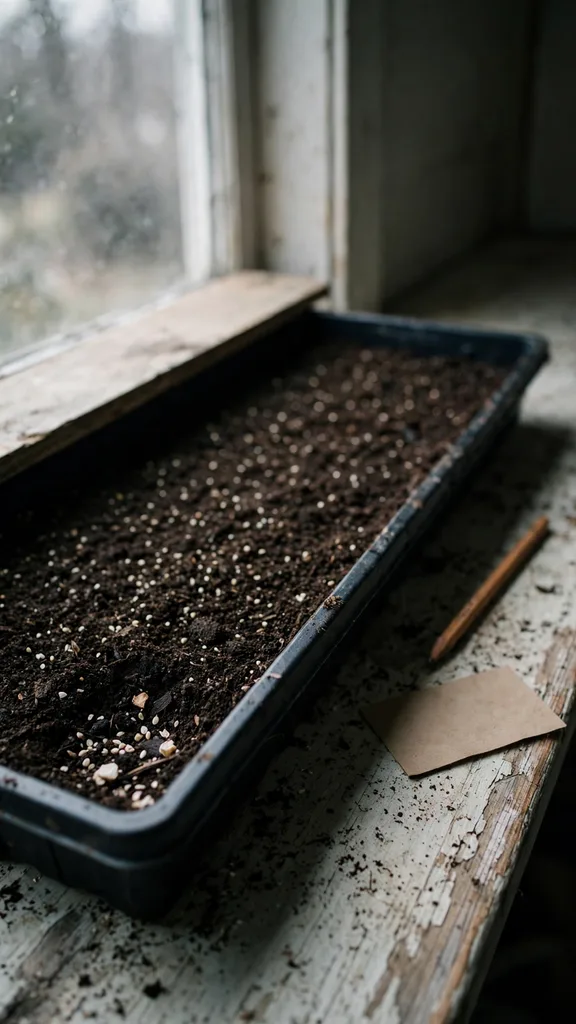
Sow thin and thin again. Crowded seedlings grow tall and weak, and a thinned row crops better than a crowded one. Thinning feels wasteful when the seedlings look healthy, and the waste is real only if the thinnings go in the bin. Eat lettuce thinnings as salad and the thinning pays for itself. The seed starting guide covers the trays, the mix, and the watering for the basil started indoors.
Sow a little every two weeks instead of the whole packet on one day. A row of lettuce sown in April crops in May, and a row sown in May crops in June, while a whole packet sown in April crops all at once and bolts before you finish it. Succession sowing spreads the harvest across the season and spreads the risk of one cold night. Two short rows beat one long row. A marked row tells you what sprouted and what failed, and an unmarked bed turns into a guessing game by June. Water the rows gently after sowing and keep the top 2.5 cm damp until the seedlings show. Dry seed in a dry bed waits, and wet seed in a damp bed grows.
Water Deep and Mulch Thick
Water the soil, not the leaves, and soak until the top 15 cm darkens. A shallow sprinkle wets the surface and dries by noon, and roots fed on sprinkles stay at the surface where the sun finds them. Deep water grows deep roots, and deep roots carry a plant through a dry week. Water in the morning so the leaves dry by midday.
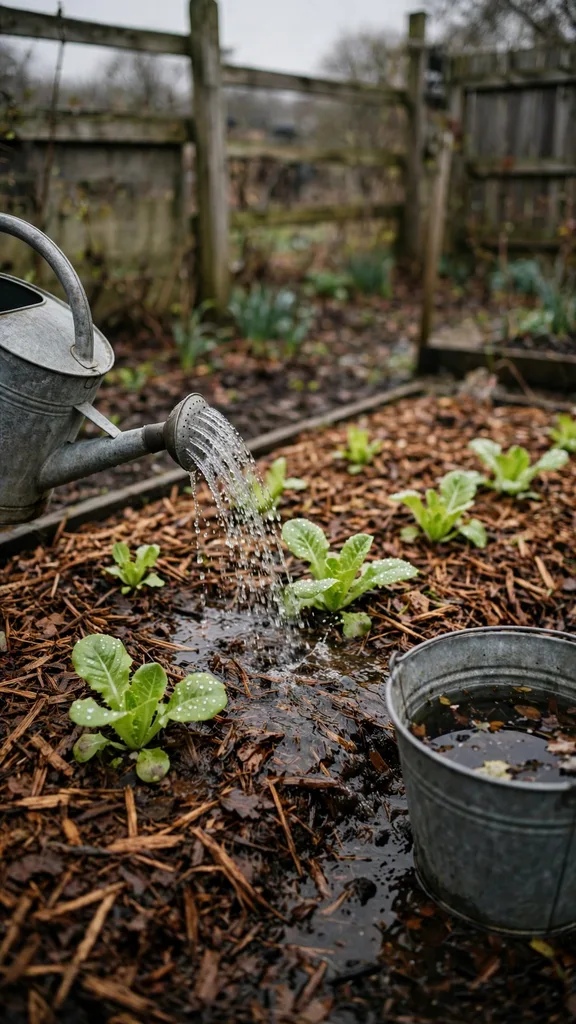
Spread mulch 5 cm deep with shredded leaves or straw, and pull it back 5 cm from every stem. The same Iowa State notes leave 2.5 to 5.1 cm of room for mulch on top of the soil in a raised bed, and that layer holds water in the soil and stops weed seed from finding light. Mulch piled against a stem rots the crown, so the gap matters as much as the cover. A bed mulched too deep stays wet at the crown and rots the plant it was meant to guard.
Set a bucket under a roof edge where rain runs off, and dip the can into it for the pots near the door. Rainwater carries no treatment salts, and pots watered with it show less white crust on the soil surface than pots watered from a hard tap supply. Empty the bucket into the beds after a storm so the water does not sit and breed mosquitoes. A bucket holds enough for a row of pots, and a second bucket doubles the store without a pipe or a pump. The can puts water where the roots sit and shows you how much the bed drank. A hose on full blast washes seed out of the row and compacts the soil surface. Water the bed, check the soil with a finger, and water again only when the top dries.
Check the soil with a finger before you water again. Push a finger 5 cm into the soil beside a plant and feel the ground at the fingertip. Damp soil at that depth means the bed waits another day. Dry soil at that depth means the bed drinks now. A finger test beats a fixed schedule, since a cool cloudy week dries a bed far slower than a hot windy one.
Grow More Plants for Free
Take a 15 cm stem tip from a healthy geranium, coleus, or rosemary plant, strip the lower leaves, and push the bare stem 5 cm into a pot of damp mix. Set the pot in bright shade and water the mix when the top 2.5 cm dries. Roots form in 2 to 4 weeks. A cutting taken from a sick plant carries the sickness into your pots, so check the parent plant for spots, curl, and insects before you cut.
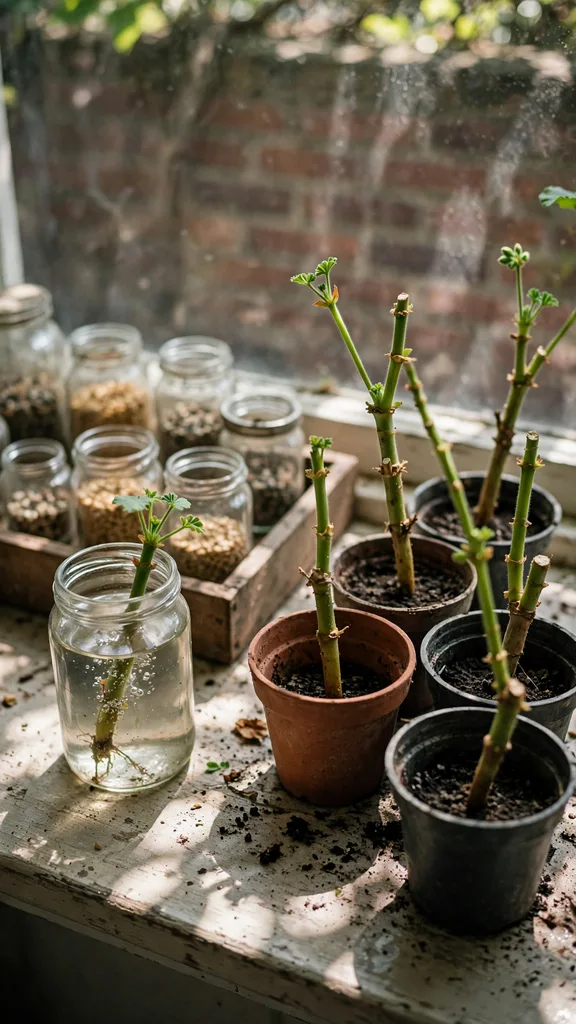
Save seed from beans and peas, since their flowers pollinate themselves before they open and the seed comes true almost every time. Squash crosses freely with its neighbors, so save squash seed only when one kind grows on the plot. A jar of bean seed from last summer sows a whole row next spring, and that row costs nothing beyond the soil it stands in. Dry the seed hard, label the jar with the plant name and the year, and store it in a cool cupboard.
Ask a neighbor for one spare plant and offer a cutting back. A full free-plants guide covers every source in one place, and this page uses the three fastest: cuttings, saved seed, and one asked plant. A cutting left in full sun wilts before it roots. Shade and damp mix decide the result, not fertilizer.
Join a seed swap in spring and bring one packet to trade. A swap table holds seed from gardens nearby, and seed grown nearby already suits your soil and your season. One packet of beans trades for a packet of lettuce, and both packets sow a row each. A swap costs nothing and stocks the second bed before the first one crops.
Mistakes That Waste a Beginner Budget
A beginner budget dies in small buys, not one big one. Each mistake below costs a packet of seed or a bag of mix, and the five together cost a whole season. Read the table, skip the row that matches your plot, and spend the saved money on the next bed.
| Mistake | What It Costs | Fix |
|---|---|---|
| Buying every tool at once | A shed of tools for one bed | Buy 3 tools, borrow the rest |
| Planting in shade | A season of leaves, no crop | Move the bed to 6 hours of sun |
| Sowing a whole packet in one row | A crowded row, weak plants | Sow thin, thin again |
| Buying big bags of mix for a small bed | Mix piled up, money parked | Fill with compost and topsoil |
| Watering a little every day | Shallow roots, daily chore | Water deep, mulch 5 cm |
The dearest mistake is the second bed built before the first one crops. One bed teaches watering, feeding, and thinning. Two beds double the watering and halve the attention each one gets. Grow the first bed to harvest, then copy what worked. A copied bed costs less than a new idea.
The quietest mistake is buying seed for a garden you have not measured. A packet of squash vines across a 1.2 m bed and swallows the lettuce beside it. A packet of lettuce fits the same bed four times over. Read the packet, measure the bed, and sow the kind that fits the space. A plant in the wrong space costs the season it occupies.
Fix It Fast: Beginner Garden Troubleshooting
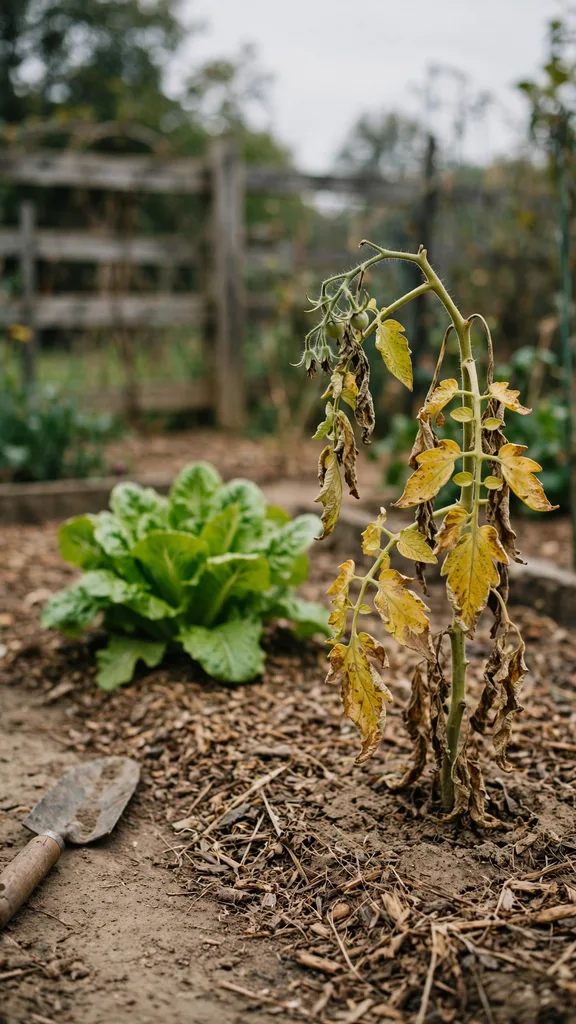
Most beginner failures show up as one of six symptoms, and each one has a single likely cause. Find the symptom in the table, apply the fix, and watch the plant for a week before changing anything else. Two fixes at once hide which one worked.
| Symptom | Likely Cause | Fix |
|---|---|---|
| Seedlings flop over at the soil line | Wet, cold mix | Sow in fresh mix, water less, open the air flow |
| Leaves yellow, growth slow | Hungry soil or cold roots | Feed compost, wait for warm soil |
| Plants tall and thin | Too little sun | Sow the next round in a sunnier spot |
| Holes in leaves | Slugs or caterpillars | Pick them off at dusk, keep mulch back from stems |
| Wilting in afternoon sun | Dry root zone | Water deep in the morning, mulch 5 cm |
| Flowers but no fruit | Unpollinated blooms | Shake tomato stems, keep watering, wait |
A plant that fails twice in the same spot tells you about the spot, not the plant. Move the next sowing to sun, feed the soil with compost, and try the kind again. A bed that grows lettuce well and beans poorly wants a different crop, not a different gardener. Swap the crop before you rebuild the bed.
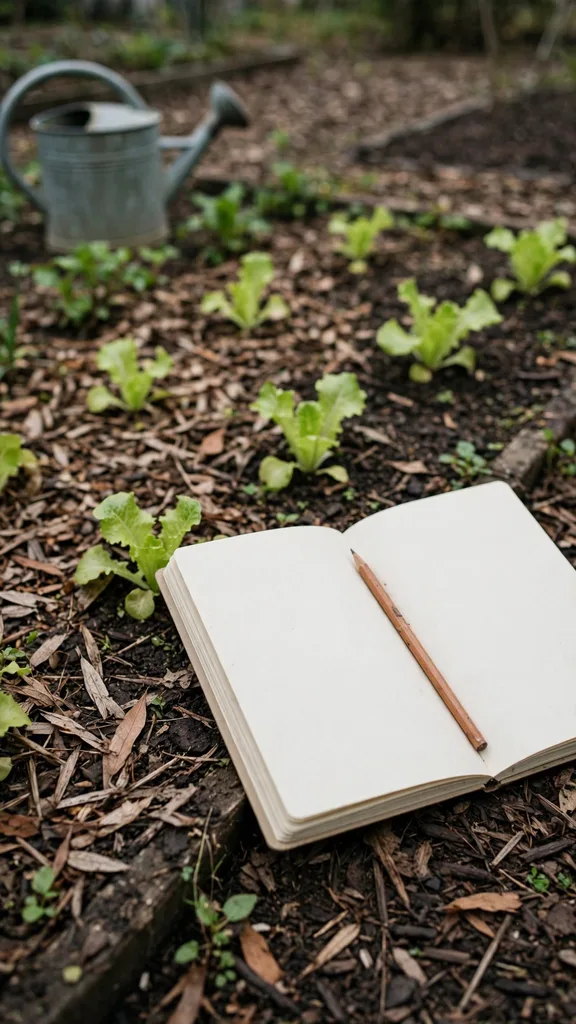
Write the failure down with the date. A note that says lettuce bolted in July tells you to sow the next round in August shade, and a note that says beans failed in cold soil tells you to wait a week longer next spring. A garden without notes repeats its failures. A garden with notes fixes one failure each season.
Grow the Garden One Bed at a Time
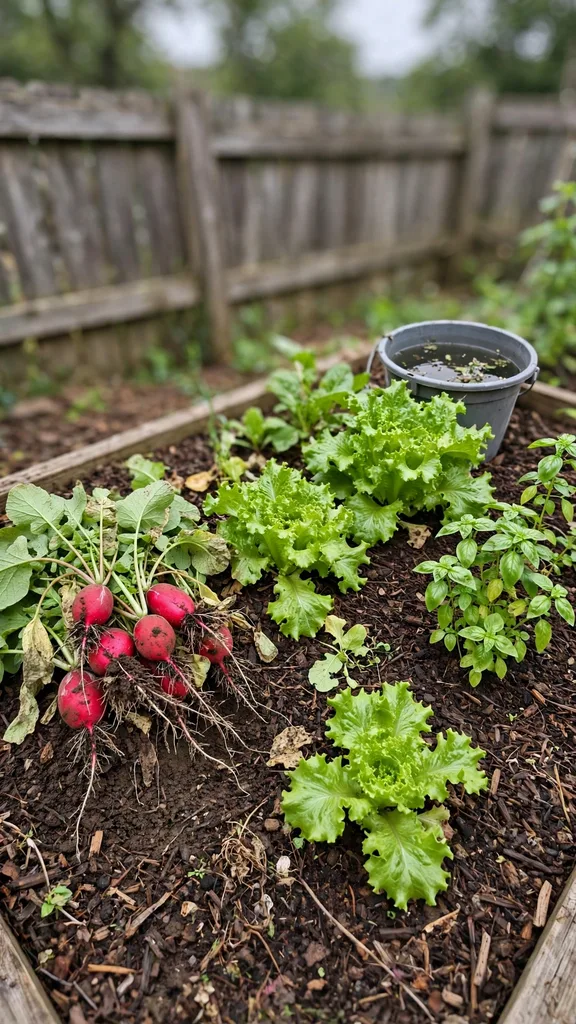
Pick the first radish when the root shoulders show and eat it the same day. A first harvest from a bed you built yourself tastes of the work behind it, and that taste carries the second bed. The bed that fed salads by summer started as cardboard, compost, and one Saturday morning.
In autumn, the fall garden bed prep guide covers the soil test, the compost, and the mulch that set the next season up. One bed this year, a second bed next spring, and the same three tools doing the work. A garden built one bed at a time stays inside its budget. A garden built all at once leaves the budget behind.
Keep the three tools clean and dry through winter, and the spring start costs nothing at all. A spade wiped and oiled in autumn digs in March without a fight. A can left full of water cracks in a frost. Winter care costs 10 minutes and saves the price of a new tool.
Frequently Asked Questions About Budget Garden for Beginners
A first garden needs no fixed sum, since the first bed can start with cardboard, homemade compost, and saved seed that cost nothing. Three tools and one packet of seed form the only buys for most beginners. Borrow a spade for the digging weekend and the tool bill drops to the trowel and the can. A bed built from free material and one small buy grows the same lettuce as a bed built from a full shopping trip.
Lettuce is the cheapest vegetable to grow first, since one packet sows several rows and the outer leaves cut again after picking. Radish runs close behind, with roots ready within weeks of sowing. Both grow in shallow soil and forgive a beginner watering schedule, which keeps the first bed productive while skill builds. Sow a second row two weeks after the first and the harvest stretches across the season.
A beginner garden grows well in pots only, as long as each pot holds at least 20 cm of soil and drains through a hole in the base. Lettuce, basil, and radish all crop in pots on a sunny step. Pots dry faster than beds, so check the soil each morning and water when the top 2.5 cm dries. Group pots by water need, so thirsty basil does not sit beside rosemary that wants dry roots.
A beginner should water a new bed when the top 2.5 cm of soil dries, which usually means a deep soak every few days rather than a sprinkle each day. Water in the morning and soak until the top 15 cm darkens. Mulch 5 cm deep holds that water in the soil and stretches the gap between waterings. A finger pushed 5 cm into the soil tells you more than any schedule, since weather changes the gap.
A beginner should start a garden in spring, after the last frost, when the soil warms enough for seed to sprout. Lettuce and radish sow first, since both tolerate cool soil. Beans and basil wait until the soil warms fully. Mark the last frost date on a calendar and count back from it for indoor starts. A spring start gives the whole season to learn watering, feeding, and thinning before autumn.