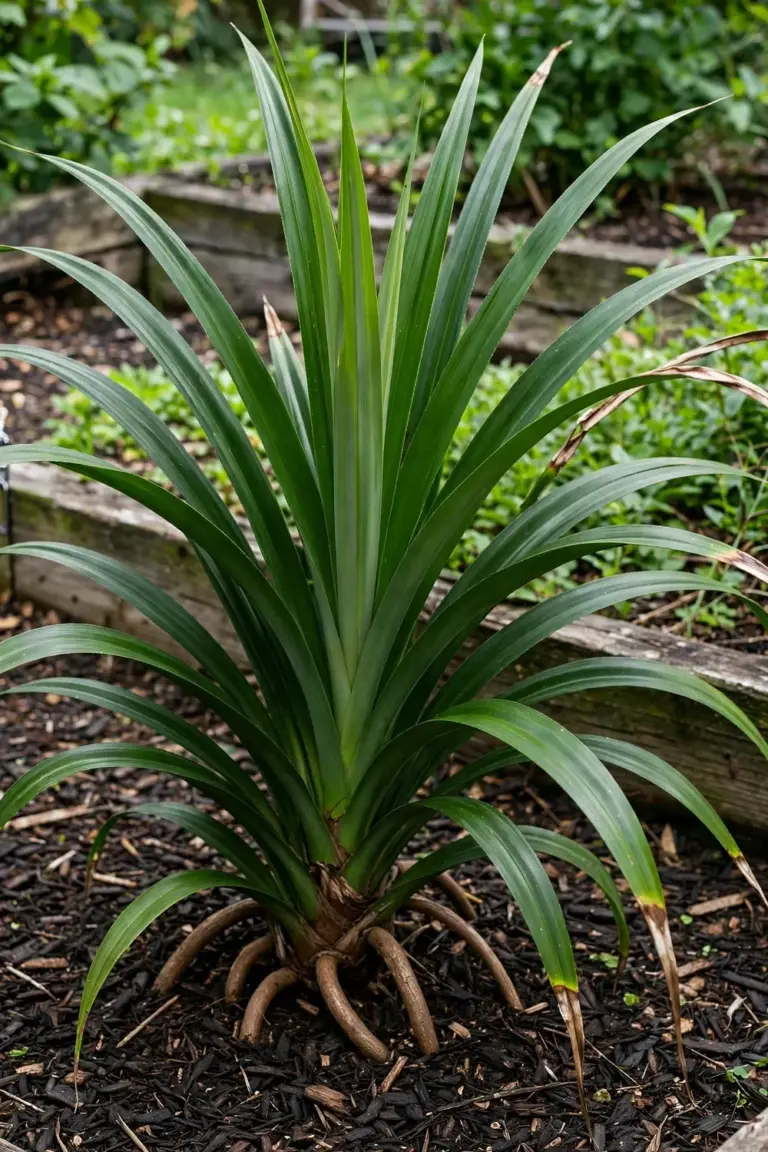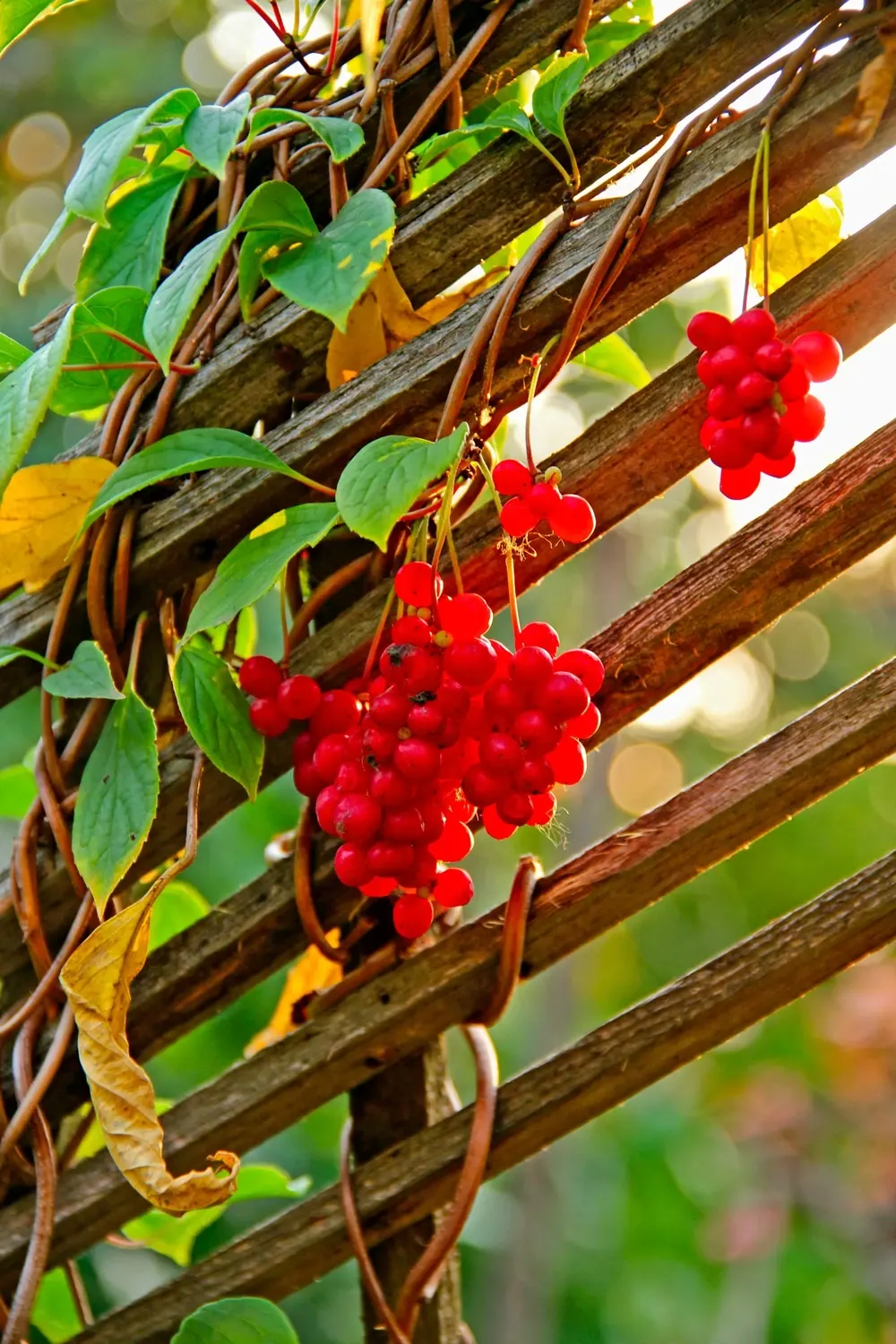

Schisandra is the five-flavor berry of traditional Chinese medicine, and you can grow it from seed in a home garden if you give it two things: 60 to 90 days of cold stratification to wake the seed, and three to four years of patience before the first scarlet berries. Skip the cold treatment and most seeds never sprout. Rush the timeline and you will wonder in year two why a healthy vine carries no fruit.
The plant is Schisandra chinensis, also sold as magnolia vine or wu wei zi. It is a twining woody vine native to northern China and the Russian Far East, hardy where winters are genuinely cold. The berries taste of all five flavors at once: sweet, salty, sour, pungent, and bitter. This guide covers how to grow schisandra from seed in the full arc from stratification to the first scarlet harvest, in 13 steps, with the honest timeline and the male-female pollination rule up front so nothing surprises you in year three.
| Fact | Detail |
|---|---|
| Botanical name | Schisandra chinensis (magnolia vine, wu wei zi) |
| USDA zones | 4 to 8 |
| Years to first berries | 3 to 4 from seed |
| Mature size | Twining vine, 15 to 25 feet or more |
| Sun | Full sun to partial shade; afternoon shade in warm zones |
| Soil | Fertile, well-drained, pH 5.5 to 7 |
Step 1: Check That Your Climate Fits a Cool-Climate Vine
Schisandra wants what northern China has: cold winters and cool summers. It grows reliably in USDA zones 4 through 8, and nursery listings extend that range a zone or two in either direction. Heat is the enemy more than cold. In zone 8 and warmer, give it afternoon shade and deep mulch, and expect a shorter-lived, less productive vine.
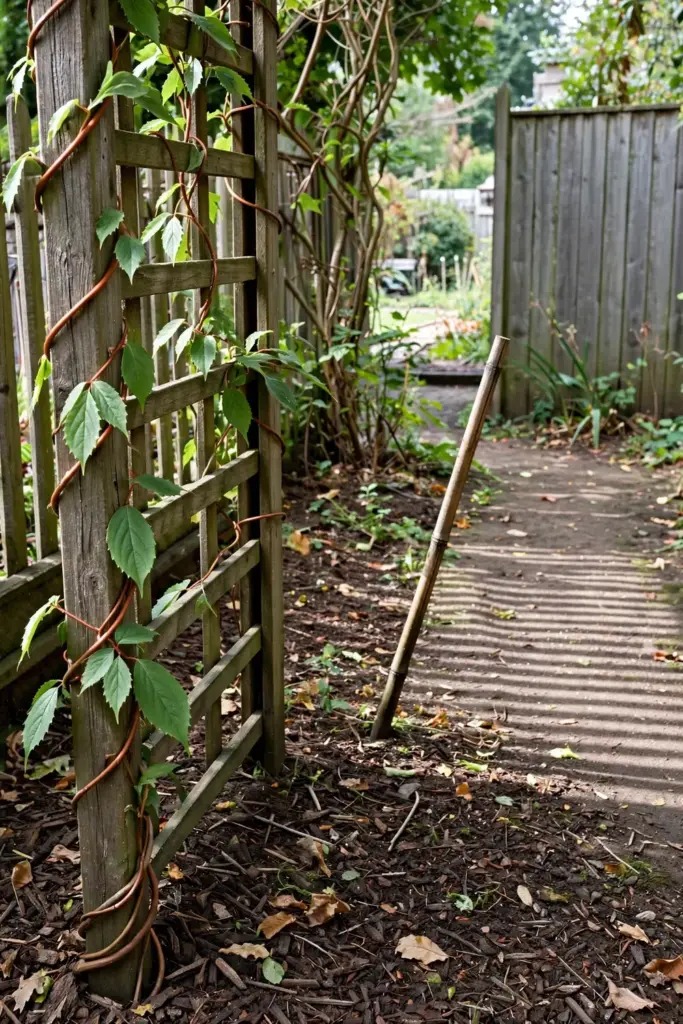
Site it where a large vine can climb for decades. A north or east-facing fence, a pergola, or a dedicated arbor works. The vine twines rather than clinging, so it needs something to wrap around: wire, trellis slats, or a rough wooden post. Plan for a plant that can reach 20 feet or more when happy. In zone 4 and the coldest parts of zone 5, a spot with reliable snow cover is a bonus; snow insulates the crown through the coldest snaps. Gardeners in these zones report vines sailing through minus 20 Fahrenheit winters without dieback, which is exactly the cold the species evolved for in Manchuria and the Russian Far East. Do not plant it against a south-facing brick wall in a hot climate. Reflected heat stresses the foliage and invites spider mites, the one pest that bothers it in dry heat. Before you commit to a spot, test the drainage: dig a 12-inch hole, fill it with water, and time how fast it empties. If it drains in under four hours, the site works. If water stands overnight, pick higher ground or build a raised bed 12 inches tall, because schisandra roots rot in winter-wet soil faster than almost any other way a gardener kills this vine. A windbreak on the prevailing-wind side helps too; winter wind desiccates the canes more than the cold itself.
Step 2: Source Fresh Seeds and Decide About Eastern Prince
Schisandra seed loses viability fast. Buy from a seed house that sells it fresh each season, or harvest your own from fully ripe berries in fall. Old, dry-stored seed still germinates, but the rate drops and the wait lengthens. If you are buying, order in fall or winter so you can start stratification on time.
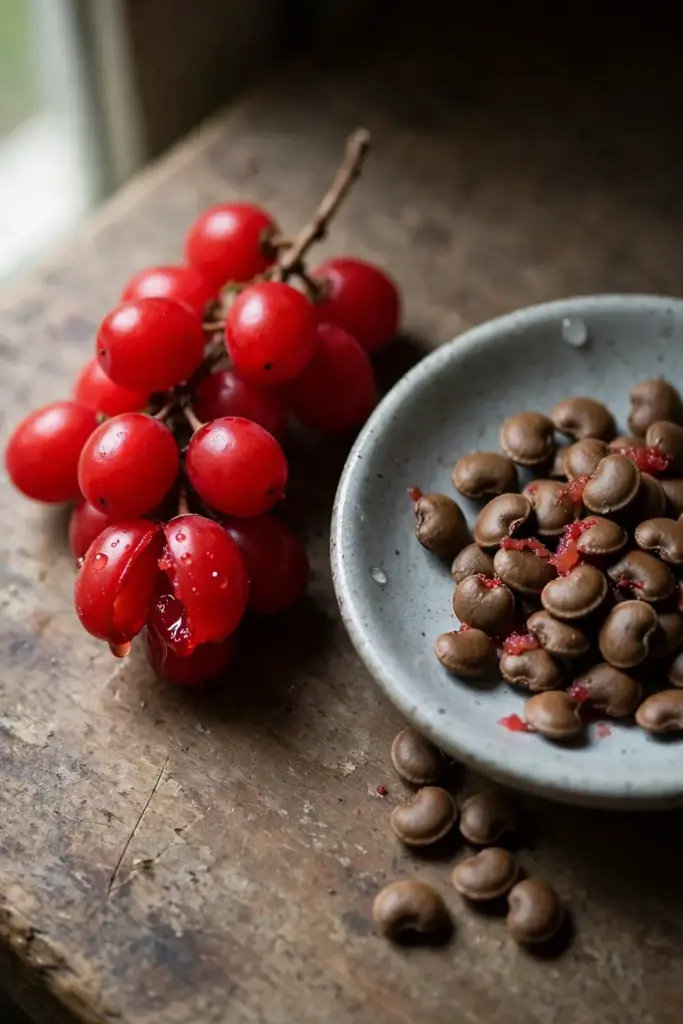
Here is the decision that shapes everything downstream when you grow schisandra from seed. Schisandra is dioecious: individual vines are male or female, and only females make berries. A seed-grown vine keeps its sex secret until it flowers, usually in year three or four, so plant at least three or four seedlings to hedge your odds of getting both sexes. Or skip the gamble entirely with the cultivar Eastern Prince, consistently advertised as self-fertile, which fruits on a single plant. The southern lookalike Schisandra sphenanthera (nan wu wei zi) is a different species with different chemistry; make sure the packet says chinensis.
Step 3: Scarify and Soak the Hard Seeds
The seed coat is the first lock. It is hard enough that growers in China have used acid scarification, and home growers get the same effect with sandpaper. Rub each seed lightly until the glossy coat dulls, taking care not to cut into the kernel. A small nick with a nail clipper works too. The goal is to let water in, not to wound the embryo.
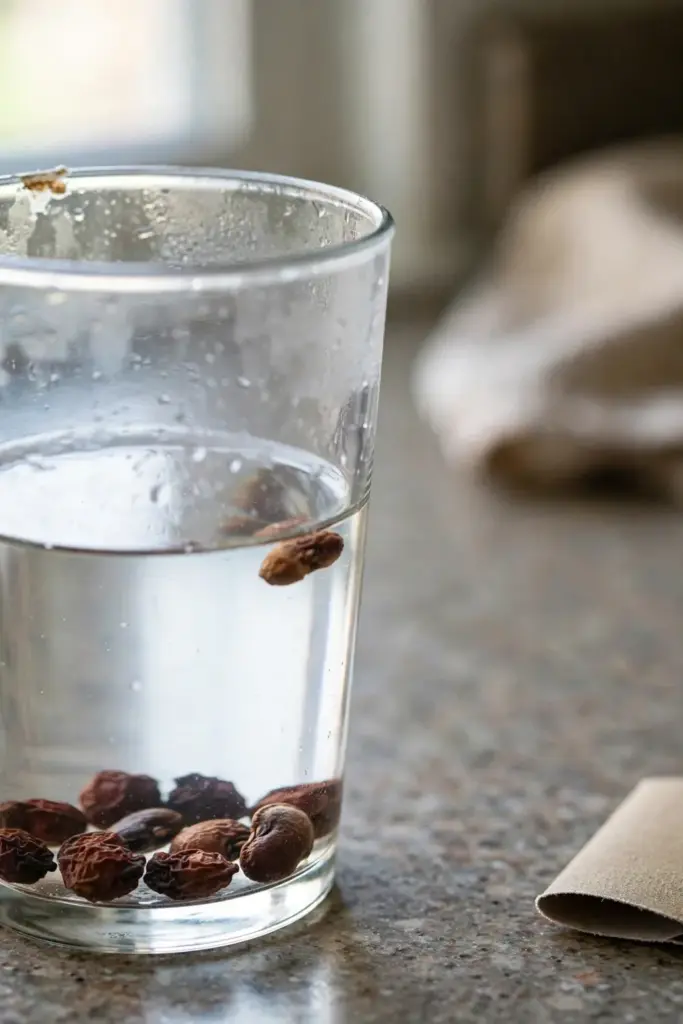
Then soak the seeds. The Maine Organic Farmers and Gardeners Association advises soaking dry seeds overnight before sowing, and the Plants for a Future database specifies a 12-hour pre-soak in warm water for stored seed. Use room-temperature water, change it once if it clouds, and discard any seeds that float after the soak. Sinkers are your keepers. Sow fresh seed straight from fall berries with no scarification at all; nature already handled the coat.
Step 4: Cold-Stratify for 60 to 90 Days
This is the step most beginners skip, and it is the reason most schisandra seed never sprouts. The embryo needs a long artificial winter. Mix the soaked seeds into barely damp vermiculite or peat in a sealed bag and refrigerate at 34 to 40 degrees Fahrenheit for 60 to 90 days. The Agroforestry Research Trust lists 13 weeks of cold stratification for Schisandra chinensis, which lands squarely in that window. The University of Washington’s Miller Library propagation notes describe the same protocol: soaked seed sown indoors in March, or fresh seed sown in fall beds at a quarter inch deep.
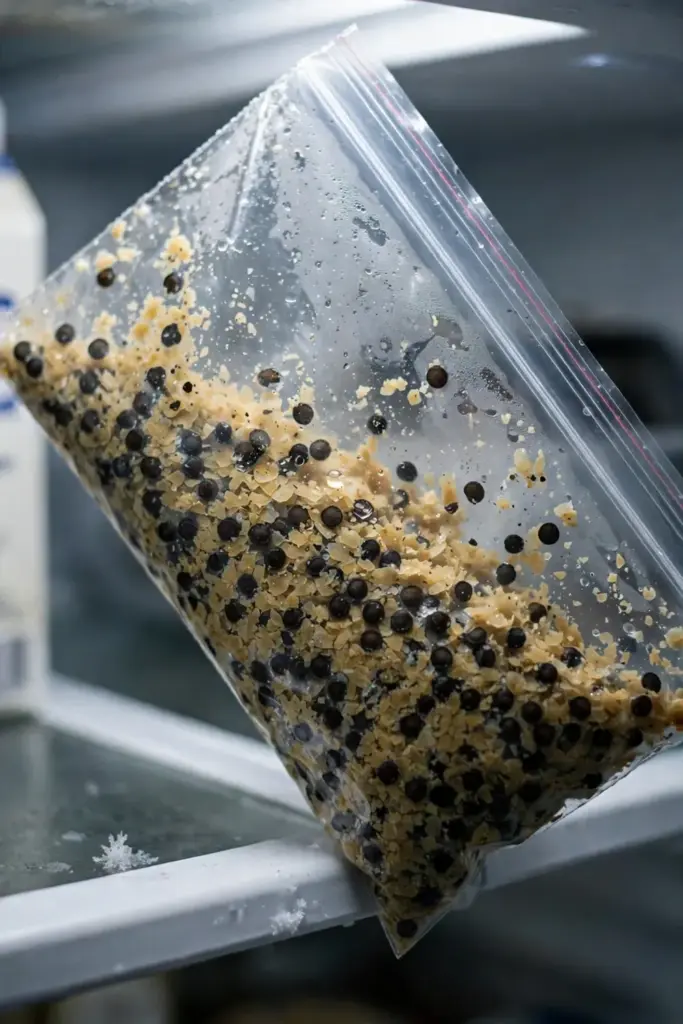
Check the bag every couple of weeks. The medium should feel like a wrung-out sponge, never wet. A few seeds may sprout in the fridge near the end of the period; sow those immediately and handle the white roots gently. If mold appears, rinse the seeds, replace the medium, and return the bag to the fridge. Do not freeze the bag. Freezer temperatures kill the embryo outright.
Step 5: Sow Indoors in March, a Quarter Inch Deep
Timing matters. Sow stratified seed indoors in March, or sow fresh seed in fall in a prepared outdoor bed and let winter do the stratification. For indoor sowing, use a sterile seed-starting mix in deep cells or small pots; the first root dives fast. Set each seed a quarter inch deep, firm the mix, and water from below.
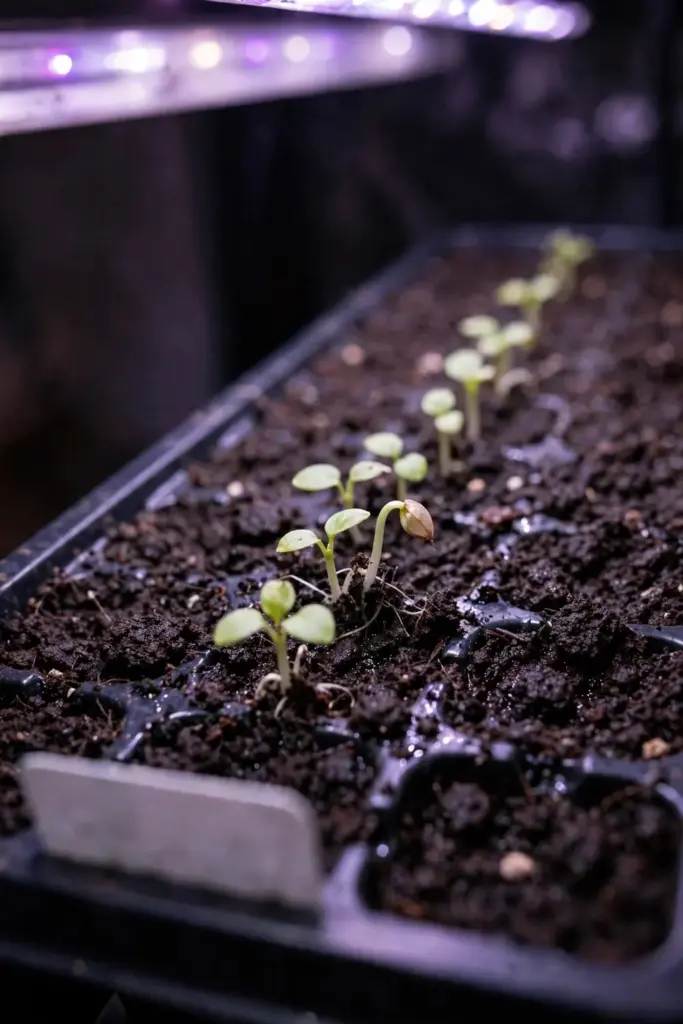
Warmth after cold is the trigger. Keep the trays at 65 to 70 degrees in bright indirect light. A basic full-spectrum LED shop light hung 6 inches above the trays on a 14-hour timer beats a windowsill, which swings between chilly nights and scorching midday sun. Covering with a humidity dome helps until sprouts appear, then remove it to prevent damping off. Expect germination to be slow and erratic: some seeds pop in three weeks, others take two months, and a few wait until the following spring. Do not throw the tray away after a month of nothing. Mark the sowing date on the tray and give it a full season before you judge.
| Stage | Action | Time |
|---|---|---|
| Scarify and soak | Rub seed coat, soak overnight | Day 0 |
| Cold stratify | Damp vermiculite, 34 to 40 F | 60 to 90 days |
| Sow indoors | Quarter inch deep, 65 to 70 F | March |
| Germination | Keep moist, bright indirect light | 3 weeks to 3 months, erratic |
| First true leaves | Remove dome, gentle air movement | Weeks after sprouting |
Step 6: Nurse the Seedlings Through Two Slow Years
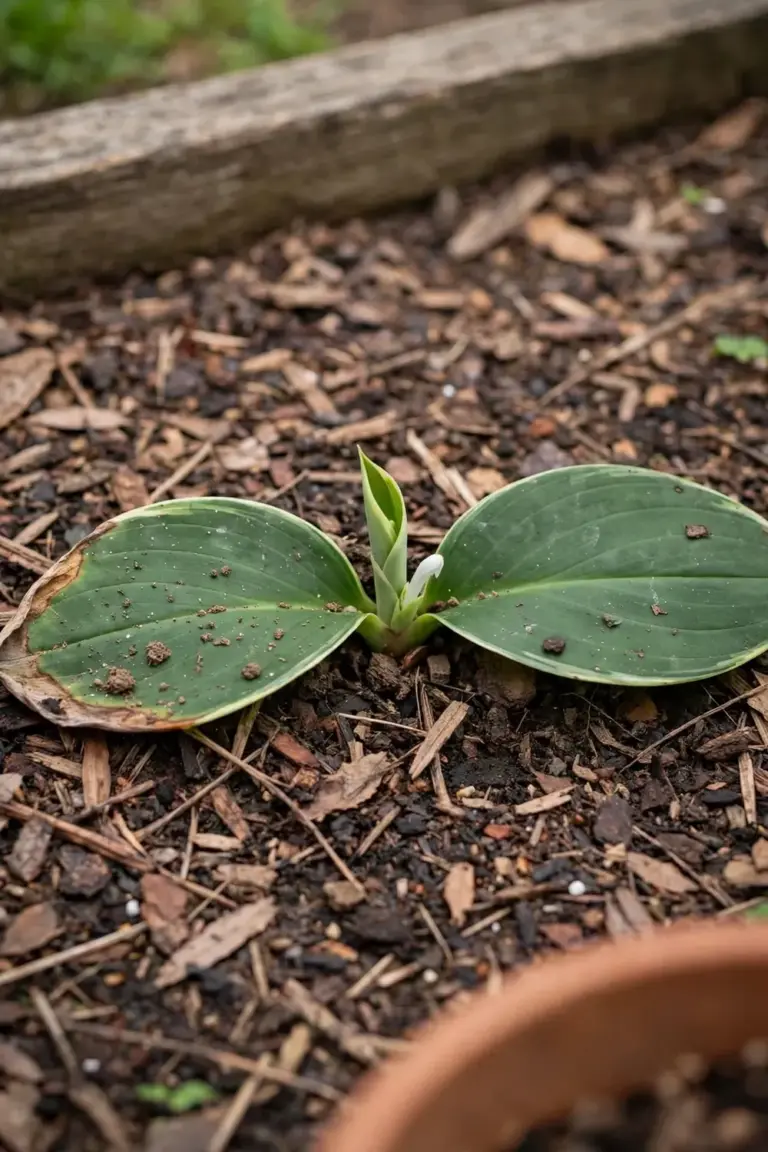
Schisandra seedlings are marathoners, not sprinters. The Plants for a Future database advises growing them on in light shade in the greenhouse for their first two years, and that matches what growers report: a first-year seedling may reach only a few inches. Give them dappled light, consistent moisture, and protection from slugs, which love the tender stems.
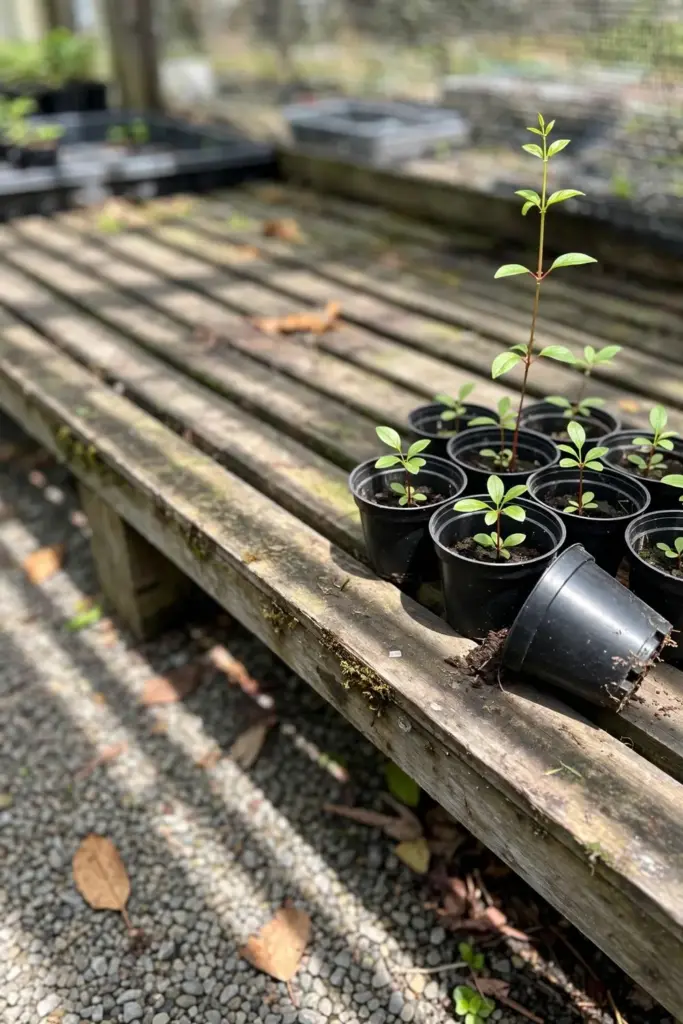
Do not fertilize until the seedlings have been up for at least a month to six weeks, and then only at quarter strength. Rich feeding pushes soft growth that damping-off fungi exploit. One grower on the Garden.org forums notes holding off fertilizer until seedlings are well established, which matches nursery practice for slow woody vines. Pot up when roots fill the cell, stepping to a 4-inch pot, then a gallon. Each step up should use fresh sterile mix, not garden soil, because young schisandra roots are fine and easily damaged by the pathogens that live in outdoor soil. Keep one label per pot with the sowing date and seed source; when you later select the strongest vines for planting out, you will want that history. A seedling with a thick stem base and dark green leaves is a keeper. A pale, leggy one goes to the compost.
Step 7: Build a Sturdy Trellis Before Transplant Day
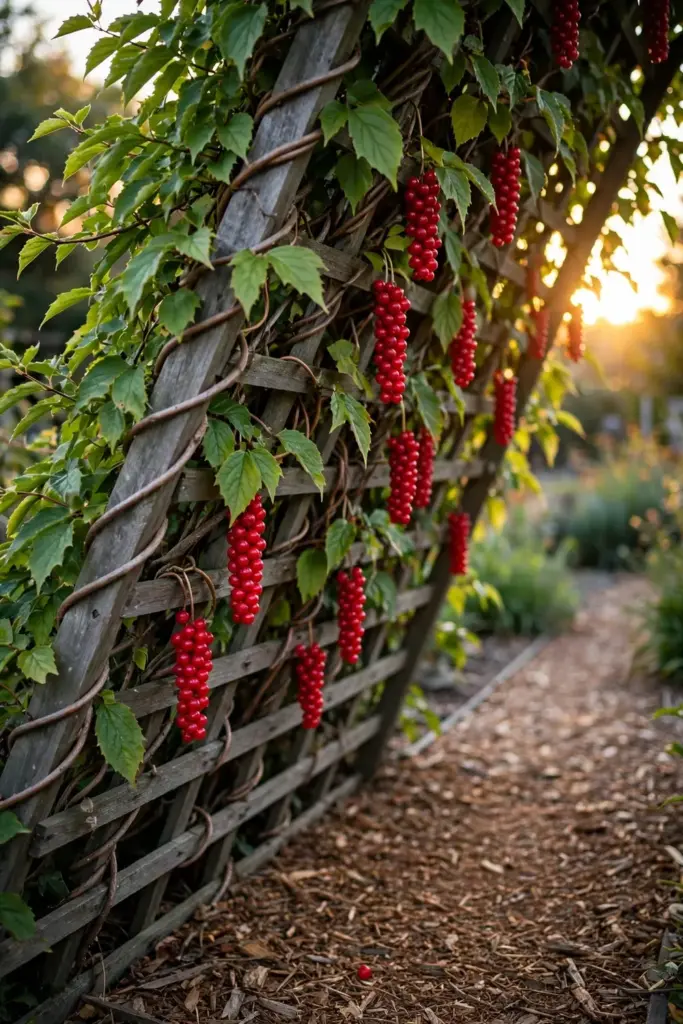
Build the support before the vine needs it, because a mature schisandra is heavy. The Maine association recommends trellising on a high arbor like grapes, or on a wall or fence, and in Liaoning Province, the central harvest region of China, vines grow in long rows on arbors. A 7-foot arbor or a strong fence trellis with horizontal wires every 18 inches gives the twining stems plenty to grab.
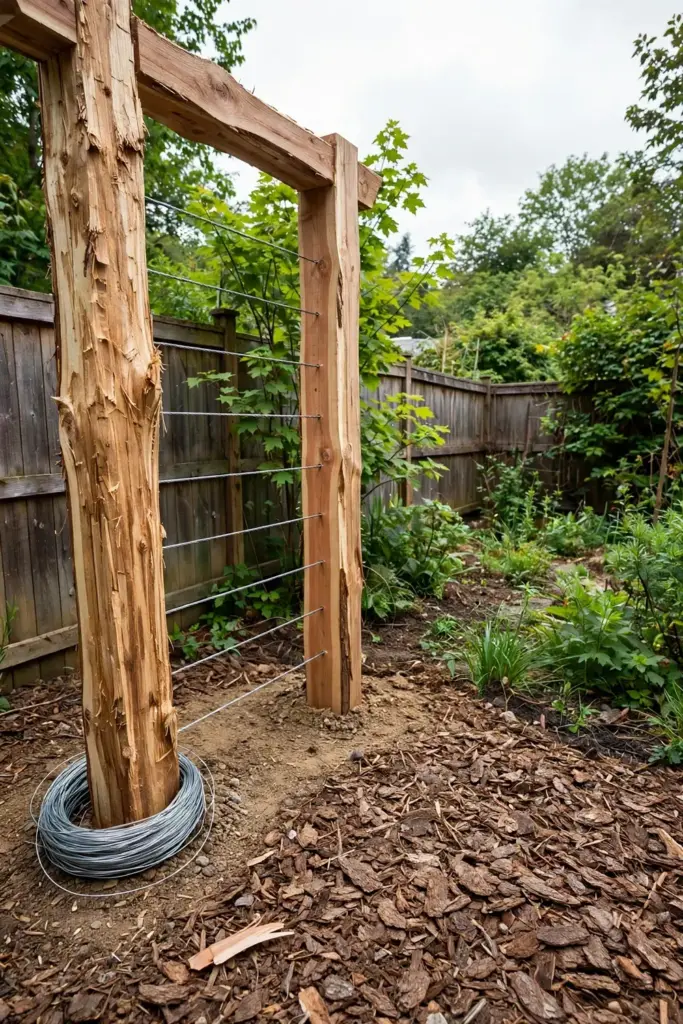
Use materials that last a decade: cedar or locust posts, galvanized wire, or a welded cattle panel arched between posts. Cheap bamboo teepees collapse under a mature vine in year four, right when the berries arrive. Set posts 2 feet deep with tamped soil or concrete footings. Leave a 3-foot clear zone behind the trellis so you can reach both sides for pruning and harvest. Orient the arbor east to west so both sides get morning sun and the vine shades its own root zone by afternoon. Underplant the base with shallow-rooted ground cover like wild ginger or mulch it heavily; the vine’s surface roots compete poorly with lawn grass, and a mower nick on a young cane can set the plant back a full season.
Step 8: Transplant in Early Summer to the Permanent Spot
Plant out in early summer of the second or third year, once seedlings are sturdy and nights stay above 50 degrees. Harden them off for a week first: a few hours of outdoor shade, increasing daily. Dig a hole twice the root ball, set the crown at the same depth it grew in the pot, and water deeply.
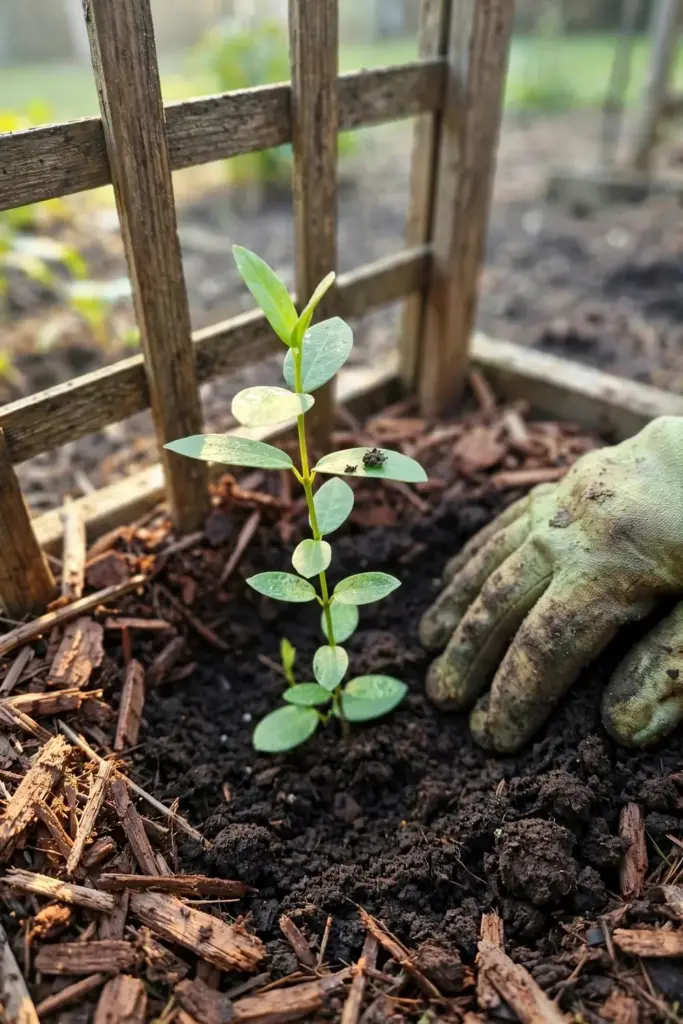
Schisandra likes woodland-edge conditions: fertile, well-drained, moisture-retentive soil with a pH between 5.5 and 7. Dig in several inches of compost, but skip fresh manure, which burns young roots. Space vines 3 to 4 feet apart along the trellis. Mulch with 3 inches of shredded bark or leaf mold, keeping it an inch from the stem. Water the planting in with a full gallon per vine, then keep the root zone evenly moist through the first summer. For broader soil-building principles that apply to any perennial planting, the soil health guide covers the foundation work.
Step 9: Water, Mulch, and Feed for Steady Growth
Established schisandra tolerates average moisture without complaint. It still hates drought in its first two years in the ground, so water deeply once a week in dry spells, aiming for the top 6 inches of soil. A drip line under the mulch beats overhead watering, which wets the foliage and invites leaf spot.
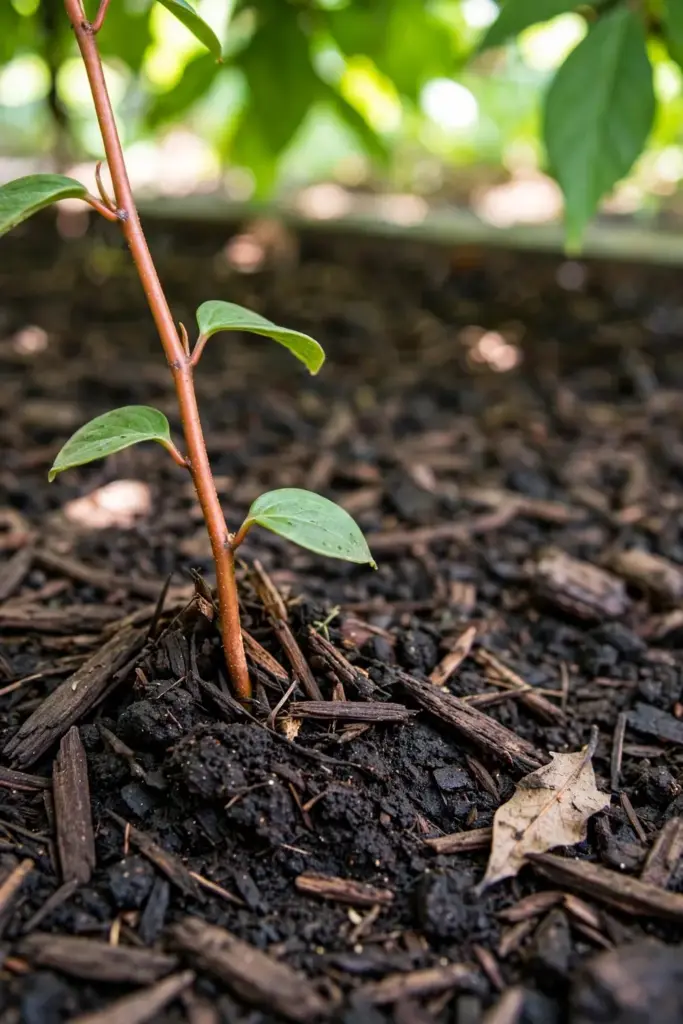
Feed lightly. A 2-inch compost top-dress each spring is enough for most soils. If growth stalls and leaves pale, side-dress with a balanced organic fertilizer at half the label rate in early summer. Stop feeding by midsummer so new growth hardens before frost. In sandy soils that drain fast, split the feeding into two lighter applications, early spring and early June, since nutrients leach quickly. Keep the mulch replenished but never piled against the stem; crown rot starts where mulch traps moisture against bark. Watch the leaf color through summer: deep green means the vine is content, while yellowing older leaves often just means the mulch layer thinned and the roots dried out between waterings.
Step 10: Prune for Airflow and a Manageable Height
Prune in fall, after leaf drop, when the vine’s structure is visible. Growers report that fall pruning controls height and keeps the plant manageable. Remove dead, crossing, and weak stems first, then shorten the longest leaders to keep the vine on its support. A mature vine carries fruit on the current season’s growth, so thinning congested laterals improves both airflow and berry size.
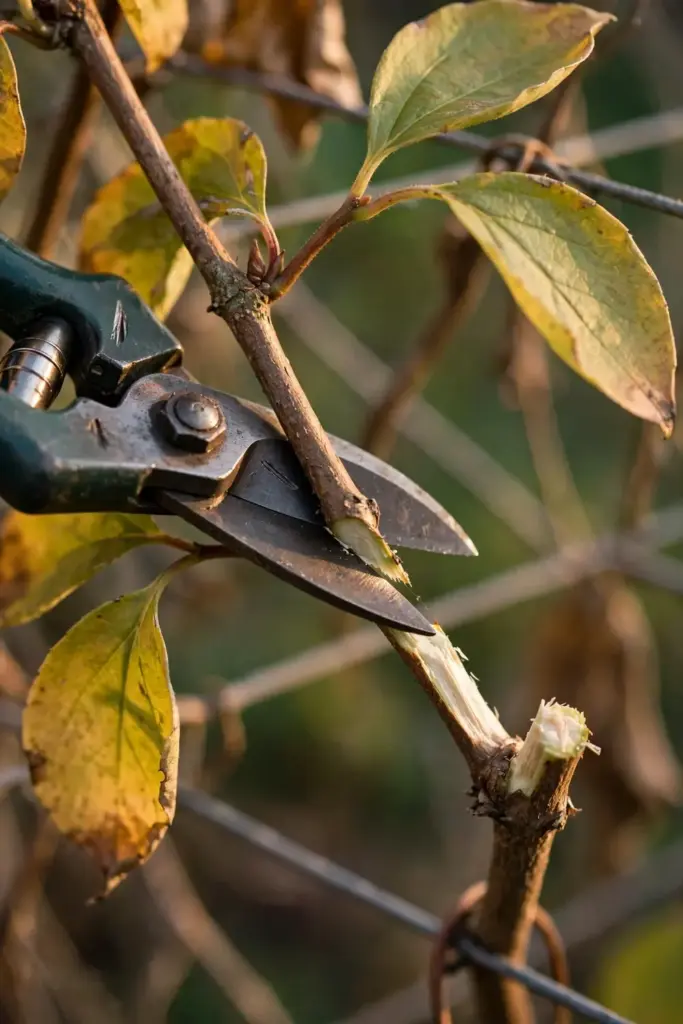
In early years, train two or three strong leaders up the trellis and rub out the rest. Tie each leader loosely with soft twine in a figure eight so the tie never girdles the stem. Then every fall, cut back a third of the oldest wood to the base. This renewal keeps berries coming on vigorous young wood. Never shear the top like a hedge. You would remove the flowering wood and wonder why year four has no berries.
Step 11: Solve the Male-Female Pollination Puzzle
This is the step that decides whether you get berries. Schisandra is dioecious, so plan your planting around it now, not in year four when the vine flowers and you discover you own three males.
| Setup | Vines needed | Berries? | Notes |
|---|---|---|---|
| Female + male seedlings | At least 2, ideally 3 to 4 | Yes | Sex unknown until flowering; extra vines hedge the odds |
| Eastern Prince cultivar | 1 | Yes | Self-fertile; the no-gamble option |
| Single seedling | 1 | Maybe | Roughly a coin flip; a lone male never fruits |
| Grafted female + male branch | 1 trunk | Yes | Advanced: graft a male scion onto a female vine |
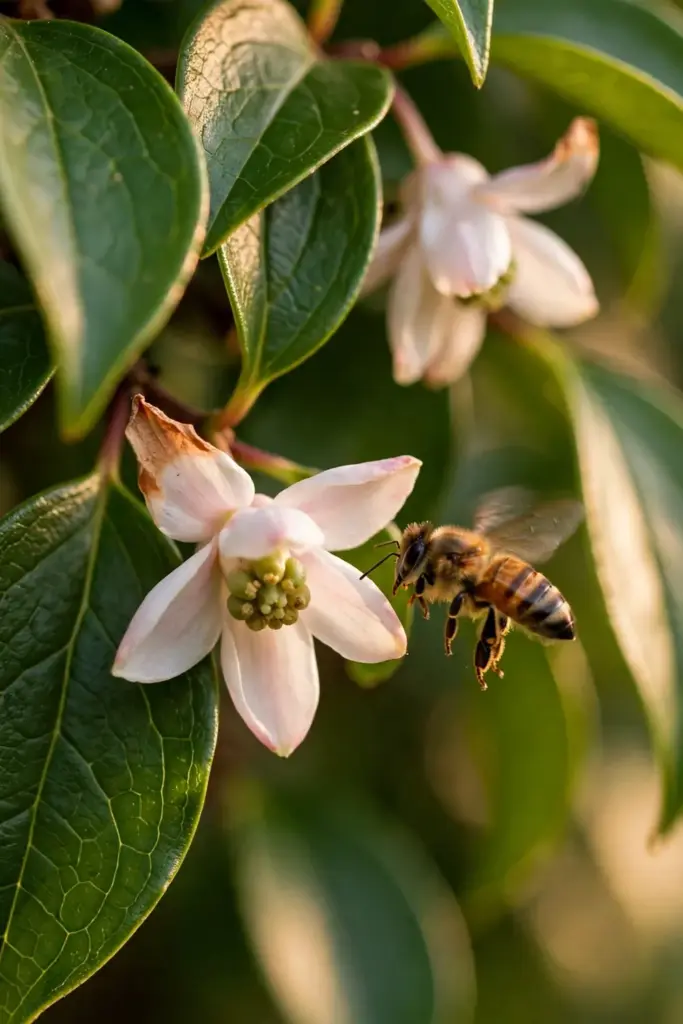
Flowers appear in late spring: small, fragrant, white to pink, hanging like little lanterns. Male flowers shed yellow pollen; females show a greenish center that swells after pollination. Bees do the work, so avoid spraying anything during bloom. If your vines flower but no berries set, you likely have only one sex, which is the single most common reason gardeners fail when they learn how to grow schisandra from seed. The fix is to plant an Eastern Prince nearby or graft a branch of the missing sex onto an existing vine. One male pollinates several females within bee range, so a single Eastern Prince can rescue a whole row of seedling females.
Step 12: Harvest Berries When They Turn Fully Scarlet
Expect the first real crop in year three or four from seed, which matches the Maine association’s timeline. Berries ripen in late summer or early fall in dangling clusters like tiny grapes. Pick when fully scarlet and slightly soft; underripe berries are harshly sour and never sweeten off the vine.
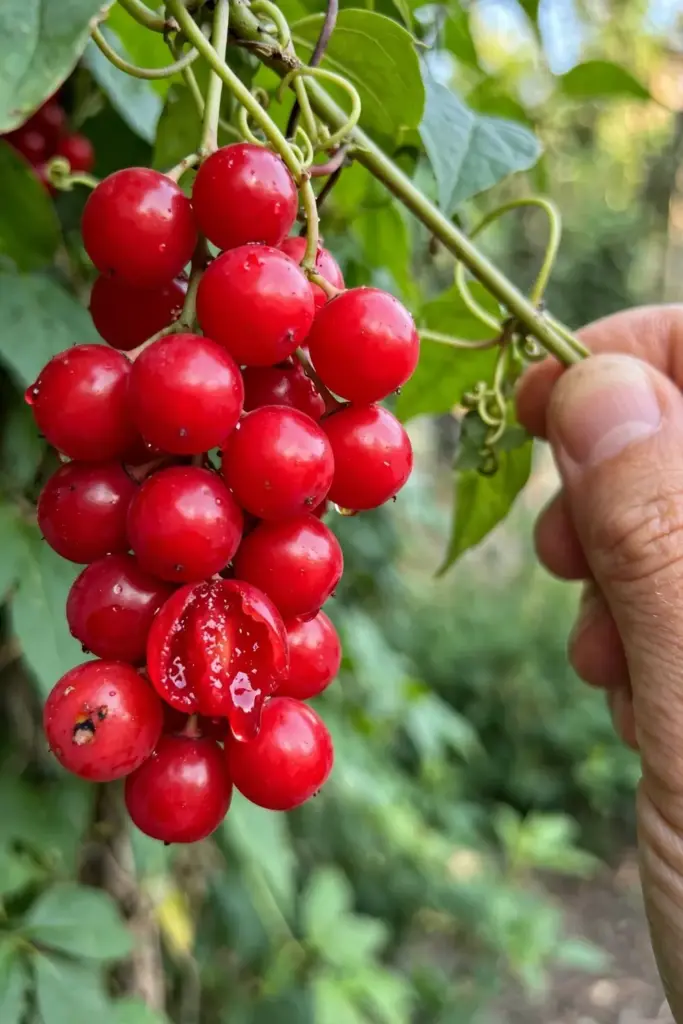
Harvest by snipping whole clusters with scissors into a shallow basket. A mature vine yields several pounds in a good year, though your first harvests will be modest: a handful of clusters in year three, building to full production by year five or six. Taste one fresh to calibrate: the five flavors hit in sequence, sour first, then salty and pungent, with sweet and bitter underneath. Most growers dry the harvest rather than eating it fresh. Spread berries in a single layer on screens in a warm, airy spot out of direct sun, or use a dehydrator at 95 degrees until leathery. Berries are done when they feel dry and slightly tacky, with no moisture beads when squeezed. Store dried berries in sealed jars away from light; they keep a year.
Step 13: Dry, Store, and Use the Five-Flavor Berries
Dried schisandra keeps its flavor and color for about a year in an airtight jar in a cool, dark cupboard. For tea, simmer a tablespoon of dried berries in two cups of water for 15 minutes; the liquor turns deep red and tastes sour-salty with a sweet finish. The berries also go into tinctures, syrups, and infused honey.

A note on health claims, stated plainly. Schisandra has centuries of use in traditional Chinese medicine and a growing pile of laboratory studies, but this article is a growing guide, not medical advice. Treat it as a flavorful fruit crop first. Anyone pregnant, nursing, or taking medication should talk to a clinician before using it medicinally, which is the same caution the Maine association prints with its own schisandra guide. Enjoy the berries as food and tea, and leave therapeutic claims to professionals.
Troubleshooting: Fix the Most Common Schisandra Failures
Nothing germinated after two months. This is normal for schisandra. The seed is slow and erratic by nature. Confirm the seed got its full 60 to 90 days of cold, keep the tray moist at 65 to 70 degrees, and wait a full season. Next time, scarify more aggressively and stratify the full 90 days.
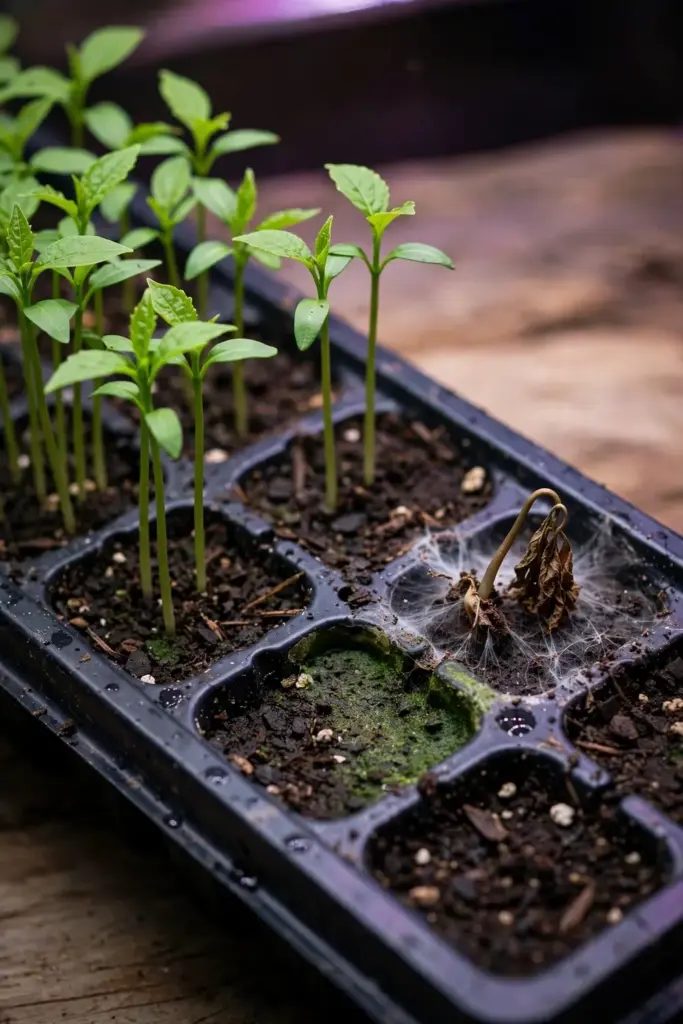
Seedlings damped off at the soil line. The mix stayed too wet and airless. Start over with sterile mix, water from below, remove the humidity dome at the first sprout, and give gentle air movement from a small fan. Cinnamon dusted on the surface suppresses surface fungi.
The vine grows but never flowers. It is likely too young; flowering starts in year three or four. Excess nitrogen also pushes leaves at the expense of flowers, so cut the feeding. Deep shade delays maturity too. If the site gets under four hours of sun, consider moving the vine while it is still young.
Flowers but no berries. You have a pollination problem, not a fertility problem. See Step 11: add the missing sex or an Eastern Prince within bee range.
Leaves yellow with green veins. That pattern is iron chlorosis, common when soil pH climbs above 7. Mulch with pine needles or composted oak leaves, and have the soil tested before reaching for amendments.
Frequently Asked Questions
After 60 to 90 days of cold stratification, expect sprouts in three weeks to three months, and do not be surprised by stragglers. Germination is naturally slow and erratic, and some seeds wait until the following spring. Keep the tray moist at 65 to 70 degrees and give it a full season before judging the batch a failure.
Yes for the first two or three years, in a 5-gallon or larger container with rich, well-drained mix. A mature vine wants to climb 15 feet and fruits best in the ground on a real trellis, so treat the pot as a nursery stage. Move it to its permanent spot by year three for the best long-term harvests.
It is a vigorous twining vine that can climb into nearby shrubs if never pruned, but it is not listed as invasive in North America. Fall pruning keeps it on its support. Check your local extension list if you garden near natural areas, since regional statuses change.
This question appears in search results often. Laboratory studies have explored hormonal activity, but the evidence in humans is thin and mixed. Treat schisandra as a food crop, not a hormone therapy, and discuss any medicinal use with a clinician, especially if you are pregnant, nursing, or managing a hormone-sensitive condition.
As a food in normal culinary amounts, schisandra is widely eaten without issue. Medicinal-strength use deserves caution for people who are pregnant or nursing, those on medications it might interact with, and anyone with a hormone-sensitive condition. When in doubt, ask a clinician rather than a gardening article.
Yes. Fresh berries are safe to taste, and one fresh berry is the best way to experience all five flavors. Most people find them too sour and astringent to eat by the handful, which is why the standard uses are dried berries, tea, tincture, and syrup.
Where to Go From Here
Start this winter. Order fresh seed now, scarify and stratify through the cold months, and sow in March. That is the whole secret of how to grow schisandra from seed: respect the winter the seed demands, and the vine handles the rest. By the time your seedlings are ready for their trellis, you will have had two full years to watch them and learn their rhythm. Plant three or four vines, or hedge with one Eastern Prince, and mark your calendar for the first scarlet clusters three to four years out. Few garden crops reward patience this well: a vine that outlives the trellis you build for it, asking only for fall pruning and a drink in dry spells.