
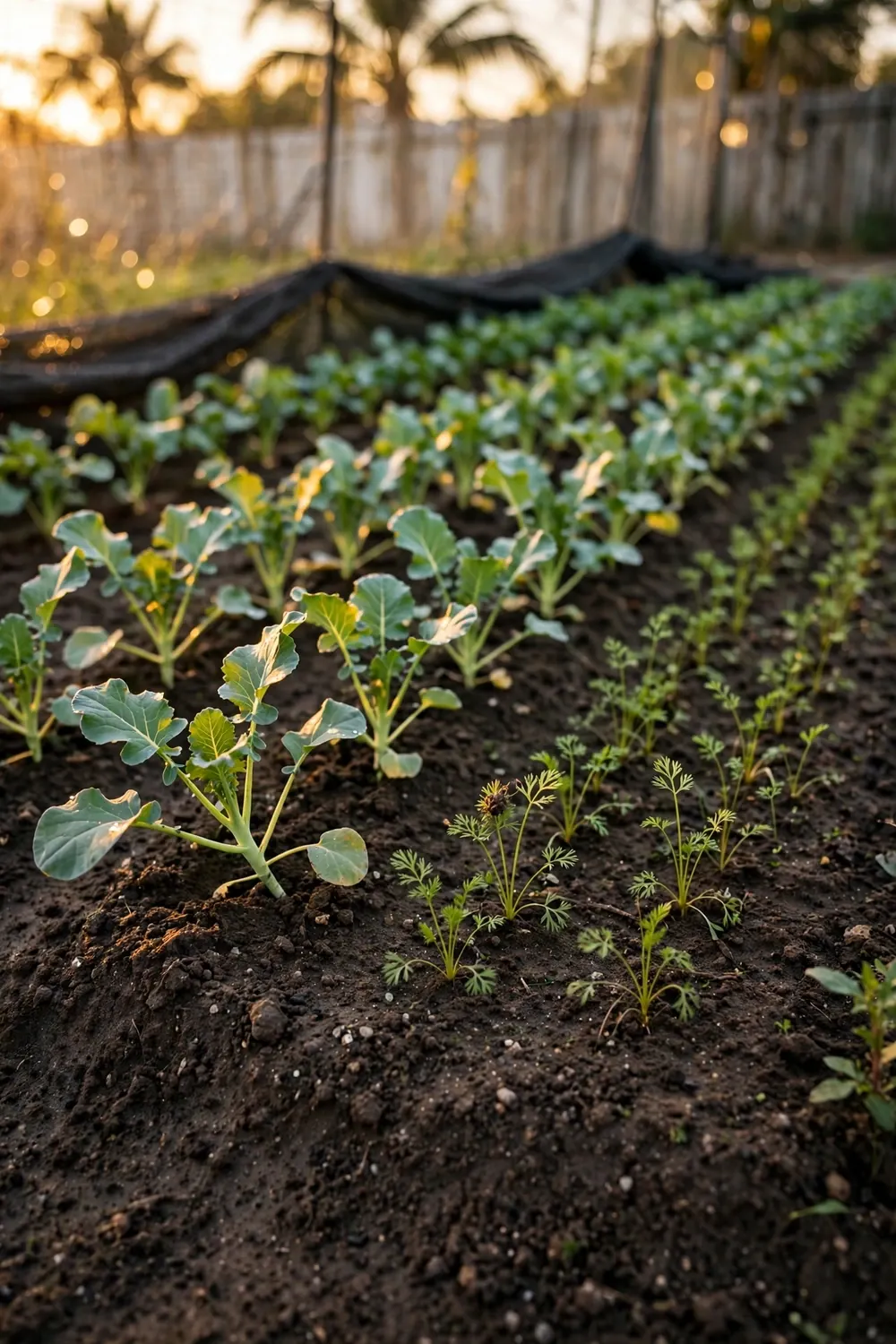

In zone 9, fall planting starts when the heat breaks, not when the calendar turns. Wait until daytime highs drop below 90 and nights settle into the 70s, then put your first fall crops in the ground. For most of zone 9 that moment lands in September, which makes September the most important planting month of your year.
Most American gardening advice treats fall as the wind-down. In zone 9 it is the opposite: fall is the second spring. Warm-season crops get a second run, cool-season crops get their best months, and the garden that limped through August comes back to life. Gardeners in colder zones are counting down to frost. You are counting down to plantable weather.
This guide covers the zone-9 fall season start to finish: reading the heat gate, the vegetable windows, the second-summer tomato playbook, bulbs and garlic that need special handling in warm winters, and flowers that bloom from fall into spring. If you want the general timing method behind fall planting, the count-back method in when to start fall garden explains how every window below is calculated.
1. Read the Heat Gate Before You Plant Anything
Zone 6 gardeners watch the frost forecast. You watch the thermometer in the other direction. In zone 9, soil that is still baking above 80 degrees in September will not germinate lettuce or spinach at all. The seeds sit dormant, you assume they failed, and you resow into the same hot soil. The seed was fine. The soil was the problem. Fall planting in zone 9 begins the week night temperatures drop into the 70s and stay there, because that is when the soil finally cools enough for cool-season seed.
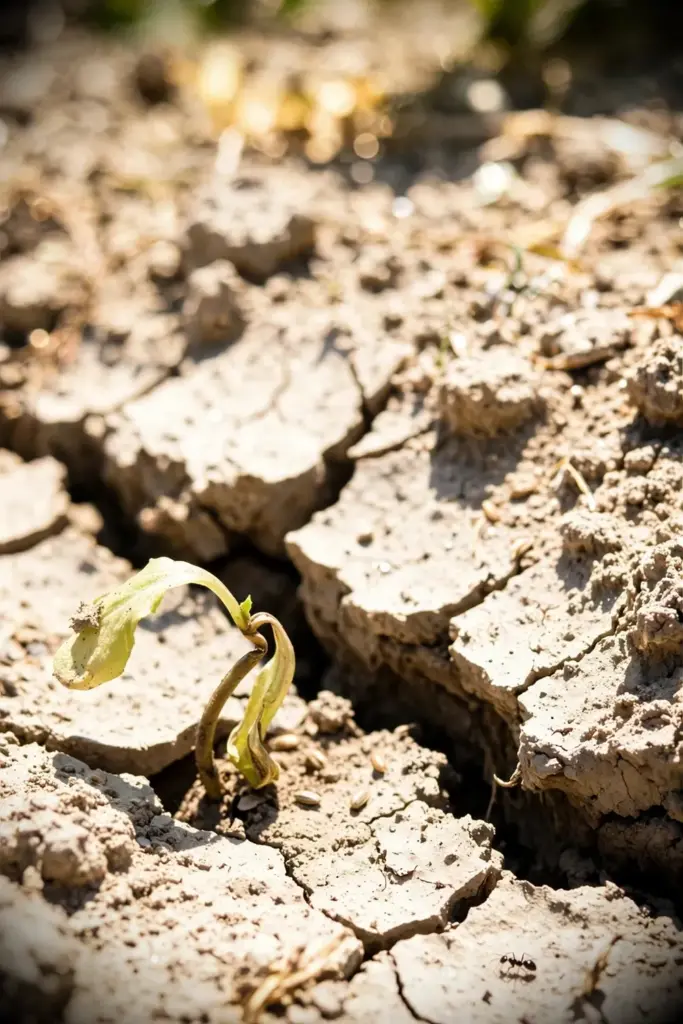
A soil thermometer removes the guesswork. Push it two inches into the bed in the late afternoon, when the soil is warmest. Lettuce and spinach want soil below 80 degrees to germinate reliably. Carrots and beets germinate across a wider range but dry out fast in hot beds, so they want consistent surface moisture more than they want cool soil. Warm-season crops like beans and cucumbers have no complaint about September heat; sow them first while you wait for the beds to cool for everything else.
| Crop group | The heat problem | The zone-9 fix |
|---|---|---|
| Lettuce, spinach, arugula | Seed goes dormant in soil above 80 degrees | Wait for nights in the 70s, or shade the bed with burlap for a week after sowing |
| Carrots, beets, radishes | Seed dries out in the top inch of hot soil | Sow, cover lightly with vermiculite or boards, and water daily until emergence |
| Broccoli, cabbage, cauliflower transplants | Afternoon heat wilts new transplants | Plant in late afternoon and shade with row cover for the first week |
| Beans, cucumbers, squash | None; they thrive in September warmth | Direct sow in early September as the first fall wave |
Your last 90-degree day matters more than your first frost date. Much of zone 9 does not see frost until late November or December, which gives you a long runway, but none of that runway is usable until the heat releases its grip. Plant the heat-lovers in September, the cool-season crops in October, and you will have timed both waves right.
2. The Zone 9 Fall Vegetable Windows
This is the table the whole guide exists for. Zone 9 runs on a split calendar: warm-season crops planted in late summer for fall harvest, then cool-season crops planted in mid-fall for winter harvest. Texas A&M AgriLife Extension publishes its fall dates by region, with Region III covering central Texas, Region IV the coastal bend, and Region V the Rio Grande Valley, and the dates shift later as you move south. UF/IFAS publishes the same kind of regional split for Florida, with North, Central, and South Florida on different schedules. The windows below blend both systems into one zone-9 calendar.
| Crop | Plant window in zone 9 | Method | Harvest |
|---|---|---|---|
| Broccoli | September to November | Transplants | November to February |
| Cabbage | September to November | Transplants | November to February |
| Cauliflower | September to November | Transplants | November to January |
| Brussels sprouts | September to November | Transplants | December to February |
| Kale | September to February | Direct sow or transplants | November to April |
| Collards | October to December | Direct sow or transplants | November to March |
| Swiss chard | October to December | Direct sow | November to April |
| Lettuce, leaf | October to December | Direct sow | November to March |
| Spinach | October to November | Direct sow | December to March |
| Mustard and turnip greens | September to November | Direct sow | October to February |
| Carrots | October to December | Direct sow | December to March |
| Beets | October to December | Direct sow | December to March |
| Radishes | October to December | Direct sow | November to February |
| Snap beans, bush | September to October | Direct sow | October to December |
| Cucumbers | September to October | Direct sow | October to November |
| Kohlrabi | September to November | Direct sow | November to January |
The dates come from Texas A&M AgriLife Extension’s regional fall vegetable planting table, which staggers every crop across its five Texas growing regions, and from UF/IFAS’s Florida vegetable planting tables, which give separate windows for North, Central, and South Florida. If your garden sits at the warm edge of zone 9, use the later end of each window. At the cool edge, use the earlier end.
Succession sowing matters more in zone 9 than anywhere else because the season is so long. A single sowing of lettuce in October gives you one flush; sowings two weeks apart from October through December give you salads for five months. Radishes mature in 20 to 30 days, so they are the perfect succession crop: sow a short row every two weeks and you will never buy radishes again. Beans work the same way on a slightly longer rhythm.
The zone chart in fall garden planting schedule puts every zone side by side if you want to compare zone 9 against the rest of the country, but the table above is tuned for zone-9 heat and zone-9 winters only.
3. Second-Summer Crops: Tomatoes, Peppers, and Eggplant
Here is the move that surprises gardeners from colder zones: in zone 9 you plant tomatoes twice. The fall crop goes in as transplants in mid-summer, grows through the worst heat, and starts setting fruit as nights cool in October. Texas A&M AgriLife’s fall guidance places the fall tomato transplanting window in the July to August range for central Texas, with harvest running October through the first frost. Plants that go in during late summer have time to build strong root systems and begin flowering as the most difficult heat passes.
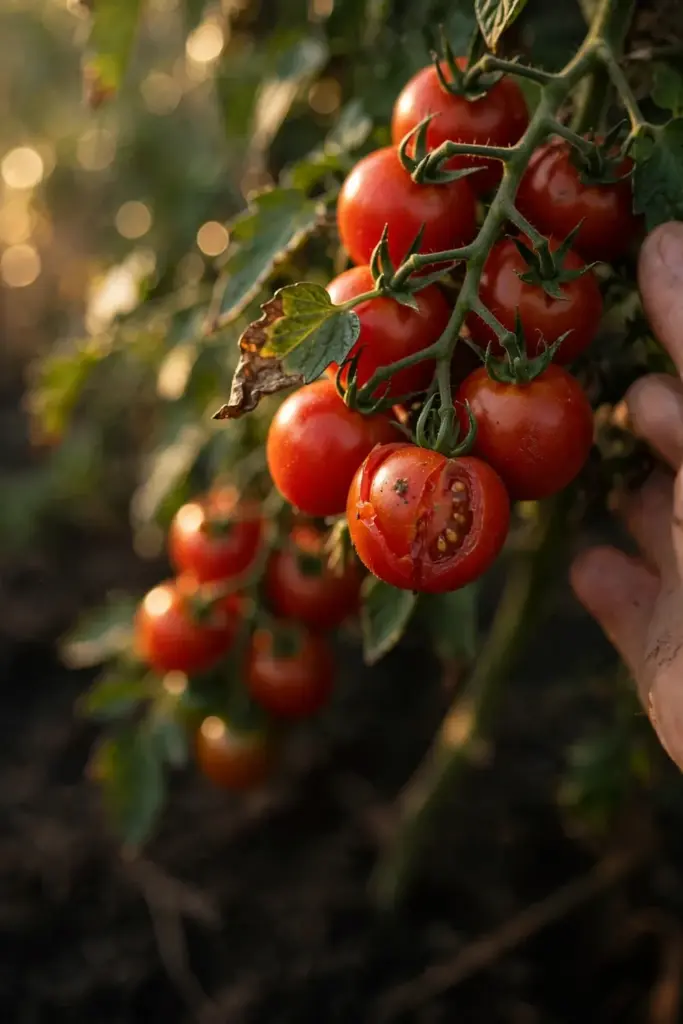
Choose your varieties for the season you are actually planting into. Early-maturing and determinate types finish before the first frost arrives, which makes them safer bets than 90-day beefsteaks for a fall crop. Small-fruited types like cherry and grape tomatoes set fruit more reliably in lingering heat than large slicers. Give fall tomatoes the sunniest bed you have; the days are shortening, and every hour of light counts toward ripening.
| Crop | Transplant window | Days to harvest | Zone-9 note |
|---|---|---|---|
| Tomatoes | July to August | 60 to 80 from transplant | Early and determinate types finish before first frost; cherry types set best in heat |
| Peppers | July to September | 60 to 80 from transplant | UF/IFAS fall windows run July to August in North Florida, August to September in Central, August to February in South |
| Eggplant | July to August | 75 to 90 from transplant | Needs the longest runway; transplant early and do not prune late |
Peppers deserve special attention because their window is the most forgiving of the three. According to the UF/IFAS Florida Vegetable Gardening Guide, fall pepper planting runs July through August in North Florida, August through September in Central Florida, and August through February in South Florida. That South Florida window means peppers are practically a cool-season crop at the warm edge of the zone. Bell peppers want steady moisture while sizing up; hot winds in September can drop blossoms, so mulch deeply and water consistently.
Start these crops from seed 6 weeks before transplanting, which means June and July seed starting for a July and August move to the garden. UF/IFAS’s Central Florida fall gardening guidance notes that tomatoes, peppers, and eggplant take about 6 weeks to grow from seed to transplant size. If June seed starting sounds brutal, buy transplants. A stocky nursery transplant in July beats a leggy windowsill seedling every time.
4. The October Cool-Season Wave: Greens and Roots
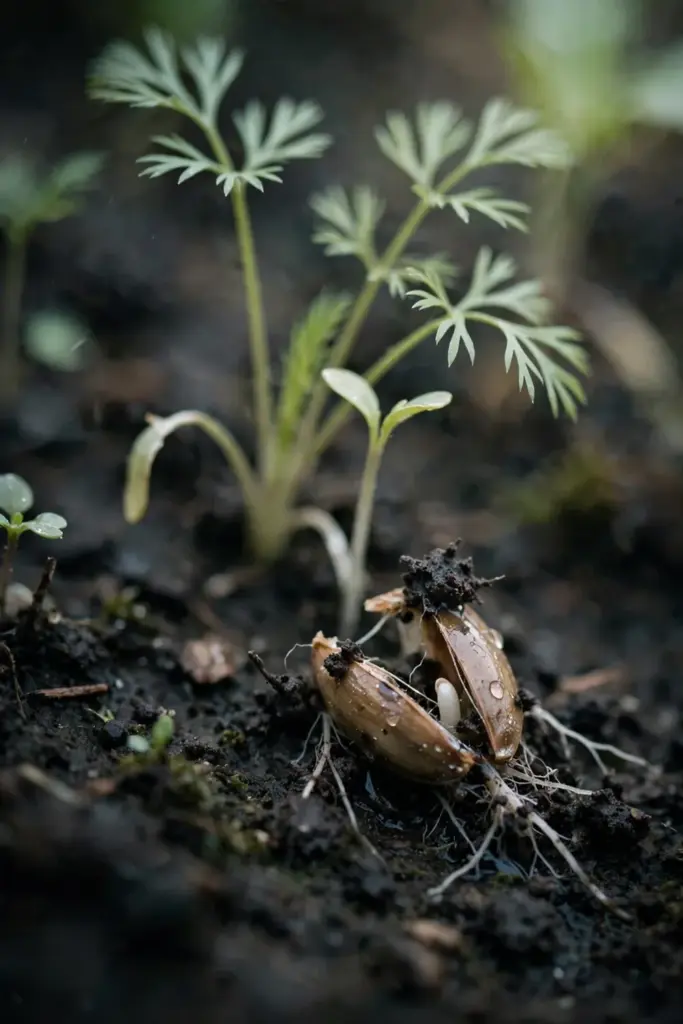
October is when zone 9 finally feels like fall, and it is the month the cool-season garden goes in. UF/IFAS’s Central Florida guidance sets the date precisely: on or after October 15, transplant cool-season seedlings and direct sow the root and green crops, with seeds started about four weeks earlier in mid-September. That October 15 line is the zone-9 equivalent of the frost-date math colder zones live by. It is not about frost. It is about soil that has finally cooled enough for everything to germinate.
| Crop | Sow or transplant window | Days to maturity | Zone-9 note |
|---|---|---|---|
| Carrots | October to December | 65 to 80 | Sow shallow and keep the surface damp; germination is slow in still-warm soil |
| Beets | October to December | 50 to 65 | Thin to 3 inches; crowded beets stay small |
| Radishes | October to December | 20 to 30 | The fastest fall crop; succession sow every 2 weeks |
| Lettuce, all types | October to December | 50 to 90 | Shade new sowings if October runs hot |
| Spinach | October to November | 80 to 110 in Florida tables | Needs cool soil; the last of the wave, not the first |
| Mustard | October to November | 40 to 60 | Tolerates more heat than lettuce at sowing |
| Green beans | October | 50 to 60 | Last chance; plant early in the month |
| Sweet peas (flowers) | October | 75 to 90 | Sow where they will climb; they bloom in late winter |
Days-to-maturity figures follow UF/IFAS’s Central Florida planting tables, which list the full range for each crop. The October wave is also when succession planting pays hardest. Beans, radishes, and lettuce sown in small batches two to three weeks apart give you continuous harvests instead of one glut, and in zone 9 the season is long enough for four or five rounds of the fast crops.
Water is the make-or-break input for October sowings. Fall air feels cool enough to fool you, but October can be one of the drier months, and seeds sitting in dry soil do not germinate no matter how perfect the temperature is. Water new sowings daily until they emerge, then shift to deep watering that pushes roots down. Drip lines or soaker hoses beat overhead watering because wet foliage in warm fall nights invites the fungal diseases that thrive in zone 9. The vegetable picks in fall vegetables to plant rate each crop’s heat and cold tolerance if you are choosing between varieties.
5. Bulbs, Garlic, and Onions: The Chill-Required Group
Warm winters complicate the crops that need cold to perform. Spring bulbs are the classic case: tulips and hyacinths need 8 to 10 weeks of chilling before they will bloom properly, and a zone-9 winter does not provide it. The fix is the refrigerator. Bag the bulbs in breathable mesh, chill them for 8 to 10 weeks, and plant them in December or January for spring flowers. Daffodils are more forgiving; low-chill varieties naturalize in zone 9a and return for years, which makes them the better bulb investment where winters stay mild.
| Crop | Zone-9 handling | Timing | Note |
|---|---|---|---|
| Tulips and hyacinths | Pre-chill 8 to 10 weeks in the refrigerator | Plant December to January | No chill means foliage with no flowers |
| Daffodils, low-chill types | No pre-chill needed in 9a | Plant October to November | Naturalize and return for years; the best zone-9 bulb bet |
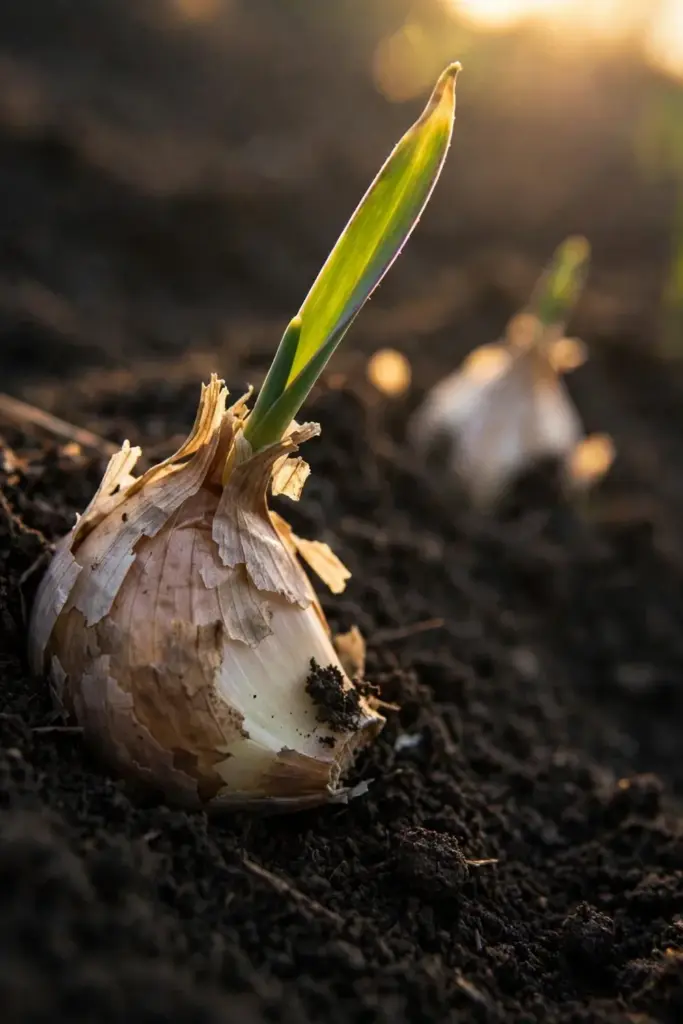
| Garlic, softneck | No vernalization needed; avoid hardneck types | Plant October to December | Texas A&M lists October, November, and December by region from north to south |
| Onions, bulbing | Short-day varieties only | Sets in late November | UF/IFAS sets the Central Florida onion date at the last week of November |
| Shallots | Like garlic, mild-winter types | Plant October to November | Divide and replant the largest bulbs each year |
Garlic in zone 9 is a different crop than garlic in zone 6. Hardneck varieties need sustained winter cold to form bulbs, which zone 9 cannot reliably deliver. Softneck varieties have no such requirement and are the warm-climate default. Texas A&M’s regional table staggers garlic planting from October in the north to December in the south, which tells you the principle. Plant when the soil has cooled, not by the calendar. Set cloves pointed-end up, 2 inches deep, and mulch lightly; heavy winter mulch is unnecessary where the ground never freezes.
Onions follow the same day-length logic. Only short-day varieties bulb properly in zone 9’s short winter days; long-day types bred for northern summers will grow tops and never bulb. UF/IFAS recommends planting onion sets during the last week of November in Central Florida. That late date surprises northern gardeners, but in zone 9 the onion’s job is to grow through the mild winter and bulb as days lengthen in spring. The bulb picks in bulbs to plant in fall cover the ornamental side if you are choosing between daffodil varieties.
6. Flowers and Perennials for Fall Planting
Fall is the best flower-planting season in zone 9, and the reason is the same heat gate that governs vegetables. Texas A&M horticulturist Larry Stein’s fall guidance carries one blunt instruction: resist the urge to plant flowers until the weather cools. Annuals set out early enough in fall bloom by Thanksgiving in Central, East, and South Texas and frequently last until Memorial Day. That is a six-month flower season from a single fall planting, which no spring planting can match.
| Type | Plant window | Bloom window | Zone-9 note |
|---|---|---|---|
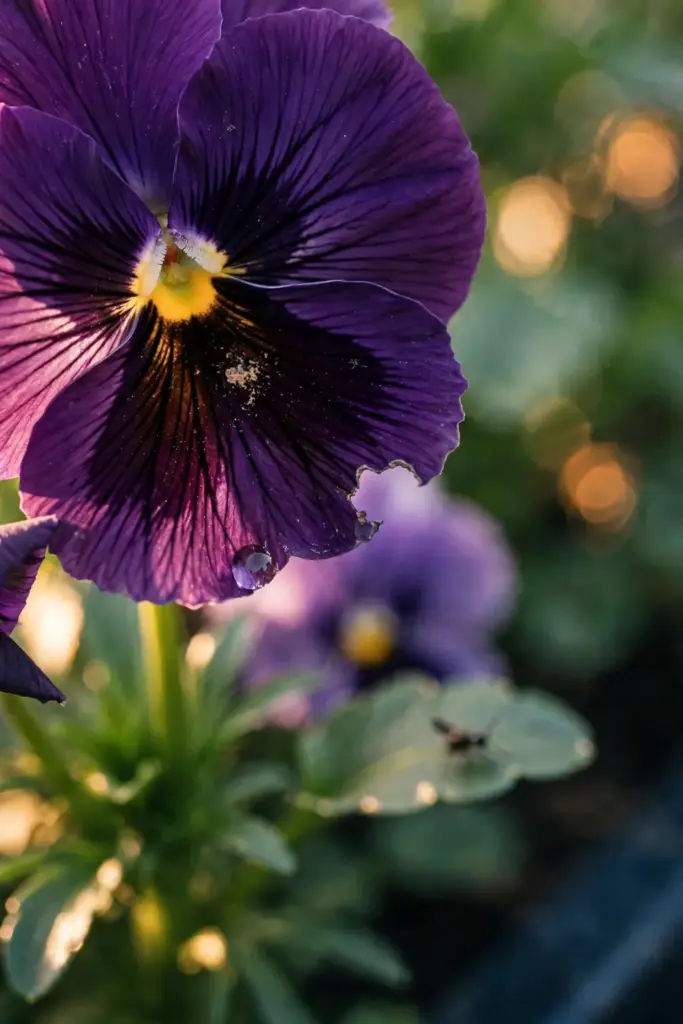
| Pansies and violas | October to November | November to May | The classic zone-9 winter annual; plant after nights cool |
| Petunias and calendulas | October | November to May | Bloom by Thanksgiving in Texas when planted early enough |
| Sweet peas | October to November | February to April | Sow where they will climb; fragrant late-winter flowers |
| Larkspur and poppies | October to November | March to May | Biennials and reseeding annuals; sow directly, they dislike transplanting |
| Snapdragons | October to November | December to April | Treat as cool-season annuals; peak in late winter |
| Perennials, container-grown | October to November | Varies; established by spring | Fall planting avoids summer transplant shock entirely |
Perennials deserve emphasis because zone 9 flips the conventional advice. In cold zones, fall perennial planting is a race against frozen ground. In zone 9, fall is the ideal perennial planting season: the soil is warm enough for fast root growth, the air is cool enough that transplants never wilt, and winter rain does the watering. Native perennials planted in fall establish through winter and face their first summer with deep roots, which is the entire game in a hot climate.
Cool-season herbs belong in this wave too. Cilantro, parsley, dill, and fennel all bolt in zone-9 heat but thrive from October through spring. Plant them with the flowers; they share the same calendar. Warm-season herbs like basil keep producing until the first cold snap, so let them finish while the new plantings establish. The perennial picks in fall blooming perennials narrow the choices if you want flowers that return every year rather than annuals you replant.
7. Zone 9a vs 9b: Read Your Own Yard
The USDA draws the zone-9 line at average annual minimum temperatures of 20 to 30 degrees Fahrenheit, with 9a on the colder half at 20 to 25 degrees and 9b on the milder half at 25 to 30 degrees. In fall terms, that split shows up as a difference in first frost: much of 9a sees frost in late November, much of 9b not until mid-December, and the warmest 9b pockets may go years without a freeze at all. Know which gardener you are before trusting any planting table, including the ones above.
| Zone-9 pocket | Typical first-frost window | What it means |
|---|---|---|
| Zone 9a, inland or low-lying | Late November | Tender crops need row cover on a handful of nights; plant tender fall crops at the early end of each window |
| Zone 9a, average sites | Late November to early December | A few frost nights per winter; keep frost cloth handy from Thanksgiving on |
| Zone 9b, average sites | Mid-December | Frost is rare; most winters need no protection at all |
| Zone 9b, coastal or urban | May never freeze | Treat winter as a cool growing season; grow lettuce and carrots straight through |
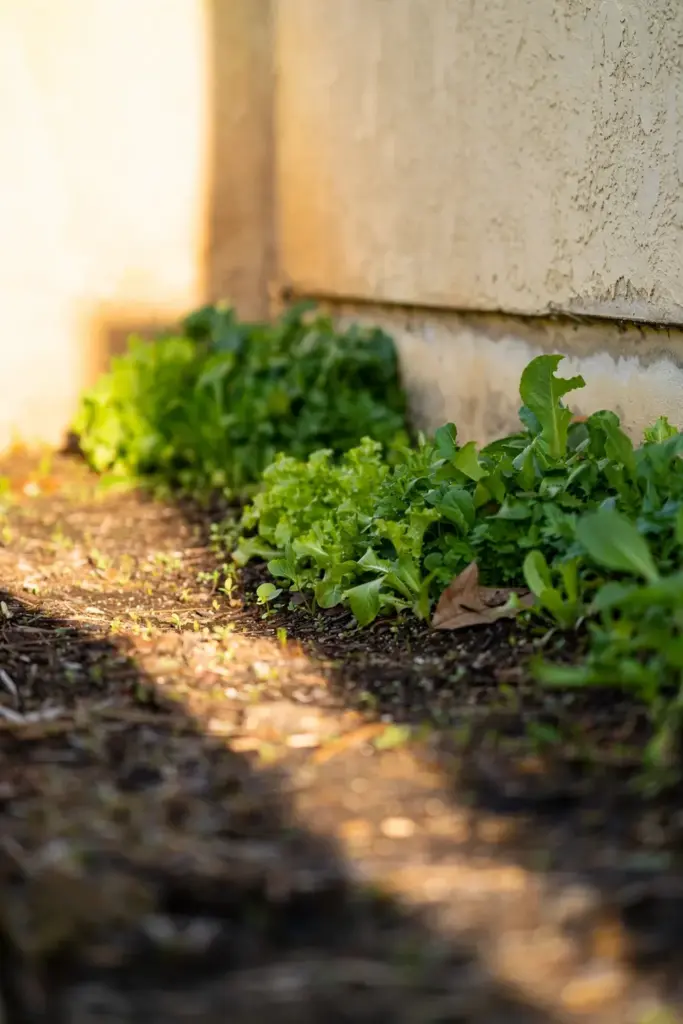
Microclimates matter as much in zone 9 as anywhere, just in the other direction. Cold air drains downhill and pools in low spots, so a garden at the bottom of a slope frosts first. Urban lots run warmer than rural ones; concrete and buildings radiate stored heat all night, which can carry a 9b garden through a marginal freeze untouched. South-facing walls extend the warm-season crop harvest by weeks. Walk your yard on the first cold morning of the year and note where the frost lands; that map is worth more than any zone chart.
Rain patterns split zone 9 too. Florida’s dry season runs through winter, which means fall-planted crops need irrigation even as temperatures turn perfect. Texas fall can swing from drought to deluge. Mediterranean-climate zone 9 in California gets its rain in winter, which suits the cool-season garden beautifully. Match your watering to your region’s pattern, not to a national guide’s assumptions.
8. Mistakes Zone 9 Gardeners Make Every Fall
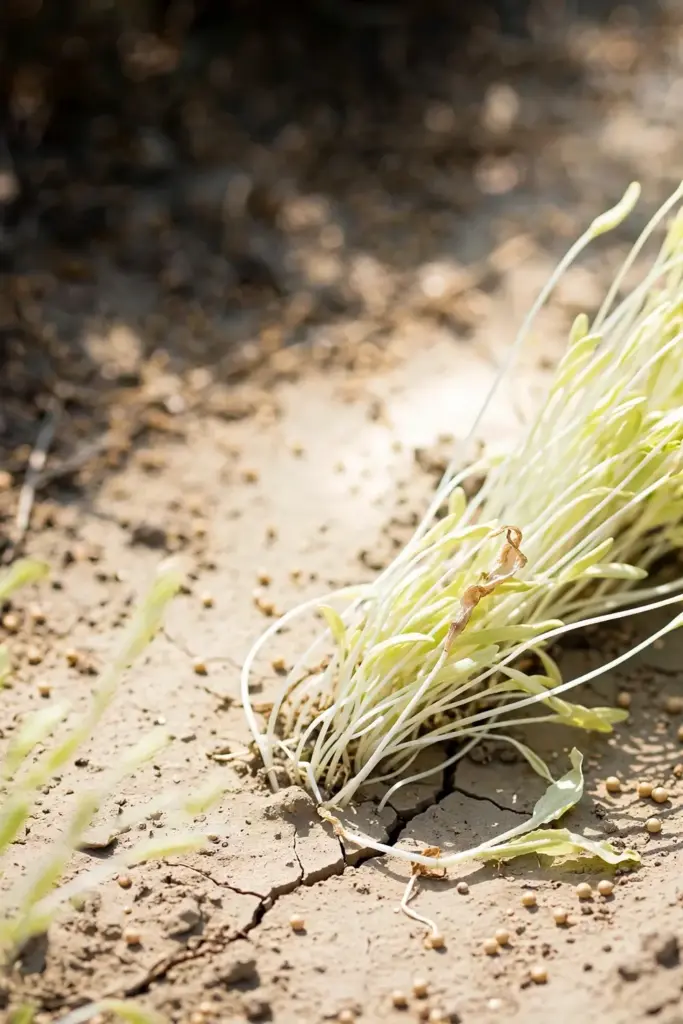
Planting cool-season seed into August heat and blaming the seed. Lettuce and spinach go dormant in hot soil; the packet was not defective. Wait for nights in the 70s, shade the bed, or pre-chill the seed in the refrigerator for two days before sowing. The seed was fine. The soil was the problem.
| Mistake | What happens | The fix |
|---|---|---|
| Sowing lettuce and spinach in hot September soil | Thermodormancy; seed sits until it rots | Wait for 70-degree nights or shade the bed for a week after sowing |
| Transplanting fall tomatoes in October | Plants never establish before frost; no fruit | Transplant July to August so roots and flowers develop ahead of cooling nights |
| Feeding fall crops like it is spring | Soft, leggy growth that pests love and cold damages | Go light on nitrogen; fall crops need steadier, leaner feeding |
| Skipping water because the air feels cool | Seeds fail to germinate; transplants stall | Water daily until emergence, then deeply; October can be dry |
| Planting tulips without chilling | Foliage emerges, flowers never form | Pre-chill 8 to 10 weeks in the refrigerator before planting |
| Planting hardneck garlic | Bulbs never form without sustained cold | Grow softneck varieties; they need no vernalization |
| Planting flowers in September heat | Transplants wilt and stall for weeks | Wait until the weather cools, per the October flower wave |
Forgetting the chill requirement is the most zone-9-specific mistake on the list, and it applies beyond bulbs. Some fruit trees, garlic types, and even certain seeds need winter cold the zone cannot provide. Check the chill requirement before you buy, not after you plant. Warm-climate gardening is largely the art of matching the plant to the winter you actually have.
Starting too many things at once is the quiet mistake. September enthusiasm plus a long season equals an overplanted garden that nobody can water, thin, or harvest. Plant the first wave, get it established, then plant the second. The season is long enough for succession; it does not require everything on day one.
Frequently Asked Questions
When Should I Start Fall Planting in Zone 9?
September, once the heat breaks. Plant heat-loving crops like beans and cucumbers in early September, transplant fall tomatoes, peppers, and eggplant from July through August, and save the cool-season wave of lettuce, carrots, and greens for October, when UF/IFAS sets the Central Florida start date at October 15. Soil temperature matters more than the calendar: wait for nights in the 70s.
Can I Plant Tomatoes in the Fall in Zone 9?
Yes. Transplant fall tomatoes in July to August so they establish roots and begin flowering before nights cool. Choose early-maturing or determinate varieties and small-fruited types, which set fruit more reliably in lingering heat. Expect harvest from October through the first frost. Transplanting in October is too late; the plants will not establish in time.
Do I Need Frost Protection in Zone 9?
Sometimes, in 9a. Inland zone-9a gardens see frost in late November and should keep floating row cover ready for a handful of nights; it buys a few degrees, which is all a marginal freeze needs. Zone 9b gardens rarely need protection, and coastal 9b may never freeze. Water beds before a forecast frost; moist soil releases stored daytime heat overnight.
What Vegetables Grow Through Winter in Zone 9?
Kale, collards, Swiss chard, lettuce, spinach, carrots, beets, radishes, turnips, and short-day onions all grow through zone-9 winters, with the hardiest greens surviving into the mid-20s. In 9b, the garden barely pauses; succession sowings from October through December keep harvests continuous. Garlic and onions planted in fall bulb in spring.
Do Flower Bulbs Need Chilling in Zone 9?
Tulips and hyacinths do. They need 8 to 10 weeks of pre-chilling in the refrigerator before planting in December or January, or you will get foliage with no flowers. Daffodils are the easier choice: low-chill varieties need no pre-chilling in zone 9a and naturalize, returning for years. In 9b, stick with daffodils and warm-climate bulbs.
What Kind of Garlic Grows in Zone 9?
Softneck garlic. Hardneck varieties need sustained winter cold to form bulbs, which zone 9 cannot reliably provide. Plant softneck cloves from October to December, timed to your part of the zone, pointed end up and 2 inches deep. Short-day onion varieties follow the same logic: match the variety to the short winter days or the bulbs will not form.








