
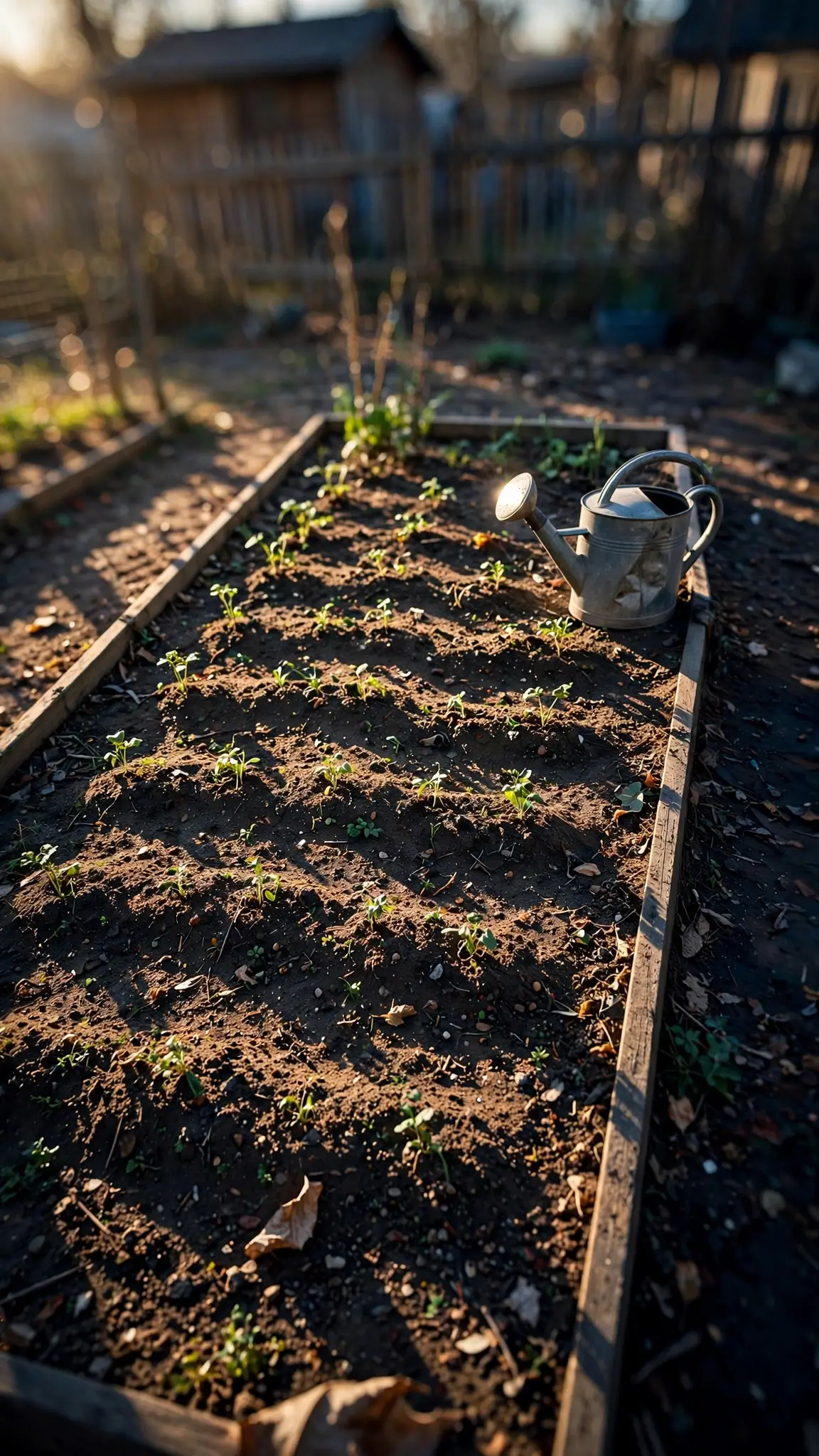

Find your average first frost date, then count backward. Take the days to maturity on the seed packet, add 10 to 14 days for the fall factor, and subtract that total from your frost date. The answer is your sowing day. A 60-day carrot sown 74 days before a October 30 frost goes in the ground on August 17.
That one subtraction answers when to start a fall garden for every crop you grow. North Carolina State Extension teaches the same count-back method: start with the days to maturity on the packet and count backward from the average first frost date, planting slow crops in early August and fast ones into September in a county where the first frost lands around October 30.
The fall gardening tips pillar covers all 26 fall tasks, the fall planting calendar gives the month-by-month and zone-by-zone reference, and the fall garden planting schedule turns these dates into a week-by-week execution plan. Here: frost-date math, crop-by-crop start dates, and zone windows.
The Count-Back Formula in One Table
| Crop group | Weeks before first frost | Start method |
|---|---|---|
| Brassicas from seed (broccoli, cabbage, cauliflower) | 12 to 14 | Sow indoors, transplant out |
| Kale, collards, mustard greens | 10 to 12 | Sow indoors or direct |
| Beets, carrots, turnips | 10 | Direct sow |
| Bush beans, peas | 8 to 10 | Direct sow |
| Lettuce, spinach, arugula | 6 to 8 | Direct sow |
| Radishes | 4 to 6 | Direct sow |
| Garlic | 2 to 4 | Plant cloves |
Work the table backward from your own frost date. A gardener in Zone 6 with an October 15 frost starts broccoli indoors around July 15. A gardener in Zone 8b with a November 25 frost starts the same broccoli in late August. Same crop, six weeks apart. The frost date is the only variable that matters.
1 Start Broccoli, Cabbage, and Cauliflower Seeds Indoors 12 to 14 Weeks Out
Brassicas need the longest runway of any fall crop, and they hate germinating in hot soil. Sow them indoors 12 to 14 weeks before your first frost, where you control temperature and moisture. In Delaware trials, broccoli transplants go out July 15 through August 20 and cabbage transplants July 1 through August 20, which means the seeds that become those transplants start 3 to 6 weeks earlier indoors, according to the University of Delaware fall planting windows.
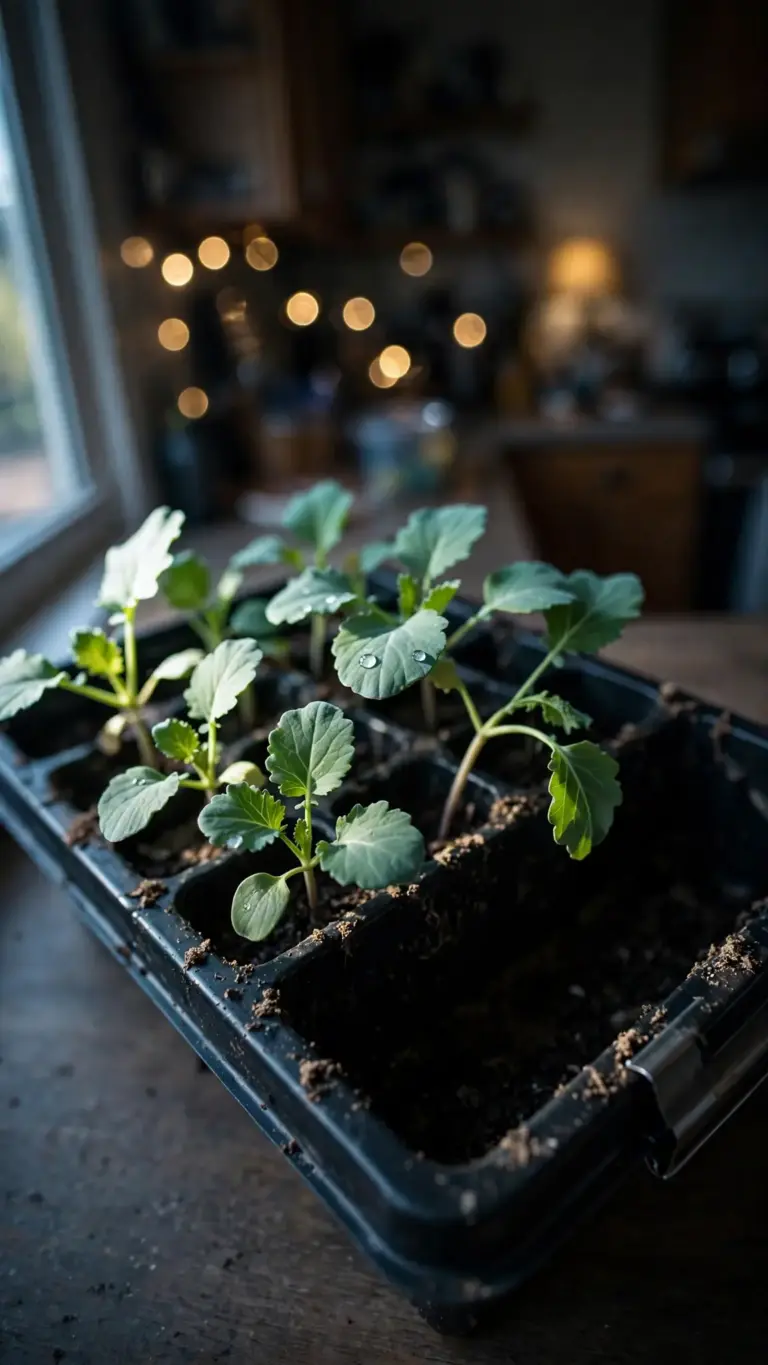
Give seedlings 4 to 6 true leaves before they move outside, then harden them off for a week. A broccoli transplant set out too small stalls in August heat and never forms a head. A transplant set out too late runs into frost before the head fills. Count the indoor weeks on the calendar the day you sow, not the day you wish you had. Choose varieties under 70 days like Belstar or Imperial for fall; long-season 90-day types belong to spring. Side-dress with a nitrogen fertilizer when heads begin to form, and watch for buttoning, where heat stress makes tiny premature heads. Buttoned plants never recover, so shade cloth during a heat wave is cheap insurance.
2 Sow Kale, Collards, and Mustard Greens 10 to 12 Weeks Before Frost
Leafy brassicas forgive more than heading brassicas. Sow kale, collards, and mustard 10 to 12 weeks before the first frost, either indoors for transplants or directly in a shaded bed. Kale transplants in Delaware go out July 15 through August 30, a six-week window that absorbs most scheduling mistakes.
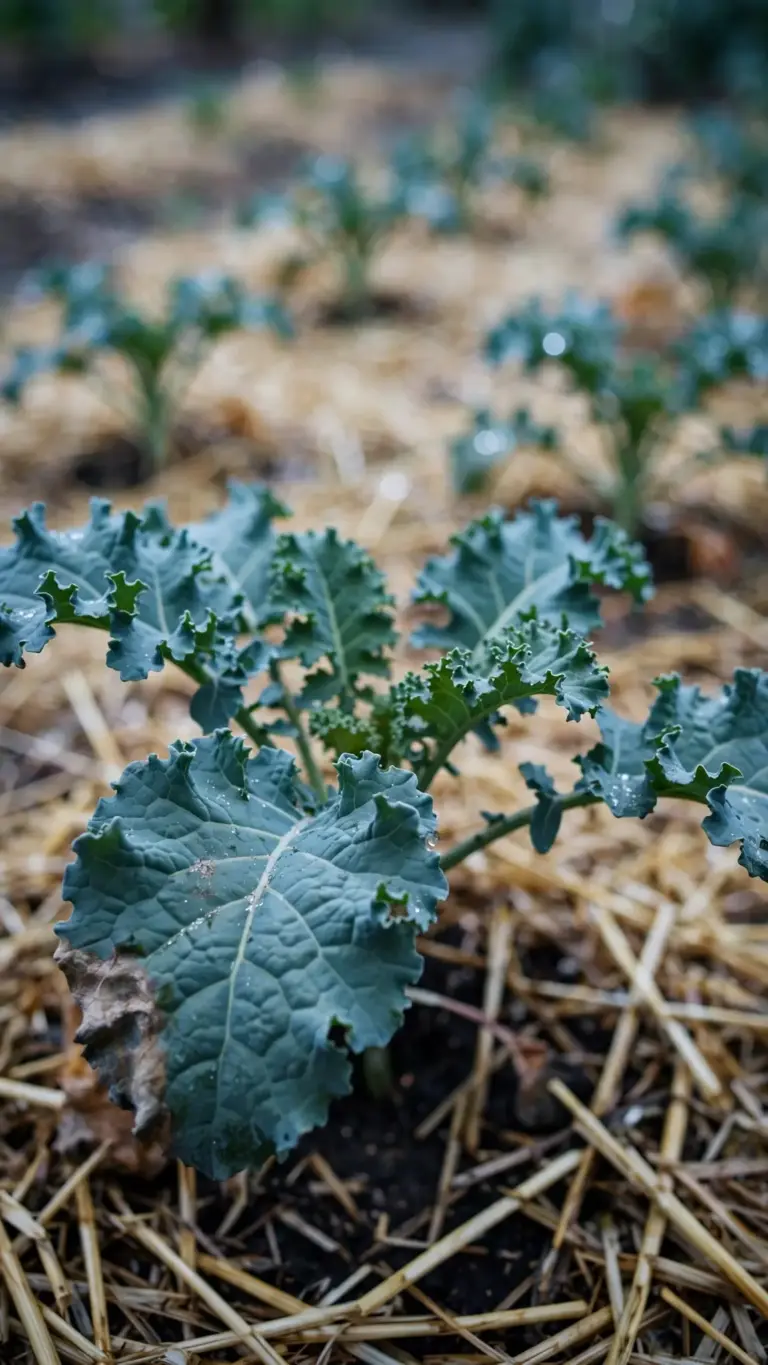
These are the crops that sweeten after frost. Starch converts to sugar as nights cool, so kale picked in November tastes better than kale picked in September. Skip the spring habit of pulling them at first frost. Mulch the crowns with 8 cm of shredded leaves and keep picking into December in Zones 6 and warmer. Space plants 30 to 45 cm apart; crowded kale traps humidity and invites aphids. Cover new seedlings with row cover fabric at sowing to block flea beetles, which chew shot-holes through cotyledons in August and set the planting back two weeks.
3 Direct Sow Beets and Turnips 10 Weeks Out
Beets and turnips want 10 weeks from seed to harvest, and both germinate best when soil has cooled below 29 C. In Wayne County, North Carolina, the recommended beet window is August 1 through 15, with turnips August 20 through September 15, per N.C. Cooperative Extension’s Wayne County planting windows.
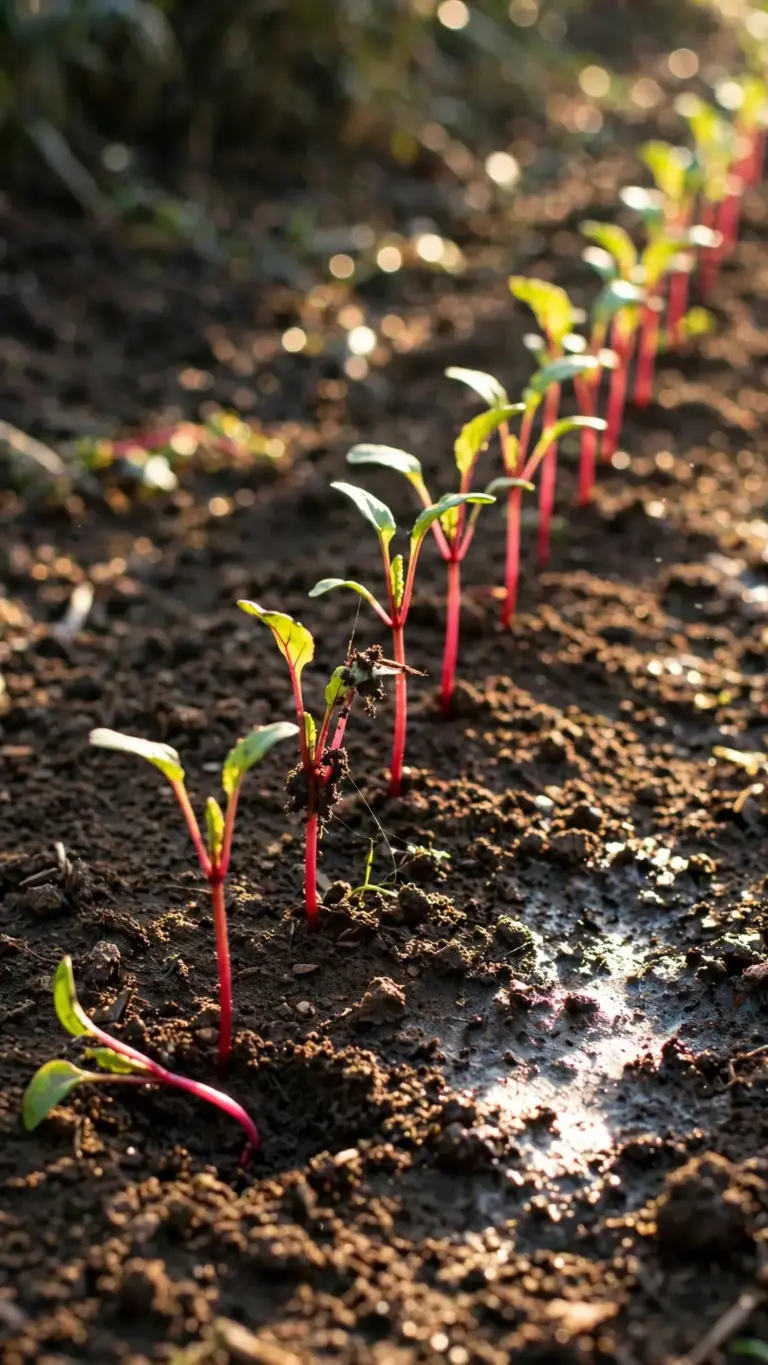
Sow beet seeds 2 cm deep and thin to 8 cm apart once seedlings stand. Crowded beets make tops and no roots. Turnips need less thinning but more water: a dry September turns turnip roots woody and hot. Water the row deeply once a week if rain skips you, and the roots stay mild and crisp. Keep soil pH between 6.0 and 6.8 for beets. Black sunken spots inside the root mean boron deficiency, common in sandy soils; a teaspoon of borax dissolved in 4 liters of water per 10 square meters corrects it for the season.
4 Sow Carrots 10 to 12 Weeks Before the First Freeze
Carrots punish late sowers. They need 10 to 12 weeks, and germination slows to a crawl once soil drops below 15 C. In Wayne County the carrot window is August 1 through 15, the same early slot as beets.
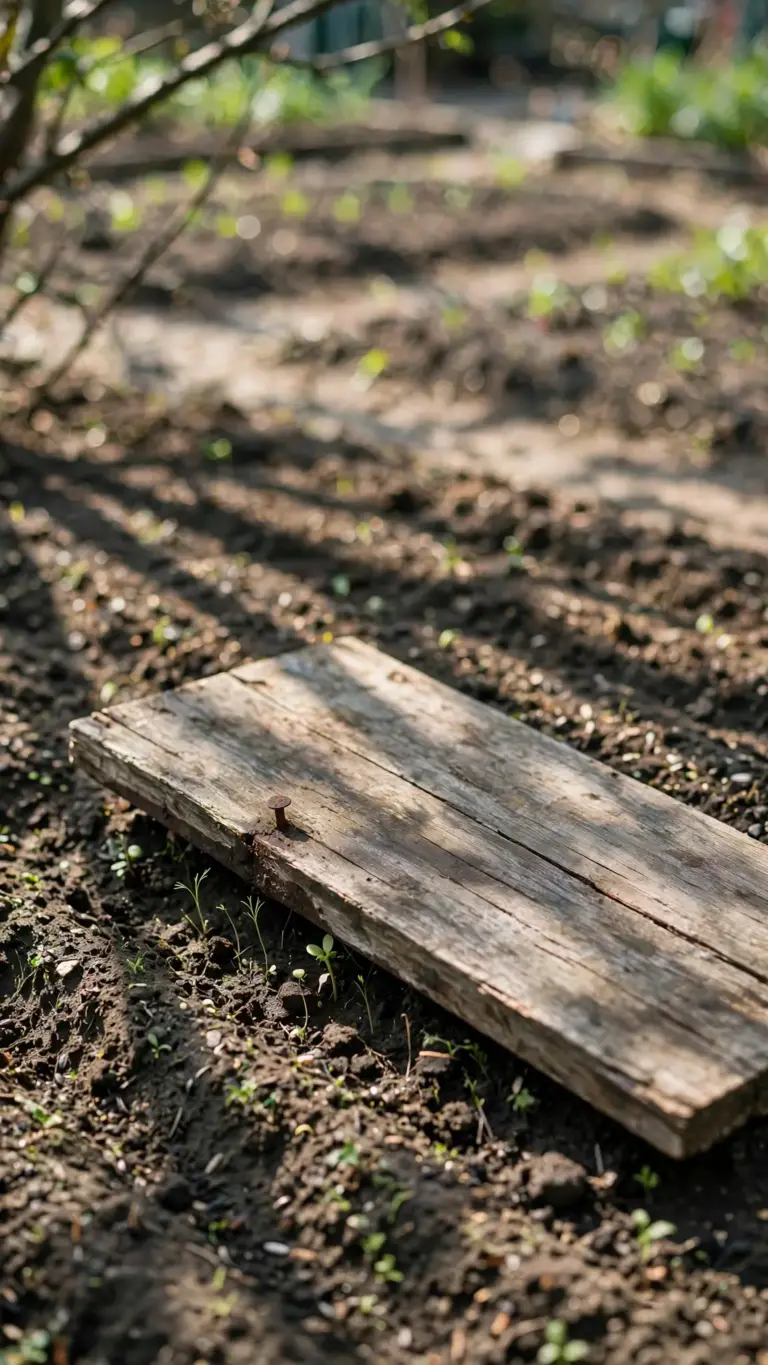
Keep the seedbed evenly moist for the full 2 to 3 week germination. A board laid over the row holds moisture and blocks the August sun; lift it at the first green thread. Carrots left in the ground after a light frost taste sweeter, so plan the harvest for after the first cold nights, not before. Pull them before the ground freezes solid or the tops will snap off in your hand. Thin seedlings to 5 cm apart once they stand 8 cm tall. Forked and stubby roots come from rocky soil or fresh manure; work the bed 25 cm deep and use only finished compost.
5 Plant Bush Beans 8 to 10 Weeks Before Frost
Bush beans are the fastest warm-season crop worth planting for fall. They need 50 to 60 days, and Delaware lists the snap bean window as July 10 through August 10. Past that date the math stops working: flowers that open after the first frost never become pods.
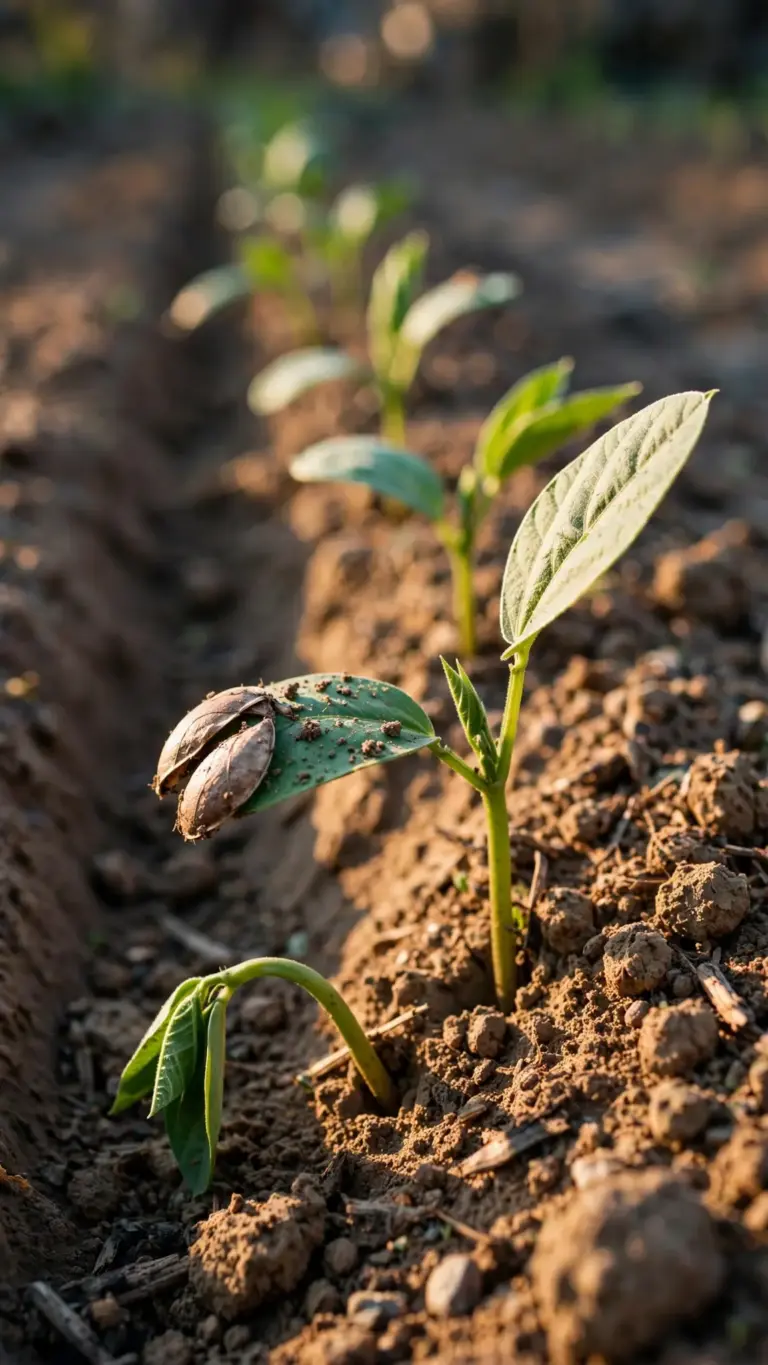
Sow beans 3 cm deep in soil above 18 C. They fix their own nitrogen, so skip the fertilizer and spend the effort on water instead. Pick every two days once pods form. A bean left on the plant signals the plant to stop flowering, and in a short fall season that signal costs you the last picking. Choose bush varieties listed at 50 to 60 days; pole beans need too long for most fall windows. If flowers open during a heat wave above 32 C and drop without setting pods, the planting is finished. Pull it and sow radishes in the space.
6 Sow Lettuce, Spinach, and Arugula 6 to 8 Weeks Out
Fast greens are the fallback crop of the fall garden. Six to 8 weeks before frost is their slot, and they tolerate the light frosts that kill beans outright. Wayne County puts lettuce at September 1 through 15 and spinach August 25 through September 15.
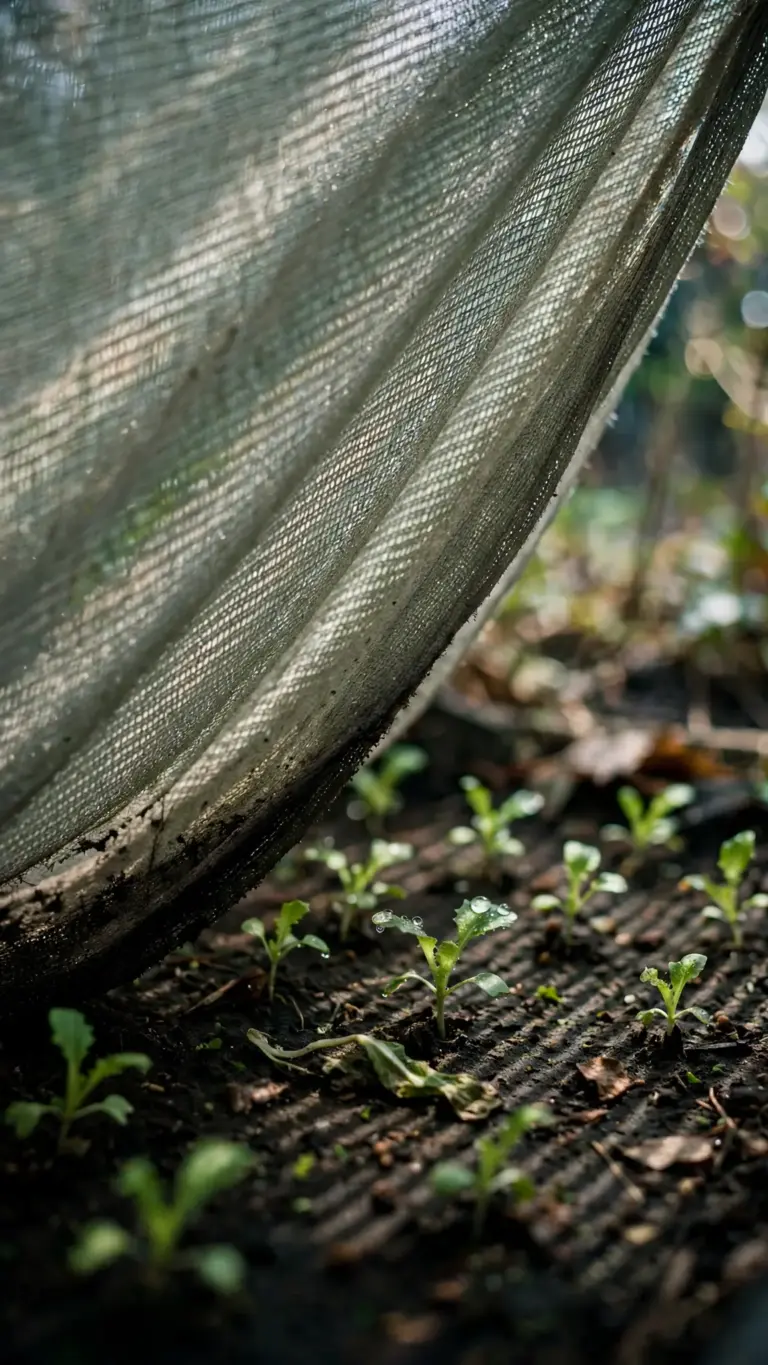
Watch soil temperature at sowing. Lettuce and spinach will not germinate if the soil is over 29 C, so sow in the cool of evening, water the row first, and mulch lightly to hold the cool. Shade cloth over the bed for the first week drops germination failure to near zero. Arugula germinates in heat that stops lettuce, so sow it first and lettuce a week later. Harvest lettuce as cut-and-come-again: take outer leaves and leave the crown, and one sowing yields for a month. Brown leaf edges mean tip burn from fast growth outrunning calcium uptake; steady watering prevents it.
7 Direct Sow Radishes 4 to 6 Weeks Before the First Frost
Radishes are the shortest bet in the garden: 25 to 35 days from seed to crunch, so sowing four to 6 weeks before frost leaves margin for a slow week. Wayne County lists August 25 through September 15.
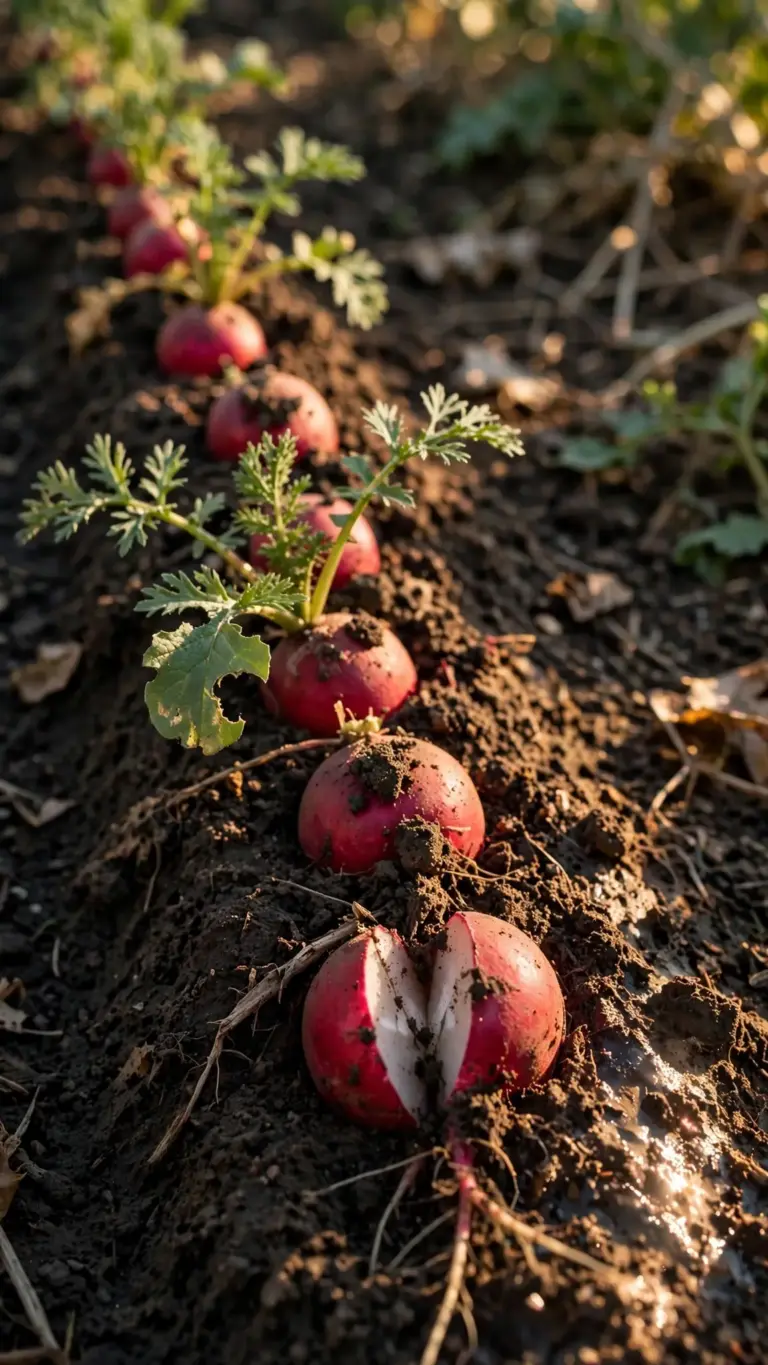
Sow a 30 cm row every 10 days until the window closes. Pull them at 3 cm diameter, because radishes do not improve with age; an oversized one turns pithy and hot. If a hard freeze is forecast, pull the whole row and store the roots in damp sand in a cool garage, where they keep for weeks. French Breakfast types suit fall better than globe types because they size up fast in cool soil. A radish that turns pithy in September was sown into soil still too warm; wait for night temperatures under 18 C before the next sowing.
8 Plant Garlic 2 to 4 Weeks Before the Ground Freezes
Garlic breaks every rule here because it overwinters. Plant cloves 2 to 4 weeks before the ground freezes, which is late September in Zone 5 and November in Zone 8. The clove roots in fall, sleeps through winter, and surges in spring.
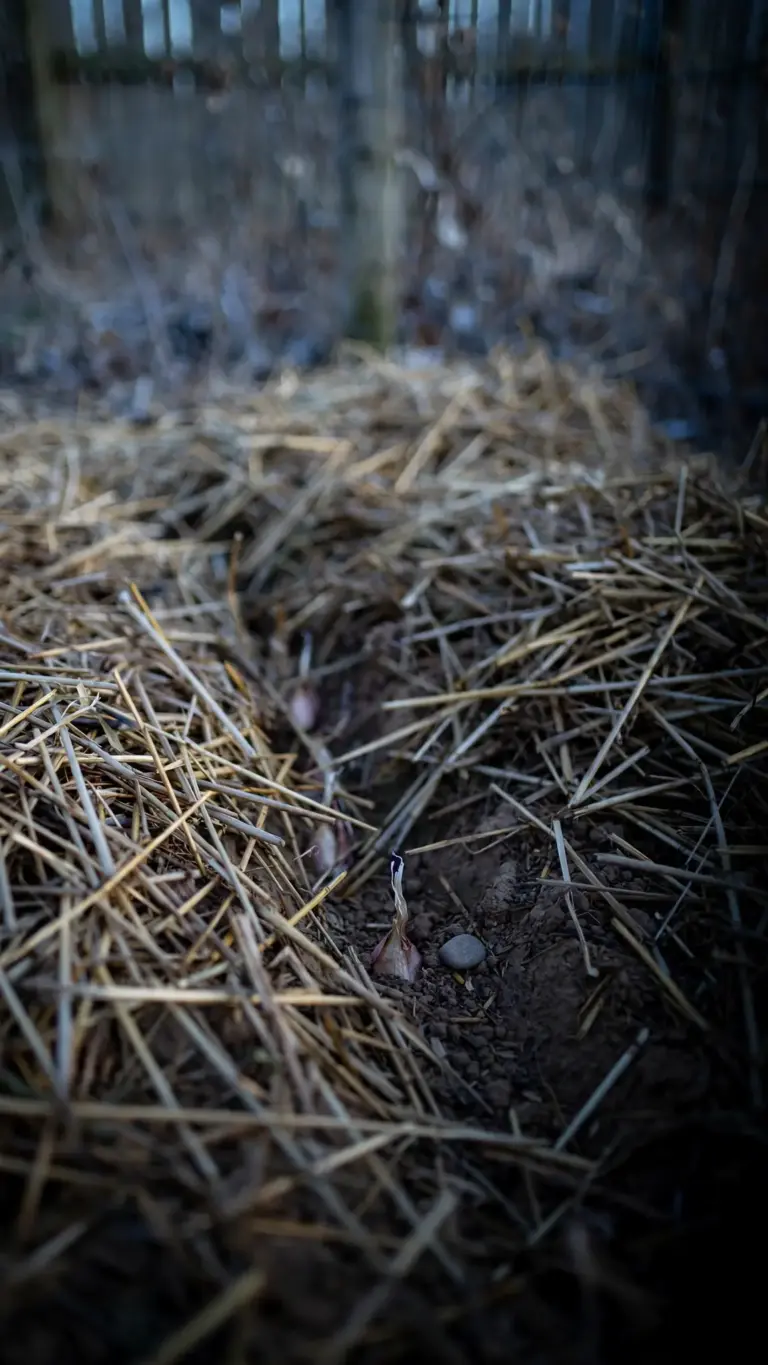
Plant each clove 5 cm deep, pointed end up, 15 cm apart. Mulch 10 cm deep with straw after planting. A garlic bed planted too early grows tall tops that winter-kill; a bed planted too late never roots and heaves out of the ground in freeze-thaw cycles. The 2 to 4 week window is the whole game. Grow hardneck varieties in Zones 3 through 6 and softneck in Zone 7 and warmer; the wrong type in the wrong zone makes small bulbs. Never plant cloves from grocery store heads, which can carry white rot into clean soil for years.
9 Set Out Onion and Leek Transplants for Overwintering
Overwintering onions go in as transplants in early fall and sit nearly dormant until spring. For transplants generally, seed 3 to 6 weeks before the target set-out date, and give leeks and onions a full 8 weeks indoors, per Delaware’s transplant timing guidance.
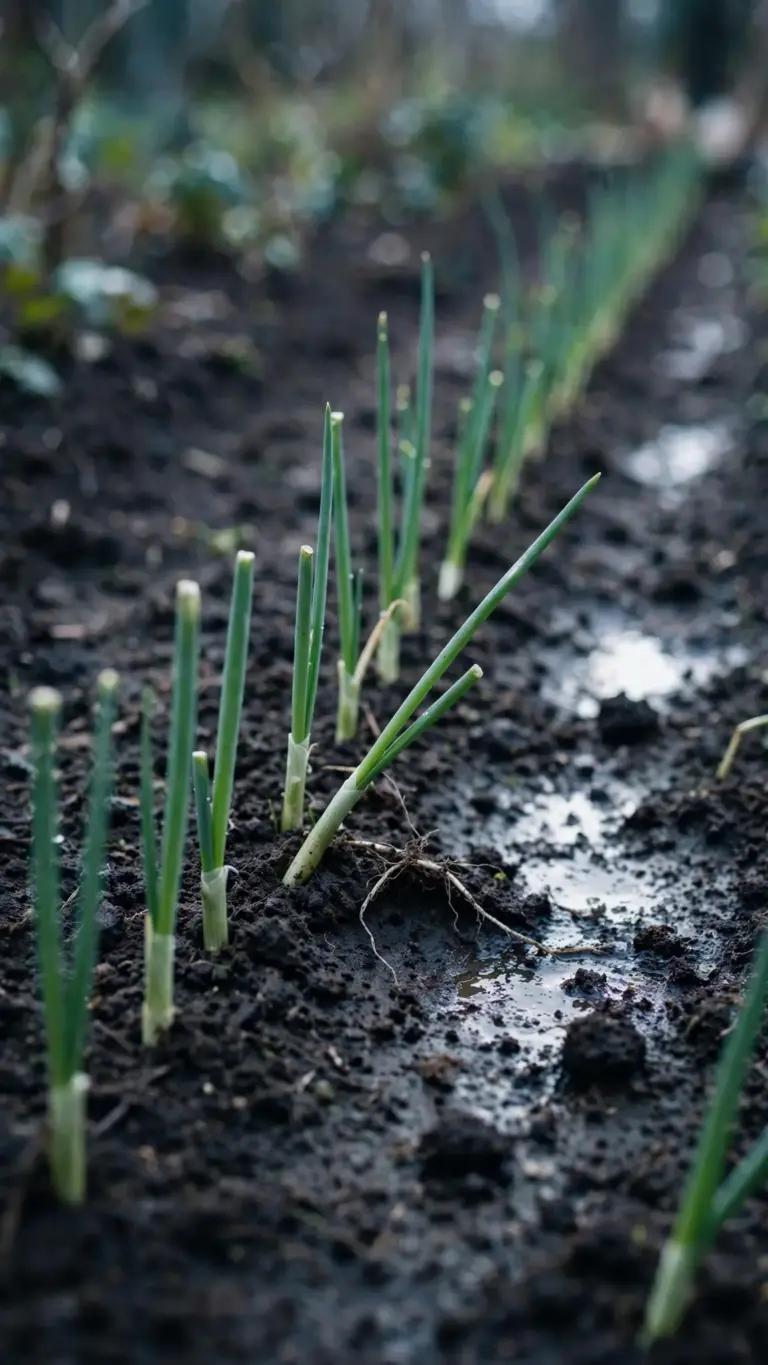
Choose intermediate-day varieties for Zones 6 and 7 and short-day varieties for Zones 8 and warmer. Long-day onions bulb in response to 14-hour days and will never size up in the South. Set transplants 2 cm deep, no deeper. Onions planted too deep make thick necks that refuse to cure. Hold back nitrogen after mid-spring; late nitrogen feeds tops at the expense of bulbs and guarantees thick necks at harvest. Cure harvested bulbs 2 weeks in a dry, airy spot before braiding or bagging.
10 Sow Peas for One Last Picking
Peas need 50 to 70 days and fading light slows them, so sow 10 weeks before frost at the latest. They germinate poorly above 24 C soil, which makes them a September crop in most zones, not an August one.
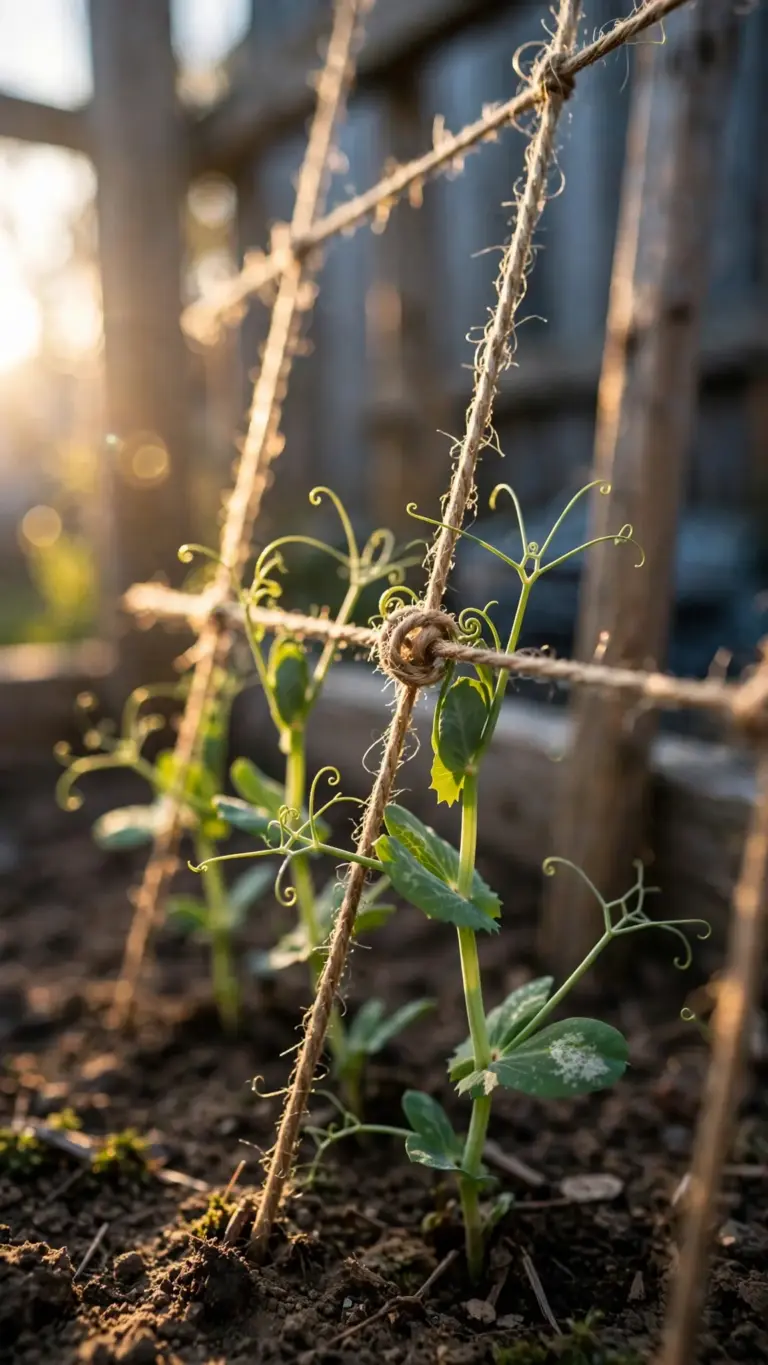
Inoculate the seed with rhizobium bacteria if peas have never grown in that bed. The bacteria fix nitrogen the peas then use, and uninoculated fall peas in new beds grow pale and stunted. Trellis even the bush types. Airflow around the vines cuts the mildew that explodes in damp October weather. Pick pods young; peas left to swell turn starchy within days. Powdery mildew that coats the leaves in October is cosmetic on a crop nearly finished, so keep picking and ignore it.
11 Start Cilantro, Dill, and Parsley in Late Summer
Cilantro bolts in heat and thrives in cool, which makes late summer its season. Sow cilantro, dill, and parsley 8 to 10 weeks before frost. Parsley is the slow one: 14 to 28 days to germinate, so start it first.
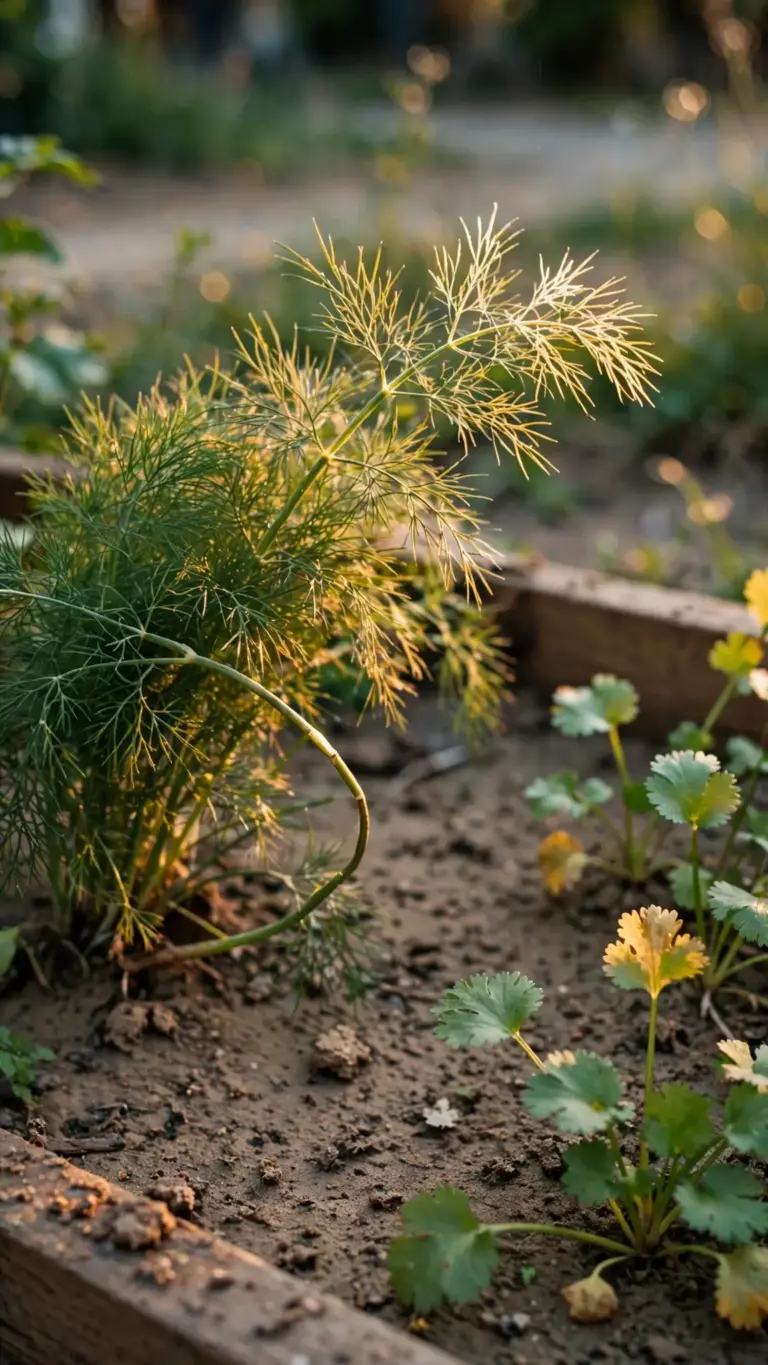
Sow cilantro every 2 weeks for a continuous supply; each sowing bolts within a month once days shorten. Dill self-sows freely, so let one plant go to seed and it plants next year’s crop for you. Parsley survives frosts that kill cilantro outright and often overwinters under mulch in Zone 7 and warmer. Flat-leaf parsley out-yields curly types in fall and handles cold better. A cilantro bed that bolts in a warm September is not a failure of timing but of succession; the fix is the next sowing, already dated on the calendar.
12 Sow Cover Crops 4 to 6 Weeks Before the First Hard Freeze
Empty beds erode and leach all winter. Sow cover crops 4 to 6 weeks before the first hard freeze so they establish roots before dormancy. Oklahoma State Extension recommends planting cover crops in September and October for exactly this reason, terminating them 2 to 4 weeks before spring planting so they do not tie up nitrogen the vegetables need.
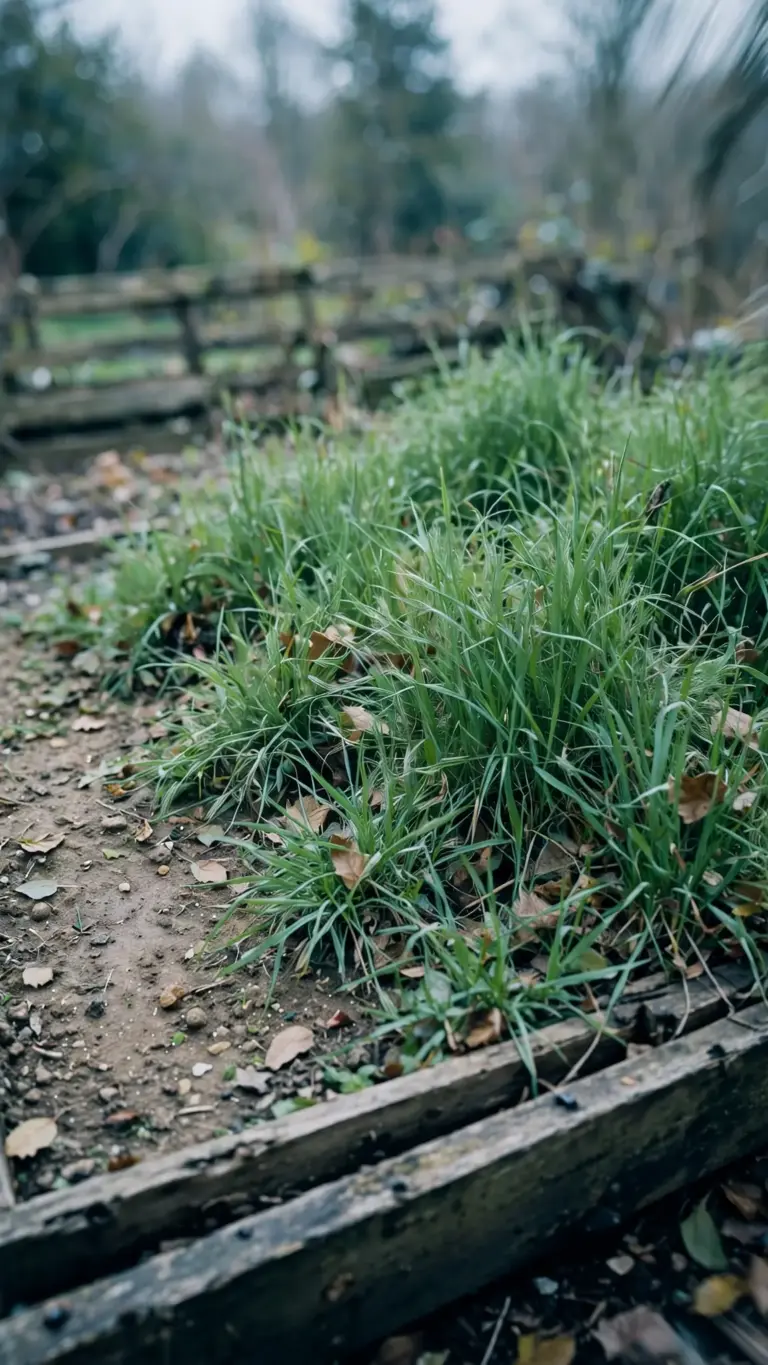
Use winter rye where you want maximum biomass and crimson clover where you want nitrogen. A grass-plus-legume mix does both jobs. Mow the stand in spring and till it in 3 weeks before planting. A cover crop sown too late makes no growth and wastes the seed; the 4 to 6 week minimum is real. Never let winter rye go to seed in spring. A rye stand left to head becomes a weed that fights the vegetables for the bed. Mow it at 30 cm tall, before seed heads form.
13 Zones 3 and 4: Start in July or Skip the Season
Zones 3 and 4 get 90 to 110 frost-free days, and the fall window is brutally short. Start brassica seeds indoors in early July, direct sow carrots and beets by mid-July, and treat August as the last planting month for anything except radishes, spinach, and garlic.
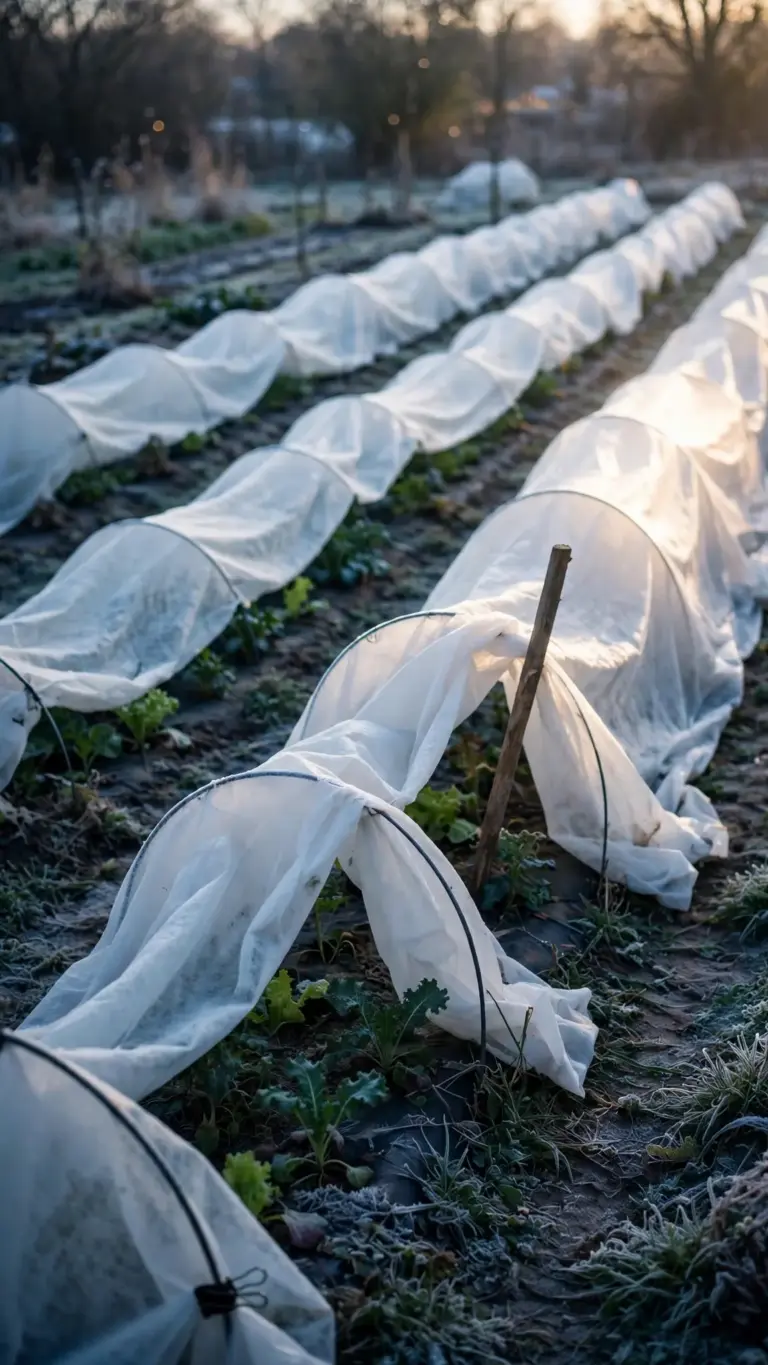
The count-back formula still works, but the answer is often “too late” by the time gardeners think of it in September. In these zones the fall garden is really a second summer garden started in July. Row covers buy 2 to 4 weeks on the back end and are nearly mandatory, not optional. Lay black plastic over beds for a week before late sowings; it raises soil temperature several degrees and buys germination speed the short season cannot spare. Check your county’s average first frost date rather than guessing; a week of error is a fifth of the whole season here.
14 Zones 5 and 6: The August Window
Zones 5 and 6 are the classic fall garden zones: first frost mid-October, last planting dates in August and early September. Start brassicas indoors in July, direct sow roots in early August, and sow greens through the first week of September. For the month-by-month view of what goes in when, the fall planting calendar lays out August through November by zone.
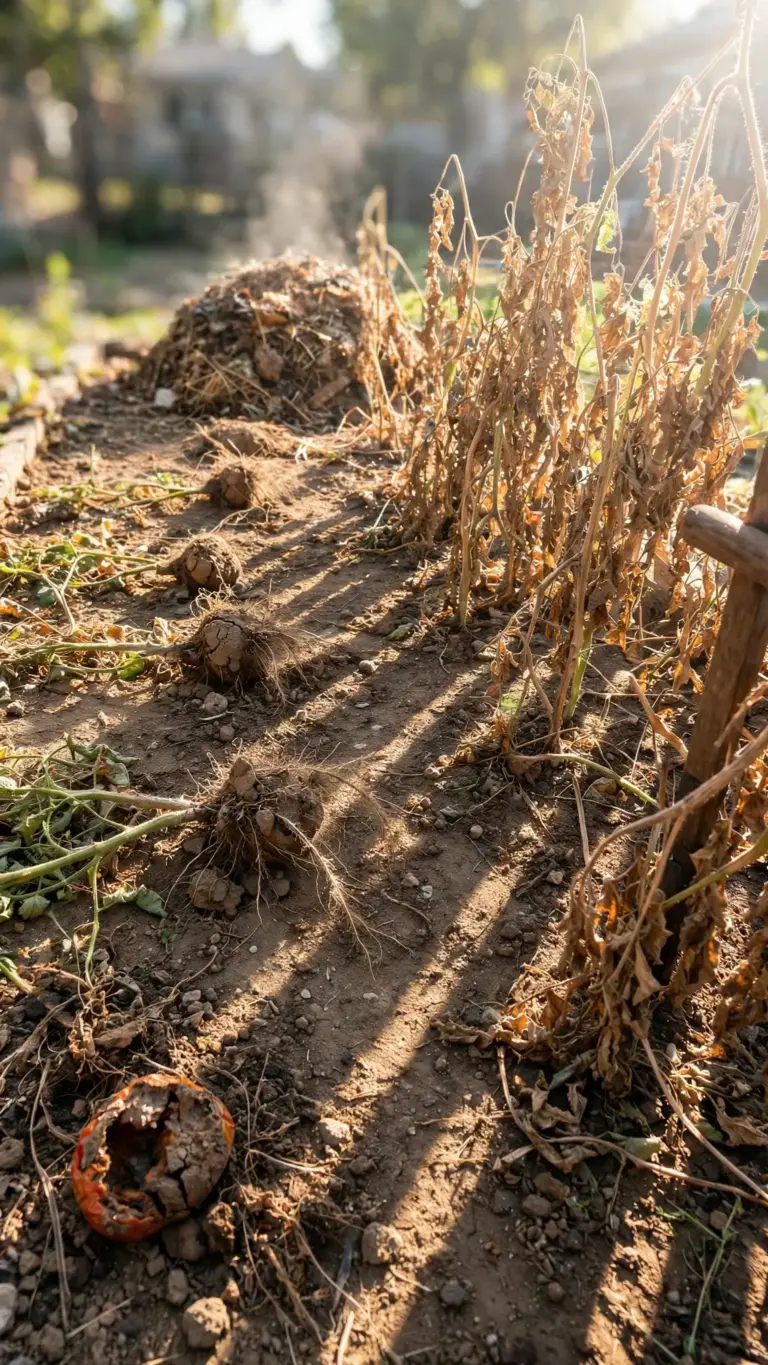
Prep beds in late July while summer crops still occupy them. Pull the finished squash and cucumbers the moment production drops, compost the vines, and sow the fall crop into the same bed within days. Every week of August you lose to a standing dead tomato plant is a week of fall harvest lost. Keep shade cloth on standby for September heat waves; one 35 C week can wipe out a lettuce sowing overnight. A cold frame set over a greens bed in October carries the harvest into December with almost no extra work.
15 Zone 7: September Still Counts
Zone 7 first frosts land in late October to early November, which keeps September wide open. Sow carrots and beets in early September, greens through mid-September, and radishes into October. Transplants of broccoli and cabbage go out through early September.
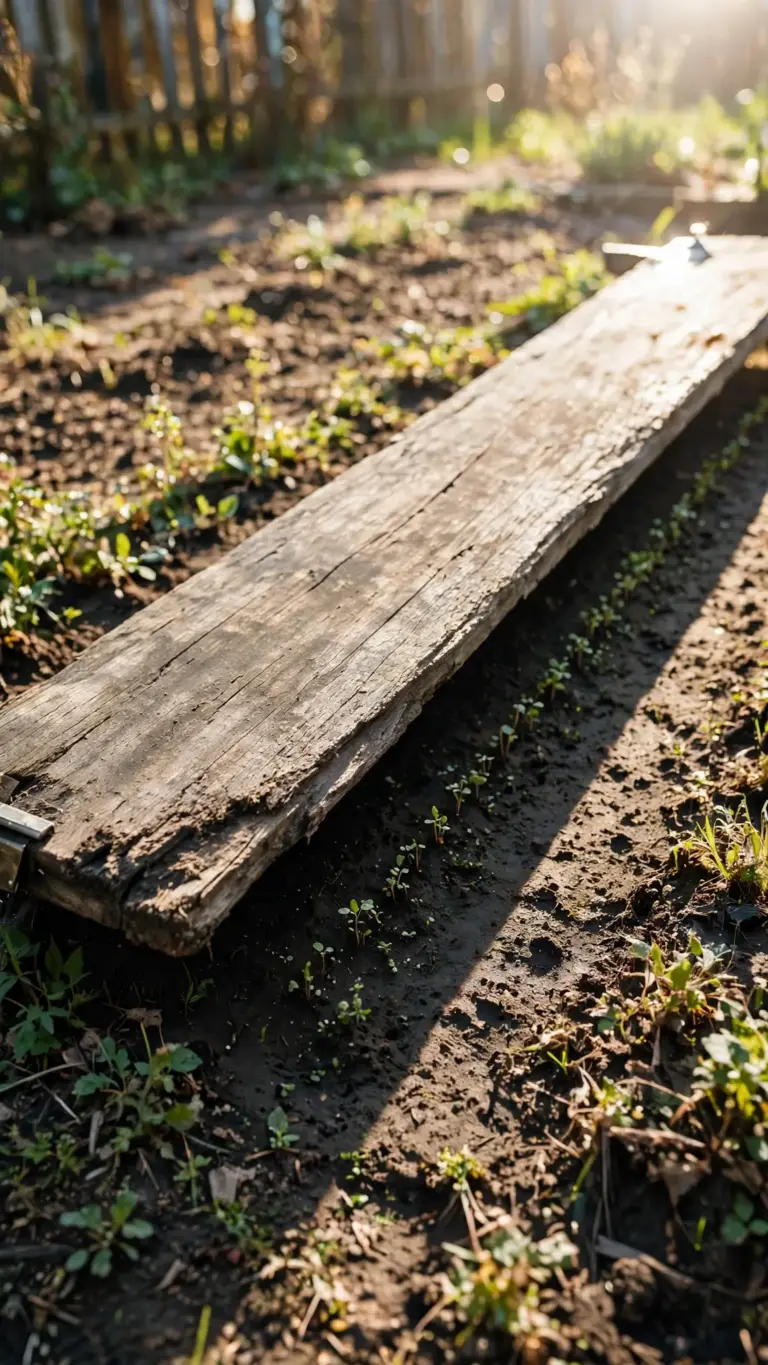
The danger in Zone 7 is not frost but heat. September soil still runs above 29 C in hot years, which blocks lettuce and spinach germination. Sow those two in the evening, water deeply, and cover the row with a board for 3 days. Check daily; seedlings emerge fast once the soil cools. Do not trust September rain in Zone 7. A dry September is normal, and fall crops with shallow roots stall without irrigation. Run drip lines from sowing day, not from the day the plants start wilting.
16 Zone 8: Plant Into October
Zone 8 gives first frosts from late November into December, and October becomes a real planting month. Direct sow carrots, beets, and turnips in early October. Set out brassica transplants through mid-October. Sow lettuce and spinach all month.
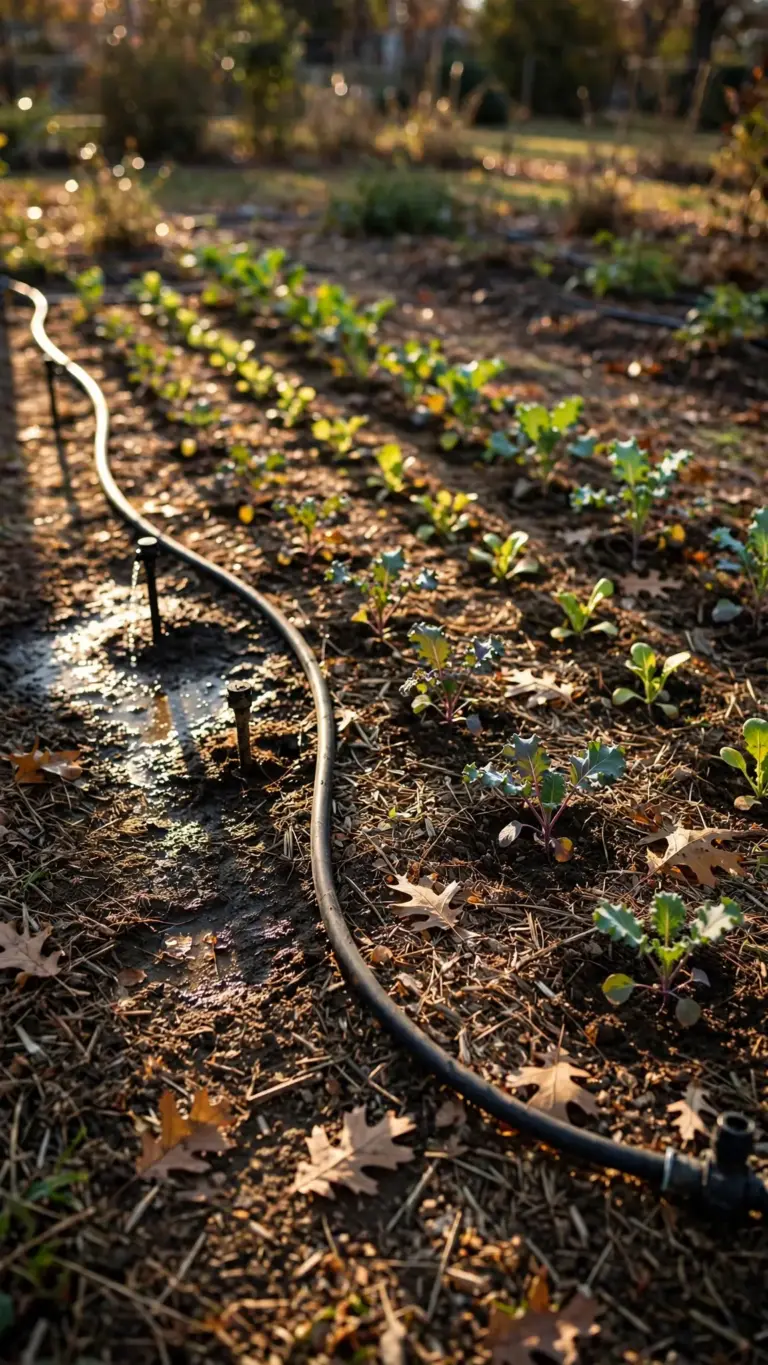
Irrigation matters more than timing here. October in Zone 8 can still hit 30 C, and fall crops stall without steady water. Drip lines or soaker hoses beat overhead watering: wet leaves in warm October air invite the fungal diseases that buildup through summer. Water the soil, not the plant. Set out strawberry plants in October for next spring’s harvest; they root through winter and outproduce spring-planted crowns. Scout weekly for cabbage worms and aphids, which stay active in warm Octobers long after northern gardeners have stopped looking.
17 Zones 9 and 10: November Is Prime Time
Zones 9 and 10 flip the calendar. November is prime planting season, and the “fall” garden runs through winter. Sow carrots, beets, lettuce, and spinach in November. Plant garlic in November for a spring harvest. Start brassica transplants in September for October set-out.
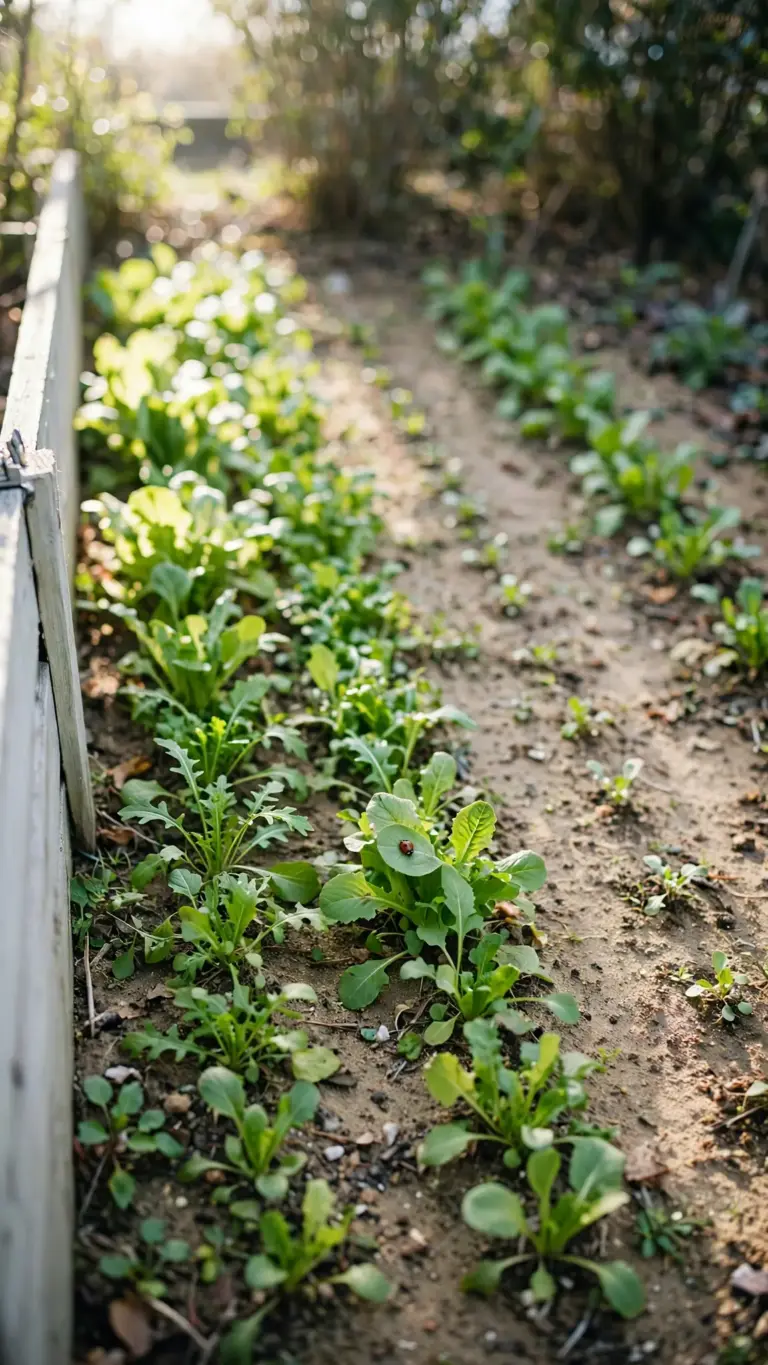
Watch day length, not just temperature. Growth slows dramatically once days drop under 10 hours, even where frost never comes. Crops sown in December sit nearly still until February. November sowings catch the last real growth window, so treat November 1 as the deadline that October 1 is farther north. Run shade cloth over September sowings; intense sun plus warm soil cooks lettuce seed before it sprouts. In these zones the fall garden is a winter garden, and the November planting is the one that feeds you in January.
18 Texas Timing: Three Regions, Three Calendars
Texas holds three fall gardens inside one state. North Texas (Zone 8a) plants like Zone 8: brassica transplants in August, roots in September, greens into October. Central Texas (Zone 8b) shifts everything 2 to 3 weeks later, with fall tomatoes transplanted in July and August for an October harvest. South Texas (Zone 9b) plants through November and harvests all winter.
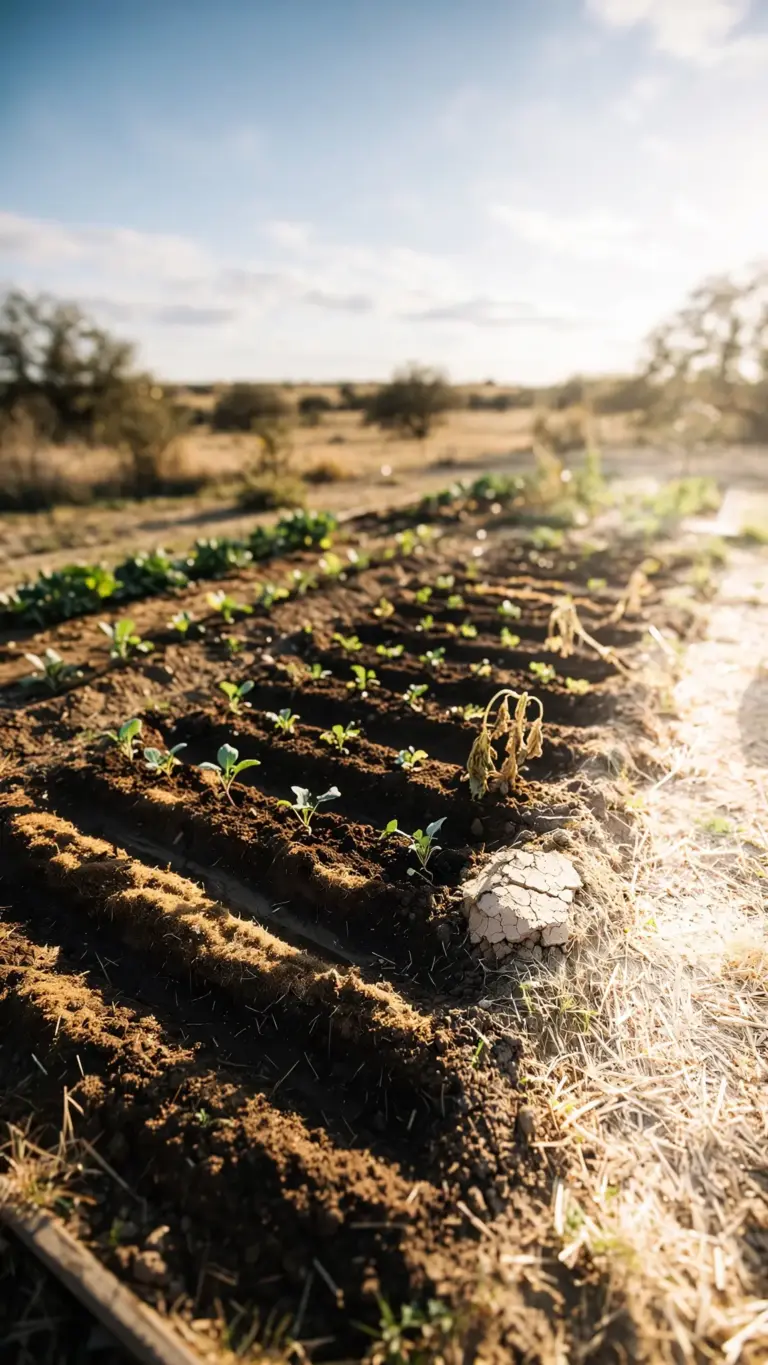
Texas A&M AgriLife’s September garden guide marks September as the month to clear spent summer plants, rework beds with compost, and start cool-season vegetables. Follow that sequence literally: clear, amend, then plant. Planting into an unamended bed that just carried tomatoes all summer starves the fall crop from day one. The first frost swings by a month or more from the Panhandle to the Valley, so a gardener in Amarillo and a gardener in Brownsville share a state but not a calendar. Find your county’s date and ignore statewide advice, including this paragraph’s generalizations.
19 Start Seeds Indoors 4 to 8 Weeks Before Transplant Day
Indoor seed starting buys the fall garden its earliest crops. Sow brassica seeds indoors 4 to 6 weeks before the target transplant date, and give leeks and onions 8 weeks. Count from the transplant date backward, not from the frost date.
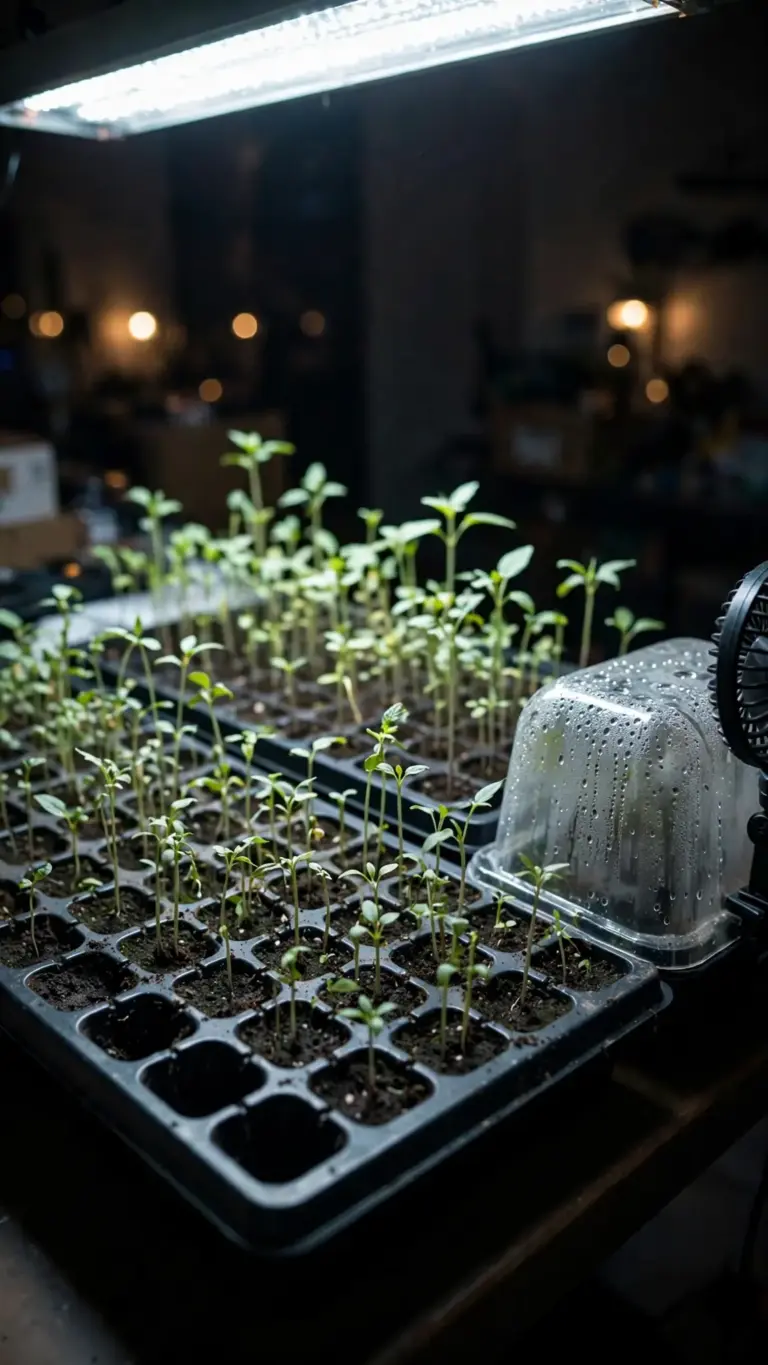
Use a seed-starting mix, not garden soil, and keep it at 21 to 24 C for germination, then cooler for growing on. Leggy indoor seedlings transplant poorly; a fan blowing gently across the trays for a few hours a day builds stocky stems. The seed starting guide walks through the full indoor setup if this is your first tray. Transplant in the evening and water each plant in with a full can. Seedlings moved at noon in August wilt before their roots find the soil; the same seedlings moved at 7 p.m. never notice the change.
20 Know Your Direct-Sow Cutoff Dates
Every crop has a last safe sowing date, and it is earlier than optimism suggests. Delaware’s fall windows put snap beans at July 10 through August 10 and cucumbers July 10 through August 7, with the memorable note that cucumbers sown August 2 produce well while an August 8 sowing fails. Six days decide the crop.
| Crop | Last direct-sow date (Zone 6 baseline) | If you missed it |
|---|---|---|
| Cucumbers | August 7 | Buy transplants, or skip |
| Snap beans | August 10 | Sow a fast 50-day variety only |
| Beets | August 10 | Transplant seedlings started indoors |
| Carrots | August 15 | Switch to radishes |
| Lettuce | September 15 | Sow under row cover |
| Spinach | September 15 | Sow under row cover |
| Radishes | October 1 | Sow in a cold frame |
Shift every date 2 weeks earlier for Zone 5 and 2 to 4 weeks later for Zones 7 and 8. Write your zone’s dates on the seed packets when you buy them in spring. By August the packets are buried in a drawer and the dates are forgotten. Keep a one-page garden journal with this year’s actual sowing dates and first frost. Memory lies about timing; a written record from last fall is the most accurate planting calendar you will ever own.
21 Succession Sow Every 10 to 14 Days Until the Window Closes
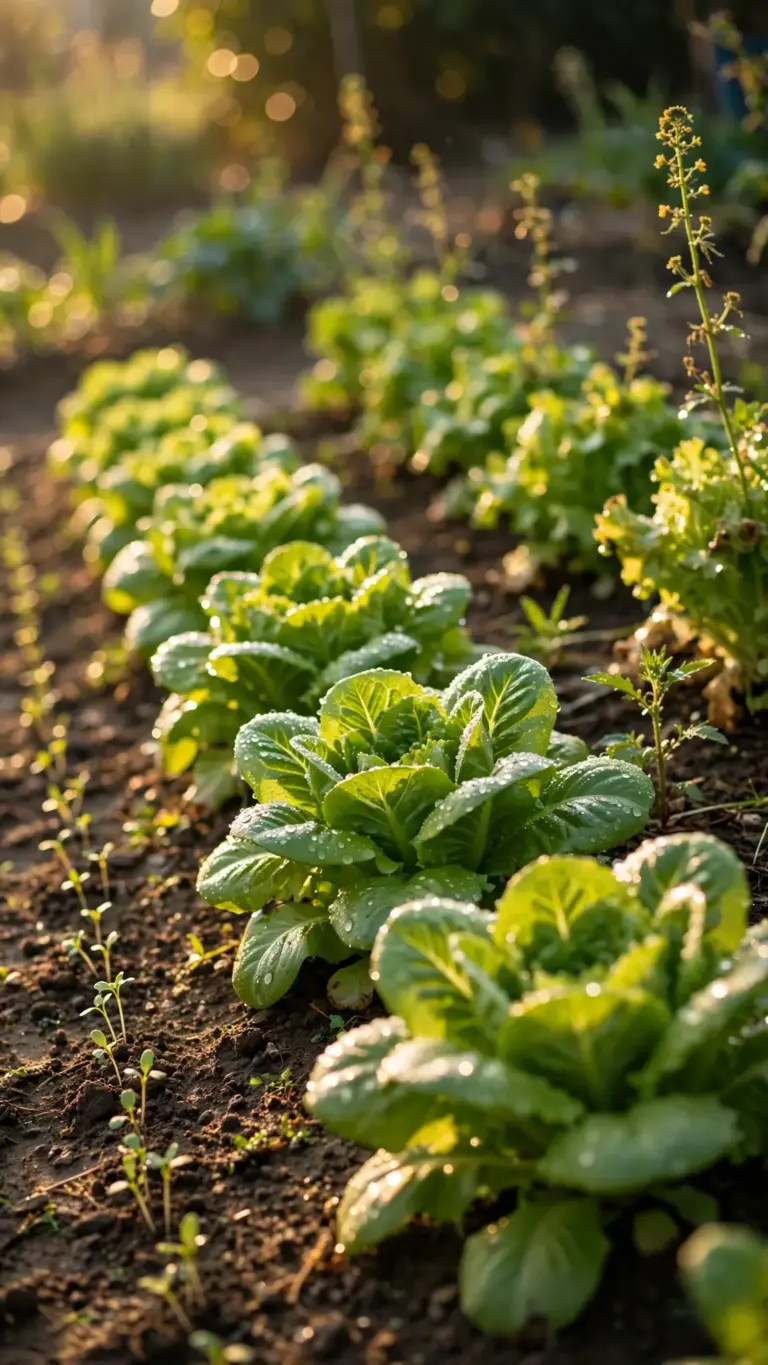
One sowing gives one harvest. Sow fast crops every 10 to 14 days and the harvest stretches across the whole fall. Lettuce, radishes, spinach, and arugula all suit succession; carrots and beets suit it less, since each sowing needs the full 10-week runway.
Stop sowing each crop at its cutoff date from the table above, not when you run out of seed. The fall garden planting schedule turns these cutoffs into a week-by-week sowing plan you can follow without recalculating. Mark the last sowing date for each crop on a calendar in the shed where you will actually see it. A sowing made past the cutoff is not a gamble. It is a donation of seed to the compost, so spend that seed on the next crop in the rotation instead.
22 Do Not Plant These Crops for Fall
Some crops cannot finish before frost no matter when you start them. Do not plant tomatoes, peppers, eggplant, okra, sweet potatoes, or watermelon for fall unless your first frost is 120+ days out. Their days-to-maturity exceed the remaining season in Zones 7 and colder, and the count-back formula says so plainly.
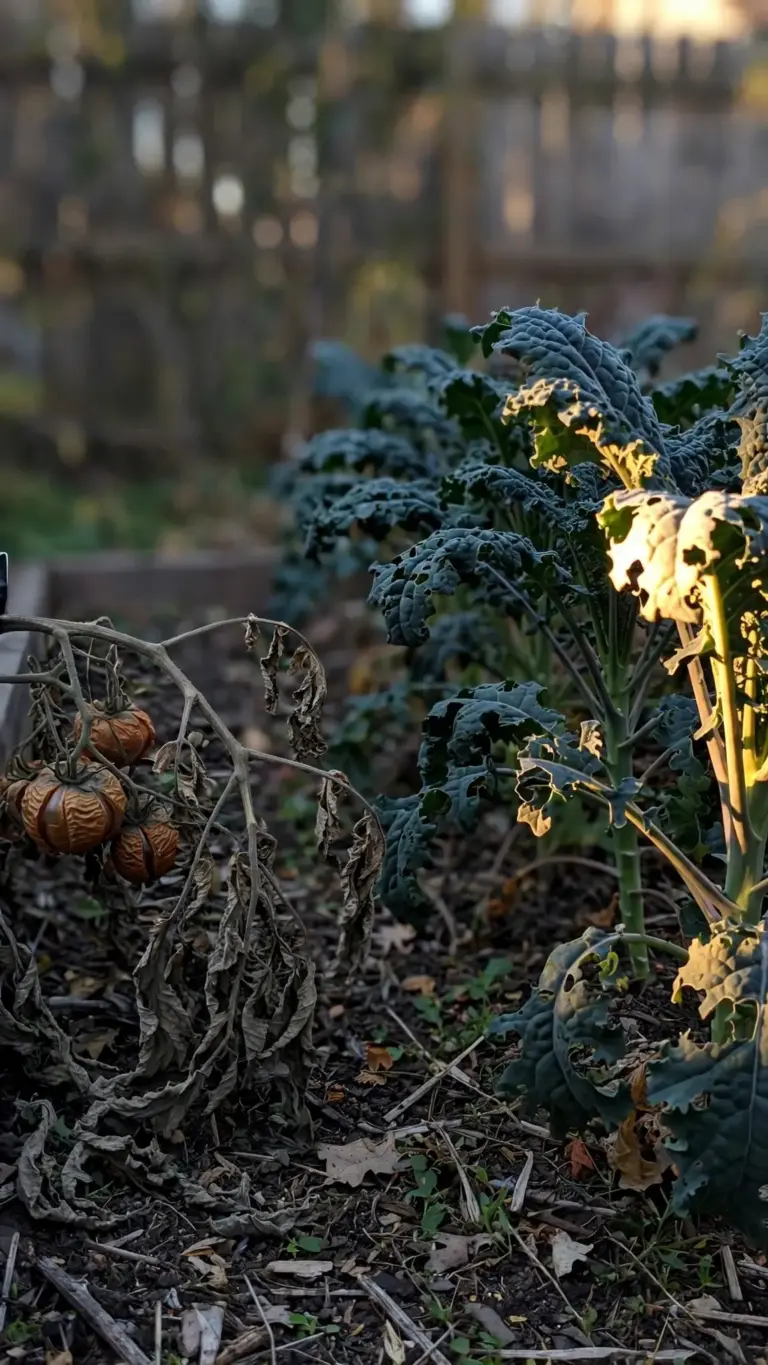
Warm-season crops also germinate badly in cooling soil. Corn sown in September emerges unevenly and never catches up. Pumpkins need 100 to 120 days; a July sowing works in Zone 8, but August sowings in Zone 6 make vines and no fruit. Spend that bed space on kale instead. The fastest way to waste a fall garden is planting spring crops in August. The sunk-cost trap follows: gardeners nurse a failing August tomato through October instead of pulling it for spinach. Pull the loser. The bed earns more from a 30-day radish than from a 90-day hope.
Closer: Mark the Frost Date, Then Work Backward
Every date here comes from one subtraction: first frost minus days to maturity minus the fall factor. Learn your frost date, write it on the calendar, and the whole fall garden schedules itself. Start the slow crops first, sow the fast ones until the cutoff, and plant garlic last. The gardeners harvesting in November are the ones who did the math in July.
FAQ
When Is the Best Time to Plant a Fall Garden?
Count backward from your average first frost date: subtract the crop’s days to maturity plus 10 to 14 extra days for slower fall growth. That gives the sowing date. In practice, Zones 5 and 6 plant most fall crops in August, Zone 7 in August and September, Zone 8 into October, and Zones 9 and 10 in October and November.
What Vegetables Should I Plant in My Fall Garden?
Plant cool-season crops: broccoli, cabbage, cauliflower, kale, collards, lettuce, spinach, arugula, carrots, beets, turnips, radishes, peas, garlic, and hardy herbs. These germinate and grow as temperatures fall and many taste better after a light frost. Match each crop’s days to maturity against your remaining frost-free days before sowing.
What Should You Not Plant in the Fall?
Skip heat-loving crops with long maturities: tomatoes, peppers, eggplant, okra, sweet potatoes, corn, and watermelon. In Zones 7 and colder they cannot finish before frost. Pumpkins need 100 to 120 days, so only July sowings work, and only in warm zones. Put that bed space into kale, spinach, or garlic instead.
When Should I Start Seeds Indoors for a Fall Garden?
Start brassica seeds indoors 12 to 14 weeks before your first frost, which is 4 to 6 weeks before the target transplant date. Leeks and onions need 8 weeks indoors. In Zone 6 that means sowing broccoli indoors around July 1 for mid-August transplanting. Harden seedlings off for a week before they move outside. For which varieties to buy, see our best seeds for fall planting.
How Do I Find My Average First Frost Date?
Use the Old Farmer’s Almanac frost chart or your state extension service’s frost date tables by zip code or county. Use the average date, not the earliest recorded frost. Then add the 14-day fall factor to every seed packet’s days to maturity before counting backward, because fall’s shortening days slow growth.
Can I Still Start a Fall Garden in October?
In Zone 7 and warmer, yes: sow radishes, lettuce, spinach, and arugula in October, and plant garlic into November. In Zones 5 and 6, October is too late for seeds but fine for garlic, cover crops, and setting out nursery-grown brassica transplants under row cover. November sowings only work in Zones 8 and warmer.








