Apply 12 design principles to one garden bed and watch the bed start to feed itself. Permaculture is a design system for gardens, homes and communities that copies how natural ecosystems work. It rests on 3 ethics and 12 principles, and it treats the garden as a set of relationships between plants, animals, soil, water and people, rather than a set of separate jobs.
That is the definition in one paragraph. The word blends permanent and agriculture, and later permanent and culture, because the design applies beyond the vegetable patch to the whole household. A permaculture garden grows food, builds soil, catches water and shelters wildlife in the same space.
| Point | Detail |
|---|---|
| What it is | A design system that copies natural ecosystems for food and living |
| Ethics | 3: Earth Care, People Care, Fair Share |
| Principles | 12 design principles, from observation to responding to change |
| Origin | Coined in the 1970s by David Holmgren and Bill Mollison |
| Core tools | Zones, layers, guilds, water catchment, closed loops |
What Is Permaculture?
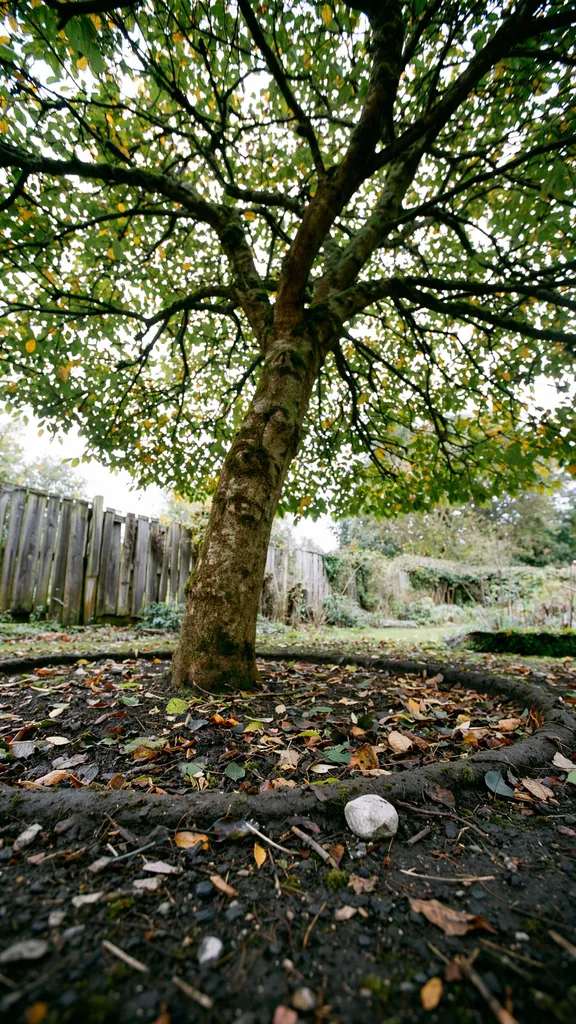
Permaculture is a way of designing land so each element serves several purposes and each purpose is served by several elements. A fruit tree shades the house, feeds the family, drops leaves that mulch the soil and shelters birds that eat pests. Nothing in the design does one job alone. The connections between elements matter as much as the elements themselves.
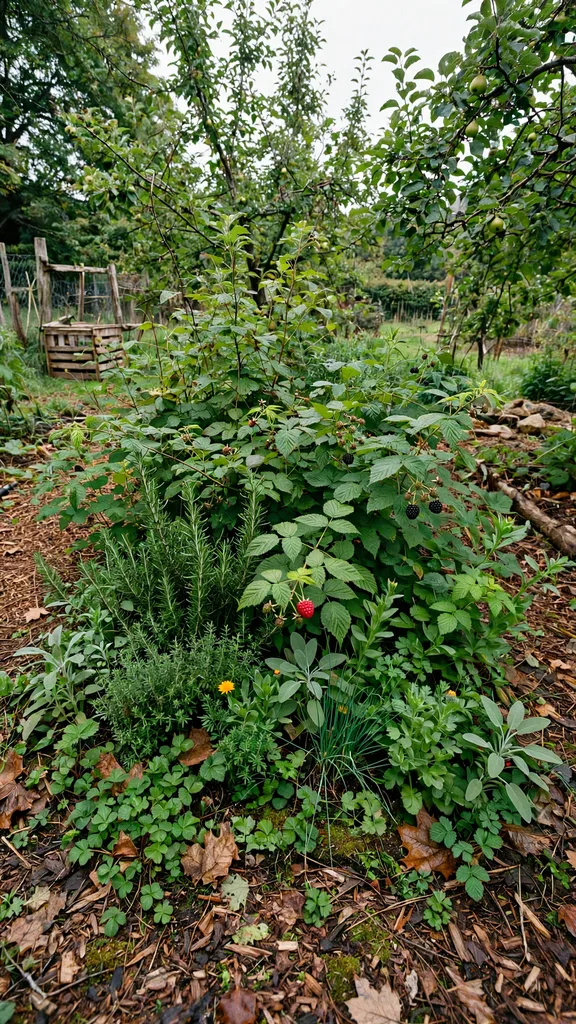
The deciding numbers are 3 and 12: 3 ethics, Earth Care, People Care and Fair Share, and 12 design principles, from observing the land first to responding to change last. The University of Michigan Permaculture Initiative principles page lists both the ethics and the principles, and it traces the word to Holmgren and Mollison, who coined it to describe perennial ecosystems useful to plants, animals and humans. The idea spread from Australia in the 1970s to every continent.
Permaculture is a design system first, and the gardening tips follow from it. The design starts with observation: a full year of watching sun, wind, water and frost on the site before any digging. Then it places each element where it works hardest: daily salad greens by the kitchen door, the compost heap a short walk away, fruit trees further out and wild land furthest, unmanaged. The gardening glossary defines the other garden terms in the same plain words.
How Permaculture Works
The design follows the 12 principles in order, and each one answers a question about the site.
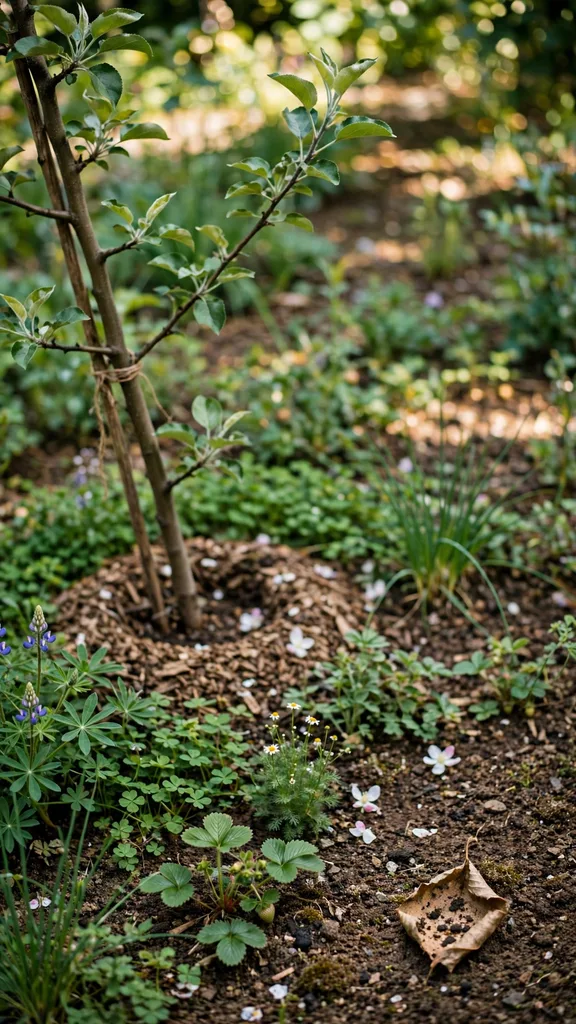
- Observe and interact. Watch the land through the seasons before changing it.
- Catch and store energy. Harvest sun, rain and organic matter when they arrive.
- Obtain a yield. Every design must feed people, or it will not last.
- Apply self-regulation and accept feedback.
- Use and value renewable resources and services.
- Produce no waste. Every output feeds another element in the system.
- Design from patterns to details.
- Integrate rather than segregate. Put elements together so they help each other.
- Use small and slow solutions.
- Use and value diversity.
- Use edges and value the marginal.
- Creatively use and respond to change.
Zones organise the land by how often each part needs a visit. Daily herbs and salad sit by the door, the main beds and compost a short walk away, orchards and staple crops further out for seasonal care, semi-wild land further still, and the wild edge stays unmanaged for watching and learning. Layers organise the planting by height. A food forest stacks canopy trees, small trees, shrubs, herbs, ground cover, roots and climbers in the same patch, so one patch yields several harvests at once.
Guilds put the layers to work together. A fruit tree guild pairs the tree with nitrogen-fixing shrubs, deep-rooted herbs, ground cover and flowers that draw pollinators. Companion planting works the same way at the vegetable bed scale. Water catchment closes the loop. Roofs feed tanks, tanks feed swales, swales feed trees, and the trees shade the house that holds the tank. A peer-reviewed study of the permaculture community in England lists the same 3 ethics and 12 principles, which shows how far the framework has travelled.
Permaculture vs Organic Gardening
Permaculture and organic gardening share the same soil: no synthetic fertilizer, no synthetic pesticide, compost and mulch instead. They differ in what they design. Organic gardening is a method for growing plants without chemicals. Permaculture is a design system for the whole site, and organic methods are one tool inside it. An organic garden can still be separate beds with inputs trucked in. A permaculture garden aims to close the loops so the site feeds itself.
| Point | Permaculture | Organic Gardening |
|---|---|---|
| Core question | How should the whole site work together? | How do I grow this plant without chemicals? |
| Scope | Garden, house, water, waste, community | Beds, plants, soil, pests |
| Main tools | Zones, layers, guilds, catchment, closed loops | Compost, mulch, rotation, natural sprays |
| Inputs | Aims to produce them on site | Often bought in, though natural |
| Time horizon | Years to decades, perennial first | One season at a time, annual first |
| Success measure | Yield with falling inputs over time | Yield without synthetic chemicals |
An organic garden can grow into a permaculture garden. Start with the beds you have, add a fruit tree guild at the edge, plant a cover crop on the empty bed over winter and catch roof water in a tank. The shift is in the design, not in the plants. The same tomato grows in both systems. The difference is what feeds it, what shades it and what happens to its waste.
How to Recognise Permaculture in a Garden
Look for layers first. A permaculture garden stacks plants by height in the same patch, with canopy trees above, shrubs in the middle, herbs below and ground cover holding the soil. A conventional garden grows one layer at a time. Look for edges second. A permaculture garden curves its beds, ponds and paths, because the edge between two zones holds the richest life. Straight lines and square beds point to a conventional layout.
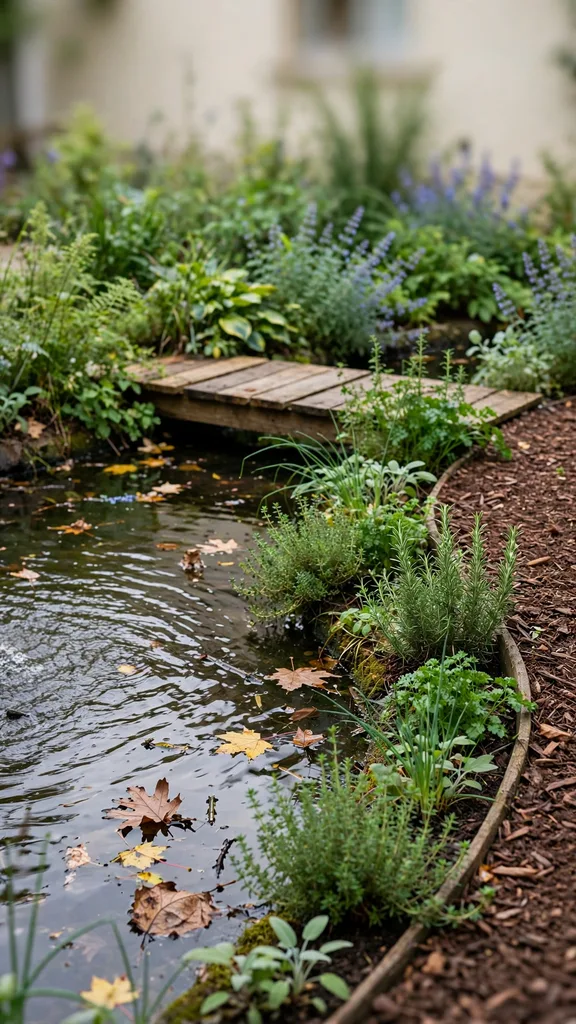
Look for closed loops third. Compost sits near the kitchen. Roof water feeds a tank or a swale. Chickens scratch under the fruit trees and turn fallen fruit into eggs and manure. Look for perennial plants fourth. Fruit trees, berry bushes, asparagus and herbs anchor the design, while annual vegetables fill the gaps. A garden of annuals only is a garden still waiting for its perennials.
Ask what the garden produces per hour of work. A permaculture garden aims for yield with falling inputs over time, as the trees mature, the soil builds and the loops close. A garden that needs more fertilizer, more water and more weeding each year is moving away from the design, whatever its label says.
Common Mistakes With Permaculture
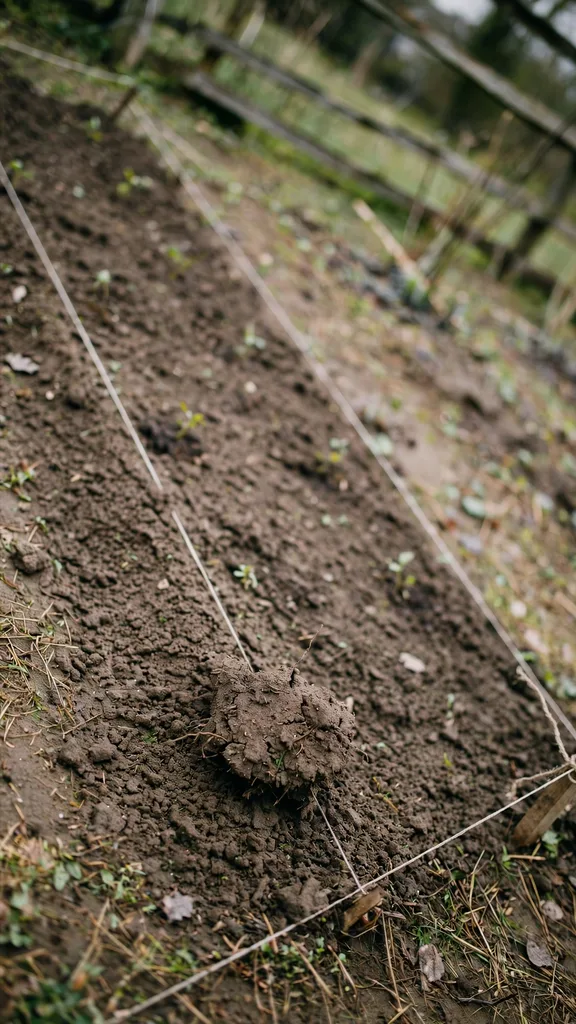
Starting with the design instead of the observation is the first mistake. A design drawn in winter, before a single season of watching sun, wind, water and frost, will place beds in the wrong light and ponds in the wrong hollow. Watch the land for a full year first. Planting a food forest on day one is the second mistake. Trees take years to mature, and a new site needs fast annual yields while the perennials establish. Plant the annuals first, add the trees second and let the layers build.
Calling any messy garden permaculture is the third mistake. A garden left wild is not a design. Permaculture is deliberate placement, with each element placed for a reason. Copying a famous design without reading the site is the fourth mistake. A guild that thrives in one climate can fail in another, because the plants, the soil and the rainfall differ. Take the principles, not the plant list, and choose species that fit the site.
Chasing self-sufficiency in the first year is the fifth mistake. A new garden cannot feed a household from its first season. The trees need years, the soil needs seasons and the loops need time to close. Ignoring the neighbours is the sixth mistake. A tall tree that shades the next garden, a pond that breeds mosquitoes or a compost heap against a fence will undo the People Care ethic fast.
When Permaculture Matters in Your Garden
Permaculture matters most on a small site that must do many jobs. A suburban block that needs food, shade, play space, water storage and wildlife habitat in one place gains most from design. It matters on a dry site, where catching and storing water decides what grows. It matters on poor soil, where compost, mulch and nitrogen-fixing plants rebuild the ground over seasons.
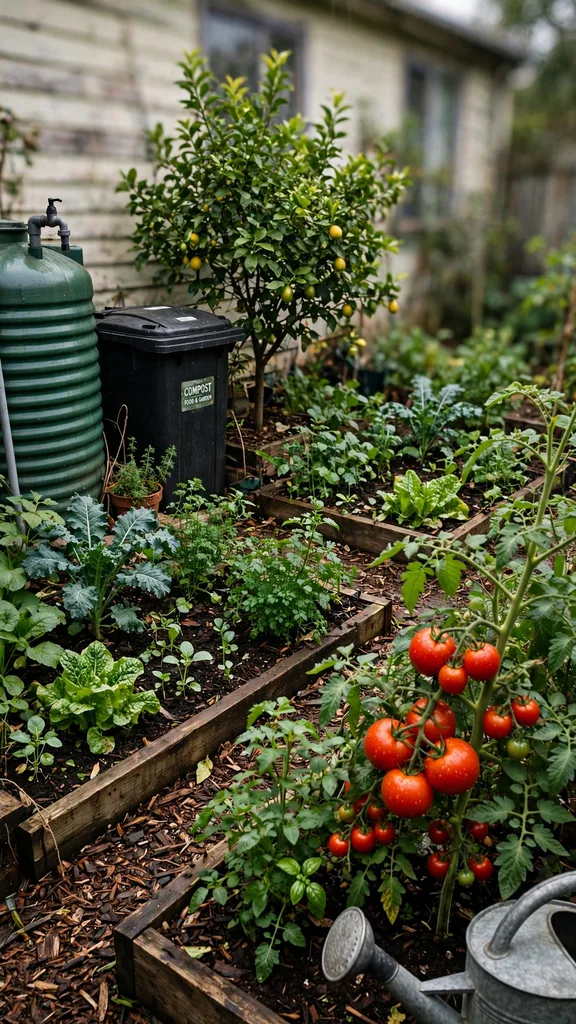
Permaculture matters when the household wants less time maintaining the garden and more time harvesting from it. A perennial food forest needs less annual work than a vegetable patch replanted each spring, once the trees mature. It matters when the garden must survive a holiday or a dry spell without daily care, because deep-rooted perennials, mulch and stored water carry the garden through. It matters least on a rental with a one-season horizon, where the design cannot mature before the gardener leaves.
Start with one bed and one loop. Catch roof water in a tank and feed one bed from it. Plant a fruit tree guild at the edge and watch it for a year. The design grows from the success, not from the plan.
FAQ
The 3 ethics are Earth Care, People Care and Fair Share. Earth Care means rebuilding soil, catching water and protecting living systems. People Care means meeting human needs without exploiting anyone, starting with the household and reaching outward. Fair Share means setting limits on consumption and redistributing surplus, so a glut of fruit feeds neighbours, chickens and compost instead of rotting on the ground.
No. Organic gardening is a method for growing plants without synthetic chemicals. Permaculture is a design system for the whole site, and organic methods are one tool inside it. A permaculture garden uses zones, layers, guilds and water catchment to close loops, so the site produces more of its own fertility and water over time. The same tomato grows in both systems, but the design around it differs.
Permaculture works at any scale, from a balcony to a farm. A balcony can hold herbs, a worm bin and a water catchment jar. A suburban block can hold a food forest, a vegetable patch, chickens and a pond. A farm can hold orchards, pasture and woodland. The principles stay the same at every size. Only the elements change. Start with one bed, close one loop and let the design spread.
No. Animals help, because chickens scratch, ducks eat slugs and bees pollinate, but a garden without animals still follows the design. Plants, fungi, worms and microbes do much of the same work at a smaller scale. A worm bin under the sink, a compost heap and a bee-friendly flower border bring animal life into the smallest garden. Add larger animals only when the site and the household can care for them.
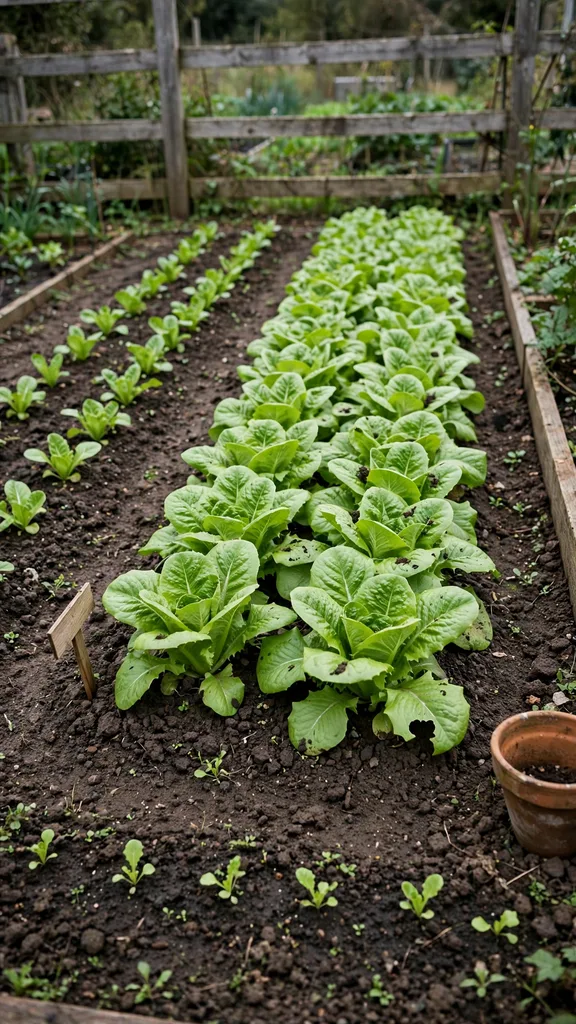
Annual vegetables produce in their first season, and a new bed can feed the household within months of planting. Fruit trees and berry bushes take longer, with berries fruiting first and fruit trees taking longer to bear well. The design matures over years, not weeks. Plant annuals for food now, plant perennials for food later, and let each season add another layer.