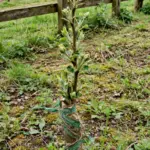
Mound 15.2 cm of soil around a potato plant when it stands 30.5 cm tall, and mound again as it grows. A hill, also called a mound, is a ridge of soil built up around the base of a plant to cover what grows underground, hold moisture, and keep light off the crop.
A hill is a small earthwork with a large job. The soil piled around the stems covers potato tubers that would turn green in sunlight, warms the root zone in spring, and drains water away from the stems in a wet season. A flat bed gives none of that. A hilled bed gives all three.
Hills also shape the bed. Rows of hills make a corrugated field that sheds rain, warms fast in the morning sun, and gives the gardener a clear line to weed and water along. The hill is one of the oldest techniques in the vegetable garden, and it still earns its place every season.
| Point | Detail |
|---|---|
| What it is | A ridge of soil mounded around the base of a plant |
| Deciding number | Mound 15.2 to 20.3 cm of soil when plants stand 30.5 cm tall |
| Final height | Build the hill to 15.2 to 20.3 cm over the season |
| Main use | Potatoes, leeks, sweet corn, celery |
| Main risk | Tubers exposed to light turn green |
What Is Hill Mound?
A hill mound is soil drawn up from between the rows and piled around the base of a plant, forming a ridge that covers the lower stems and the crop growing beneath the surface. The mound is built in layers through the season, a little at a time, so the plant grows up through the soil as the hill grows around it.
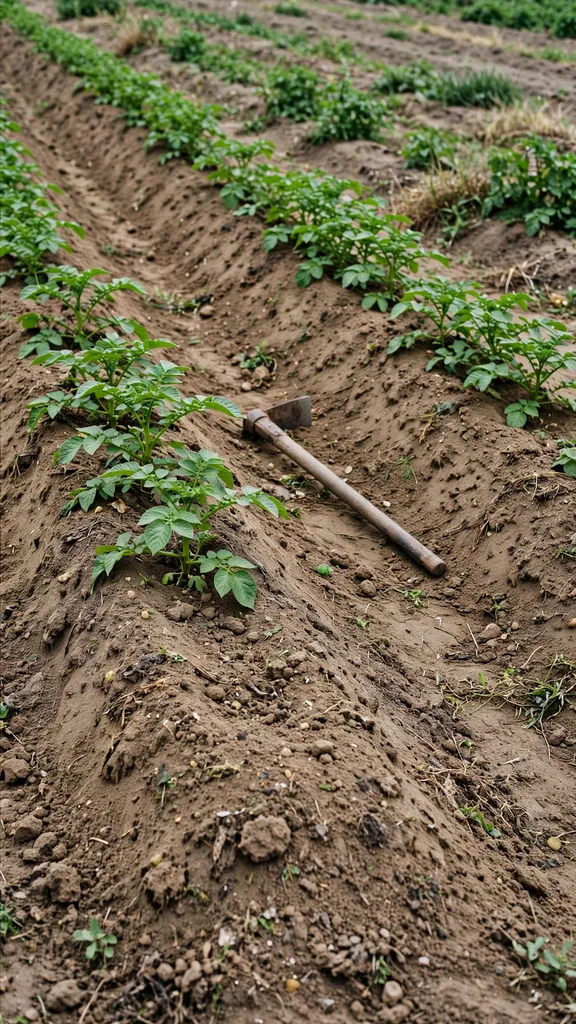
The deciding number is the first hilling. The University of Nebraska Extension potato guide advises gardeners to mound 15.2 to 20.3 cm of soil along the row when potato plants stand 30.5 cm tall, and the same guide sets the planting at 30.5 cm apart within rows 91.4 cm apart. The first mound covers the young tubers forming near the surface. Later mounds keep them covered as they grow.
A hill is not a raised bed. A raised bed is a permanent structure with walls, filled once and kept for years. A hill is a temporary ridge built and rebuilt each season, and it flattens back into the bed after harvest. The two share a shape and nothing else.
How a Hill Works
A hill works by burying the stem a little at a time. A potato plant grows tubers along the buried part of its stem, so each layer of soil added to the hill gives the plant more stem to form tubers on. The hill also keeps light off the tubers, and light is the enemy: a tuber that sees sunlight turns green, and the green skin carries solanine, a bitter compound that makes the potato unfit to eat.
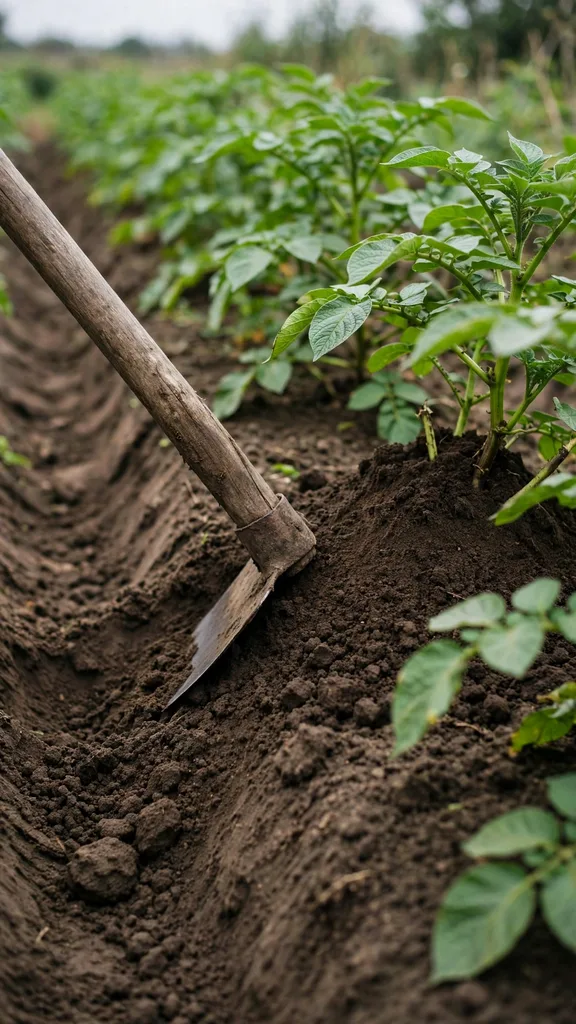
The Washington State University Extension potato guide sets the method out in layers: wait until potato plants reach a height of 15.2 cm or more, then use a hoe to pull soil from between the rows and mound it around the base of the plant, creating a new 5.1 cm layer of soil, and repeat the process every couple of weeks until the hill stands 15.2 to 20.3 cm high. Small layers, often repeated, beat one large mound that buries the leaves.
A hill also drains and warms. Water runs off the sides of the ridge instead of pooling at the stems, and the raised soil warms faster in spring sun than flat ground. Leeks use the same trick for a different reason: soil mounded around the stems blanches them white and tender.
Hill Mound vs Raised Bed
| Point | Hill mound | Raised bed |
|---|---|---|
| What it is | A temporary soil ridge around plants | A permanent framed bed filled with soil |
| Built | Each season, in layers as plants grow | Once, then topped up yearly |
| Walls | None, the soil holds its own shape | Timber, brick, or metal sides |
| Main use | Potatoes, leeks, corn | Vegetables, herbs, flowers of all kinds |
| Cost | Nothing but labour | Timber, soil, and filling |
| At harvest | Flattened back into the bed | Stays in place for the next crop |
A hill suits a crop that needs covering as it grows. A raised bed suits a garden that needs deep soil on poor ground. A potato bed gets hilled. A herb garden gets a raised bed. The gardener who hills a raised bed wastes the walls, and the gardener who builds a raised bed for potatoes pays for timber the hill gives free.
How to Recognise a Good Hill
A good hill is a smooth ridge with the plant growing from its crest. The stems rise from the top, the leaves stand clear of the soil, and no tuber shows at the surface. The sides slope gently, the soil is loose and crumbly, and water runs off rather than pooling.
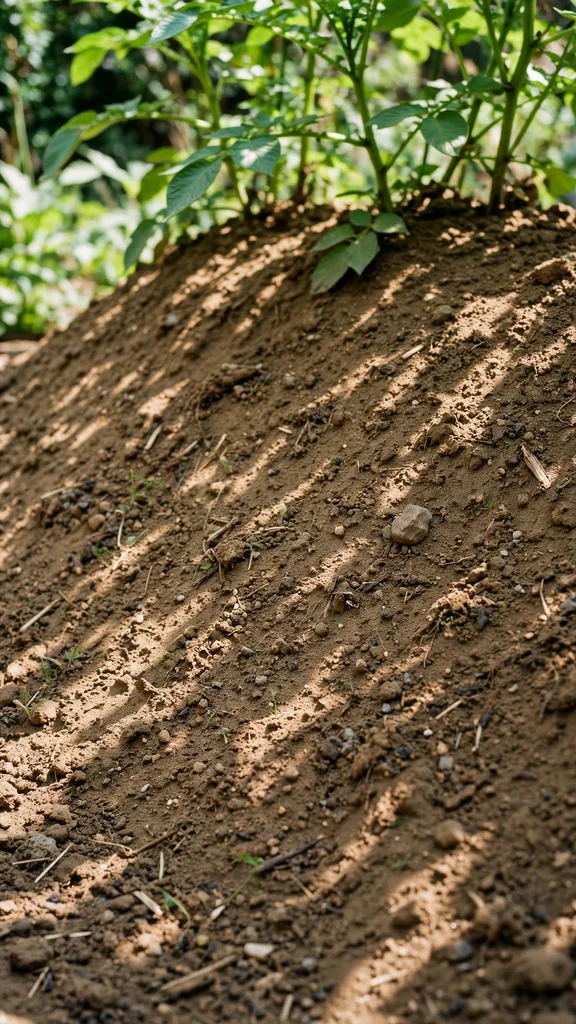
Check the hill after rain. A hill that has slumped flat needs rebuilding, since the tubers near the surface are exposed again. A hill with cracks along its crest has dried out and needs water before more soil goes on. Rebuild the hill every 2 weeks while the plants grow, and stop when the hill stands 15.2 to 20.3 cm high.
Check for green tubers at the surface. A tuber poking through the soil turns green within days of exposure, and a green tuber is a lost tuber. Cover any exposed tuber with soil at once, and add a layer of straw mulch over the hill to shade the surface. The raised bed guide covers the framed alternative when the garden soil is too poor to hold a hill.
Common Mistakes With Hill Mound
Hilling too late is the first mistake. A plant at 45.7 cm tall with tubers already near the surface has been exposed for weeks, and the first mound comes too late to save the green ones. Start when the plants stand 15.2 cm tall, and mound in small layers every 2 weeks from then on.
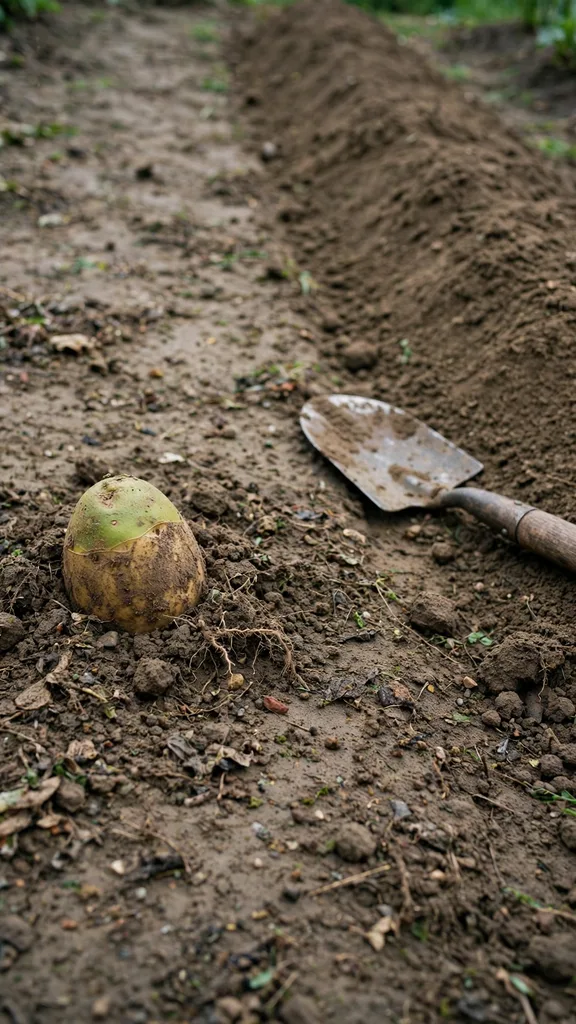
Burying the leaves is the second mistake. A mound that covers the whole plant smothers it, and the plant spends its energy pushing new leaves through the soil instead of growing tubers. Leave the top leaves exposed at every hilling, and cover only the lower stems. The plant needs its leaves in the sun.
Hilling wet soil is the third mistake. Wet soil clumps, compacts, and seals the hill into a crust that water cannot enter. Hill when the soil is damp but crumbly, and let a wet bed dry for a day before you work it. The cover crop guide helps the bed hold its structure over winter so the next season starts with soil that hills well.
When Hill Mound Matters in Your Garden
Hill mound matters most for potatoes. No other common crop depends on soil cover the way a potato does, and a potato bed without hilling gives green tubers and a small harvest. The hill is not optional for potatoes. It is the crop.
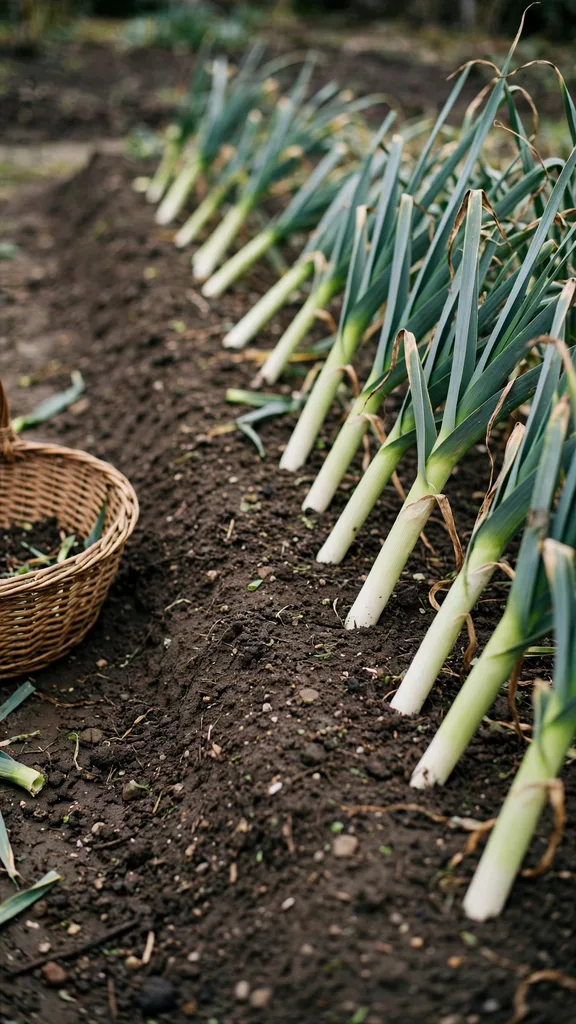
Hill mound also matters for leeks and celery. Leeks blanched by soil mounded around their stems grow white, tender, and mild, while leeks left flat grow green and tough. Celery earthed up the same way grows pale and crisp. The technique is the same, and the reason is the same: soil keeps light off the part you eat.
Start from the gardening glossary when a term in this page is new. A hill is a pile of soil with a purpose, and the purpose is a harvest you can eat without cutting the green away.
FAQ
Build the hill to 15.2 to 20.3 cm high over the season, in layers of 5.1 cm each. Start when the plants stand 15.2 cm tall, add a layer every 2 weeks, and stop when the hill reaches full height. A hill higher than that buries too much stem and wastes the plant’s energy.
Yes, and many gardeners do. Straw mounded around the plants shades the tubers, holds moisture, and makes harvest easy, since the tubers sit in loose straw rather than soil. Straw breaks down faster than soil, so top it up through the season, and keep it damp so it does not blow away.
No. Potatoes, leeks, and celery benefit most, since the covered part is the harvest. Most other vegetables grow fine on flat ground, and hilling them wastes labour. Corn gets a light hilling for support in wind, but the hill is shallow and the reason is stability, not cover.
Stop when the hill stands 15.2 to 20.3 cm high and the plants are in full flower. After flowering the tubers are set, and further hilling risks cutting roots and tubers with the hoe. Let the plants finish, harvest 2 weeks after the vines die back, and dig carefully around the hill.