
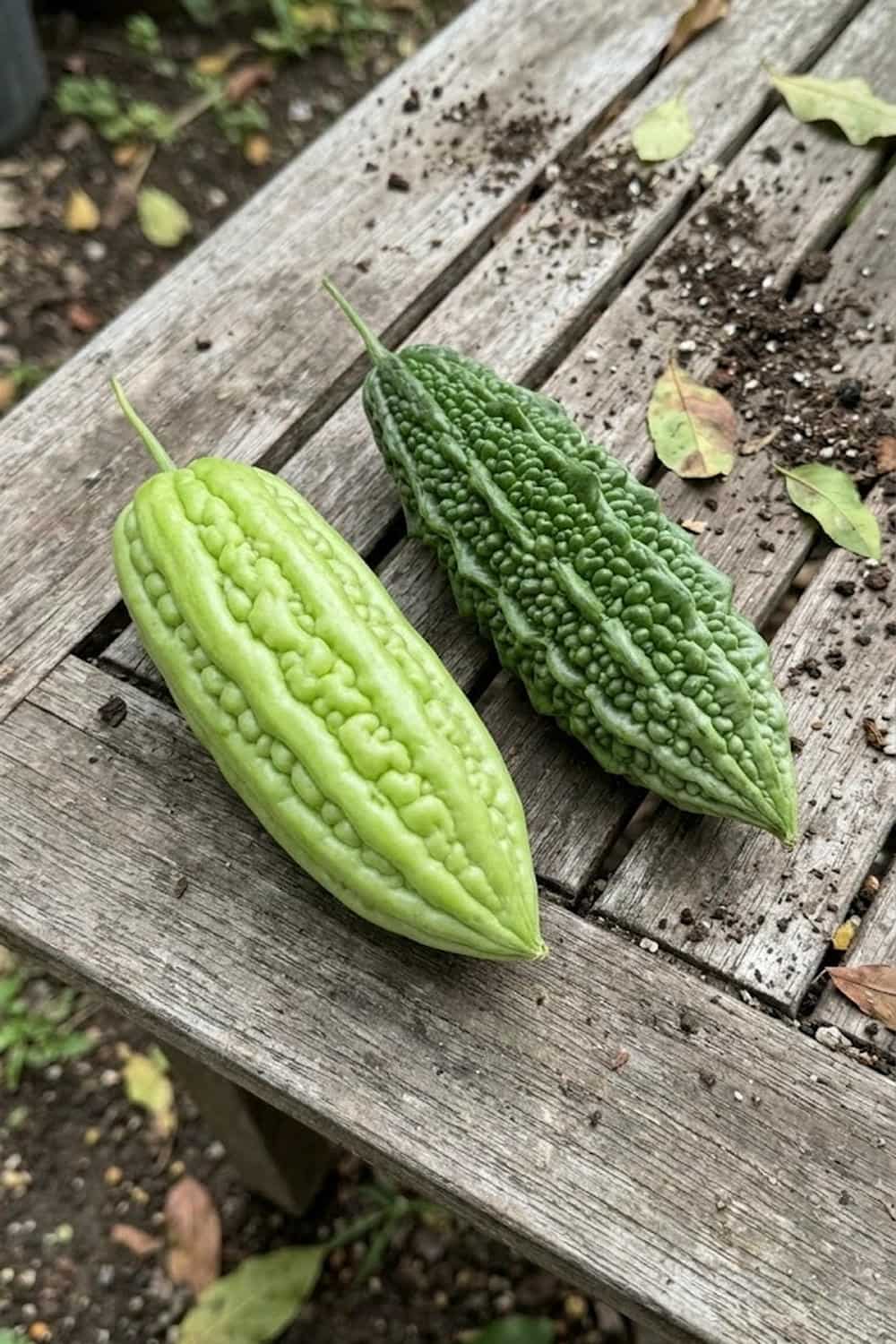

Do you scroll through exotic gardening forums, admiring those unique, bumpy green fruits, only to feel a twinge of envy because your own vegetable patch seems plain? It’s frustrating when you have the passion for plants but lack the specific know-how to successfully introduce something truly distinct and health-boosting to your harvest. This gap in knowledge is the primary reason many gardeners hesitate, fearing they’ll waste time and effort on a plant that might not thrive. Well, I have been there too, and that’s precisely why I have compiled this comprehensive, step-by-step guide on how to grow Momordica fruit successfully, based on my years of hands-on experience in my home garden.
Select the Best Momordica Varieties for Your Region
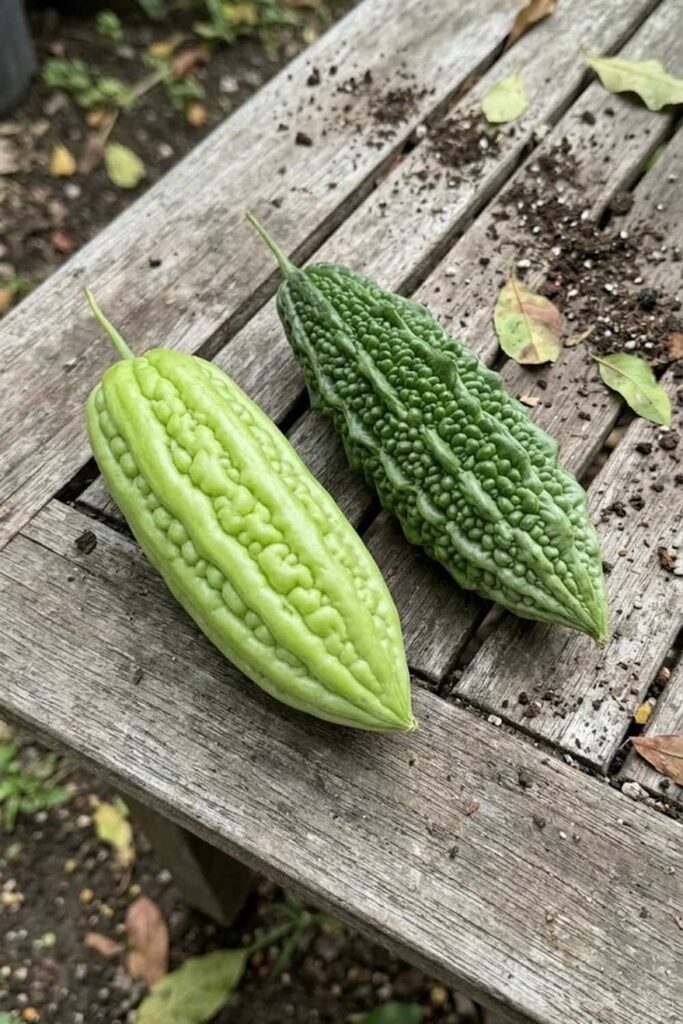
Choosing the right kind of Momordica charantia is paramount for your garden’s ultimate success. I cannot stress this enough: what works well in one climate might struggle in another, and since you’re aiming for a reliable yield on top of your full-time job, you want the most compatible plant possible. The two primary groups you’ll encounter are the Chinese types and the Indian types, and knowing the difference matters. In my experience, Chinese varieties, characterized by smooth, light-green, warty skin, tend to be milder and are fantastic if you are just warming up to the bitter flavor. Conversely, the Indian types possess a much darker green skin, with very prominent, sharp, pointed ridges, offering a much more intense, assertive bitterness that is deeply valued in traditional cuisine. Studies by institutions like Tennessee State University confirm that selecting a cultivar bred for resistance to local heat and specific regional pathogens is your very first, crucial victory in the battle for a abundant, productive crop. Take the time to research which specific type will perform best in your zone; a quick check of your local agricultural extension’s recommendations often saves months of wasted effort, a strategy I swear by.
Master the Perfect Soil Mix and pH
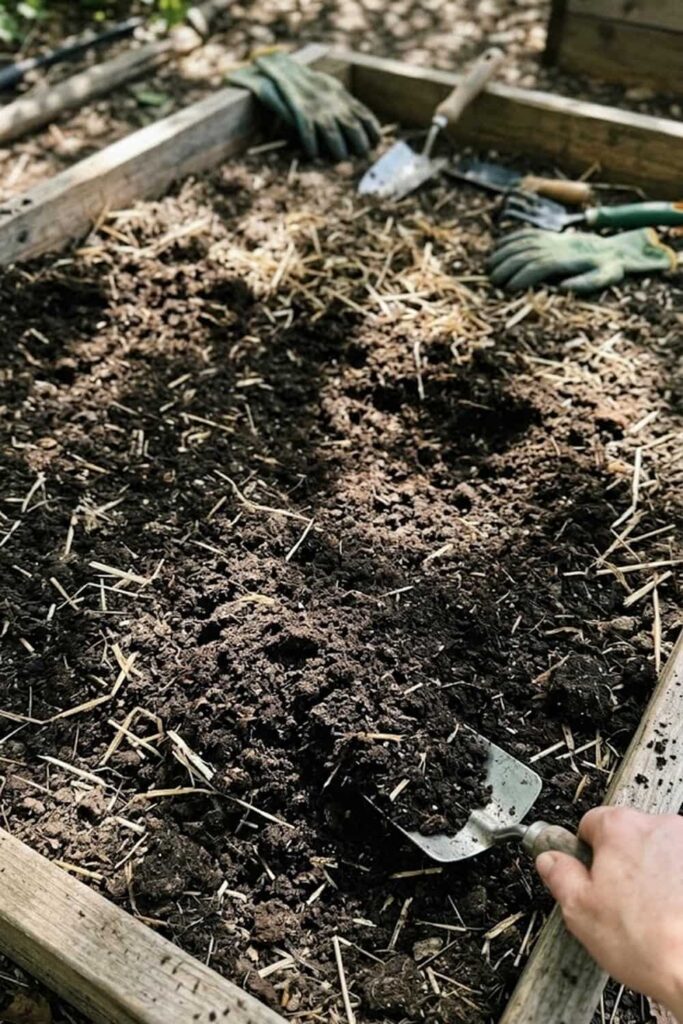
I’ve learned that achieving the ideal Soil Mix for Momordica is absolutely critical for vibrant, productive plants. These robust climbing vines are heavy feeders, yet they are quite particular about drainage. You should never, ever let their roots sit in waterlogged soil, as this is the fastest way to invite disease and stunt their overall vigor. In my personal experience, the most successful recipe involves blending two parts rich garden soil (like a dark sandy loam) with one part well-aged Compost or thoroughly rotted cow manure. This addition of rich organic matter provides an excellent nutrient foundation. These plants strictly prefer a soil pH that is slightly acidic, ideally between 5.5 and 6.7. According to detailed research from agricultural extensions, ensuring this correct acidity level significantly maximizes the bioavailability of essential minerals needed for healthy growth and fruit set, which is why a simple pH test before Planting is a non-negotiable step in my garden. By starting with the correct foundation, you save yourself massive trouble later in the season.
| Soil Component | Purpose | NPK Profile |
| Sandy Loam | Provides structural base, excellent Drainage | Low (0.1-0.1-0.1) |
| Compost | Rich organic matter, microbial activity, consistent moisture | Medium (1-1-1 to 2-1-2) |
| Manure (Rotted) | Significant nutrient boost (esp. N and K), water retention | High (3-1-3 to 5-2-4) |
Optimize Light for Maximum Vine Growth
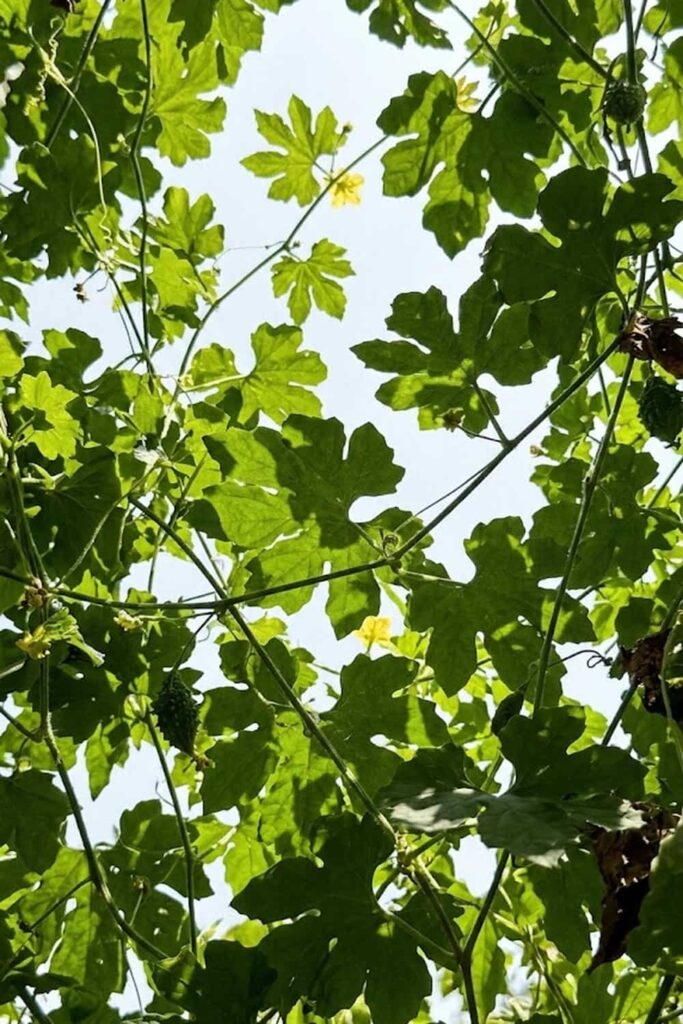
In my journey of how to grow Momordica fruit, I have discovered that providing sufficient Light is absolutely fundamental. You must remember that these are tropical plants; they are fueled by intense solar energy. Momordica charantia strictly requires at least 6 to 8 hours of direct, unfiltered sunlight daily to perform photosynthesis at a level that supports both vigorous Pruning of the massive vine and the development of its health-boosting fruits. I always prioritize a south-facing spot in my garden, ensuring no neighboring plants or structures cast significant shadows during the peak of the day. This abundant energy is the primary engine behind robust plant development and, ultimately, a heavy fruit set. Without optimizing this key resource, you are drastically Preventioning your yield. I have also found that while the vines crave the direct sun, you can use a lower-level Mulching of straw to keep the roots cooler, which helps Care for the plant when the summer heat is intense.
Successful Seed Germination Secrets
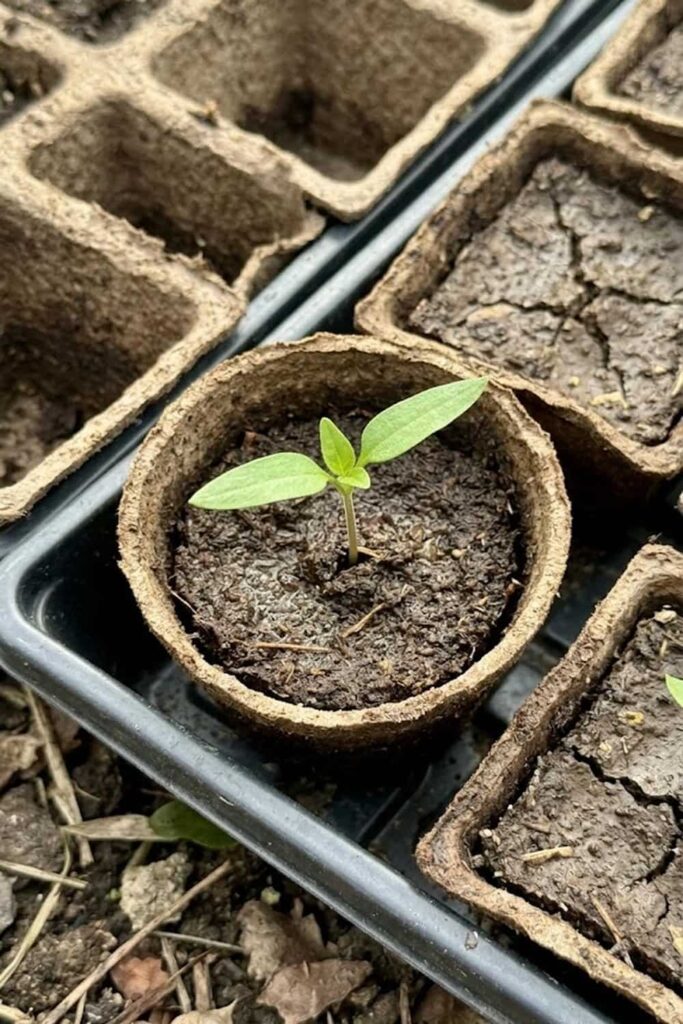
You should always treat Momordica seeds with care, as their exceptionally hard outer shell can make germination quite challenging without the right technique. I have experienced that the fastest, most reliable method involves a two-step pre-treatment before sowing. First, you need to gently nick the rounded end of the seed using a clean nail file or a piece of fine sandpaper; this is called scarification, and it allows moisture to penetrate the barrier. Second, I strictly submerge these scarified seeds in lukewarm water for a full 24 hours. Once prepped, I Plant the seeds ¾ inch deep in moist, sterile seed-starting mix, ideally using peat pots to avoid subsequent Propagation shock when transplanting. Maintain a consistent soil Temperature between 27°C and 30°C using a heat mat, as this tropical heat is critical for triggering the embryo. Under these precise conditions, you should see the first strong sprout appear within 7 to 10 days, a successful start that significantly minimizes future failure. This proactive Monitoring during the nursery stage ensures you begin with robust seedlings.
Install Vertical Trellising for Airflow
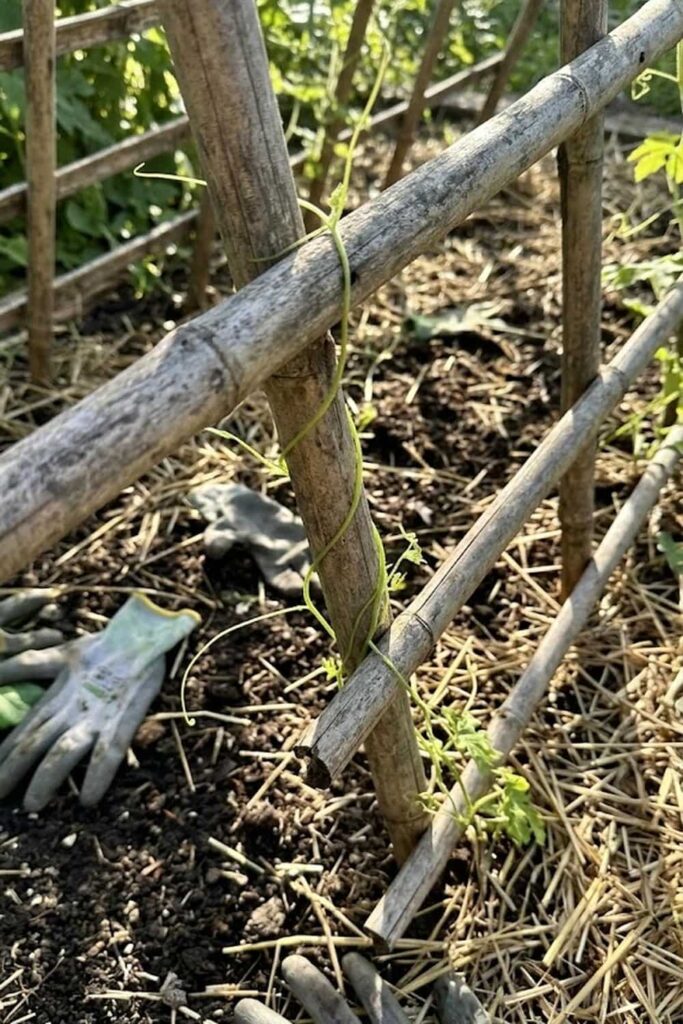
I strongly advise you to never attempt growing Momordica without a substantial vertical support system. These plants are aggressive, vigorous climbers that can easily reach 6 to 9 feet in height, and they have specialized tendrils that strictly require something to wrap around. Vertical trellising is not just about saving space, although that is vital for our demographic; it is the absolute best way to ensure proper Ventilation and leaf Drainage, which are your primary Prevention measures against fungal diseases like Powdery Mildew and Downy Mildew. When the fruits hang freely, they remain clean, develop a more uniform shape, and are significantly easier to Harvest without damaging the delicate vine. In my experience, a simple archway trellis made from inexpensive 1-inch bamboo poles or sturdy cattle panels creates a gorgeous, functional feature that makes the entire process of Protection and Monitoring for pests much more manageable. Studies by the USDA confirm that improved airflow through vertical structures drastically reduces the incidence of common gourd pathogsn by maintaining drier leaf surfaces.
Proper Watering and Drainage Habits
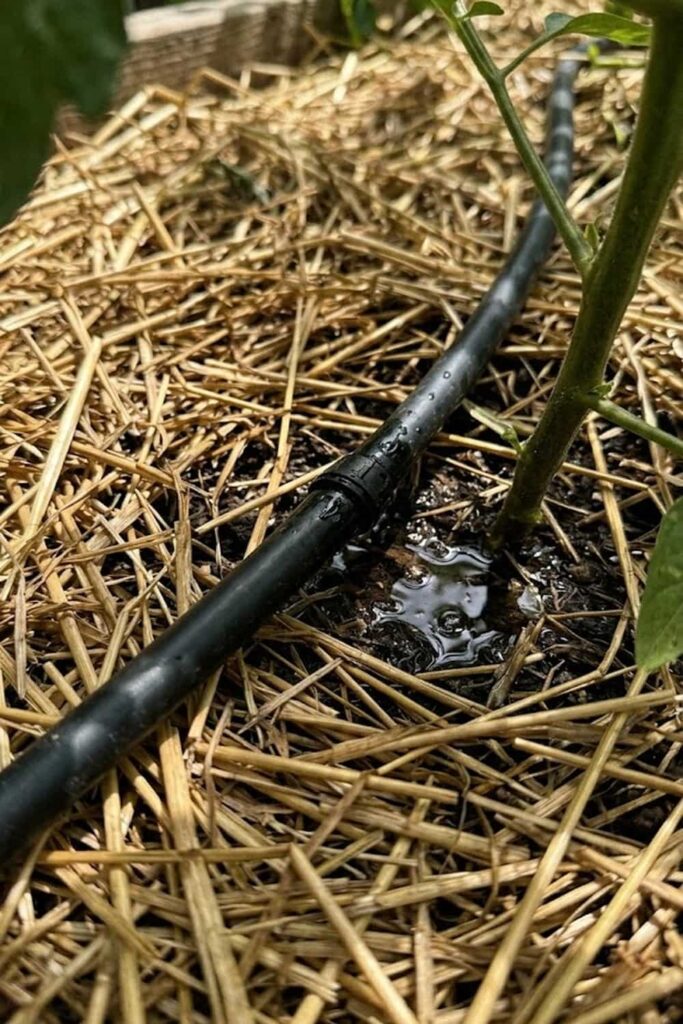
You must maintain a strict balance when Watering your Momordica charantia, as they are tropical plants that are not drought-tolerant but absolutely detest soggy soil. They require approximately one inch of water per week, delivered consistently, to keep the foliage lush and ensure the developing fruits remain firm rather than pithy. In my garden, I rely entirely on a simple, automated drip irrigation system that snakes along the base of the trellises, snuggling beneath the straw Mulching to ensure Careful, even moisture without getting the leaves wet—a key Prevention measure against Powdery Mildew. This consistent, deep hydration forces the roots to Grow downwards rather than remaining near the surface, which drastically improves the plant’s resilience during the peak heat of summer, an important aspect for professional gardeners balancing time. You should always ensure your soil provides excellent internal Drainage; if your location has heavy clay, amending it with organic matter or using raised beds is a non-negotiable step to prevent root rot.
Essential Fertilizing for Heavy Feeders
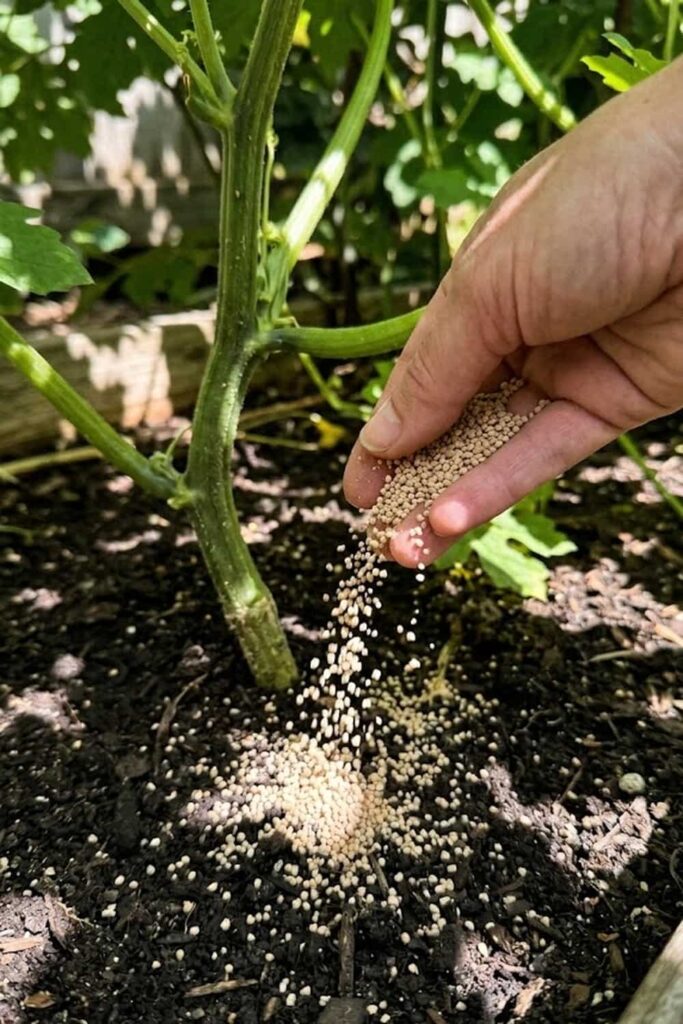
In my experience, realizing how to grow Momordica fruit successfully over a long season requires consistent and targeted Fertilizing. These vigorous climbing vines are heavy feeders that strictly demand a continuous supply of nutrients to support both their rapid foliage expansion and the massive energy cost of fruit production. I always ensure the planting bed is enriched with aged Compost or cow manure at the start, but that is merely the foundation. Once the first yellow flowers appear, I begin a regular feeding schedule every two weeks using a balanced organic liquid fertilizer, or a granular mix with a balanced NPK ratio like 10-10-10, always applied as a side-dressing. It is particularly important to provide supplemental potassium during the peak fruiting stage to improve overall yield and flavor, according to numerous agricultural case studies. I strictly avoid high-nitrogen fertilizers after flowering begins, as this triggers excessive leaf Growth at the direct expense of fruit development—a common mistake I made early on. Consistent Monitoring of your plants’ appearance will help you develop a feel for when they need an extra boost.
Temperature and Humidity Monitoring
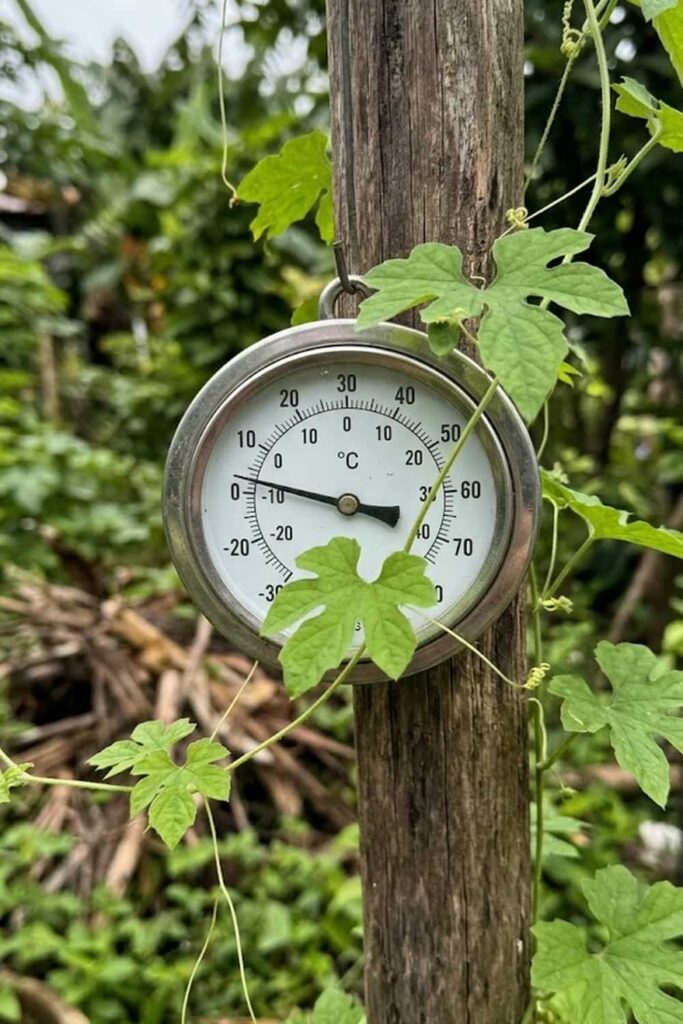
When you are learning how to grow Momordica fruit, you quickly realize that their performance is strictly dictacted by the ambient Temperature. As tropical natives, they thrive in heat, specifically within the range of 24°C to 31°C (75°F to 88°F). Growth almost entirely stalls if temperatures dip below 15°C (60°F), and a light frost will kill the entire vine. Maintaining high Humidity is also generally beneficial, replicating their natural environment, provided you have good air circulation to improve Prevention of fungal issues. I always keep a simple weather station in my garden for constant Monitoring of these crucial climate factors. In areas with short summers or unpredictable spring dips, using a greenhouse, or employing Protection like row covers early in the season, is absolutely essential to develop robust plants that can maximize the available heat units for fruit production. This environmental Care ensures your vigorous climber has the time it needs to produce a significant harvest.
Hand-Pollination for Fruit Protection
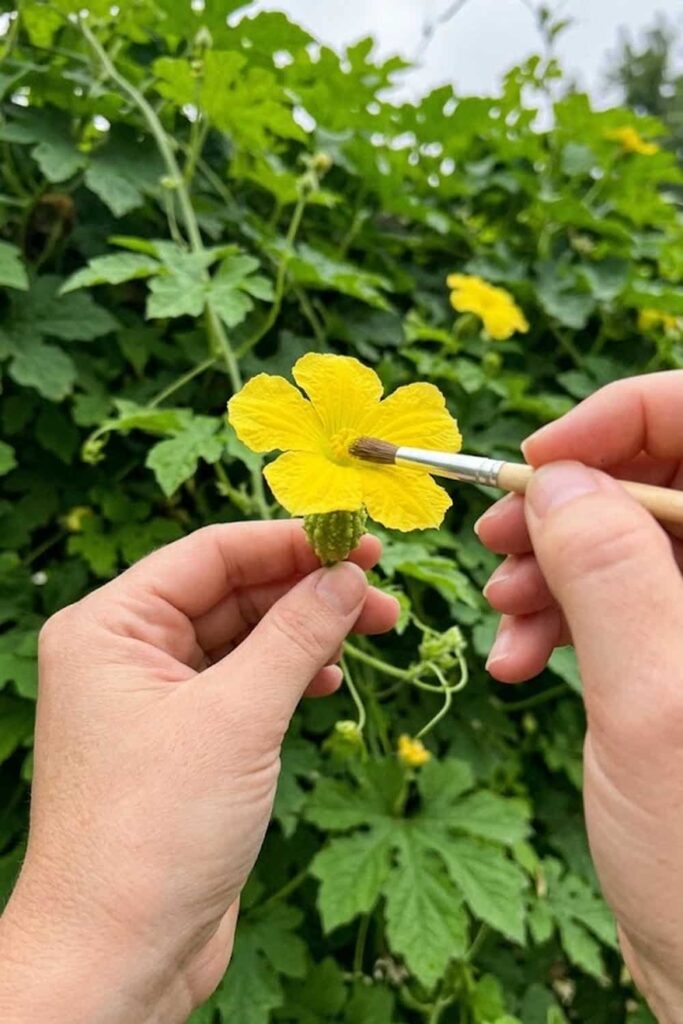
You cannot rely entirely on beneficial insects for a heavy crop, as poor pollination is the number one cause of fruit drop in Momordica charantia. These vines are monoecious, meaning they produce separate male and female flowers on the same plant, and the heavy, sticky pollen often requires assistance to reach the female blooms. I make it a crucial part of my daily morning routine to perform Careful hand-pollination, especially in urban environments with low bee populations. Identify the female flower by the distinct tiny “baby fruit” swelling at its base; the male flowers lack this feature. You should always use a small, soft brush, like an amateur’s watercolor brush, or even a cotton swab, to gently pick up the bright yellow pollen from the center of several male flowers and transfer it directly to the sticky stigma of the female flower. This simple act of manual intervention guarantees that the bloom will set and develop into a firm, harvestable fruit, effectively providing Protection for your future yield and significantly improveing your overall garden productivity.
Pruning and Training the Vine
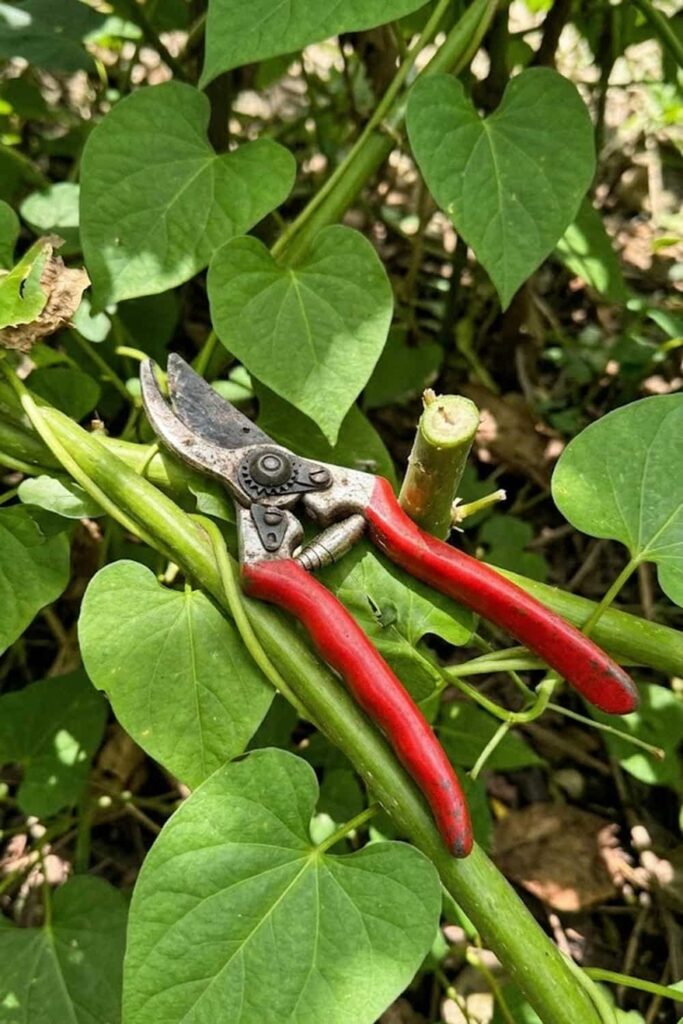
I strictly advise you to incorporate aggressive Pruning into your routine if you want to develop a high-yielding, manageable Momordica patch. These robust climbers are indeterminate, meaning they will Grow foliage and tendrils indefinitely without intervention, often at the expense of fruit production. In my garden, I Pruning all lower lateral branches up to the 10th node (about the first 2 feet of the main stem). This strategy directs the plant’s massive energy upward toward the primary climbing stem and, more importantly, improves ground-level Ventilation, serving as a critical Prevention measure against soil-borne pathogens. Once the main vine reaches the top of its 6-foot trellis, I pinch off the growing tip. This action stimulates the growth of more lateral, fruit-bearing side-shoots, which are much easier to access. This targeted Care makes the entire vertical system highly efficient, allowing for easier Harvesting and pest Monitoring, crucial advantages for busy professionals balancing time.
Mulching to Retain Root Moisture
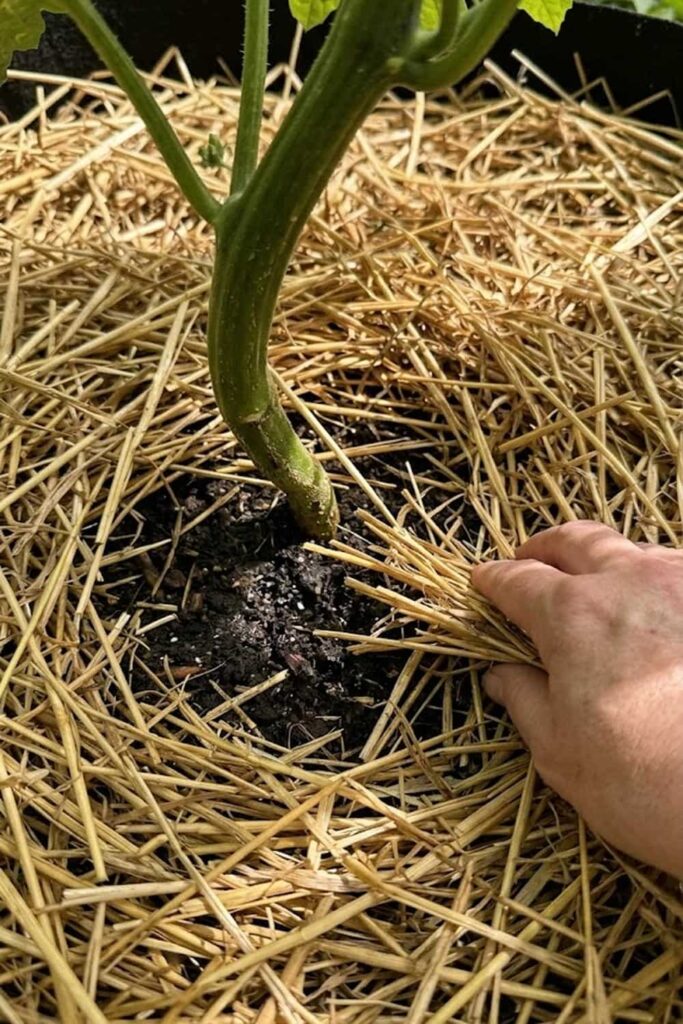
In my years of developing a resilient garden, I have found that consistent Mulching is a non-negotiable practice when you are dedicated to how to grow Momordica fruit successfully. These vigorous tropical climbers possess a shallow root system that is highly susceptible to stress from both drought and excessive heat. A thick, 3-inch layer of organic mulch, such as clean golden straw, shredded leaves, or wood chips, spread meticulously around the base of your plants, acts as a critical insulating barrier. This layer effectively reduces soil moisture evaporation by up to 70%, which drastically improves water efficiency—a major benefit for busy professionals balancing a full-time career. Furthermore, as the organic matter decomposes, it improves the Soil Mix structure and bioavailability of nutrients, providing long-term Care and Protection for your vigorous climber.
Prevention of Common Gourd Diseases
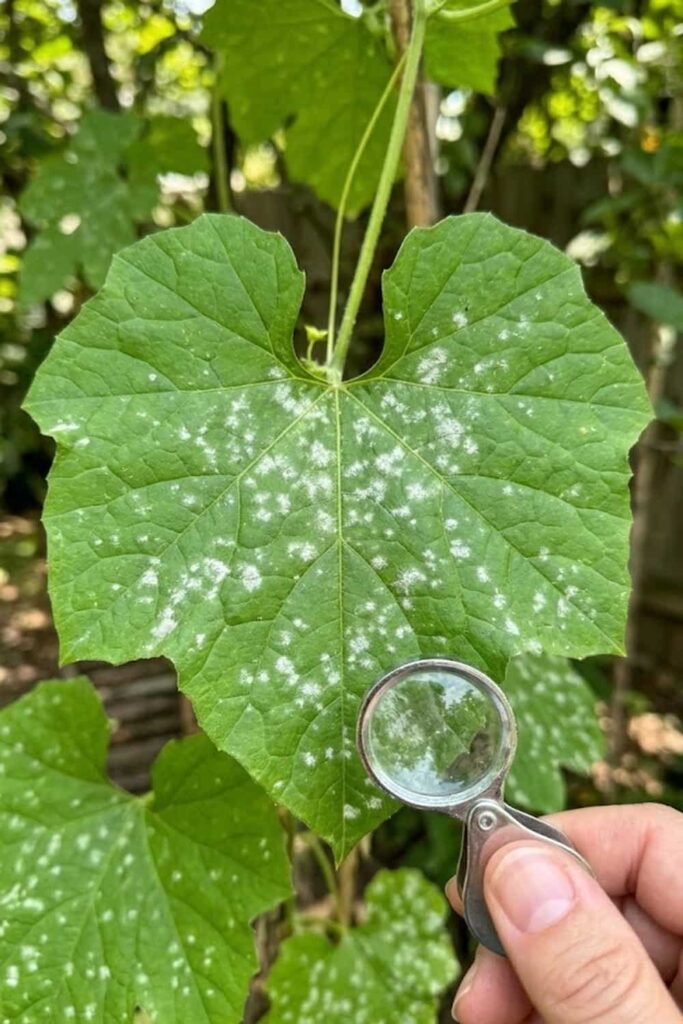
You must be proactive regarding Disease Control if you want a trouble-free harvest, as Momordica charantia is highly susceptible to several common fungal pathogens. In my garden, I emphasize logical Prevention strategies over reactive chemical treatments. The fundamental step is to always keep the foliage dry; never use overhead Watering, and instead rely entirely on drip irrigation beneath the Mulching. Furthermore, maintaining rigorous vertical trellising is non-negotiable for improving ground-level Ventilation, which drastically improves the leaf-drying time after rain. If you spot initial symptoms of Powdery Mildew—which appears as white, flour-like spots—I have found that immediate Control using an organic spray of one part milk to nine parts water is surprisingly effective. According to rigorous university studies, consistent sanitation, such as Labeling and removing all fallen or infected plant debris, is essential for disrupting the disease lifecycle in your garden.
Control Strategies for Fruit Flies
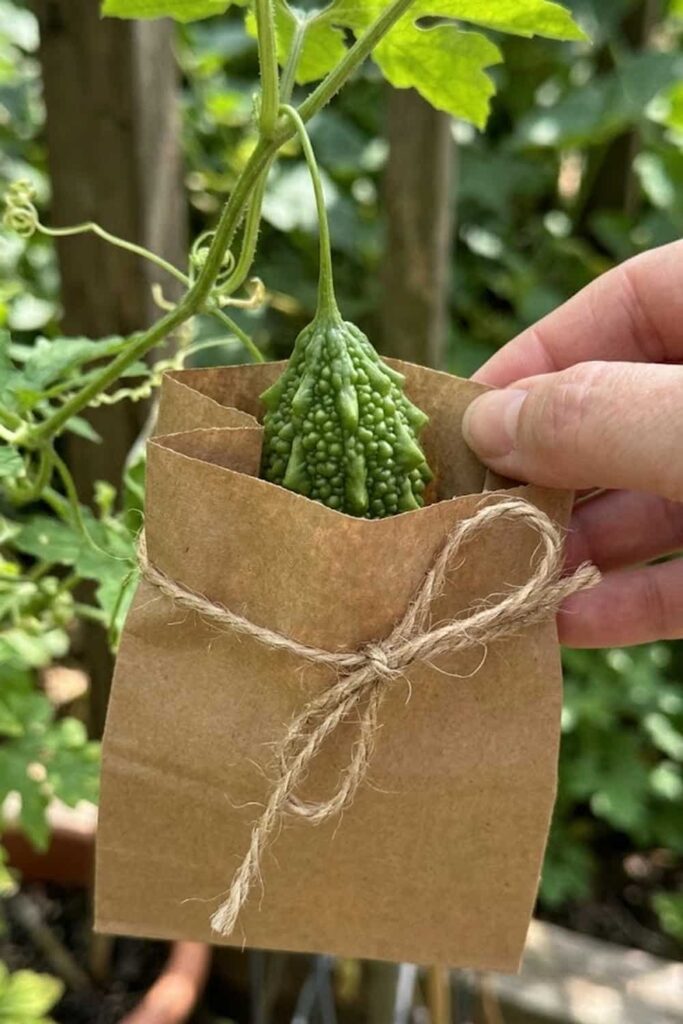
I have experienced that the specific Melon Fruit Fly is the absolute single greatest threat to your crop, making targeted Pest Control essential for a successful Harvest. The adult fly stings the young, developing fruit to lay eggs just beneath the skin; these eggs hatch into larvae that tunnel through the flesh, causing it to rot internally and fall prematurely. I have tried many methods, and the most reliable organic solution I have found is to use physical barriers. Carefully cover every single young fruit with a simple, small paper bag or a fine mesh netting sleeve immediately after successful hand-pollination. This physical Protection prevents the fly from ever contacting the fruit’s surface, improveing your usable yield drastically. I also deploy pheromone traps early in the season for Monitoring fly activity, but I rely entirely on the exclusion bags for guaranteed results. This meticulous Care is time-consuming but essential for a heavy, edible harvest.
Harvesting at the Peak of Flavor
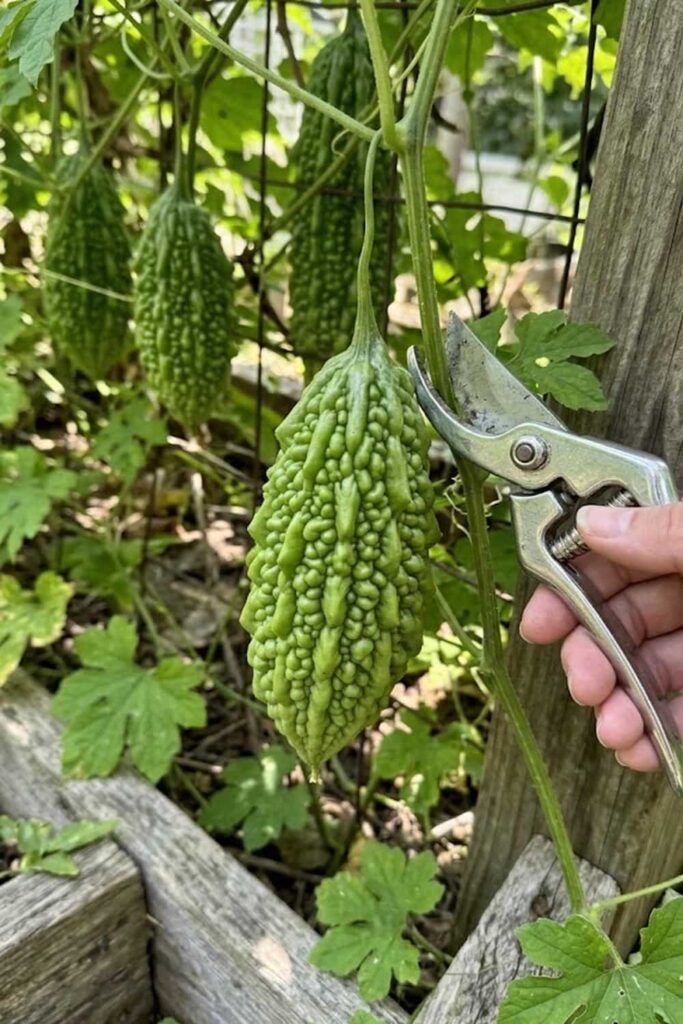
I have discovered that timing is everything when it comes to Harvesting Momordica charantia for the best culinary experience. You must pick the fruits when they are still immature, firm, and bright green. This is generally about 8 to 10 days after the flower falls off, and the fruit should be between 4 and 6 inches long (depending slightly on the variety). I always emphasize that you must never wait until the fruit begins to turn yellow or orange, as this indicates it is overripe; the texture becomes soft and pithy, the bitterness increases dramatically, and the interior seeds become large and hard. Regular, frequent Harvesting—at least twice a week—is essential, as it stimulates the vigorous vine to continue flowering and develop new fruits throughout the summer season, drastically increasing your total productive yield. Use a pair of clean shears or a sharp knife for a clean cut, as tearing the stem can damage the vine.
Long-Term Storage and Seed Saving
You should Carefully plan your Storage and seed-saving activities if you want to make the most of your how to grow Momordica fruit efforts year after year. For fresh use, store your unwashed green melons in the refrigerator’s crisper drawer, where they will stay firm for about 4 to 5 days, or you can blanch and freeze sliced segments for up to 6 months. To save seeds, however, you must allow one or two healthy fruits to fully ripen on the vine; they will turn brilliant orange, and the bottom will split open to reveal seeds covered in a bright red, sweet pulp (aril). I remove these seeds, wash away the pulp, and air-dry them on a mesh screen for two weeks. Labeling your saved seeds with the specific variety and collection date is essential. According to studies from heritage seed organizations, these saved seeds, when stored in a cool, dry, dark place, remain viable for Propagation for up to 3 to 5 years.
FAQ
Question: How to grow Momordica fruit successfully in containers?
- Answer: You must use a large pot at least 12 inches deep, provide a sturdy vertical trellis for the heavy vines, and ensure consistent daily watering and regular fertilizing.
- Question: Why are my Momordica fruit turning yellow and soft?
- Answer: This almost always indicates that the fruit is overripe and has been left on the vine too long; you must harvest when they are firm and bright green.
- Question: What is the most effective pest control for bitter melon fruit flies?
- Answer: The most effective organic method is physical exclusion; you must cover every developing fruit with a small paper or mesh bag immediately after pollination.
Can you grow Momordica fruit from store-bought seeds?
You can, but I highly recommend purchasing certified seeds. Store-bought produce may be hybrid varieties, meaning the seeds won’t grow true to the parent plant, or they may be saved from immature fruits and won’t germinate. Starting with professionally sourced seeds ensures a predictable, strong result.
How do you reduce the bitterness of Momordica fruit?
I’ve found several effective techniques: slicing the fruit and soaking it in saltwater for 30 minutes, blanching the slices in boiling water before cooking, or removing the inner pith and seeds entirely.
Note that academic research suggests that the unique compounds in Momordica offer significant medicinal benefits. By following these evidence-based steps to improve your garden’s overall health and productivity, you can reliably develop a sustainable, abundant source of this functional vegetable. I always recommend proactive Monitoring for fruit flies, if you want to ensure a satisfying and high-quality harvest.








