Buy 1 plant grown within 200 miles of your garden and watch it thrive on neglect. A native plant is a species that evolved in your region over thousands of years and fits its climate, soil, and wildlife without help.
A native plant belongs where it grows. It survived your winters, your droughts, and your insects for centuries before you planted it, and it needs no fertilizer, no spray, and little water once it is established. The trade is patience: a native grows slower than a hybrid in its first year, and its flowers are often smaller and quieter than a cultivar bred for show.
| What you need to know | The short version |
|---|---|
| Definition | Species that evolved naturally in your region |
| Age test | Present before European settlement, in the US |
| Local rule | Source within 160 to 320 km of your site |
| Benefits | Less water, less fertilizer, more wildlife |
| Watch out for | Nativars, cultivars of natives bred for show |
| Examples | Coneflower, milkweed, oak, serviceberry |
What Is Native Plant?
A native plant is an indigenous species that evolved and occurs naturally in a particular region, ecosystem, and habitat, without human introduction. The key word is region. A plant native to one valley can be a stranger 200 km away, and the label native means nothing without the place attached to it.
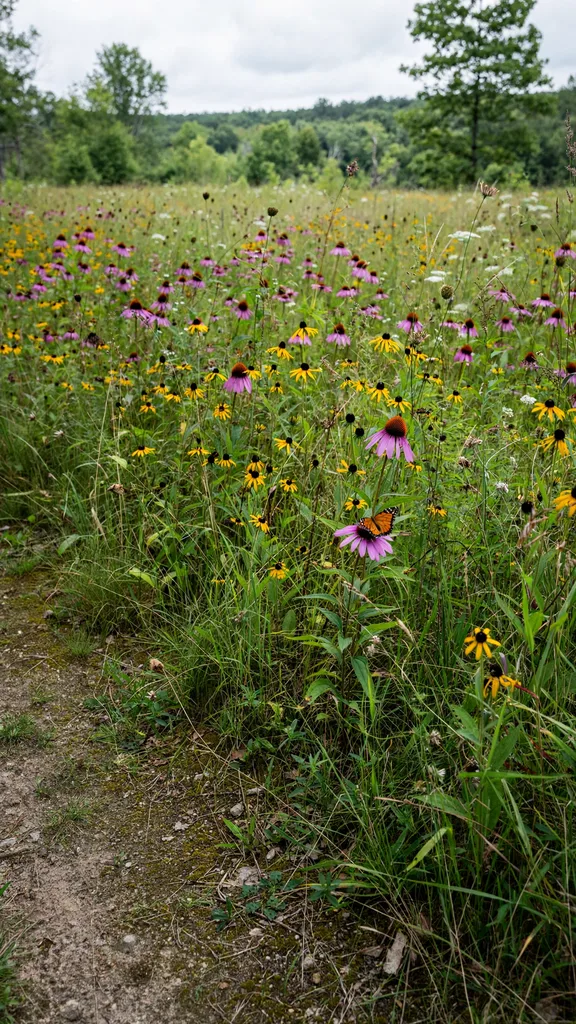
The age test draws the line. In the United States, a plant counts as native when it occurred naturally before European settlement. The US Department of Agriculture puts it plainly: only plants found in this country before European settlement are considered native to the United States, and the word native should always be used with a geographic qualifier. Native to New England is a claim. Native, with no place attached, is a slogan.
Local sourcing is the practical rule. A coneflower grown from seed collected 1,000 km away is the same species, but its genes are tuned to a different rainfall and a different frost date, and it may flower at the wrong time for your local insects. Virginia Tech Extension advises gardeners to consider local ecotypes, plants sourced and grown within a 100- to 200-mile range of the site. That range is 160 to 320 km, and a nursery that labels its stock by county or watershed is the one to buy from.
Native does not mean wild and messy. A native bed can be as tidy as any border, with the same spacing, mulch, and edging as a perennial bed. The difference sits underground and in the food web: the native’s roots feed soil life that evolved with them, its leaves feed the caterpillars that local birds raise their young on, and its flowers feed the pollinators that timed their season to its bloom.
How Native Plants Work
Adaptation is the engine. A native plant spent thousands of years in one climate, and natural selection kept the individuals that survived its droughts, its floods, and its insects. The survivors pass on deep roots for dry summers, waxy leaves for hot wind, and chemistry that local caterpillars can eat and foreign ones cannot. The plant arrives pre-tuned, and the gardener does not have to tune it.
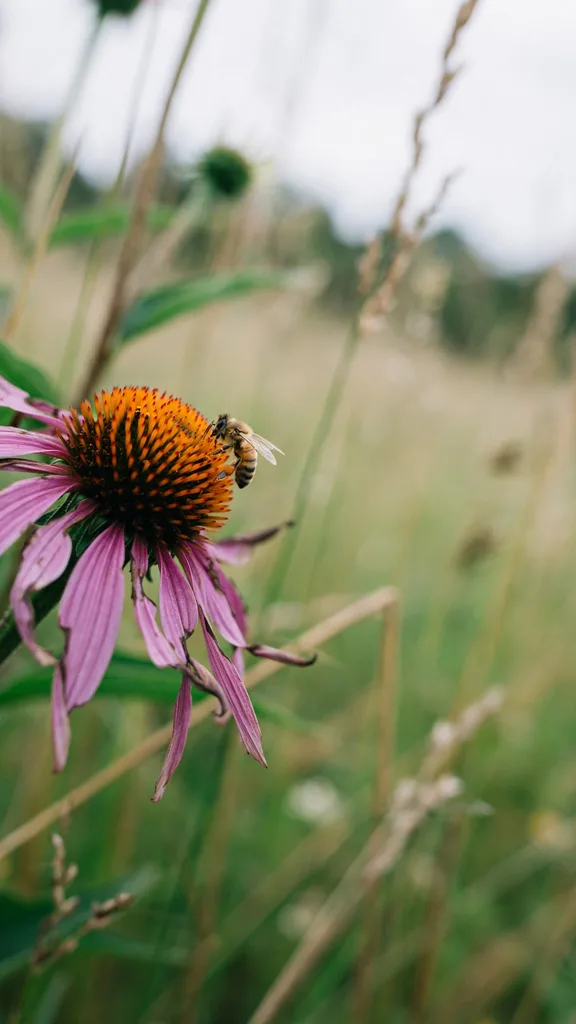
The food web is the payoff. Native plants feed the insects that feed the birds, and the chain starts with the leaf. A native oak supports hundreds of caterpillar species, and those caterpillars feed the nestlings in the trees above it. A non-native ornamental, however pretty, feeds almost nothing, because the local insects never evolved to eat it. A garden of exotics is quiet in a way a native garden is not, and the quiet is the missing food web.
Water use is the gardener’s saving. A native plant’s roots run deep, reaching moisture that shallow-rooted exotics never touch, and its leaves lose less water in hot wind. Once established, most natives need no watering except in a long drought, and no fertilizer at all, because the soil they evolved in is the soil they get. The saving is real money and real time, and it grows with every year the plant is in the ground.
Establishment is the slow part. A native planted in spring spends its first year growing roots, not flowers, and looks thin and unimpressive while it does. The second year it fills out. The third year it performs. A gardener who judges a native in its first summer pulls a plant that was about to thrive.
Native Plant vs Nativar vs Exotic
| Trait | Native plant | Nativar | Exotic |
|---|---|---|---|
| Origin | Evolved in your region | Cultivar of a native species | From another region or continent |
| Genetics | Local ecotype, wild type | Selected for color, size, or form | No local history |
| Wildlife value | Full: leaves, nectar, seed | Reduced, sometimes far less | Low, often near zero |
| Water and feed | Little once established | Similar to the native parent | Often needs more |
| Example | Wild purple coneflower | Echinacea ‘White Swan’ | Butterfly bush from Asia |
| Label | Species name, local source | Cultivar name in quotes | Species from elsewhere |
The table holds the distinction the nursery rarely explains. A nativar is a cultivar of a native species, bred for a showier flower, a shorter stem, or a different color. The nativar keeps the native’s roots and toughness, but its changed flower may offer less nectar, and its changed leaf chemistry may feed fewer caterpillars. A nativar is better than an exotic, and worse than the wild type, and the gardener who wants wildlife should buy the species, not the selection.
The exotic is the furthest step. Butterfly bush, English ivy, and Japanese honeysuckle all grow well, and all feed little local wildlife, and some escape the garden and invade wild land. The gardener who plants an exotic for the butterflies gets the adults and starves the caterpillars, because the adults drink nectar anywhere and the young eat only native leaves. The native plant feeds both ends of the life cycle.
How to Recognize a True Native Plant
Check the label for a place, not just a name. A true native label names the species and the source: Echinacea purpurea, grown from seed collected in your county or watershed. A label that says native with no place, and no source, is a slogan. A label that shows a cultivar name in single quotes is a nativar, and the quotes are the tell.
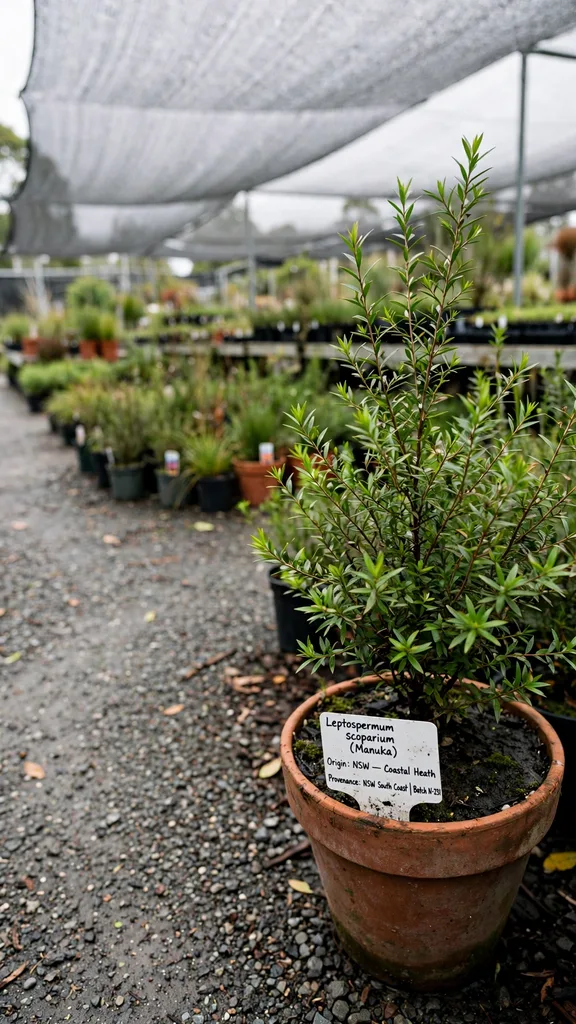
Ask the nursery where the seed came from. A native nursery knows its seed source by county, and will tell you without hesitation. A general nursery that buys native stock from a wholesaler 1,000 km away is selling the species, not the ecotype, and the plant may flower at the wrong time for your insects. The question takes 10 seconds, and the answer decides whether the plant truly belongs.
Watch the wildlife. A true native in its second year draws bees, butterflies, and caterpillars, and the leaves show small bites that prove the food web is working. A plant that stands untouched all season, with perfect leaves and no visitors, is either a nativar with changed chemistry or an exotic in disguise. The bites are the compliment, not the damage.
Common Mistakes With Native Plant
Buying a nativar and expecting full wildlife value is the first mistake. A double-flowered coneflower offers little nectar, because the extra petals replaced the parts the bees feed from, and a red-leaved native shrub feeds fewer caterpillars, because the chemistry changed with the color. Buy the wild type when wildlife is the goal, and keep the nativar for the show bed where looks matter more than lunch.
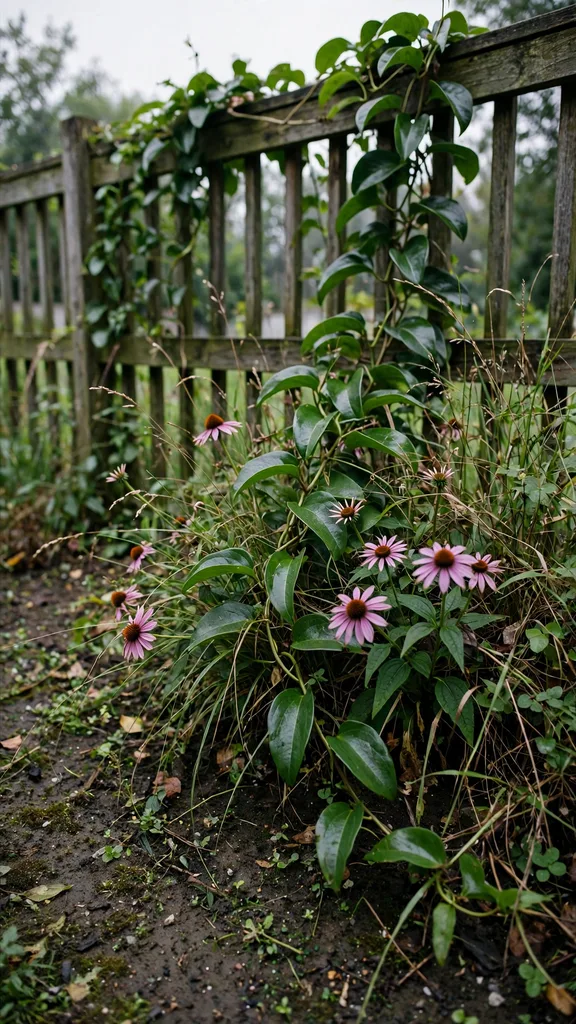
Planting a native from far away and calling it local wastes the point. A coneflower from a distant seed source may flower weeks off schedule for your local insects, and its seedlings may cross with the local wild population and dilute it. Buy from a nursery that sources within 160 to 320 km of your garden, and the plant will match the season it evolved for.
Treating a native bed like a lawn is the tidiness mistake. A native bed needs its leaf litter, its standing seed heads, and its dead stems through winter, because the insects overwinter in them. A gardener who clears the bed bare in autumn removes the habitat the natives were planted to provide. Leave the stems until spring, then cut them back when the new shoots show.
Expecting a native to behave like a hybrid disappoints the gardener. A native grows slower, flowers smaller, and looks wilder than a bred cultivar, and a gardener who compares them side by side in year one concludes the native failed. Compare them in year 3, when the native is established and feeding the garden, and the hybrid is still waiting for its yearly feed and water.
When Native Plant Matters in Your Garden
Native plants matter most when the garden must feed wildlife. A bed of natives supports the caterpillars that raise the nestlings, the bees that pollinate the vegetables, and the birds that eat the seed, and no amount of birdseed replaces the food web. A garden with natives is a habitat, and a garden without them is a decoration.
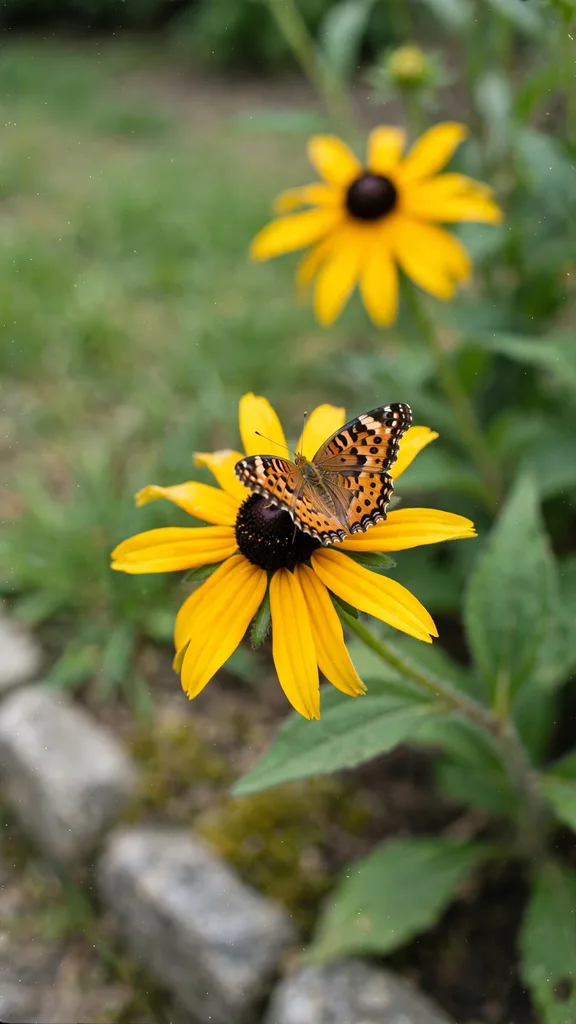
They matter again when water is scarce. A native bed, once established, needs little watering and no fertilizer, and it survives the drought that kills a bed of thirsty exotics. A gardener in a dry climate, or on a water meter, saves money and time with every native planted, and the saving grows with each year the roots go deeper.
They matter least in a container on a balcony, where the soil is bought, the water is measured, and the wildlife cannot reach. A pot of herbs or a window box of annuals serves that spot better, and the native belongs in the ground where its roots can run. Australian natives get their own list at Australian native plants, a different job from this page. The gardening glossary sets the terms, and a perennial returns for years whatever its origin. The native plant adds the place to the perennial’s promise.
FAQ
Partly. A nativar is a cultivar of a native species, bred for a showier flower, a shorter stem, or a different color. It keeps the native’s roots and toughness, but its changed flower or leaf may feed less wildlife than the wild type. A nativar is better than an exotic and worse than the true native. Buy the wild type when wildlife is the goal.
Source it within 160 to 320 km of your garden, which is 100 to 200 miles, and closer is better. A plant grown from seed collected in your county or watershed matches your rainfall, your frost dates, and your insects. A plant of the same species from far away may flower at the wrong time for local pollinators, and its seedlings may dilute the local wild population.
Yes, once established. A native’s deep roots reach moisture that shallow-rooted plants never touch, and its leaves lose less water in hot wind. Most natives need no watering after their first year except in a long drought, and no fertilizer at all. Water deeply in the first season while the roots establish, then step back and let the plant work.
Yes. A small garden can hold a native bed in a border, a corner, or a strip along a fence, and even a few native plants feed the local food web. Choose species that fit the space: a compact coneflower rather than a spreading oak, and a clumping grass rather than a running one. A container of natives on a patio helps, though the roots do best in open ground.
They attract wildlife, which is the point, and that includes the caterpillars that eat their leaves. The bites are small, the plants evolved with them, and the birds that eat the caterpillars keep the balance. A native bed rarely needs spraying, because the predators arrive with the prey. A plant with perfect, untouched leaves is usually feeding nothing at all.