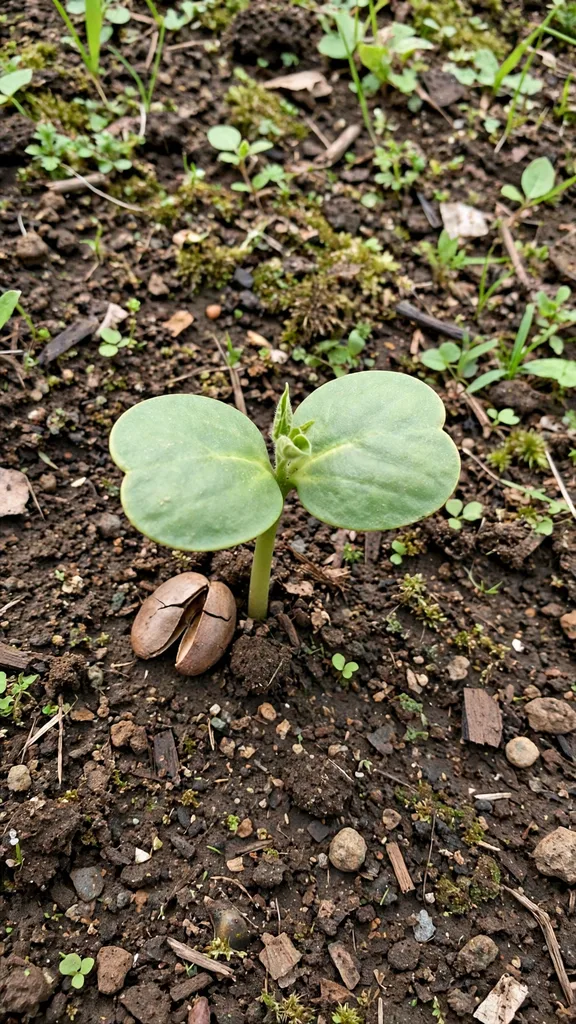
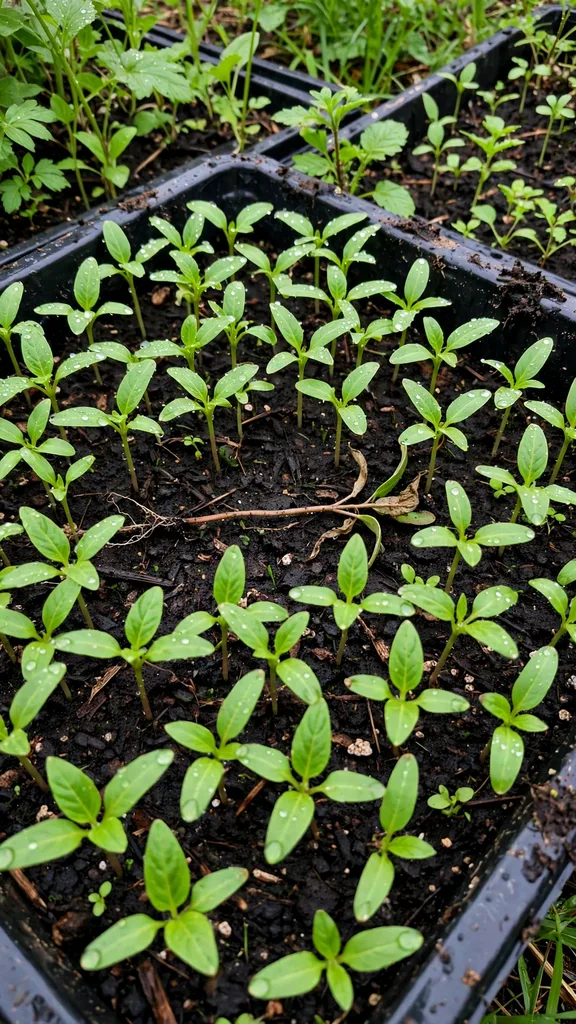
Set 6 seedlings outside for 3 hours in the shade, then bring them back in. Hardening off is a slow move from indoor shelter to outdoor weather, spread over days, so leaves, stems, and roots learn sun, wind, and cold nights without shock.
A seedling raised indoors lives a soft life. The air stays still, the light stays weak, the temperature stays steady, and water arrives on schedule. The garden offers the opposite: gusty wind, hard sun, cold nights, and drying soil. A seedling moved straight from tray to bed faces all four changes in one hour. Leaves scorch, stems wilt, and growth stalls for a week.
Hardening off bridges the two worlds one change at a time. Shade first, then morning sun. Still air first, then a breeze. Short stays first, then a full day and a night outside. Each step thickens the leaf skin, stiffens the stem, and slows water loss. A hardened seedling stands in the bed the day it moves and grows the next morning. The transplant guide covers the move itself once hardening ends.
| Hardening Off at a Glance | Detail |
|---|---|
| What it is | Gradual outdoor exposure before transplanting |
| Start | 2 weeks before planting outdoors |
| First step | A few hours in the shade |
| Build up | Longer stays, more sun, then nights outside |
| Signs it works | Sturdy stems, firm leaves, no wilt in sun |
| Skip it and | Scorched leaves, wilt, stalled growth |
| Crops that need it | Tomatoes, peppers, squash, flowers, herbs |
What Is Hardening Off?
Hardening off is the process of gradually accustoming indoor-grown plants to outdoor conditions before transplanting them into the garden. The gardener moves seedlings outside for short periods, then longer ones, until they spend full days and nights outdoors. The plant adapts its leaves and stems to sun, wind, and temperature swings before it must survive them alone.
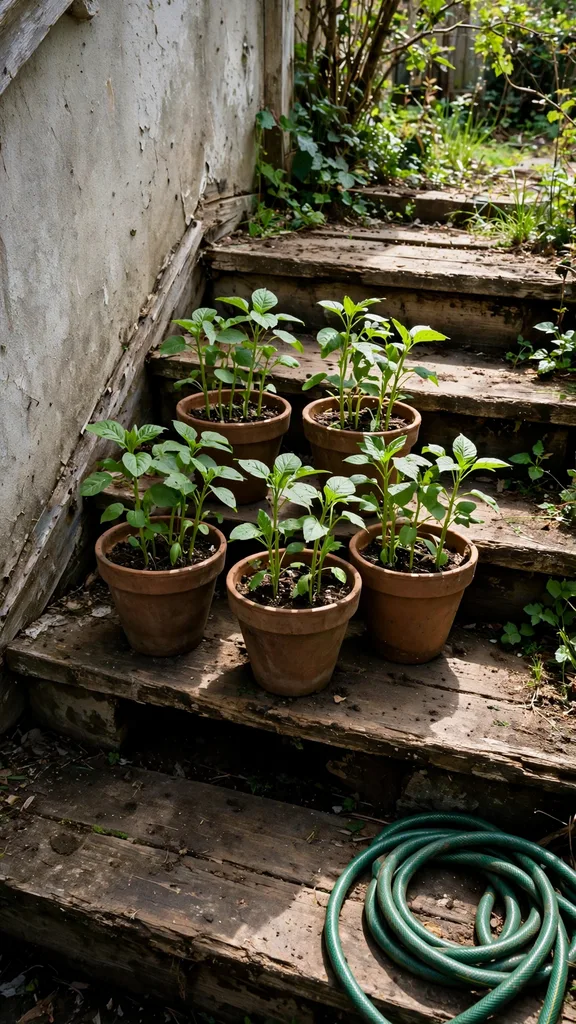
The deciding window is 2 weeks. Two weeks before planting outdoors, move seedlings outside, starting with a few hours in the shade during the warmest part of the day, according to the University of Minnesota Extension guide to starting seeds indoors. Lengthen the stay a little each day, add direct sun in small doses, and leave the plants out overnight only at the end, when nights stay mild. A seedling that spends 2 weeks on this schedule meets the bed as a toughened plant.
Hardening off differs from transplanting in one respect: nothing moves permanently until the end. The seedling returns indoors each night during the early steps. The pots stay portable, the tray stays light, and the gardener carries the plants in and out. Only the final step leaves them out for good. A gardener who skips the carrying saves 14 days of trips and pays with a week of stalled growth.
The term also covers cuttings and greenhouse plants, not only seedlings. Any plant raised under cover needs the same slow introduction to the open garden. The direct sow page shows the other route, where seed germinates outdoors and never needs hardening at all.
How Hardening Off Works
Hardening off works by changing the leaf and the stem. Indoor leaves grow thin, with a weak waxy coat and wide-open pores that lose water fast. Outdoor exposure thickens the waxy coat, narrows the pores, and builds a stiffer cell wall. The leaf loses less water in wind and burns less in sun. The stem thickens the same way, with more fiber and a woodier feel.
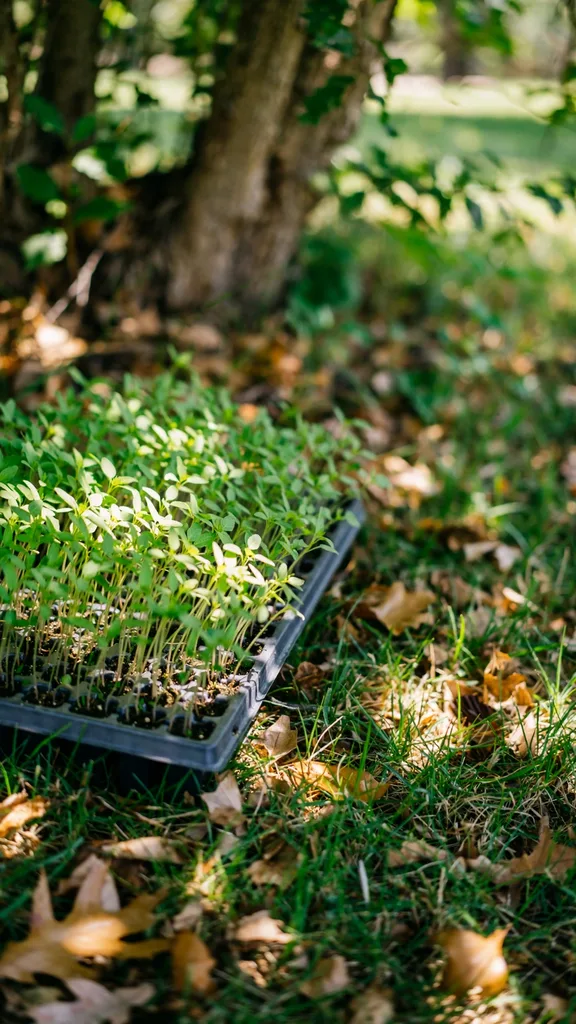
Sun drives the first change. A seedling moved into full sun without preparation scorches, since its thin leaves cannot shed the heat or the ultraviolet light. Short doses of morning sun build tolerance a little at a time. Shade cloth or a north-facing wall gives the first dose. Direct sun for an hour, then shade again, then a longer dose the next day.
Wind drives the second change. A seedling in still air grows a tall thin stem with no reason to stiffen. A breeze bends the stem a little each day, and the plant answers with thicker walls. A small fan indoors starts the same process before the first outdoor trip. Shake the tray gently each day, and the stems thicken without ever leaving the bench.
Cold nights drive the third change. Indoor nights stay warm, and the plant never learns to slow its growth for cold. Nights outside teach it to pause, and the pause protects the tissue from a late frost. Bring plants in if frost threatens during hardening. A frost on an unhardened seedling kills it. A frost on a hardened seedling still damages it, yet the plant often recovers.
The North Carolina Extension Gardener Handbook chapter on propagation states the cost of skipping the process plainly: plants produced inside and planted outdoors without a hardening period suffer severely limited growth. The schedule costs 2 weeks of carrying. The skip costs a week of stalled growth or a dead flat.
Hardening Off vs Transplant Shock
| Feature | Hardening Off | Transplant Shock |
|---|---|---|
| What it is | Slow preparation before the move | The setback after a hard move |
| Timing | 2 weeks before transplanting | Days after transplanting |
| Cause | Gradual exposure, controlled | Sudden sun, wind, cold, root damage |
| Signs | Sturdy stems, firm leaves | Wilt, scorched leaves, no growth |
| Fix | Longer schedule, gentler steps | Shade, water, patience |
| Preventable | Yes, with a schedule | Yes, by hardening off first |
| Duration | 2 weeks of short trips | Days to weeks of stalled growth |
Transplant shock is the bill for skipping hardening off. The plant wilts, drops leaves, and sits still while its roots re-establish and its leaves adapt. A hardened plant pays a small bill or none at all. An unhardened plant pays the full one, and a tender crop may never recover before the season ends.
The two also differ in where they happen. Hardening off happens on the porch, the patio, and the cold frame, with the gardener carrying pots back and forth. Transplant shock happens in the bed, after the move, where the gardener can only shade and water. Prevention sits in the gardener’s hands. Cure sits in the weather.
A plant can suffer transplant shock even after hardening, when roots break during the move or the bed dries out. Hardening off removes the sun, wind, and cold from the shock, leaving only the root disturbance. Handle roots gently, water the bed before the move, and the shock shrinks to a day of wilt.
How to Measure Hardening Off
Measure hardening off by the clock and by the leaf. Start the count 2 weeks before the planting date, and write the start date on a label. Day 1 means a few hours in shade. Day 4 means a half day with an hour of morning sun. Day 7 means a full day outside with several hours of sun. Day 10 means the first night outside, when the forecast stays mild. Day 14 means the move.
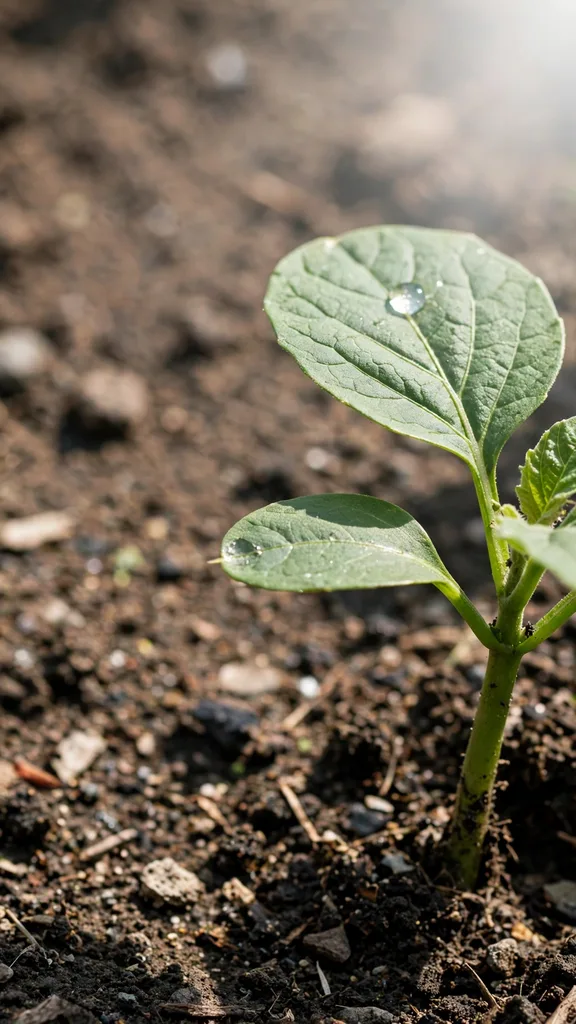
Watch the leaves for the real measure. A seedling ready for the bed holds its leaves flat in full sun at noon, with no curl, no white patches, and no wilt by evening. A seedling not ready curls its leaf edges by midday and wilts by afternoon, even in damp mix. Curling leaves mean shorter sun doses for 2 more days, then try again.
Watch the stem too. A hardened stem stands upright in a breeze and springs back when bent gently. An unhardened stem flops in the same breeze and stays bent. Roll the stem between thumb and finger: a hardened stem feels firm and slightly rough, while an unhardened stem feels soft and smooth. The touch test takes 5 seconds and beats the calendar.
Watch the night forecast. The last step of hardening is a night outside, and it needs a frost-free forecast. A seedling that spends a mild night outside without damage is ready for the bed. A seedling that shivers through a cold night needs 2 more days of day-only trips. Never leave a tender seedling out on a frost night during hardening.
Common Mistakes With Hardening Off
Skipping the schedule entirely tops the list. A seedling moved from a windowsill to a sunny bed in one day scorches, wilts, and stalls. The fix costs nothing but time: 2 weeks of short trips, starting in shade. A gardener who has no time for the schedule should buy hardened plants from a nursery instead.
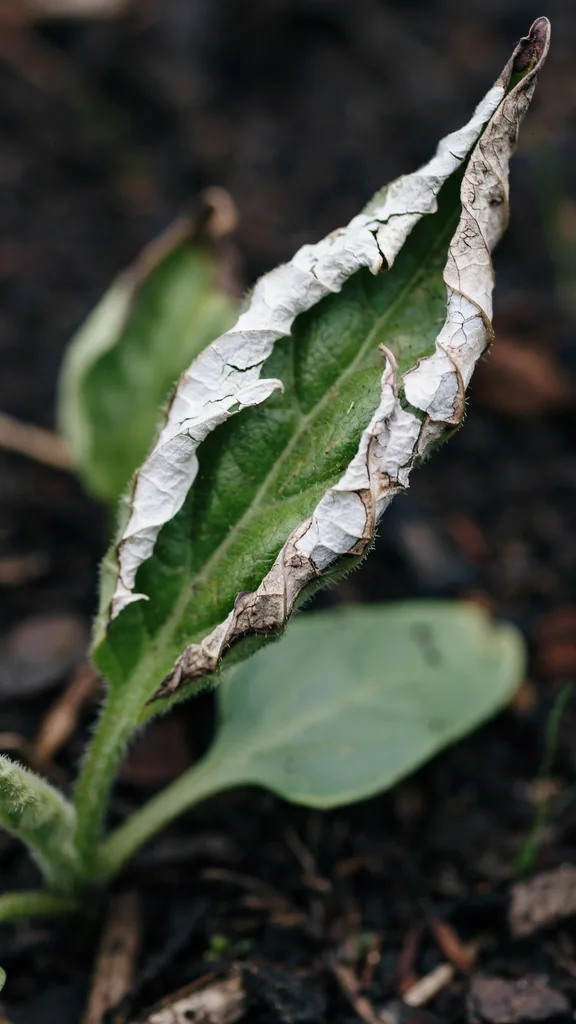
Starting with full sun runs second. Morning sun for an hour is a dose. Full sun for a day is a burn. Begin in shade, add sun in small steps, and watch the leaf edges each evening. White patches mean the dose was too big. Cut the next dose in half.
Forgetting the plants outside overnight runs third. A mild day can hide a cold night, and a tender seedling left out on a frost night dies. Check the forecast each evening during the last week, and bring plants in when frost threatens. A cold frame with a lid gives the same protection without the carrying.
Skipping water during hardening runs fourth. Outdoor air dries pots fast, and a small pot dries in hours under sun and wind. Check the mix twice a day during hardening, and water when the top feels dry. A wilted seedling during hardening is usually thirsty, not sunburned. Water it, shade it, and try a shorter dose the next day.
When Hardening Off Matters in Your Garden
Hardening off matters most for tender crops raised indoors: tomatoes, peppers, eggplant, squash, cucumbers, and most flowers. These plants come from warm climates and hate cold nights and hard sun. A hardy crop such as peas or lettuce needs only a short schedule, while a tender crop needs the full 2 weeks.
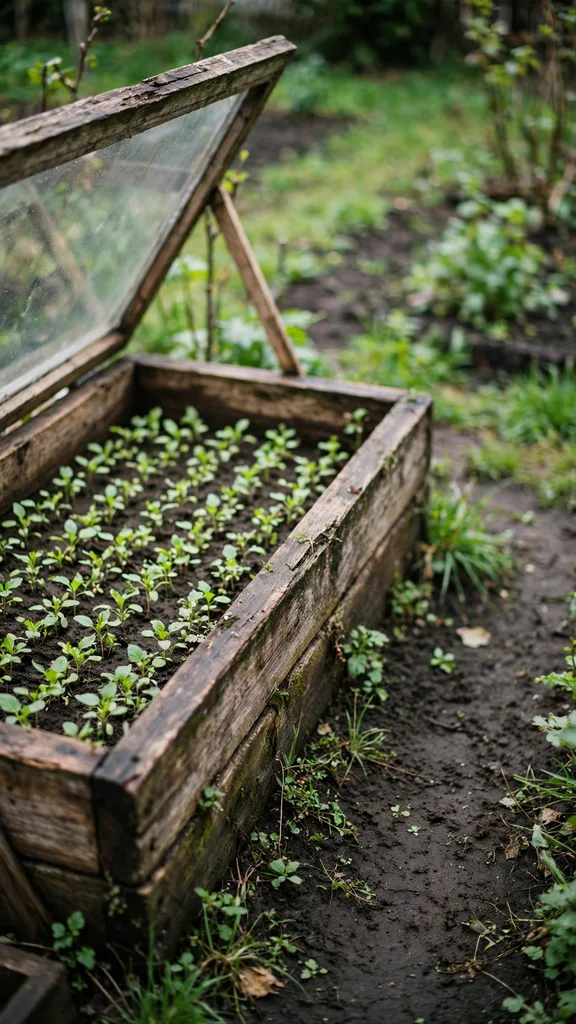
It matters after a long indoor season too. A seedling raised under lights for 10 weeks is softer than a seedling raised for 4 weeks, since it never felt a breeze. Long-season seedlings need the longest hardening. Short-season seedlings harden fast, yet they still need the first shade step.
It matters in windy and sunny gardens most of all. A sheltered courtyard forgives a skipped schedule. An open windy bed does not. Match the schedule to the site: windy sites get the full 2 weeks with extra breeze days, and sheltered sites get a shorter run. The full index of seed terms lives in the gardening glossary.
FAQ
Plan on 2 weeks before the planting date, starting with a few hours in the shade and building up to full days and nights outside. Hardy crops may finish sooner, while tender crops need the full run. A seedling that holds its leaves flat in noon sun and survives a mild night outside is ready for the bed.
Yes, and the leaves show it. White scorched patches, curled edges, and wilt by afternoon all mean the sun dose was too big. Cut the next dose in half, return to shade, and add 2 more days to the schedule. A slow schedule costs days, while a fast one costs leaves.
Yes, for the first week, and whenever frost threatens. Bring plants in at dusk and set them out again in the morning. Leave them out overnight only in the last few days, when nights stay mild. A cold frame with a lid works as a halfway house without the daily carrying.
Leaves scorch in the sun, stems wilt in the wind, and growth stalls for days or weeks while the plant adapts in the bed. Tender crops may die outright. Shade the bed, water well, and wait, yet the lost week never comes back. A 2-week schedule prevents the whole loss.