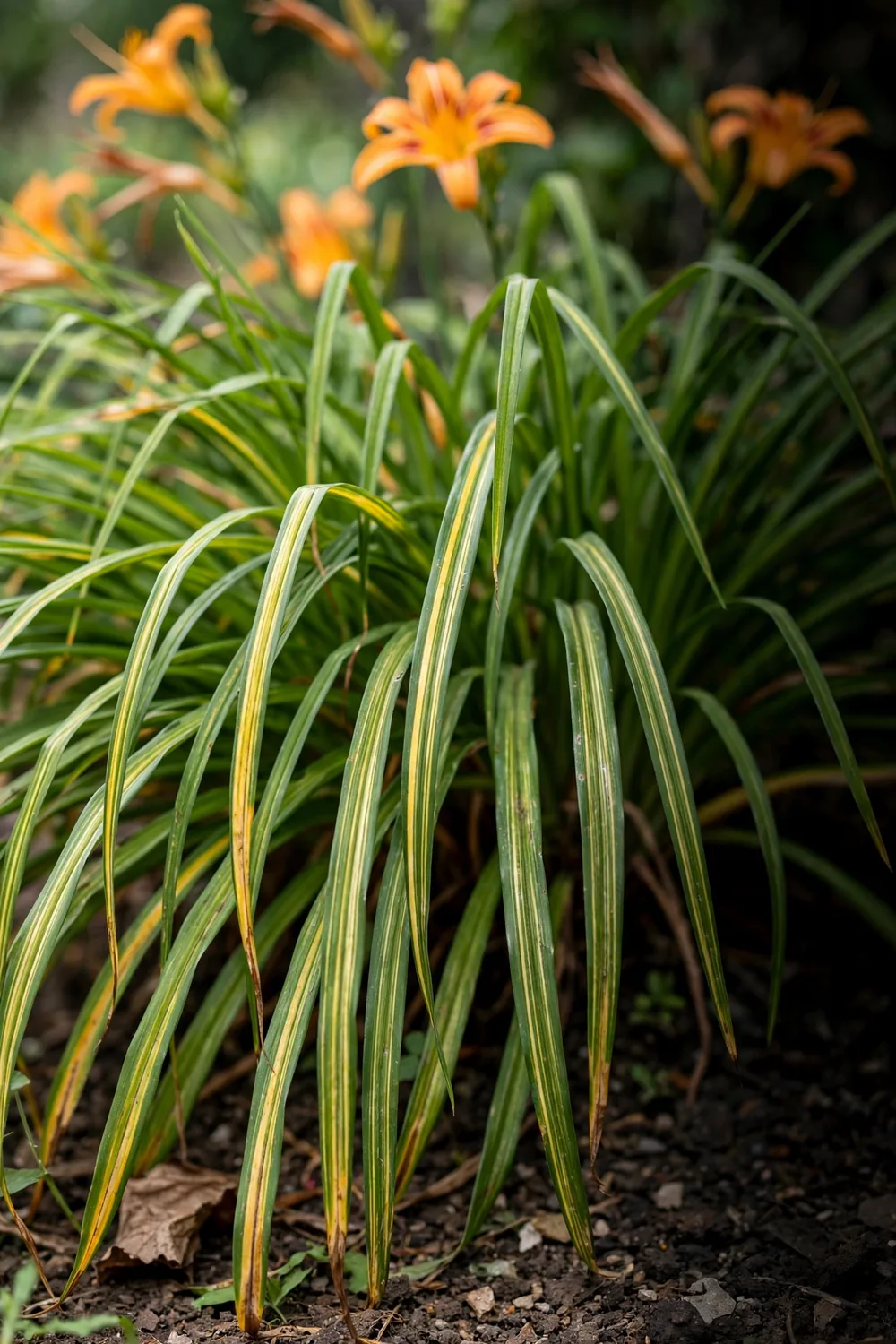

Daylily leaf streak turns daylily leaves yellow from the tip down, and most cases are cosmetic, not fatal. The yellow streak follows the midvein, the tissue browns, and in severe cases the leaf dies, while the flowers keep opening as usual. The 10 strategies below tell you how to separate leaf streak from daylily rust with the finger test, how to cut the fungus out of your garden in fall, and when a spray is ever justified.
Daylily leaf streak is a fungal disease of daylily (Hemerocallis species) only. The pathogen is Aureobasidium microstictum. Older names for the same fungus include Collecephalus hemerocalli, Kabatiella microsticta, and Gloeocephalus hemerocalli. One fungus, several names, one disease. Never present Collecephalus as a separate disease.
The name on the page matters. Clemson spells the epithet “microstichum”; current sources spell it “microstictum”. Same fungus, spelling variant, not a different organism. The garbled spelling “Aureobasidium macrostictum” that appears on some web pages is a misspelling, not the pathogen name. This article uses Aureobasidium microstictum throughout.
What Daylily Leaf Streak Actually Is
Daylily leaf streak is a fungal leaf disease of daylily. The fungus overwinters in daylily leaf debris, where it produces spores that initiate the disease each spring. Spores produced on infected leaves lead to additional infections. The disease is most common in warm, wet weather. The debris is the winter home. The spring spores are the new infection.
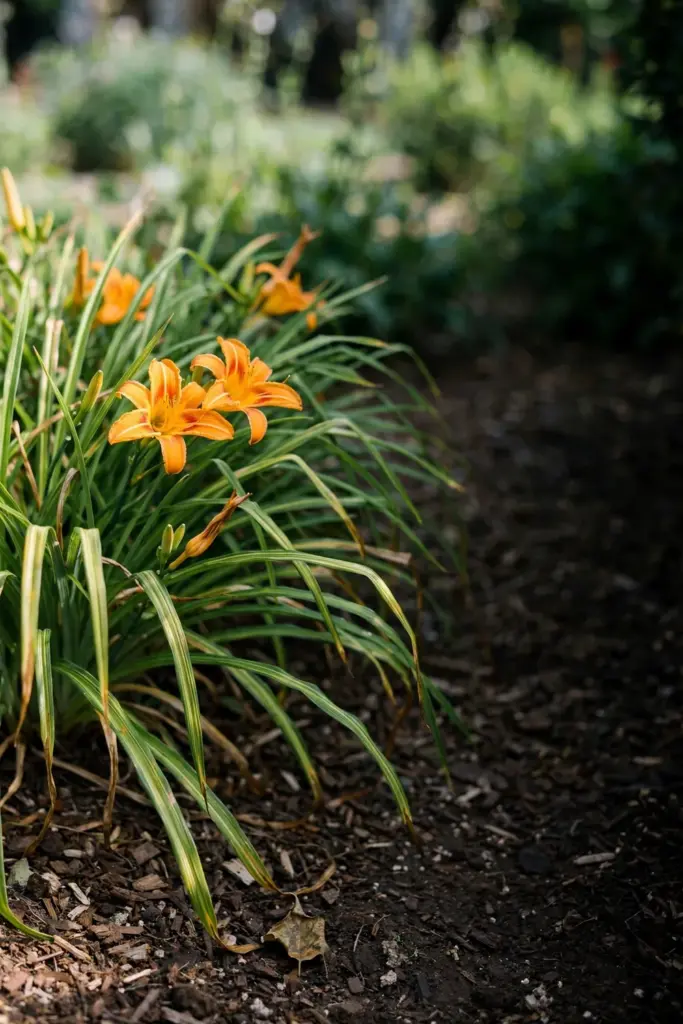
Daylily leaf streak is a common disease of daylilies, affecting daylilies wherever they are grown. Daylily varieties can vary widely in susceptibility to the disease. Oftentimes leaf streak is a cosmetic problem, causing little damage. In some cases, leaf streak can cause substantial leaf loss, and rarely, it may lead to complete defoliation of daylily plants. The cosmetic case is the norm. The defoliation case is the rare severe end.
The spring cycle runs on debris and wet leaves. Spores that overwintered in last fall’s leaf debris start the first infections as soon as the new foliage emerges and stays wet. Each infected leaf then produces more spores, and each wet spell starts another round, so a single uncleaned clump can feed several infection cycles in one season. The cycle stops only when the leaves dry, the heat rises past the ceiling, or the debris leaves the garden. The debris is the fuel. The wet leaf is the ignition. The cleanup is the shutoff.
Injury opens the door. Pest feeding, hail, and careless handling break the leaf surface, and a break gives the fungus an entry point that intact skin would have denied it. A clump with heavy aphid feeding or slug damage streaks faster than a clean clump, because the wounds are already open. The pest control is the disease control. The intact leaf is the fence.
How to Identify Daylily Leaf Streak on Your Daylilies
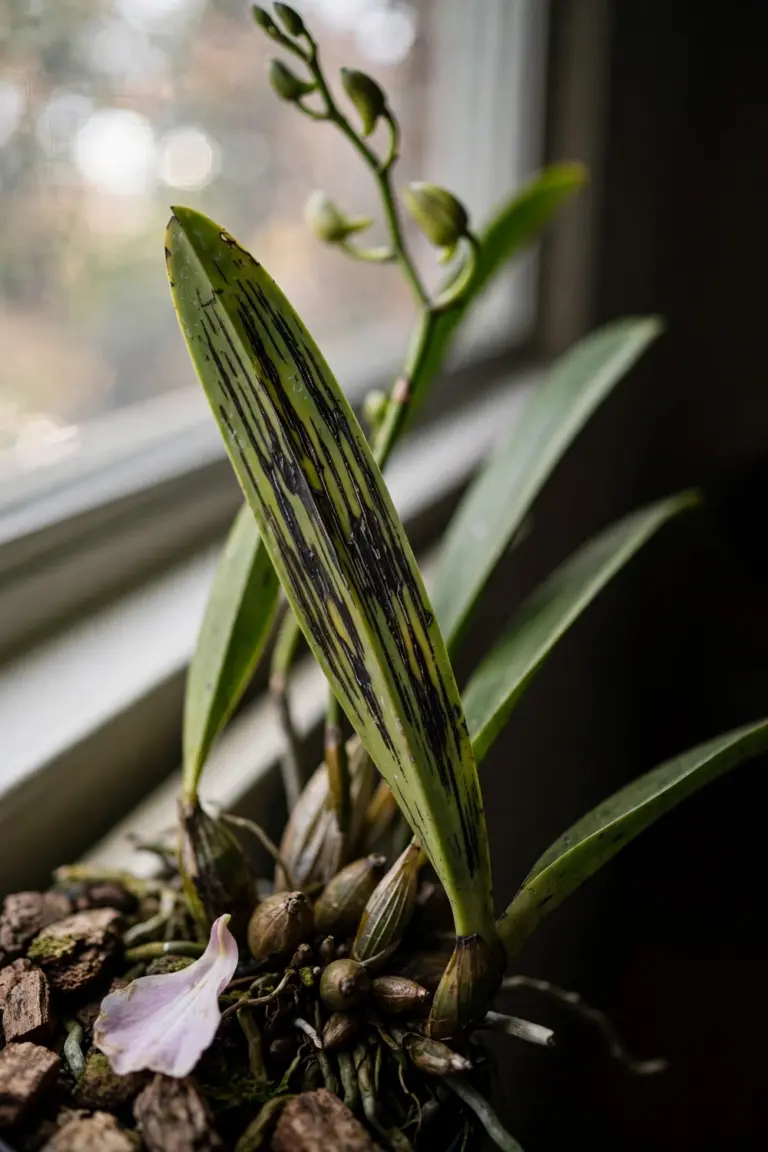
Watch the leaf tips first. Leaf streak symptoms often initially appear as yellowing that begins at leaf tips and spreads down along and outward from the midveins of leaves. This tissue eventually browns and dies. The yellow streak along the midvein is the first sign. The brown death is the second.
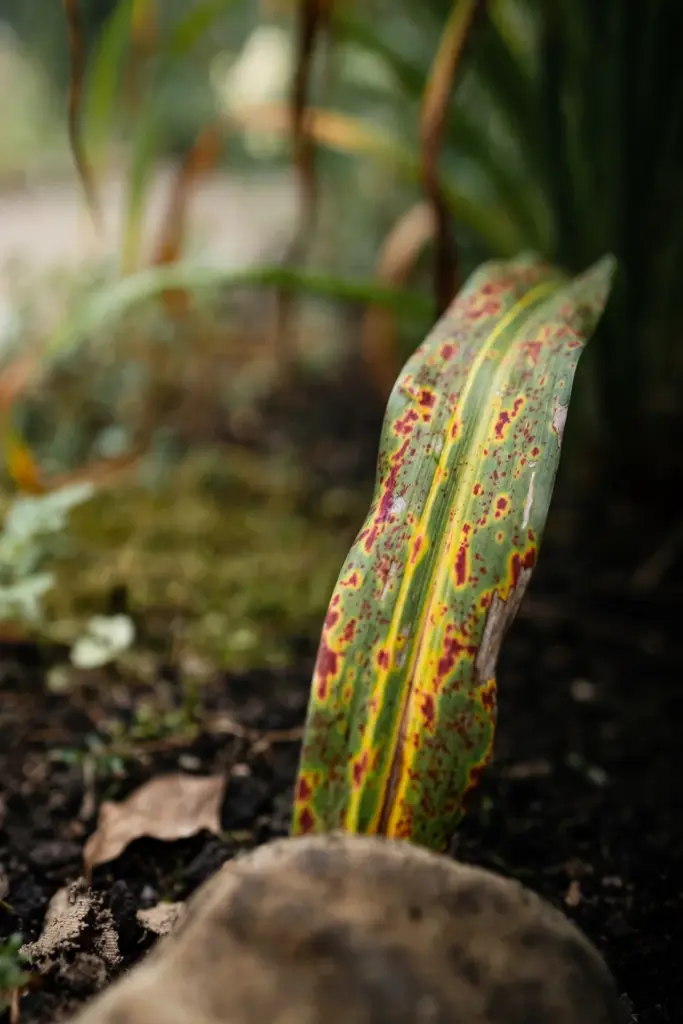
Look for red-brown flecks. Red-brown flecks may also be a symptom of leaf streak, and these flecks enlarge, turn brown, and become surrounded by yellow halos. As the disease progresses, complete leaf death can occur. The fleck is the early lesion. The halo is the host response. The dead leaf is the late stage.
Check the flowers last. Daylily leaf streak does not affect daylily flowers, so the flowers keep opening on a streaked plant, the leaf disease stays on the leaves, and the bloom carries on.
Check the whole clump, not one leaf. A single streaked leaf can be a wound, a frost mark, or the start of the disease, and the pattern across the clump tells you which one it is. Leaf streak starts at leaf tips and follows the midvein down, so a clump with several leaves showing the same tip-down streak is a streaked clump. A clump with one spotted leaf and the rest clean is more likely a wound or a pest mark. The pattern is the diagnosis. The single leaf is the question.
Check the season. The disease is most common in warm, wet weather, so the warm wet spring brings it, the hot dry summer slows it, and the fall debris carries it to next year.
Which Daylilies Get Hit Hardest
Daylilies only. Host scope is daylily (Hemerocallis species) only. No other host appears in Clemson or in the Extension literature. The disease is a daylily disease. The neighbor plants are not hosts.
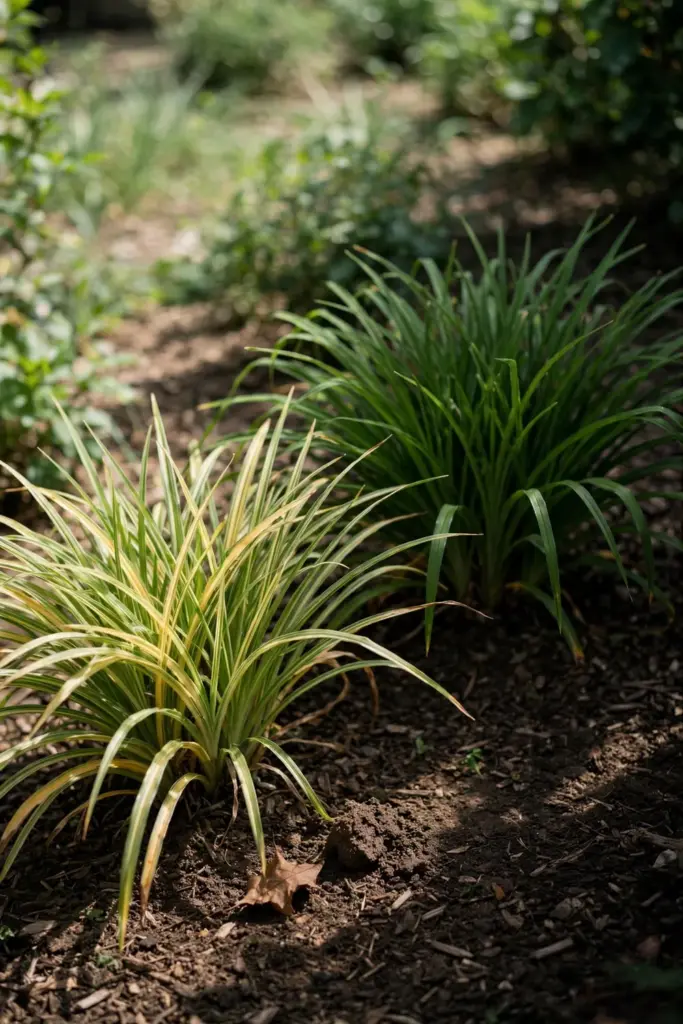
Cultivars vary widely. Daylily varieties can vary widely in susceptibility to the disease. Some cultivars streak heavily, some barely at all. The cultivar is the biggest susceptibility lever. The variety choice is the prevention.
The cultivar difference shows in the bed. Two clumps side by side, same water, same soil, same weather, can streak very differently, and the difference is the cultivar, so a gardener who replaces a chronic streaker with a reported-resistant variety removes the problem at the root instead of fighting it every season.
Stressed plants streak more. Nutritionally and water stressed daylilies are more susceptible to this disease than healthy, vigorous plants. The stressed plant is the streaked plant. The vigorous plant resists. The feeding and watering are the defense.
Daylily Leaf Streak vs Daylily Rust
The real differential on daylily is leaf streak versus daylily rust. The finger test separates them in the field. The table below is Extension-corroborated (Illinois Extension, UMass Extension, UGA Extension), not compiled from parallel descriptions that never compare.
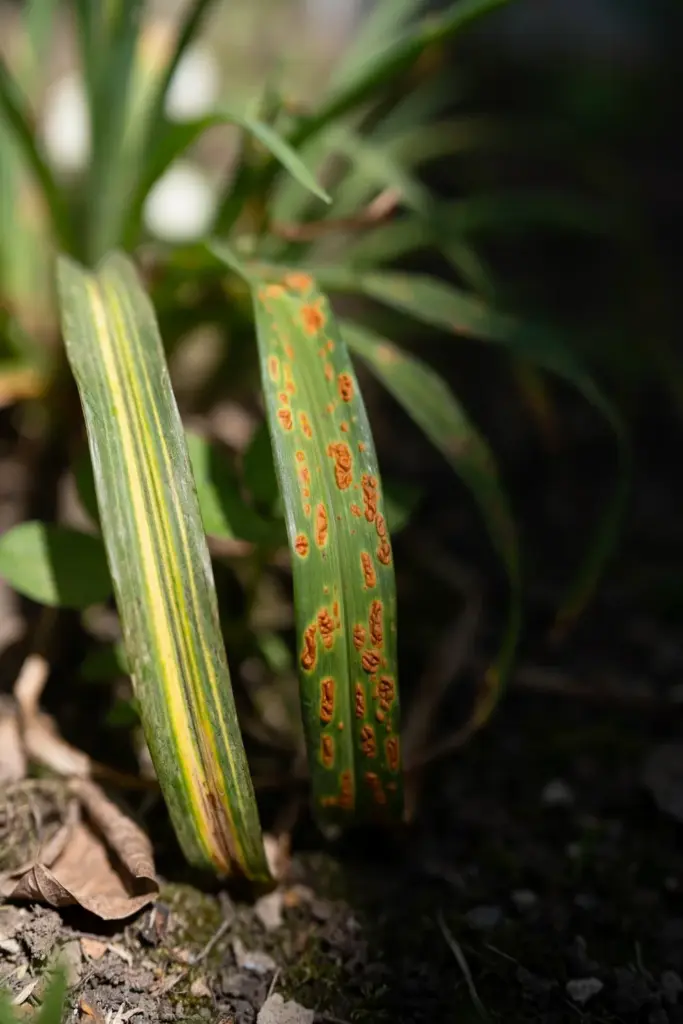
| Clue | Daylily Leaf Streak (Aureobasidium microstictum) | Daylily Rust (Puccinia hemerocallidis) |
|---|---|---|
| Raised pustules | No pustules | Raised pustules on leaves |
| Finger test | No orange powdery residue | Orange powdery residue on finger or white tissue |
| Lesion type | Yellow streak along midvein, then brown; red-brown flecks with yellow halos | Small water-soaked spots expanding to pustules that release powdery spores |
| Spore color | No loose colored spores | Bright orange spores on upper and lower leaf surfaces |
| Flowers | Not affected | Not known on flowers; infections found on foliage |
| Action | Sanitation, water management, fall cleanup | Sanitation, remove infected leaves, report to local Extension in some regions |
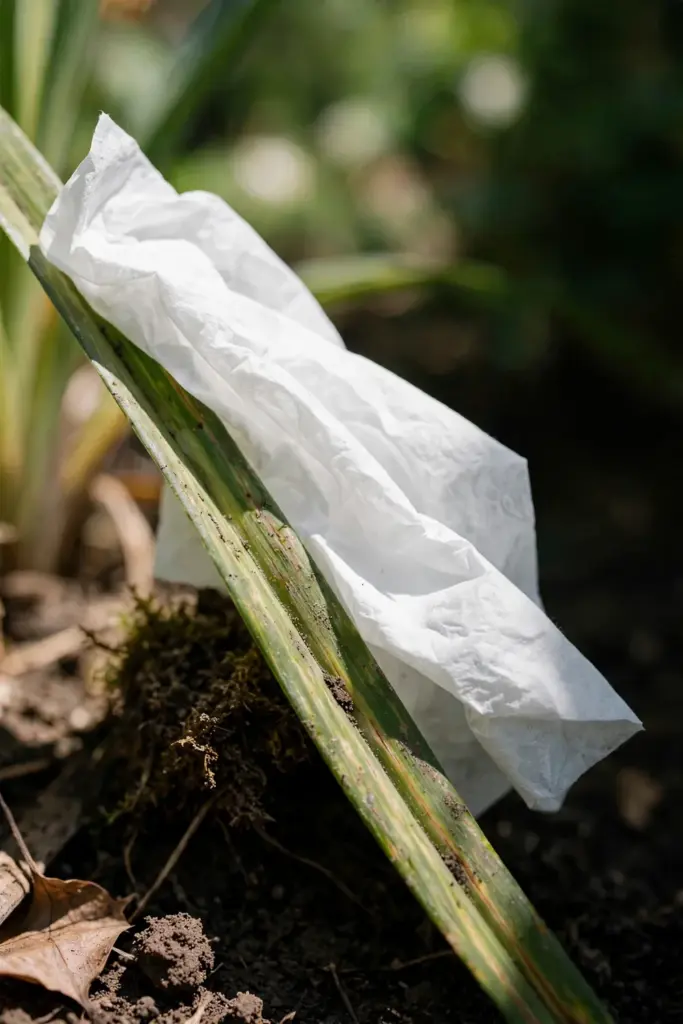
Run the finger test. Run a finger along the underside of leaf lesions; an orange, powdery residue will result from the spores of daylily rust. A white facial tissue wiped along a rust pustule picks up an orange-yellow stain. No orange stain will result on a tissue if the problem is leaf streak disease. The orange stain is rust. The clean tissue is streak.
Positive ID needs a microscope. Field ID is presumptive; a positive identification needs microscopy. The finger test separates streak from rust in the field. The microscope confirms. The lab settles the doubt.
Rust is the neighbor, not the merge. Daylily rust is a separate disease with its own article elsewhere. This article covers leaf streak. The rust rows above are the differential, not the topic. The two diseases share a host and a garden, never a pathogen.
Rule out the lookalikes in one pass. Spring sickness is cold injury from late spring frosts, not a disease and not leaf streak. Daylily leaf scorch is a symptom label covering separate Clemson entries (Cercospora species and Colletotrichum species), not a synonym of leaf streak. Aphid feeding can mimic the early streak. The lookalike fence keeps the diagnosis clean.
How Daylily Leaf Streak Spreads
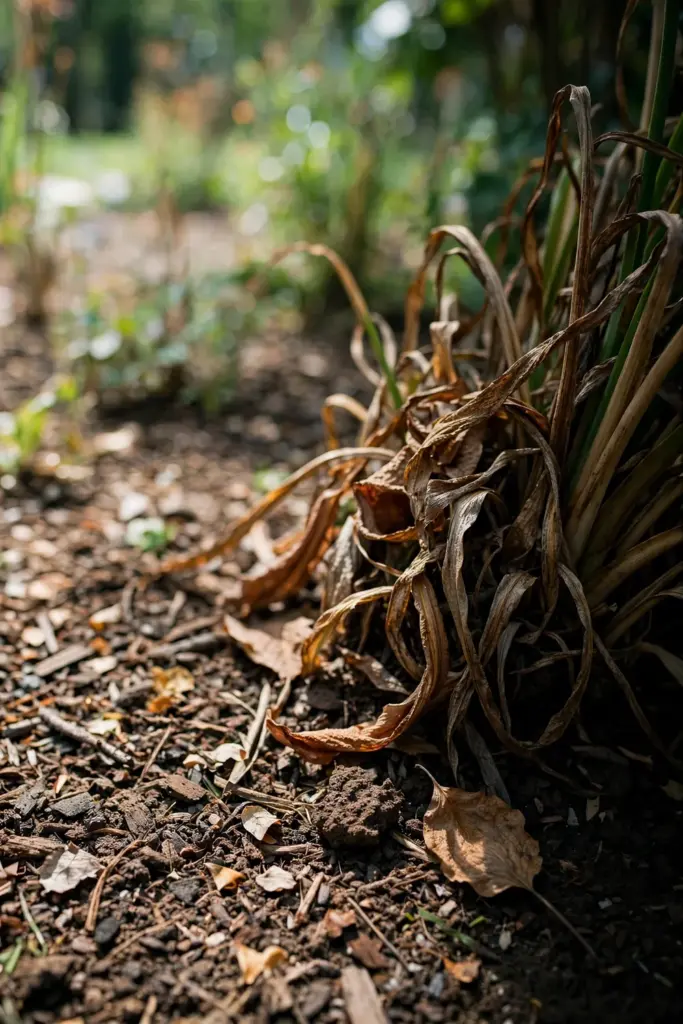
Debris carries it through winter. The fungus overwinters in daylily leaf debris, where it produces spores that initiate the disease each spring. The fall debris is the winter home. The spring spores are the new infection. The cleanup is the break.
Splash moves it leaf to leaf. Fungal spores are released when the foliage is wet and are spread by splashing water. The sprinkler is the splash machine. The soaker hose is the safe water. The wet leaf is the spreading leaf.
The drying break matters. A leaf that dries within a few hours after rain or watering gives the spores little time to germinate and infect. A leaf that stays wet through the night gives them hours. The drying time is the infection window. The morning sun is the closer. The evening water is the opener.
Workers and tools move it too. The pathogen can also be disseminated by workers and tools, especially when leaves are wet. The wet glove is the vector. The wet pruner is the vector. The dry work is the safe work.
Wind carries spores as well. Windborne spores spread the fungus between plants, so the wind is the distance spreader, the spacing is the wind fence, and the close clump is the easy target.
What Raises the Risk of Daylily Leaf Streak
Warm, wet weather raises the risk most. The disease is most common in warm, wet weather, so the wet spring is the streak spring, the hot dry summer is the slow summer, and the weather is the season.
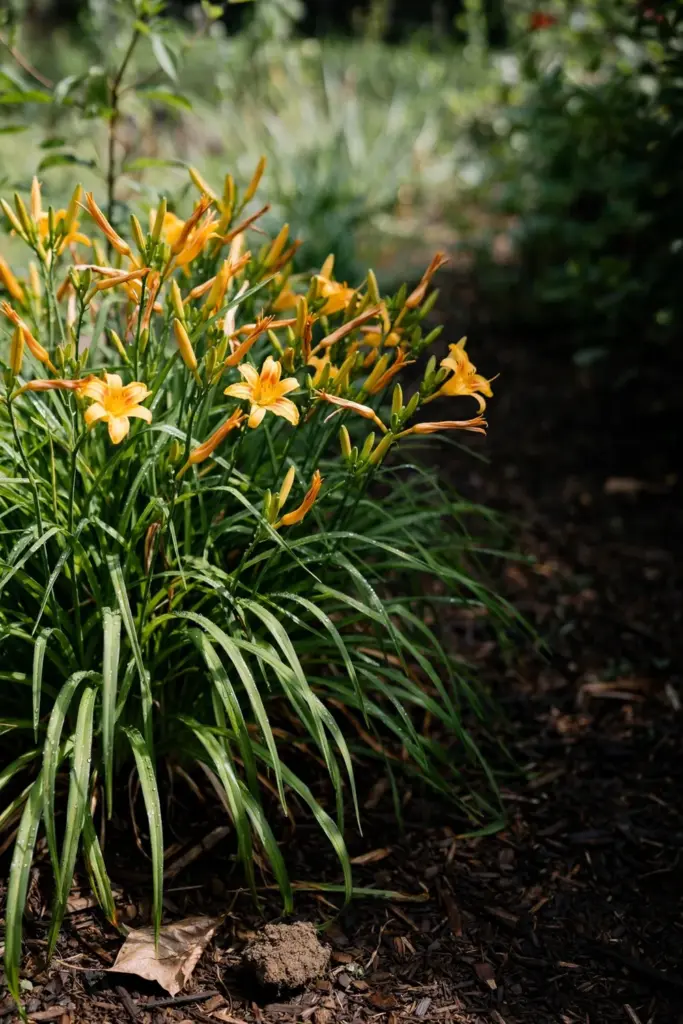
The season runs spring to fall. The first streaks appear in spring, when the overwintered spores meet new foliage and wet weather. The disease builds through early summer, pauses when extreme heat arrives, and returns with fall rains if the foliage stays wet. The fall cleanup then decides next spring. The season is the cycle. The cleanup is the reset.
Heat has a ceiling. Leaf streak fails to develop when temperatures are above 90 degrees Fahrenheit. The extreme heat stops it. The warm weather grows it. The 90-degree ceiling is the limit.
Wet leaves raise the risk. Spores are released when foliage is wet, overhead watering wets the foliage, the wet leaf is the spreading leaf, and the dry leaf is the safe leaf.
Debris left in fall raises the risk. Dead leaves left in fall are the winter home. The uncleaned bed is the spring inoculum. The cleaned bed is the clean bed. The fall cleanup is the break.
Crowding raises the risk. Close clumps hold humidity and slow drying. The crowded clump is the streaked clump. The spaced clump is the aired clump. The spacing is the airflow.
Stress raises the risk. Nutritionally and water stressed daylilies are more susceptible than healthy, vigorous plants. The stressed plant is the streaked plant. The vigorous plant resists. The feeding and watering are the defense.
Strategy 1: Confirm the ID With the Finger Test
Run the finger test first. Run a finger along the underside of leaf lesions; an orange, powdery residue will result from the spores of daylily rust. A white facial tissue wiped along a rust pustule picks up an orange-yellow stain. No orange stain will result on a tissue if the problem is leaf streak disease. The orange stain is rust. The clean tissue is streak.
Check for pustules. Rust shows raised pustules on the leaves, leaf streak shows no pustules, the pustule is the rust mark, the flat streak is the streak mark, and the hand lens settles the doubt at 10x.
Read the lesion pattern. Leaf streak shows a yellow streak along the midvein that starts at the leaf tip and moves down, plus red-brown flecks with yellow halos. Rust shows small water-soaked spots expanding to pustules. The pattern is the field guide. The streak is the streak.
Field ID is presumptive. A positive identification needs microscopy, the finger test separates streak from rust in the field, the microscope confirms, and the lab settles the doubt.
Strategy 2: Remove Infected Leaves as They Appear
Pull infected leaves off the plant. Remove infected leaves as they appear, since the removed leaf is the removed inoculum, the leaf on the plant is the spore factory, and the removal is the cut.
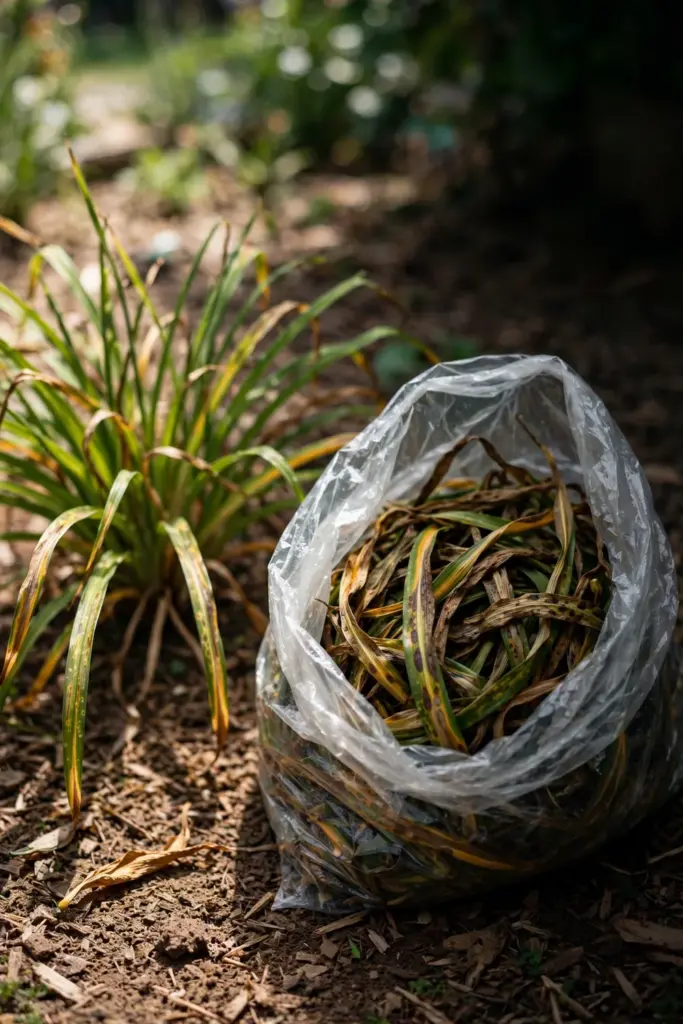
Do not compost infected leaves. Compost spreads the spores, the compost pile is a distribution route, the composted leaf is the next infection, and the trash is the disposal.
Do not work the plants when wet. Avoid working with plants when they are wet. The wet glove is the vector. The wet pruner is the vector. The dry work is the safe work.
Strategy 3: Stop Overhead Watering
Do not water with a sprinkler. Do not water with a sprinkler. This can spread the leaf streak fungus, as well create conditions more favorable for infection. The sprinkler is the splash machine. The sprinkler is the spreader.
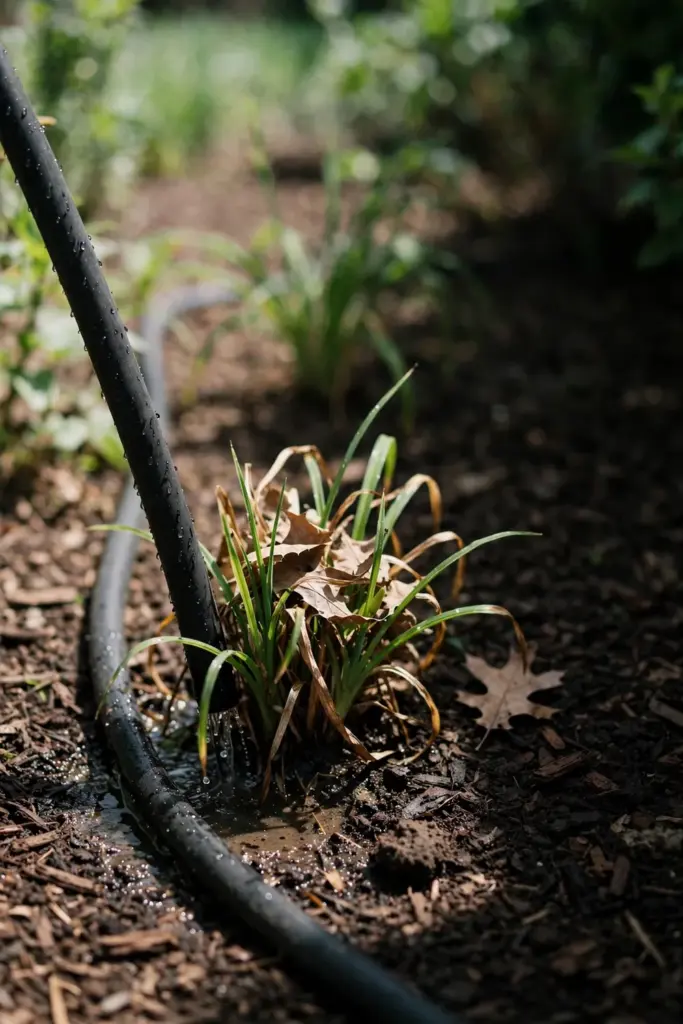
Use a soaker or drip hose. Use a soaker or drip hose to apply water directly into the soil. The soaker waters the soil, not the leaves. The drip is the safe water. The dry leaf is the safe leaf.
Water early in the day. Water early in the day so leaves can dry. The morning water dries by noon. The evening water stays wet overnight. The morning is the watering time.
Strategy 4: Space and Thin for Airflow
Space clumps for airflow. Keep plants as well-spaced as possible to increase air movement around plants, since the spaced clump dries faster, the crowded clump stays wet, and the spacing is the airflow. When two clumps touch, the gap between them stays wet after rain and the streak moves across the touching leaves, so the gap is the drying line.
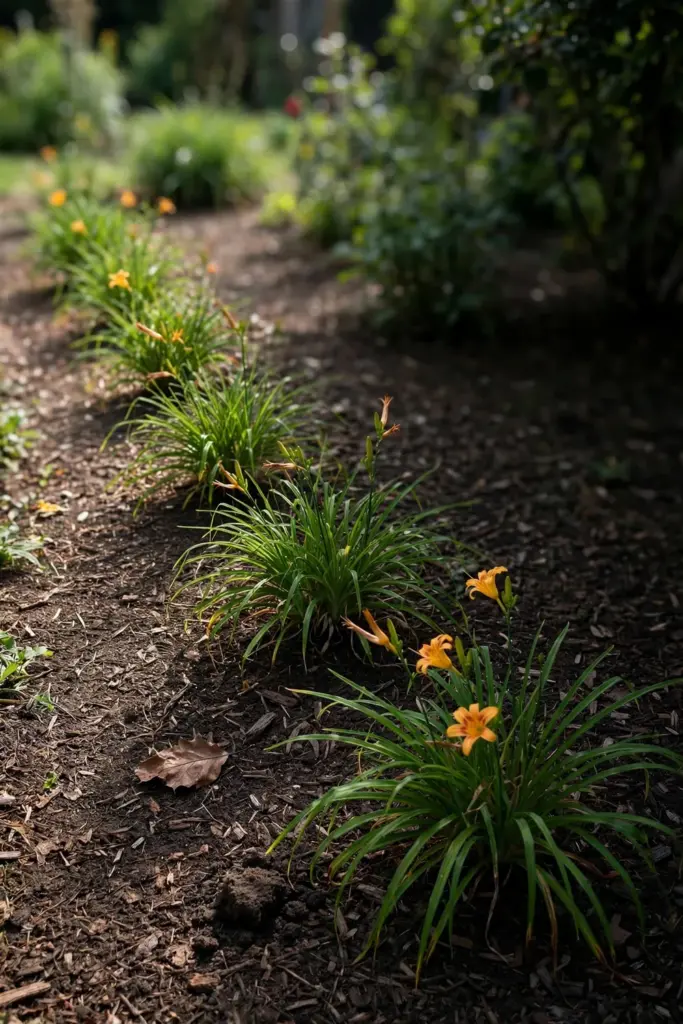
Divide crowded clumps. Divide crowded clumps to open the center. The divided clump dries faster. The undivided clump holds humidity. The division is the airflow.
Thin the center. Thin the center leaves where the clump is dense, since the thinned center dries faster, the dense center stays wet, and the thinning is the airflow.
Strategy 5: Do the Fall Cleanup That Breaks the Cycle
Remove dead leaves each fall. Remove dead leaves from daylilies each fall to eliminate a source of the leaf streak fungus, since the fall debris is the winter home, the cleaned bed is the clean bed, and the fall cleanup is the break.
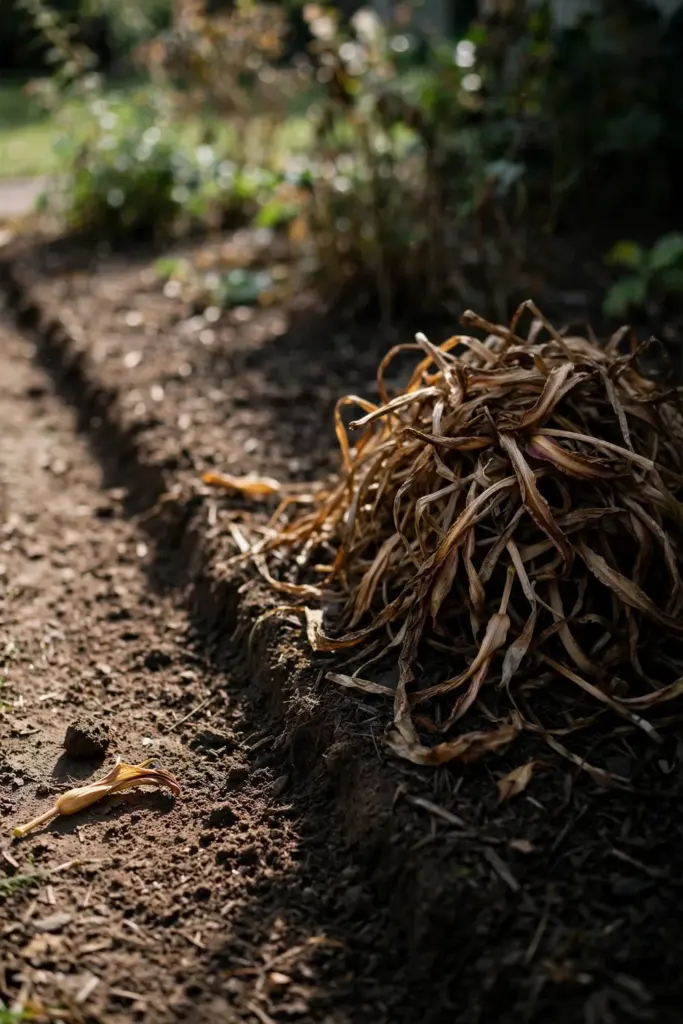
Burn, bury, or hot compost the debris. Burn (where allowed by local ordinance), deep bury, or hot compost the debris. The burn destroys the spores. The deep burial buries them. The hot compost kills them. The cold compost pile does not.
Bag and trash where burning is not allowed. Bag the debris and put it in municipal waste, since the bag is the disposal route, the landfill is the containment, and the bagged leaf is the safe leaf.
Strategy 6: Feed and Water for Vigor
Fertilize properly. Fertilize and water your plants properly to promote growth of new leaves. The fed plant grows new clean leaves. The unfed plant cannot outgrow the streak. The feeding is the recovery.
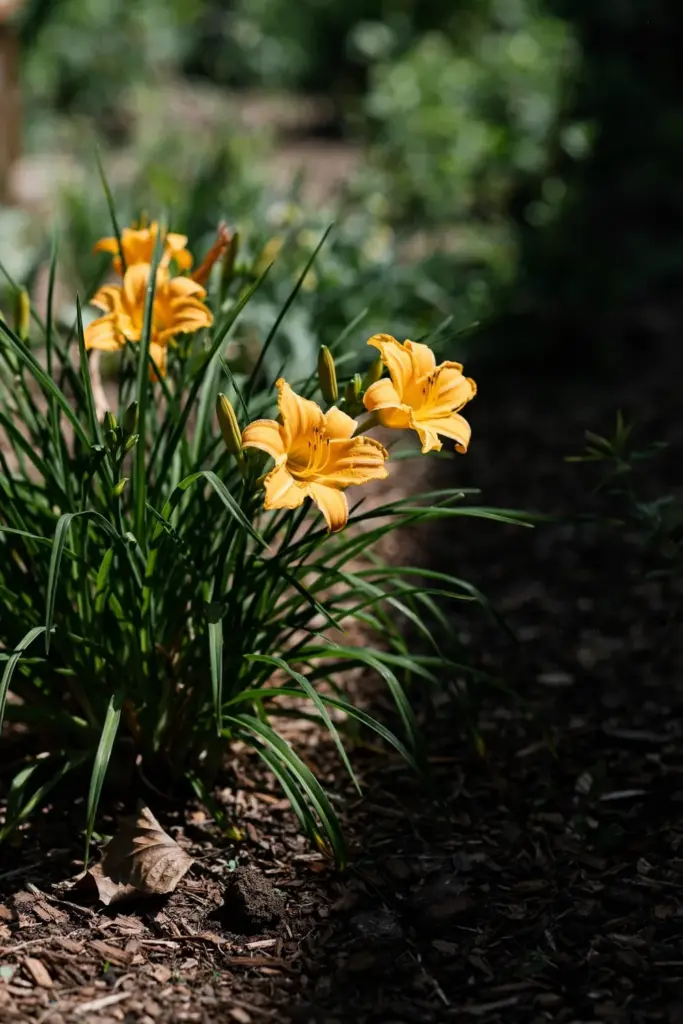
Read the stress signs. A clump that is pale, thin, and slow to grow is telling you it is short of food or water, and a short clump streaks more than a vigorous one. A soil test settles the food question, and a deep watering settles the water question. The diagnosis is the fix. The guess is the waste.
Water deeply and evenly. Deep, even watering keeps the plant vigorous, since the drought-stressed plant streaks more, the watered plant resists, and the watering is the defense.
Do not overfeed. Excess fertilizer pushes soft growth that streaks easily. The balanced feed is the safe feed. The heavy feed is the soft growth. The label is the rate.
Strategy 7: Buy Disease-Free Stock and Propagate Only From Healthy Plants
Buy disease-free stock. Daylily streak can be avoided by purchasing disease-free stock plants, since the clean stock is the clean start, the infected stock is the imported disease, and the reputable seller is the fence.
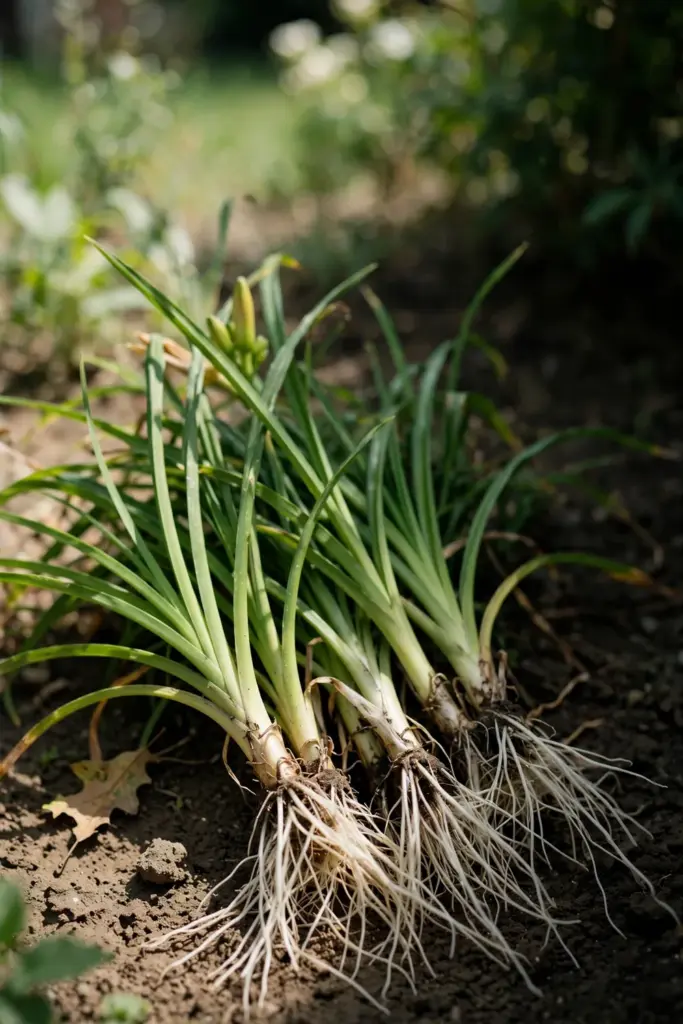
Propagate only from healthy plants. Propagate only from healthy plants, since the healthy division is the clean division, the streaked division is the spread division, and the division choice is the prevention.
Inspect new plants before planting. Inspect new plants for streaks before they join the bed. The inspection is the quarantine. The uninspected plant is the risk. The check is the fence.
Strategy 8: Choose Resistant Varieties Before You Buy
Choose resistant varieties where you can. Cultivars differ in susceptibility, and proper selection of varieties can potentially limit this disease. The resistant variety is the passive defense. The susceptible variety is the yearly chore. The variety choice is the prevention.
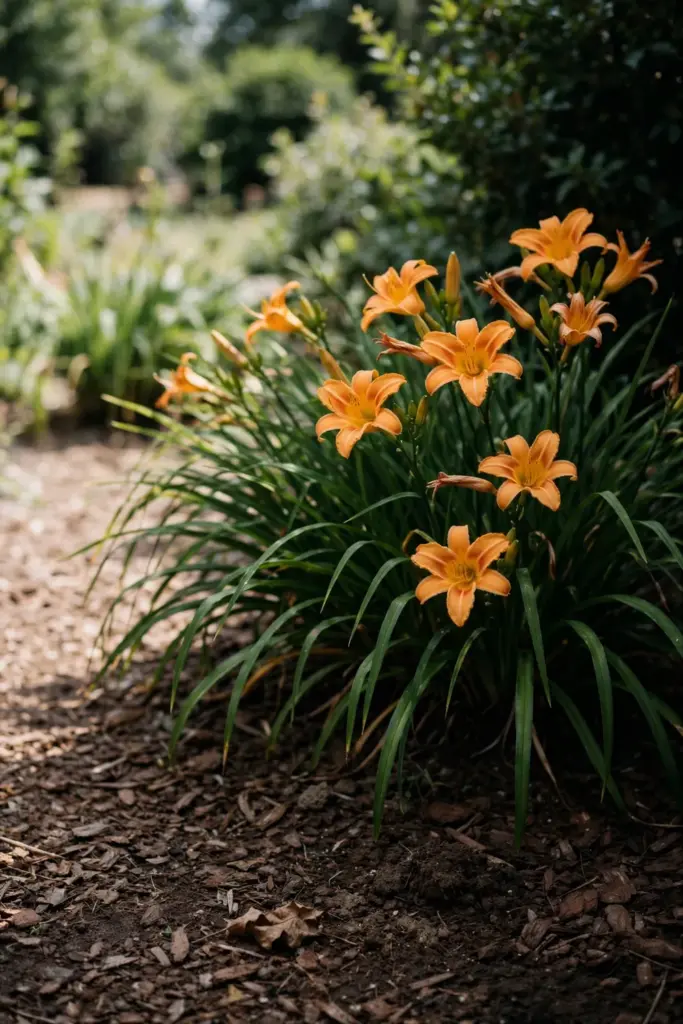
Treat the UW list as reported resistance. UW-Madison reports resistance in varieties including Betty Bennet, Edna Spalding, Ella Pettigrew, Globe Trotter, Nancy Hicks, Pink Superior, Ron Rousseau, Sudie, Tropical Tones, Upper Room, and Winsome Lady. The list is reported resistance, not a guarantee, and availability varies. Verify availability before buying. The verified list is the buying list.
Do not buy on color alone. Color does not predict resistance. The resistant variety may not be the prettiest variety. The pretty susceptible variety is the yearly chore. The resistance is the trait.
Strategy 9: Keep the Garden Dry Between Rain Events
Avoid working wet plants. Avoid working with plants when they are wet, since the wet glove is the vector, the wet pruner is the vector, and the dry work is the safe work.
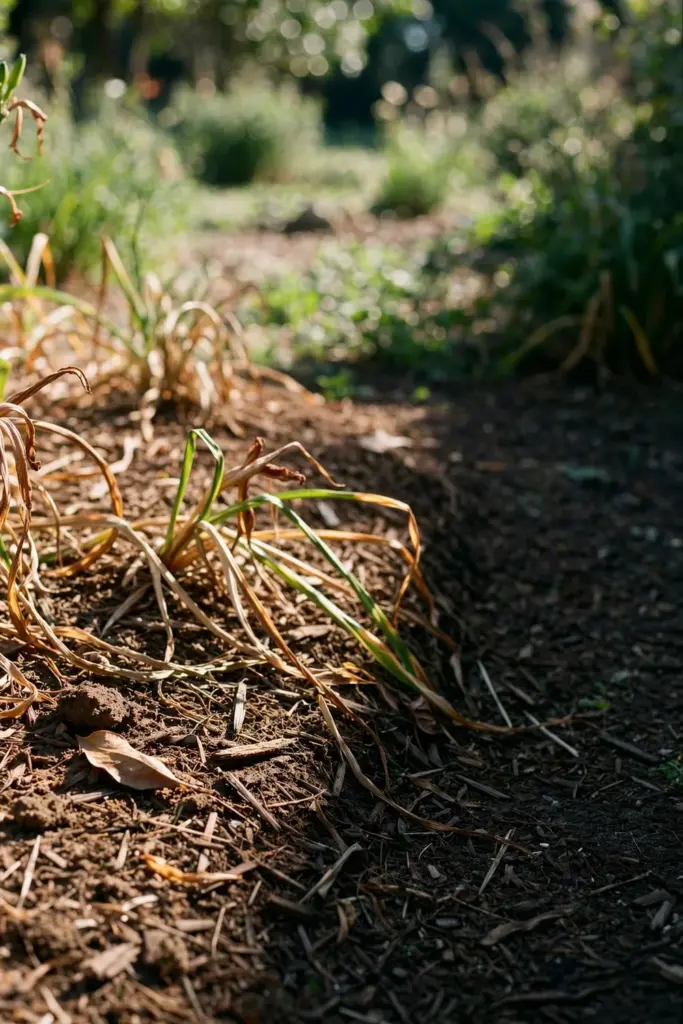
Clean tools between clumps. Clean tools between clumps in a streaked bed, since the dirty tool is the vector, the clean tool is the fence, and the cleaning is the containment.
Mulch to reduce splash. Mulch reduces soil splash onto lower leaves. The mulched bed splashes less. The bare bed splashes more. The mulch is the splash fence.
Strategy 10: Use Fungicides Last, Preventive Only, Never as a Cure
Know the fungicide conflict. Sources differ on fungicide actives: UW-Madison lists chlorothalonil, mancozeb, and thiophanate-methyl only in wet weather, applied every 7 to 14 days, rotating two or more actives; UMass lists thiophanate-methyl, myclobutanil, chlorothalonil, and azoxystrobin; an Illinois 2004 piece lists no fungicides specifically for leaf streak. This article flags the conflict rather than printing one settled program. The label governs. The conflict is the reason to check the label.
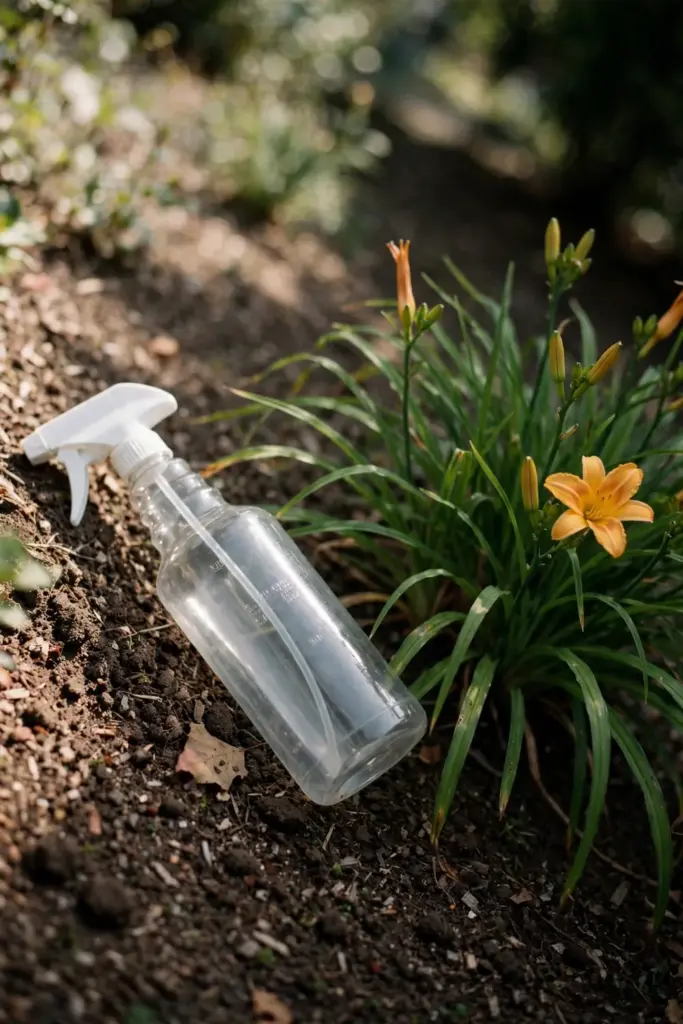
Use fungicides preventive-only. Fungicides may be applied to protect susceptible new foliage. The fungicide protects new leaves. The fungicide does not cure streaked leaves. The spray is the shield, never the cure.
Reserve fungicides for chronic severe cases. Fungicide is the last step, not the first. Sanitation, water management, and fall cleanup lead. The fungicide is the backup. The cultural steps are the program.
Rotate actives where you spray. Rotate two or more actives where you spray. The rotation slows resistance. The single active selects resistance. The rotation is the discipline.
Living With Daylily Leaf Streak on Plants You Already Own
A daylily bed with leaf streak is a bed to manage, not a bed to abandon. Pull infected leaves. Stop overhead watering. Space for airflow. Do the fall cleanup. Feed and water for vigor. The streak will still appear, but it will appear as a few streaked leaves, not as a defoliated bed.
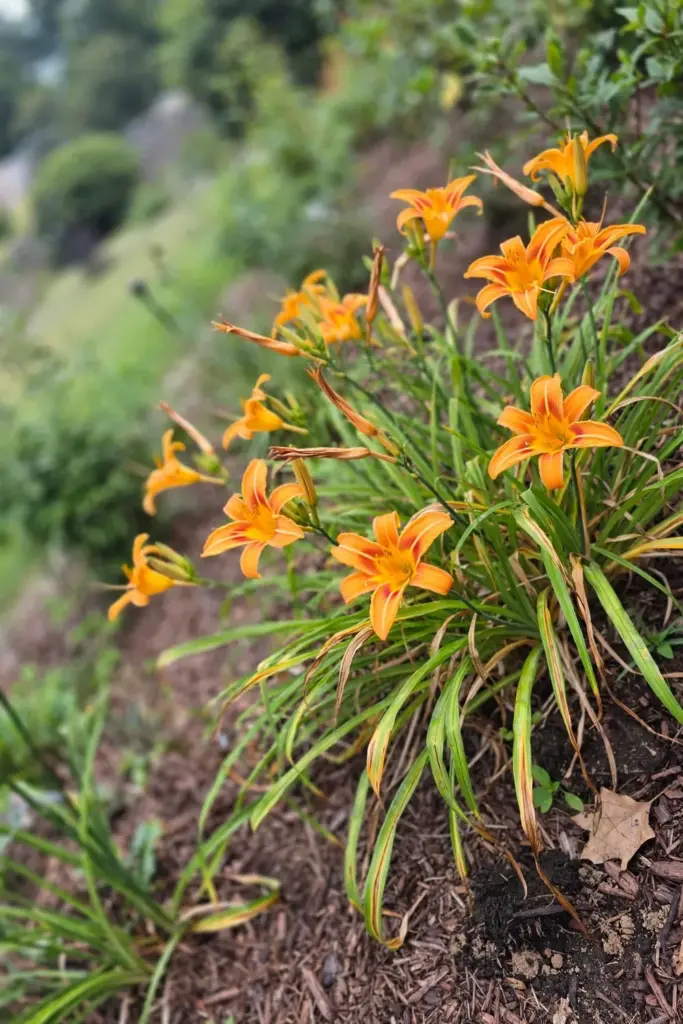
Expect some streak every year. A bed in a wet climate will show a few streaked leaves even with good practice, and that is normal. The goal is not zero streak. The goal is a bed that keeps blooming while the streak stays on a few leaves. The perfect bed is the myth. The blooming bed is the win.
Stop three habits. Do not leave infected leaves on the plant. Do not water with a sprinkler. Do not skip the fall cleanup. Keep those three lines unbroken and the streak stays cosmetic. The Plant Care archive collects the site’s disease coverage for the next problem the garden throws up.
Frequently Asked Questions
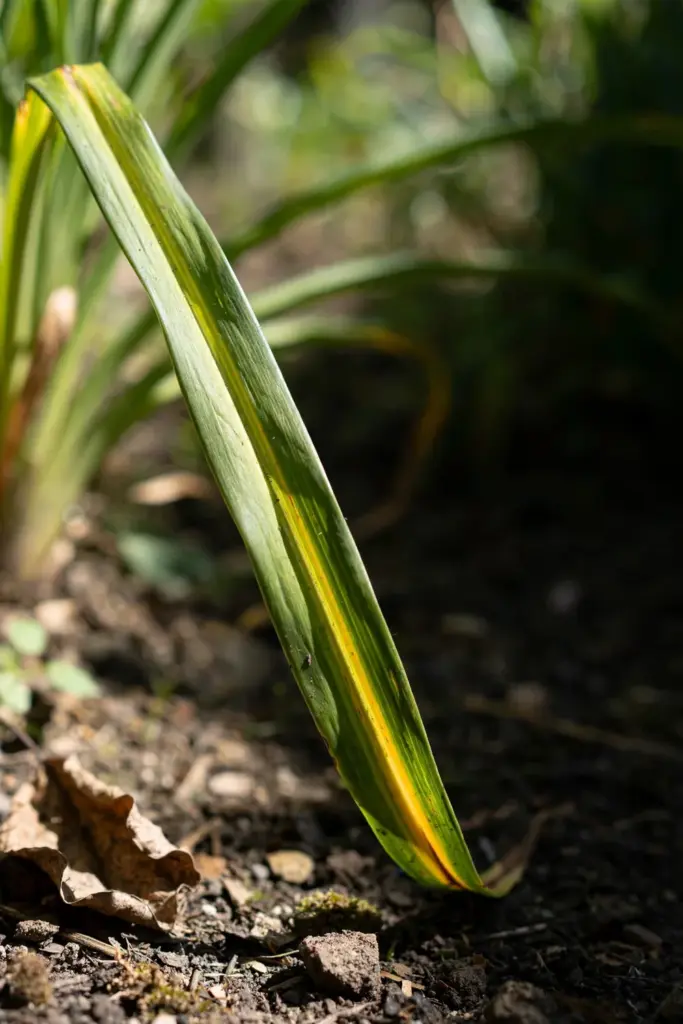
Almost never. Leaf streak is usually a cosmetic problem, causing little damage. In some cases, it can cause substantial leaf loss, and rarely, it may lead to complete defoliation of daylily plants. A defoliated plant is weakened, not dead. The streak is the cosmetic disease. The dead plant is the rare severe end, not the norm.
Run the finger test. Run a finger along the underside of leaf lesions, or wipe a white tissue along the lesion. An orange, powdery residue or an orange-yellow stain on the tissue means rust. No orange stain means leaf streak. Rust also shows raised pustules that release powdery orange spores on both leaf surfaces. Leaf streak shows no pustules. The orange stain is rust. The clean tissue is streak.
Usually no. Sanitation, water management, and fall cleanup lead. Fungicides may be applied to protect susceptible new foliage, and they are preventive-only, never a cure for streaked leaves. Sources differ on actives and schedules, so the label governs. Reserve fungicide for chronic severe cases. The cultural steps are the program. The spray is the backup.
Spring sickness is cold injury from late spring frosts, not a disease and not leaf streak. It is a lookalike, not a synonym. A plant with frost-damaged leaves recovers by growing new leaves. A plant with leaf streak needs the sanitation and water steps below. The frost is the cause. The fungus is not.
It can, if the fall debris stays. The fungus overwinters in daylily leaf debris, where it produces spores that initiate the disease each spring. Remove dead leaves each fall, burn, deep bury, or hot compost them, and the cycle breaks. The fall cleanup is the break. The skipped cleanup is the return. The debris is the winter home.
Where to Go From Here
Daylily leaf streak rewards the gardener who pulls infected leaves, stops overhead watering, spaces for airflow, and does the fall cleanup. Confirm the ID with the finger test. Pull infected leaves as they appear. Stop overhead watering. Space and thin for airflow. Do the fall cleanup. Feed and water for vigor. Buy disease-free stock. Choose resistant varieties. Keep the garden dry. Use fungicides last, preventive only.
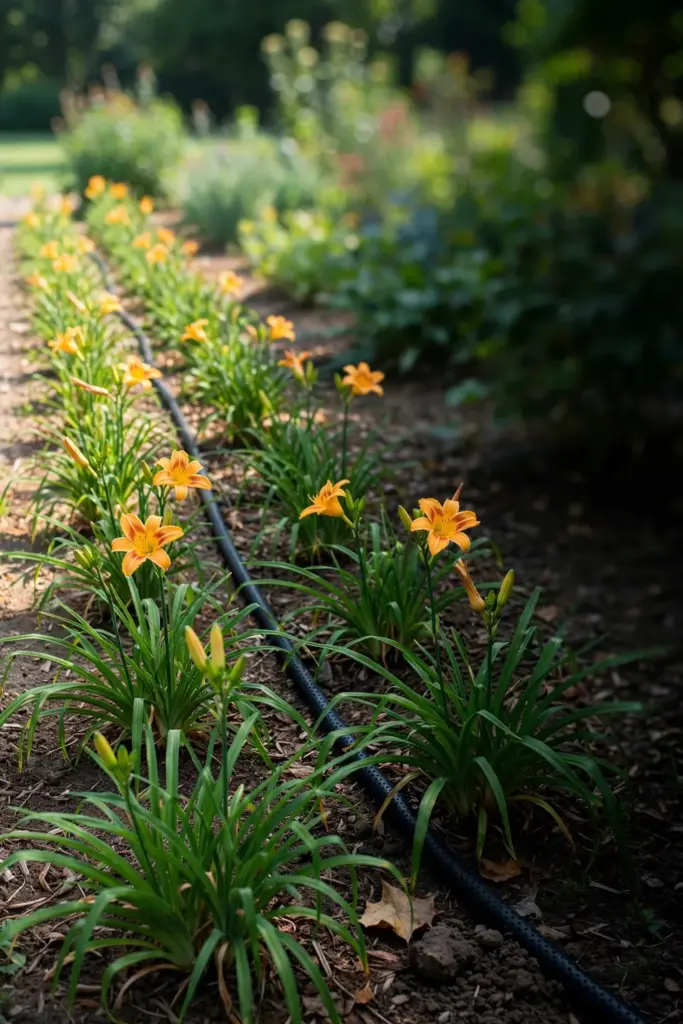
Next season, start with a cleaned bed. A bed with removed fall debris, soaker water, spaced clumps, and resistant varieties will hold leaf streak to a few streaked leaves. The UW-Madison fact sheet on daylily leaf streak is a useful companion for the full Extension picture, since it sets the home-garden response here against the university evidence behind it.