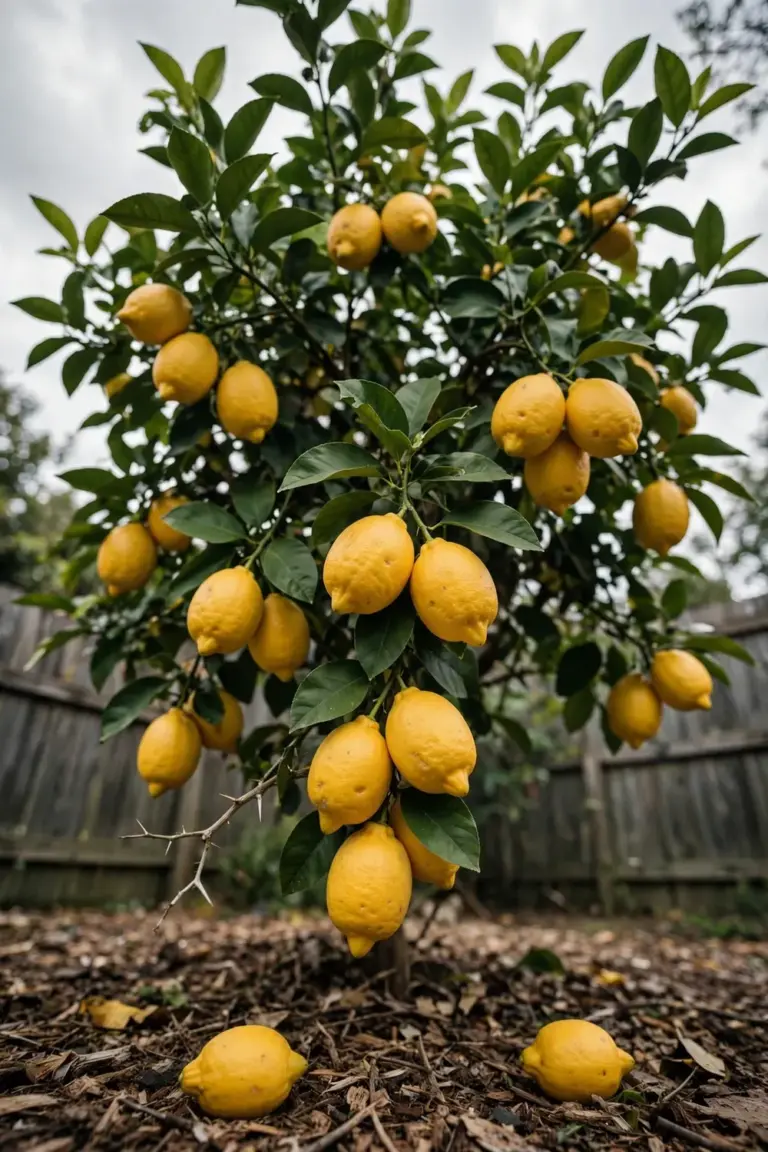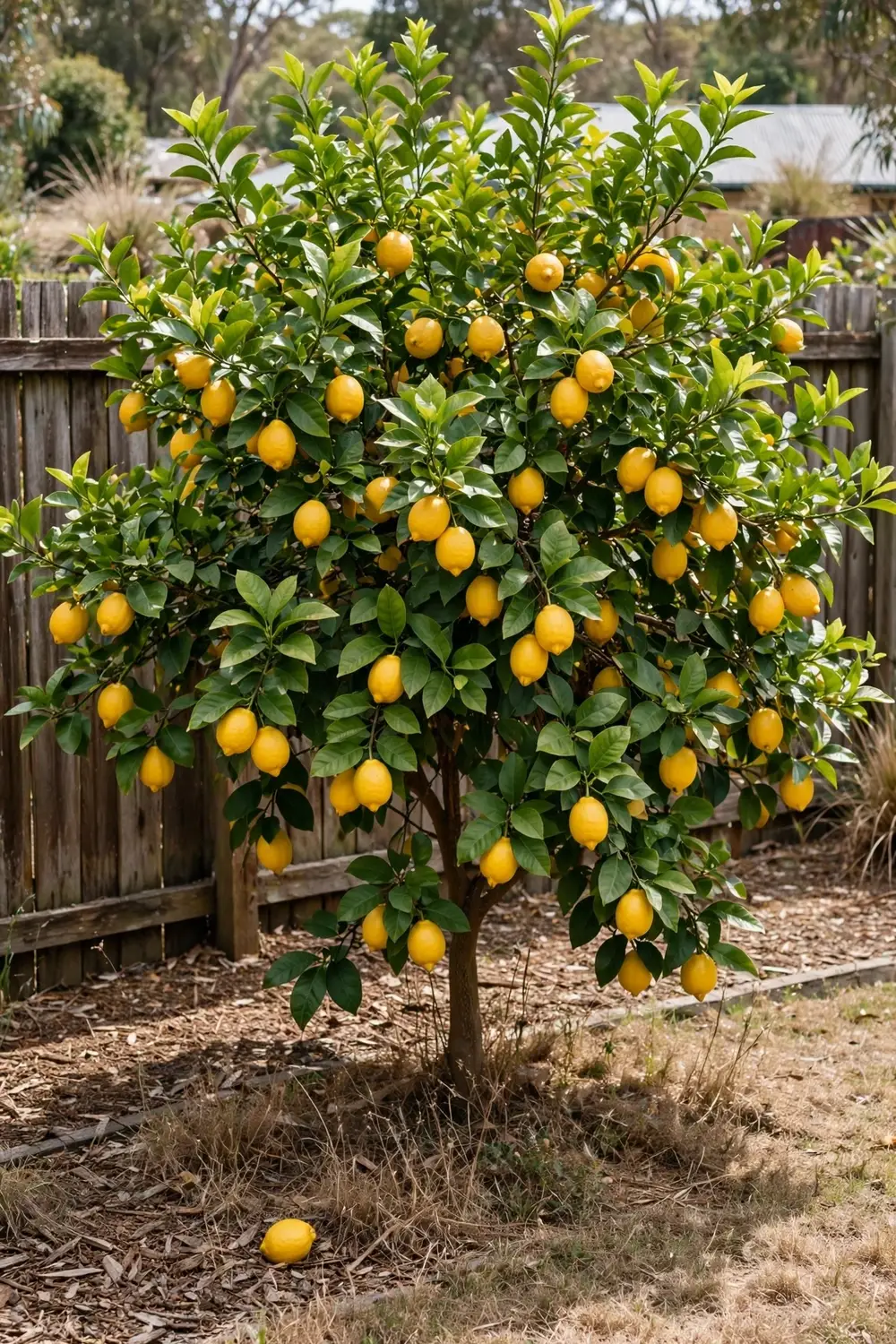

Three levers decide how juicy a lemon gets: the variety, steady water while the fruit sizes, and harvest timing. Each lemon holds 10 to 13 juice-filled segments, and water decides how full those segments get. A lemon picked at full weight after steady watering runs when cut. A lemon from a dry spell picked early squeezes dry. That is how to grow juicy lemons in Australia. The rest of this page runs from variety choice to harvest, with the water lever in the middle where it belongs.
Juice starts with the variety. Lisbon grows large juicy fruit with few seeds, and Meyer grows medium fruit that is very juicy and sweeter than a standard lemon, according to the LSU AgCenter lemon and lime guide. Eureka gives the standard acidic lemon most shops sell. No feed fixes a dry variety. Pick the variety for juice first, then water it steady.
1. Pick the Variety, Water Steady, and Harvest Late
Juicy lemons come from three levers in one order: variety, water, harvest timing. Variety sets the ceiling. Water fills the fruit. Harvest timing catches the juice at its peak. A grower who gets all three right picks heavy fruit that runs when cut. A grower who misses one picks light fruit that stays dry.
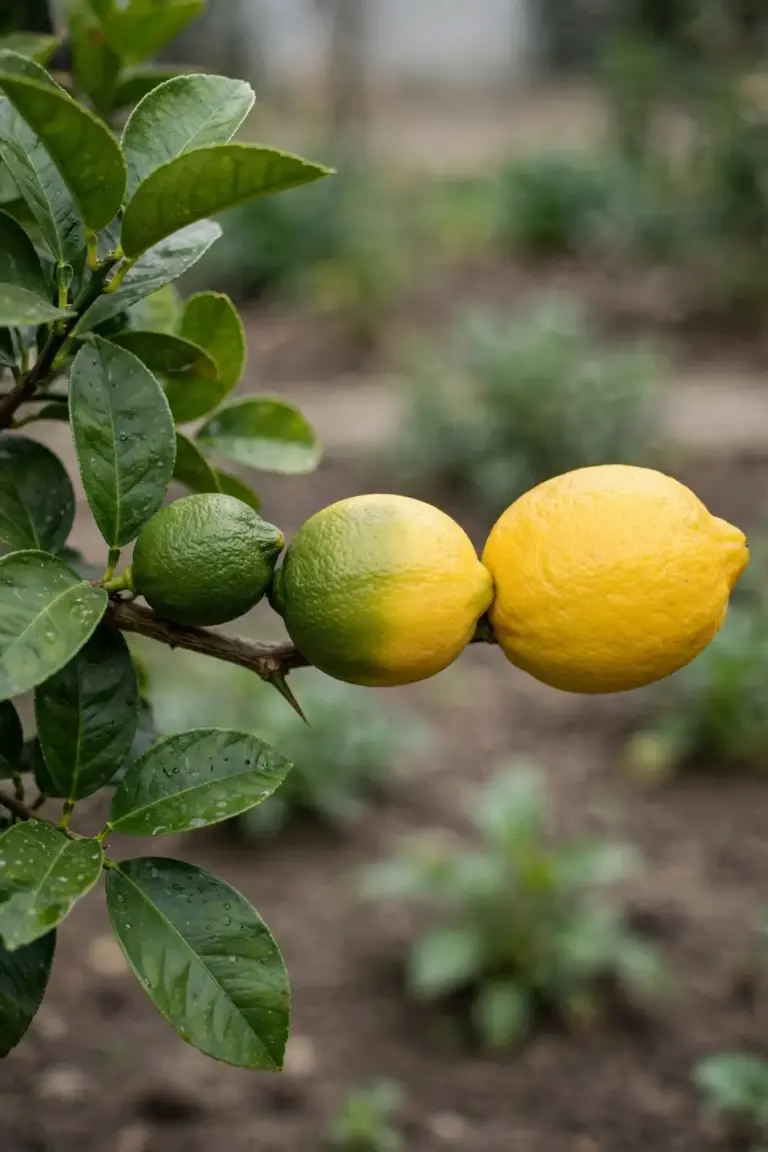
Lemon juice is about 5 to 6 percent citric acid with a pH of 2.2, according to the LSU AgCenter lemon and lime guide. That acid gives the sharp taste. Juice sacs fill the 10 to 13 segments inside each fruit, according to the Mississippi State University Extension citrus review. Water stress during sizing leaves those sacs half full. The fruit looks full size and feels light. Weight tells the truth.
Lemon trees bear fruit year round, with flowers, green fruit, and ripe fruit present at the same time, according to the same LSU AgCenter guide. That habit means one tree can carry fruit at every stage. It also means water gaps hit some fruit harder than others. The fruit sizing during a dry week loses juice. The fruit sizing after rain gains it. Steady water evens the crop out across months, so no single dry week marks a whole batch.
2. Pick Eureka, Lisbon, or Meyer for Juice
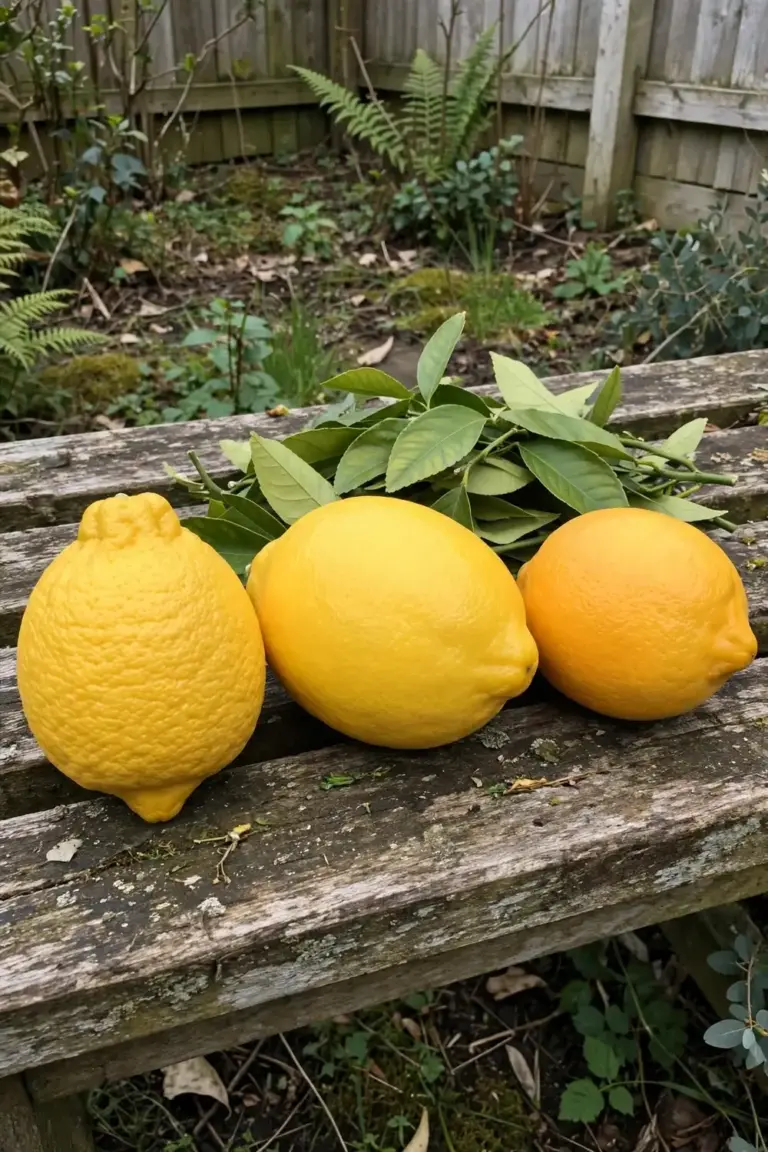
Eureka, Lisbon, and Meyer cover every home garden need for juice. A lemon is Citrus × limon. Eureka is the standard acidic lemon. Lisbon grows large juicy fruit. Meyer grows very juicy fruit that tastes sweeter and less acidic. All three crop almost all year, according to the California citrus variety guide. Pick one and plant it well. A second tree adds fruit.
| Variety | Juice | Seeds | Crop | Best For |
|---|---|---|---|---|
| Eureka | Acidic, standard | Few | Almost all year | Year round kitchen fruit |
| Lisbon | Large, juicy | Few | Almost all year | Cold spots and big fruit |
| Meyer | Very juicy, sweeter, less acid | Few to many | Almost all year | Small trees, pots, sweeter juice |
Eureka is the common supermarket lemon. It carries few seeds and an acidic flavor, according to the same California guide. Eureka suits a gardener who wants the classic sharp lemon for cooking and drinks. It fruits across the year. It needs the same steady water as the other two. Eureka fruit holds well on the tree, so a grower can leave fruit hanging for weeks and pick as needed, as long as the fruit does not pass ripe and dry from the inside.
Lisbon is an old heirloom variety that LSU AgCenter counts among the cold-hardiest true lemons. Lisbon trees tend to be thorny. A mature Lisbon tree typically reaches 4.6 m but can reach 9.1 m. Its fruit may overripen if left on the tree. Pick Lisbon fruit when it feels heavy. Do not leave it hanging for months and expect more juice.
Meyer is a cross between a lemon and a sweet orange, according to the same LSU AgCenter guide. Meyer is a small tree 1.8 to 3.0 m tall at maturity. Its medium fruit is very juicy and sweeter than a standard lemon. Meyer is Citrus × meyeri, a lemon-orange cross. It is a cross. It is not a separate lemon species. Meyer suits pots and small gardens, since a small tree fits a large container and still crops well. Its thinner skin bruises faster than Eureka skin, so handle picked fruit gently.
3. Plant in Full Sun With Room to Grow
Citrus plants grow best in full sun, according to the Mississippi State University Extension citrus review. Sun drives the sugar and acid balance that fills fruit. A lemon tree in shade grows leaves and drops fruit. A lemon tree in full sun sets fruit and fills it.
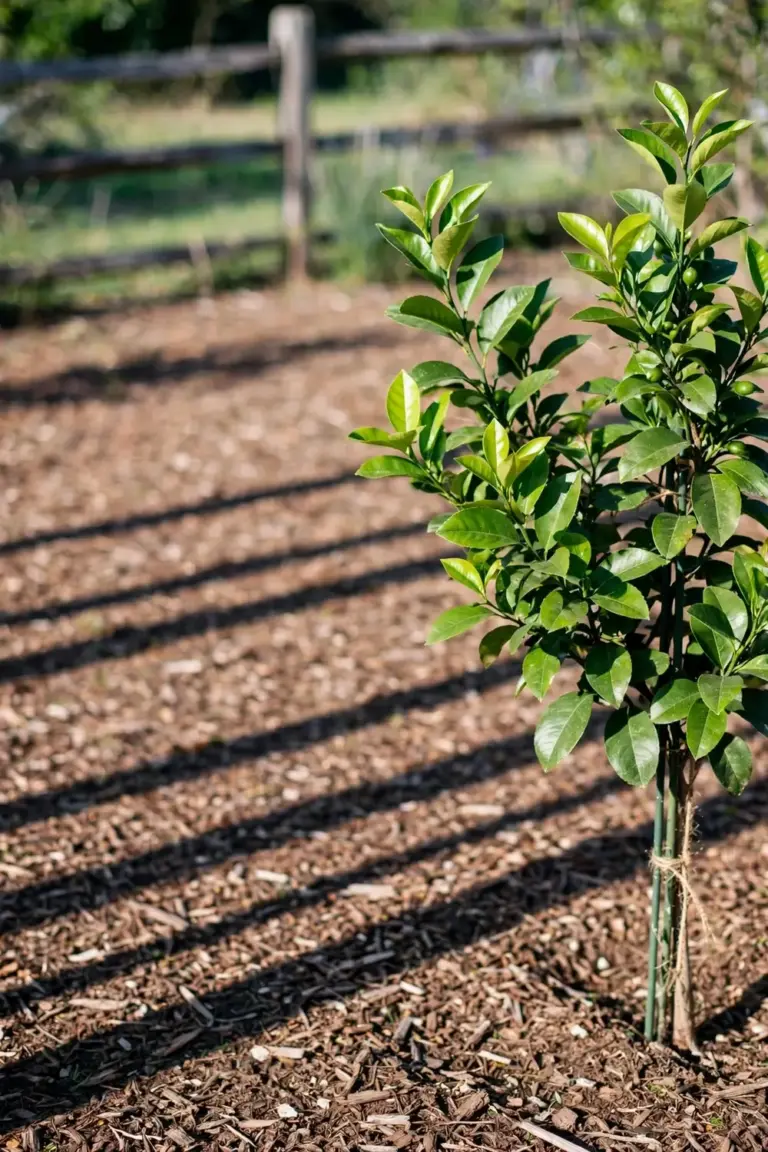
Give the tree the sunniest spot in the yard. In Australia the sun tracks through the north, so a north-facing spot catches the most light. Keep the tree clear of tall fences and buildings on the north side. A tree that shades itself with a fence behind it loses morning sun and afternoon sun both. One clear site beats any feed schedule.
Space matters as much as sun. A Lisbon tree can reach 9.1 m, according to the same LSU AgCenter guide. Most home lemon trees stay smaller with light shaping. Still, plant the tree where it can spread without crowding a wall or a path. Air moves through an open canopy. Airflow dries leaves after rain and slows fungal problems. A cramped tree stays damp, holds wet leaves for hours after rain, and drops fruit.
Frost sets the southern limit for lemons. A lemon tree can withstand 26 to 27 degrees Fahrenheit, or about minus 3.3 to minus 2.8 degrees Celsius, without damage, according to the Mississippi State University Extension citrus review. Only 30 to 60 minutes at 29 degrees Fahrenheit, about minus 1.7 degrees Celsius, will injure small lemons, according to the same review. Young trees need the most protection. Cover a young tree with a frost cloth on clear cold nights. Remove the cover in the morning so heat does not build under it. A tree in a pot moves under cover, which is one more reason to grow Meyer in a pot in a frosty spot.
4. Give Lemon Roots Drainage and Air
Citrus plants require a well-drained soil rich in organic matter, according to the Mississippi State University Extension citrus review. The soil pH should be slightly acid to near neutral, according to the same review. Roots need air as much as water. Soggy soil starves roots of air. Starved roots cannot take up water, so the tree wilts in wet soil.
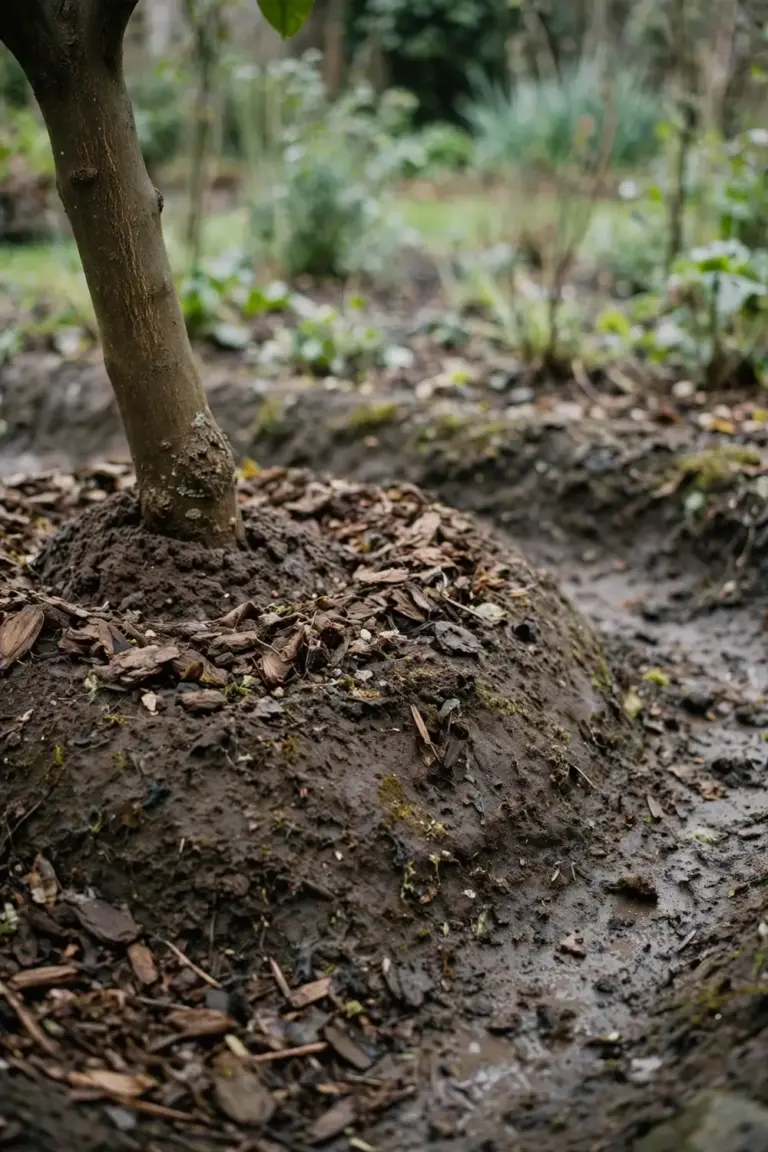
Dig the planting hole wide and check the drainage before the tree goes in. Fill the hole with water and watch it drain. Water that still stands after an hour means the site needs work. Raise the planting spot into a low mound or pick a higher spot. A mound lifts the root crown above wet soil. The crown stays dry while the roots below find water. Heavy clay soil drains slowest of all, so a mound matters most on clay. Sandy soil drains fast, so a mound matters less there, but mulch still matters.
Soil health sets the base for every feed that follows. Compost worked through the top soil lifts organic matter and holds moisture between waterings. A soil test shows pH and nutrient levels before any bag of fertilizer opens. The soil health guide covers testing and organic matter in full. Test first, then feed to the result. A test that shows adequate phosphorus means the next bag should not add more. A test that shows low organic matter means compost comes before fertilizer.
5. Plant at Nursery Depth and Mulch Wide
Set the plant no deeper than it grew in the nursery, according to the Mississippi State University Extension citrus review. A buried graft union rots. A buried trunk collar invites disease. The nursery soil line on the trunk shows the right depth. Match it.
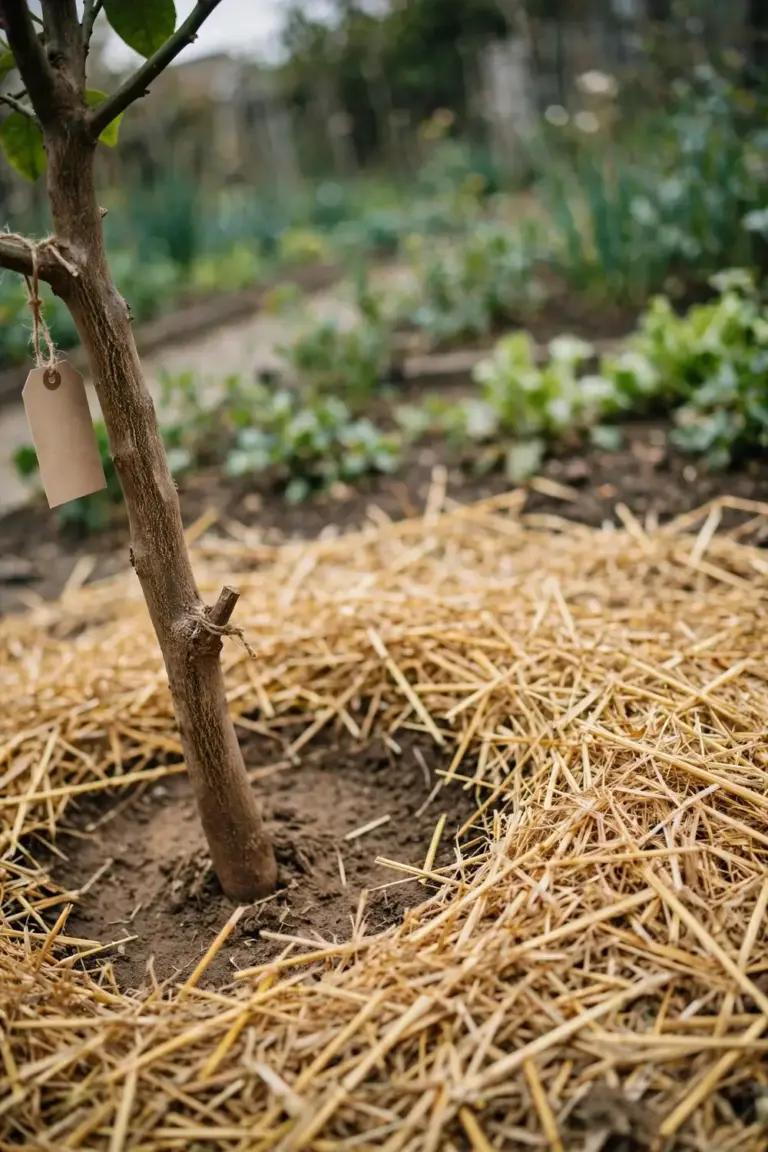
Dig the hole twice as wide as the pot and no deeper than the root ball. Loosen the sides with a fork so roots leave the hole instead of circling inside it. Tease circling roots outward with fingers. Set the tree on firm soil at the base of the hole. Backfill with the same soil that came out. Water the hole well to settle the soil around the roots.
Mulch wide and keep it off the trunk. A 10 cm clear ring around the trunk stops collar rot. Mulch holds moisture, cools roots in summer, and smothers weeds that compete for water, so replenish it as it breaks down through the season. A bare soil ring under the canopy dries fast and cracks in heat. Mulch is cheap insurance for steady water.
6. Water Steady While Fruit Sizes
Water decides juice more than any other lever. Drought during flowering causes fruit not to set, and a lack of water at other times causes fruit to drop and yields to be lower, according to the Mississippi State University Extension citrus review. Fruit that survives a dry spell still loses juice. The sacs inside shrink. The rind thickens. The lemon looks right and squeezes dry.
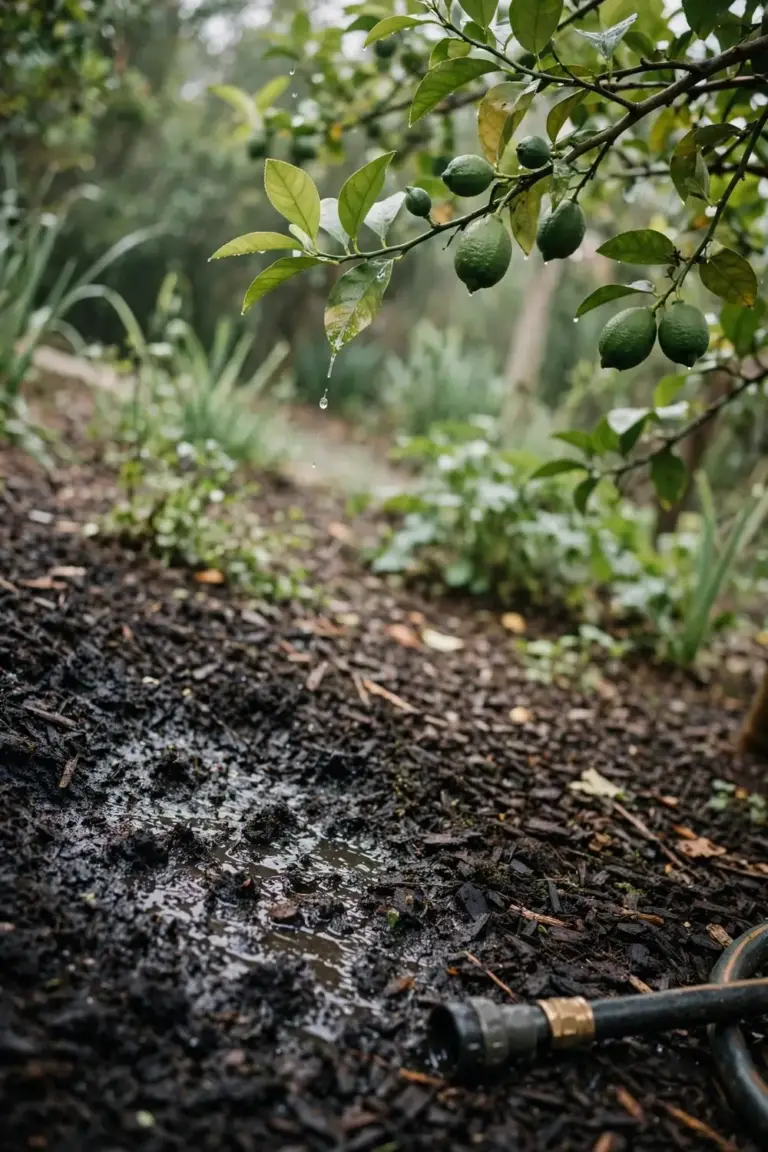
I have learned that the lemon I water steady while the fruit sizes beats the lemon I feed heavy and water late.
Water often and deeply during dry periods, according to the same review. Deep watering pushes roots down. Shallow daily splashes keep roots at the surface. Surface roots dry first in heat. A deep soak once the top soil dries beats a daily sprinkle every time. Check the soil with a finger 5 cm down before watering. Dry at that depth means water. Damp at that depth means wait.
Citrus plants cannot tolerate wet feet, and standing water can kill them, according to the same review. Steady does not mean constant. The soil should drain between waterings. A tree in a pot needs more frequent checks than a tree in the ground. Pots dry fast in wind and heat. A saucer full of standing water drowns pot roots. Empty it after watering.
Set the watering rhythm by season. Spring brings growth and flowering, so water as the soil dries and keep the root zone even. Summer brings heat and sizing fruit, so water deep and check twice as often. Autumn slows growth, so ease back as nights cool. Winter brings rest, so water only when the soil dries well down. Rain changes the plan in any season. Skip a watering after good rain. Resume when the finger test says dry.
Fruit sizing runs for months. Lemon trees carry flowers, green fruit, and ripe fruit at the same time, according to the LSU AgCenter guide. That long sizing window means one dry month can mark a whole batch of fruit. Keep the water steady across the whole season, from flowering through sizing. The payoff shows at harvest when each lemon feels heavy for its size.
7. Feed Balanced, Three Times a Season
A regular fertilization program is required for citrus, according to the Mississippi State University Extension citrus review. Three applications per year between February and September are usually sufficient for older trees, according to the same review. In Australia, run the same three-feed pattern across the growing season, from spring through early autumn. The tree feeds while it grows. Feeding stops as growth slows into winter.
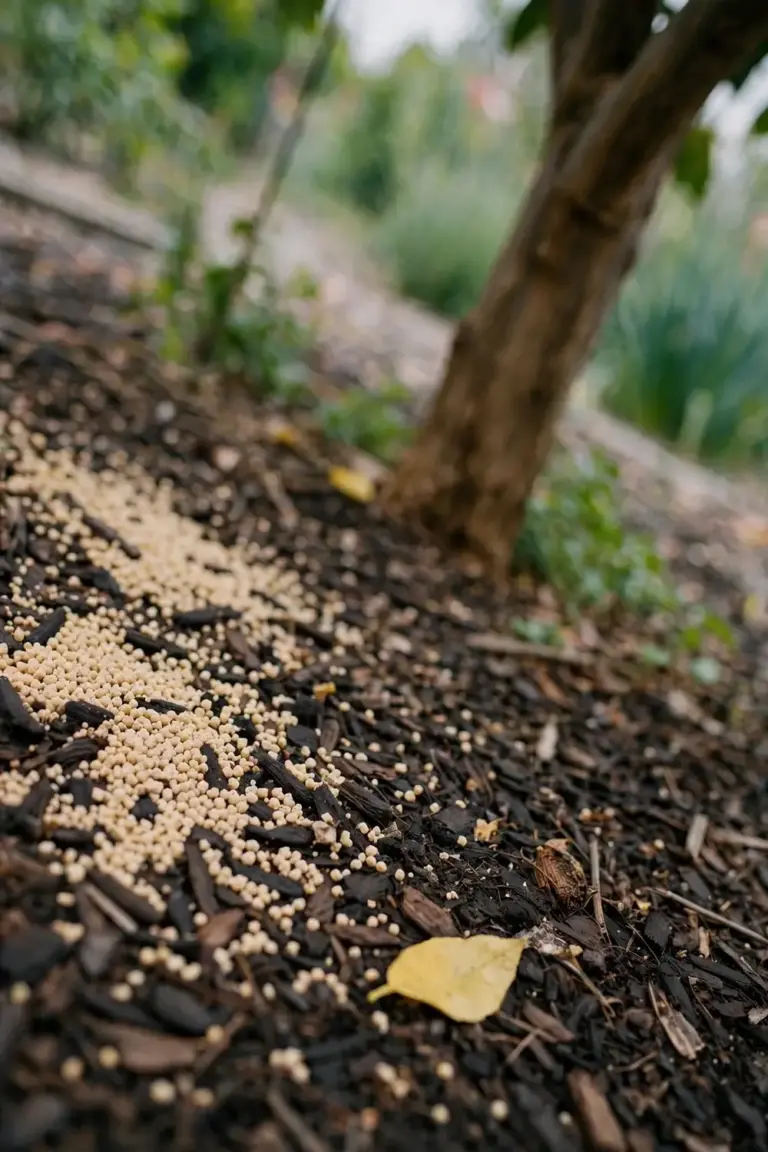
Use a complete fertilizer such as 6-12-6, 8-8-8, or 13-13-13 for the first application, according to the same review. Apply the equivalent of 227 g of actual nitrogen per tree at each application, according to the same review. The numbers on the bag show the nitrogen, phosphorus, and potassium shares. A complete fertilizer covers all three. A nitrogen-only feed grows leaves at the cost of fruit, so skip straight nitrogen unless a soil test shows a true deficiency.
Young trees need less. For trees less than 3 years old, apply about 45 to 91 g of nitrogen per tree at each application, according to the same review. Fertilize young trees four or five times between February and September, according to the same review. In Australia, spread those four or five feeds across spring through early autumn. Young trees build framework first. Fruit comes after the framework stands.
Spread fertilizer beyond the spread of the limbs, where most feeder roots sit. Water it in after spreading. Fertilizer left on dry soil does nothing. Fertilizer piled against the trunk burns bark. Keep granules off the trunk and off the leaves. A light rake after spreading settles granules into the mulch and stops them washing away in the next storm.
8. Check Gall Wasp, Scale, and Aphids Early
Pests take juice two ways. Some suck sap from the tree. Some deform the wood that carries fruit. A weekly check of new growth catches both early. Look at soft tips, the undersides of leaves, and young stems where pests cluster on soft tissue. Carry secateurs on the same walk, so a galled stem comes off the day it shows.
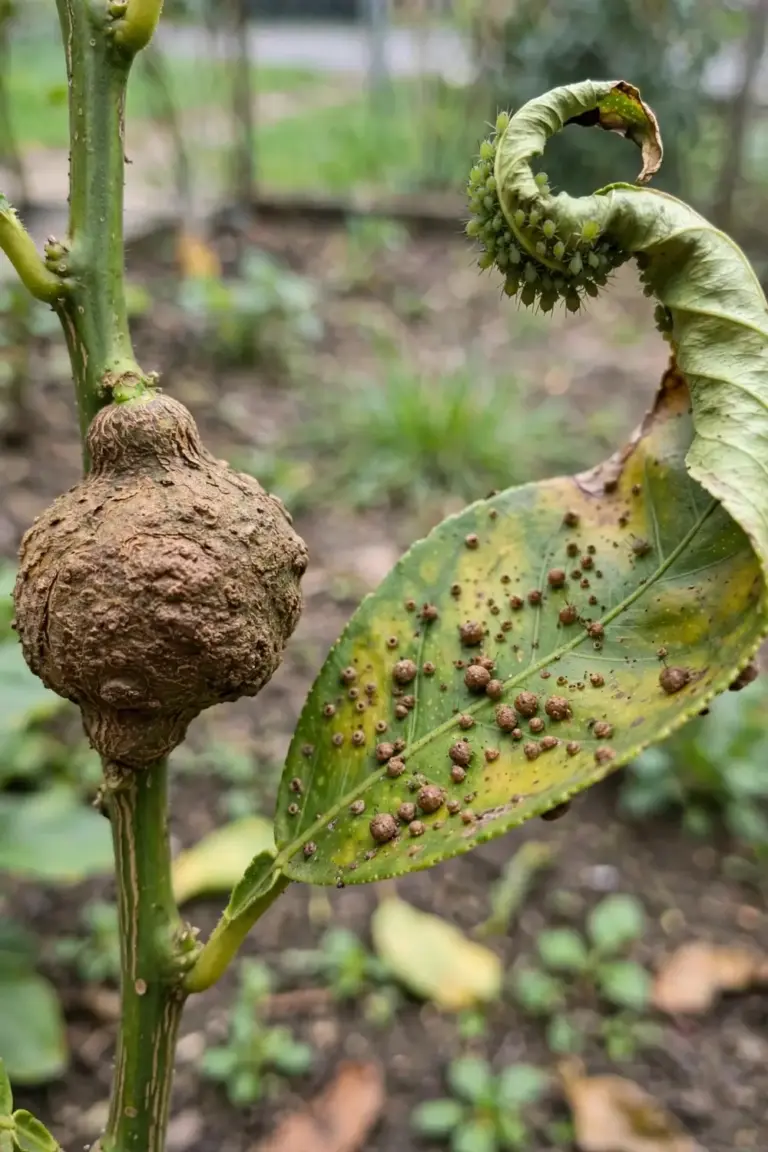
Citrus gall wasp swells young stems into woody galls. Galled stems carry fewer fruit. Prune galled stems out and bin them. Do not compost galls. The wasp larvae inside survive compost and emerge to attack new growth. A clean cut below the gall removes the brood. Check for galls in late winter before the wasps emerge.
Scale insects sit still on stems and leaves, looking like small bumps. They suck sap and drip honeydew. Sooty mould grows on the honeydew and blacks the leaves, and black leaves catch less light, so the tree fills fruit slower. A horticultural oil spray applied exactly as its label directs smothers scale and aphids. Oil works by coating the insect, so it needs full coverage to work. Spray in cool weather, never in heat or on open flowers.
Aphids crowd soft new tips, curl leaves, and drain the growth that should fill fruit. A hard jet of water knocks most aphids off. Repeat the jet every few days. Beneficial insects eat aphids once the colony thins, and a tree with helpers needs fewer sprays. Avoid broad sprays. They kill the helpers too. Check the tips again after a week. A clean tip means the helpers won.
9. Pick by Weight and Taste, Not Color
Color is a poor indication of maturity in citrus, and the only sure way to determine maturity is to taste the fruit, according to the Mississippi State University Extension citrus review. Lemons are exceptions to the sweetening rule. Since lemons grow for acid flavor, harvest any time the fruit reaches a usable size and juice content is adequate, according to the same review. A lemon does not gain juice off the tree. A lemon left hanging past ripe loses juice.
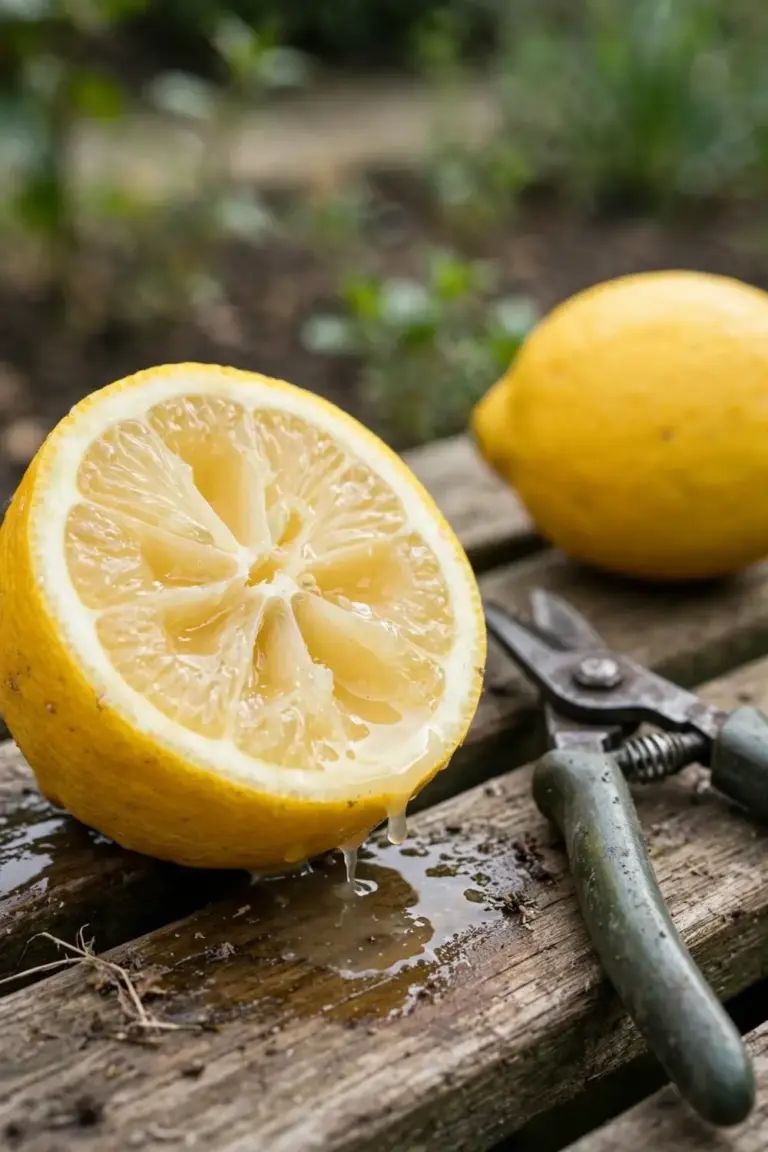
Pick by three signs together. First, size: the fruit has reached the full size for its variety. Second, weight: the lemon feels heavy for its size. Heavy means juice. Light means dry. Third, taste: cut one fruit and taste it. Sharp acid and free-running juice mean the batch is ready. Pale color alone means nothing. A green-tinged lemon can hold full juice.
Fruits hold well on the tree for months, according to the LSU AgCenter guide. That holding power tempts growers to leave fruit hanging. Lisbon fruit may overripen if left on the tree, according to the same guide. Overripe fruit dries from the inside. Pick fruit as each batch reaches weight and taste. Leave the next batch to size. Staggered picking keeps juice high across the season.
Cut the fruit with secateurs, since pulling tears the stem and wounds the branch. Leave a short stem on the fruit. A torn stem rots in storage. A clean cut keeps for weeks in the refrigerator. Room temperature dries picked lemons within days, so refrigerate the harvest the same day.
10. Fix Dry Fruit, Thick Skin, and Few Fruit
Dry fruit has one of three causes: water gaps, early picking, or fruit left too long on the tree. Water gaps during sizing leave juice sacs half full. Early picking catches fruit before the sacs fill. Fruit left hanging past ripe dries from the inside. Match the cause before changing anything. Check the water record first, then check the picking date, and fix the cause that matches.
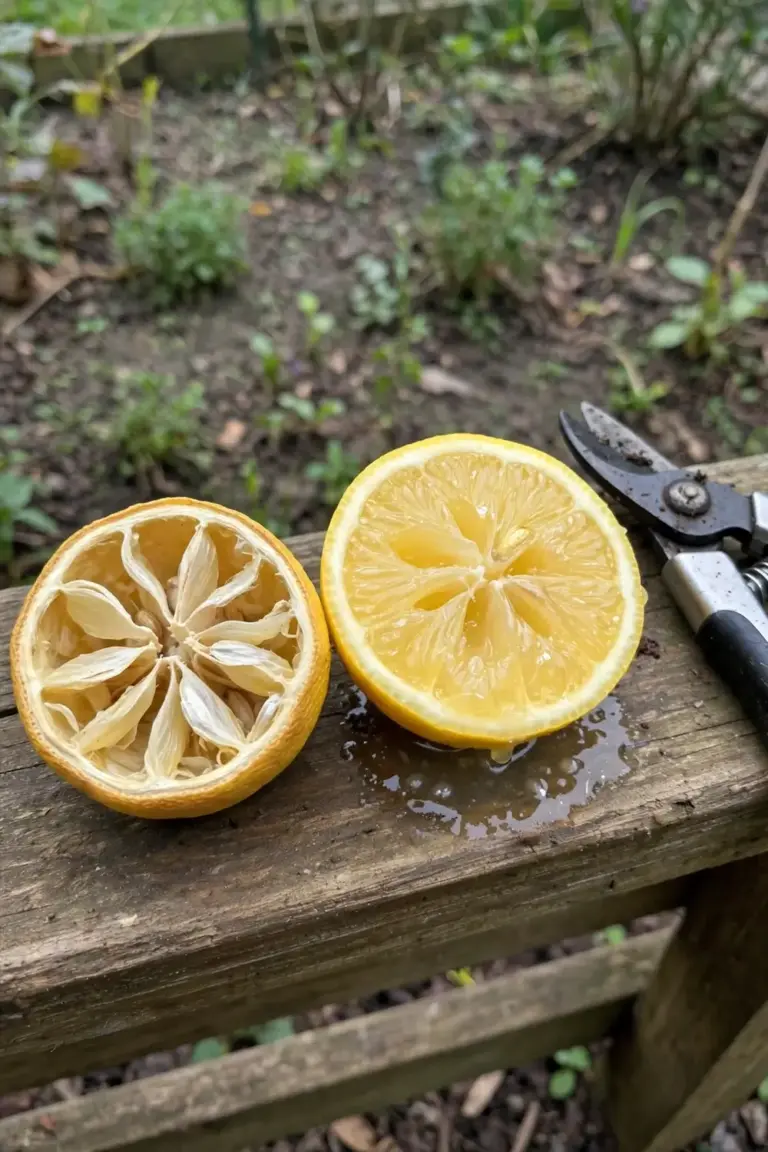
Thick skin points to a different set of causes. Overfeeding nitrogen grows rind at the cost of juice. A young tree in its first fruiting year grows thick skin while it builds framework. Some varieties carry thicker skin by nature. Cut nitrogen back to the measured rate. Give the tree another season. Thick skin on a young tree often thins as the tree matures.
Few fruit on a healthy tree usually means the tree is young, shaded, or dry at flowering. Drought during flowering causes fruit not to set, according to the same review. A tree in shade sets fewer flowers. A tree under 3 years old sets few fruit while it builds wood. Give young trees time. Give shaded trees sun. Give dry trees steady water at flowering.
Early fruit drop follows the same logic. A tree drops green fruit it cannot carry, and water gaps during early set push the drop further. Steady water at flowering and through early sizing holds more fruit on the branch. Some drop stays normal even on a well-watered tree, since a tree sets more flowers than it can ripen. Watch the pattern across weeks. A short drop after flowering means the tree adjusted its crop. A long drop through sizing means water failed.
A potted lemon shows the same problems faster. Pots dry in a day of wind and heat. A dry pot drops fruit and dries the fruit that stays, so check pots with the finger test every day in summer. Water when the top 5 cm dries. A pot without drainage holes drowns roots. A pot on a saucer that stays full drowns roots too. Drainage holes plus an emptied saucer keep a potted lemon safe.
Seedling trees take far longer to fruit than grafted trees. The time from seed to fruit in the field may be 7 to 8 years, according to the same review. Seedlings grown in containers may never form flowers and fruit, according to the same review. A grafted nursery tree fruits years sooner. Check the tag when buying. A grafted tree shows a graft union near the base. A seedling shows none.
Prune only for light shaping and airflow. Heavy pruning removes fruiting wood and cuts the crop. The spring pruning techniques guide covers the method in full. This page stays on juice. One light shaping pass after the main harvest keeps the canopy open. Airflow dries leaves and slows disease. Nothing more is needed.
11. Frequently Asked Questions
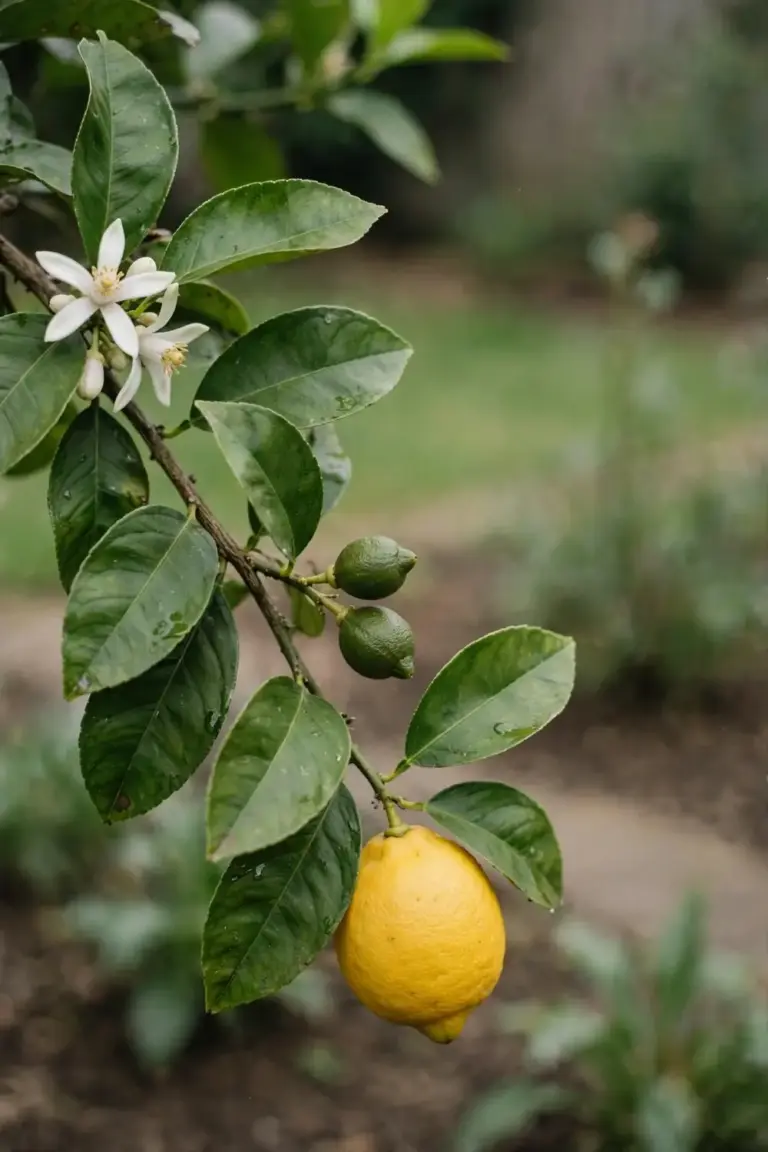
Lisbon grows large juicy fruit with few seeds, and Meyer grows medium fruit that is very juicy and sweeter than a standard lemon, according to the LSU AgCenter guide. Eureka gives the standard acidic lemon. All three crop almost all year. Pick Lisbon for big juicy fruit, Meyer for sweeter juice in a small tree, and Eureka for classic sharp lemon flavor. Variety sets the juice ceiling. Water and harvest timing fill it.
Dry lemons come from water gaps during sizing, picking too early, or fruit left hanging past ripe. Drought during flowering causes fruit not to set, and a lack of water later causes fruit to drop and lower yields, according to the Mississippi State University Extension citrus review. Check the water record. Water often and deeply during dry periods. Pick by weight and taste. A lemon does not gain juice off the tree, so late picking never fixes a dry lemon.
Lemons do not gain juice after picking. Color is a poor indication of maturity, and the only sure way to determine maturity is to taste the fruit, according to the Mississippi State University Extension citrus review. Lemons grow for acid flavor, so harvest any time the fruit reaches a usable size and juice content is adequate. Pick by size, weight, and taste together. A lemon left hanging past ripe dries from the inside instead of gaining juice.
Water often and deeply during dry periods, according to the Mississippi State University Extension citrus review. Check the soil with a finger 5 cm down before watering. Dry at that depth means water. Damp at that depth means wait. Citrus plants cannot tolerate wet feet, and standing water can kill them. Pots dry faster than ground soil, so check pots more often. Steady water through the whole sizing season matters more than any single deep soak.
A juicy lemon grows well in a pot when the variety fits the container. Meyer is a small tree 1.8 to 3.0 m tall at maturity, according to the LSU AgCenter guide, and suits pots best of the three. Use a large pot with drainage holes. Water more often than ground trees, since pots dry fast. Feed at the young-tree rate while the tree builds framework. Move the pot to the sunniest spot and protect it from hard frost.
12. Start With the Variety, Then the Water
Juicy lemons come from variety, water, and harvest timing in that order, so pick Eureka, Lisbon, or Meyer for juice first. That is how to grow juicy lemons in Australia: variety first, water steady, harvest at weight. Water steady while the fruit sizes, and pick by weight and taste rather than by color alone. Three levers, applied across the season, fill the juice sacs that make a lemon worth squeezing.
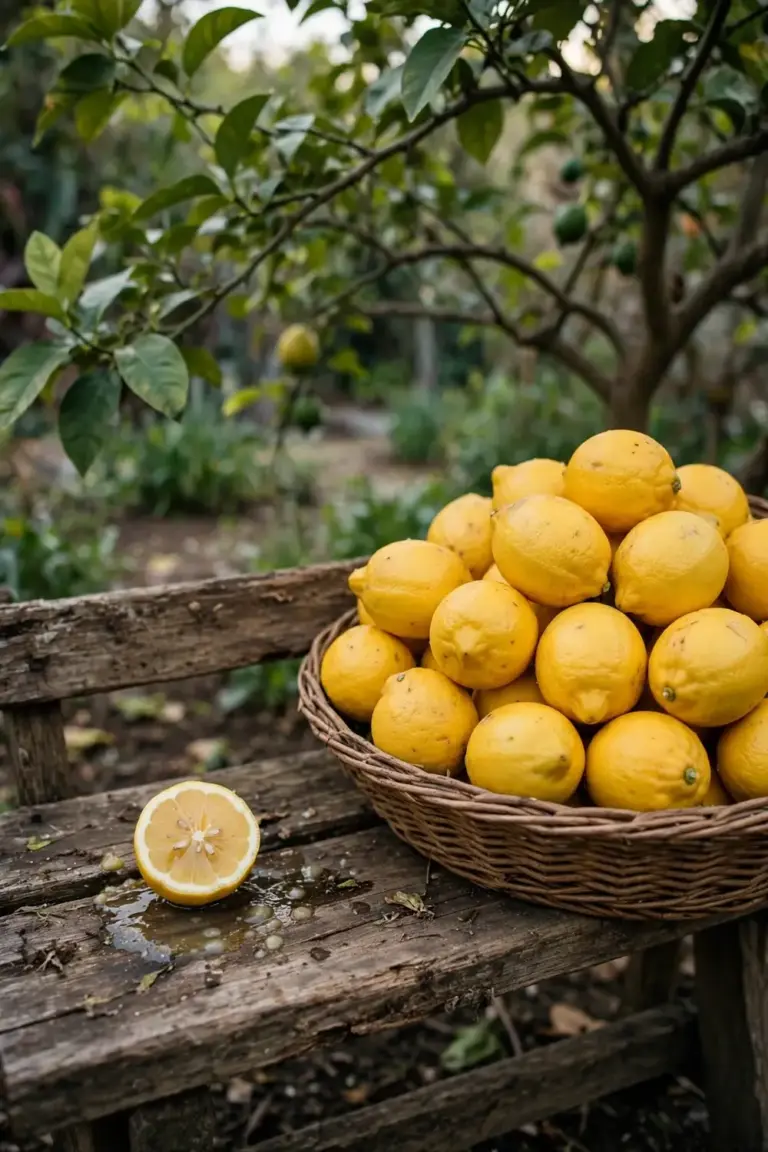
The how to grow lemon fruit guide covers general lemon growing in full. This page stays on juice. Start with the variety. Keep the water steady. Pick at full weight. The next lemon you cut should run with juice.