
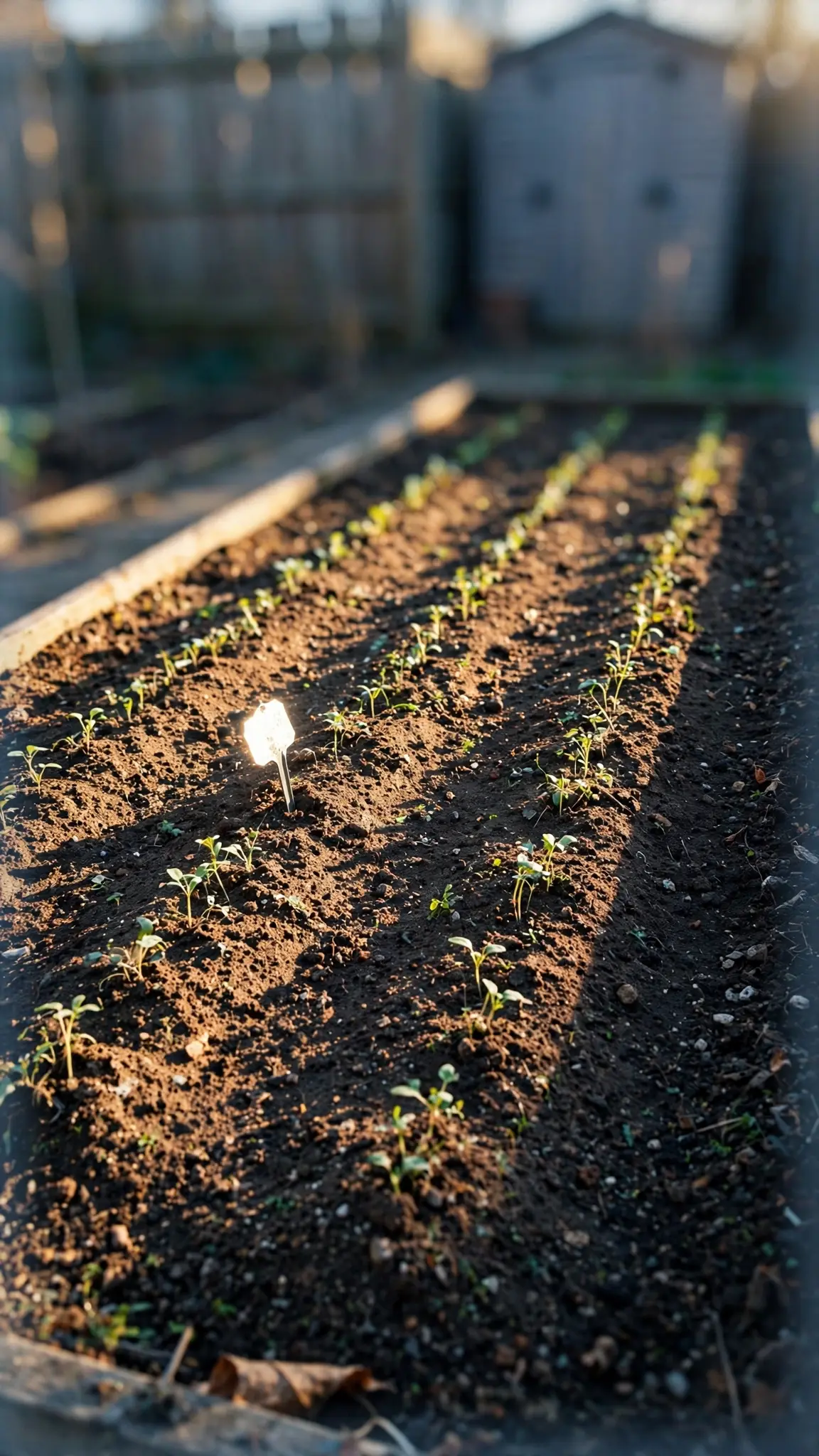

Open Purdue’s fall vegetable planting table and count 10 weeks back from your average first frost date. That is a fall garden planting schedule: every crop placed on the calendar by counting backward from frost, not forward from spring. The rest of this page is 21 timed entries, from the first radish row to the garlic that sleeps through winter.
Work the chart before you buy seed. Find your frost date first. Then read each entry as weeks before frost, not as a month name, because months lie and frost dates do not. Sow in the morning. Water the seedbed the same day.
The timing math lives in detail on when to start fall garden, the month-by-month reference sits on fall planting calendar, and the whole fall task list hangs off the fall gardening tips pillar. This page is the schedule: charts first, prose second. The broad how-to of planting technique belongs to a future fall planting guide, not this page.
How to Read the Zone Chart
Every date on this page is written as weeks before your first frost. A radish needs 25 days to harvest, so it goes in 4 weeks before frost; a carrot needs 60 days, so it goes in 9. Add 1 to 2 weeks to any packet number, because fall days shorten and growth slows. That padding is the fall factor.
Find your average first frost date from a local weather station or an almanac frost chart. Count backward. Write the resulting calendar dates in the margin of the chart below. The chart does not care which zone you garden in. The frost date carries the zone inside it.
Walk it once with real numbers, using October 15 as the average first frost. A carrot needs 60 days plus the 14-day fall factor, which totals 74 days back, landing the sowing on August 2. Write August 2 next to carrots on the chart. A radish needs 25 days plus 14, totaling 39 days, which puts its sowing on September 6. Two crops scheduled in under a minute, and every other crop on the chart works exactly the same way.
The Zone Chart: Every Crop in Weeks Before First Frost
Built from Purdue’s fall vegetable planting table, which lists average days to harvest with last feasible planting dates for northern and southern Indiana. Read the middle column, count back from your frost date, and you hold the schedule.
What the chart cannot tell you: your yard’s microclimate, your variety’s real speed, and the year the frost comes 3 weeks early. Treat the chart as the starting point and your own notes as the correction. A variety that matures 10 days faster than the packet claims earns a permanent adjustment in your copy of the chart. After 2 seasons, your annotated chart beats any published table, because it is calibrated to your soil and your sky.
| Crop | Weeks before first frost | Worked example: Oct 15 frost | Sow or transplant |
|---|---|---|---|
| Radish | 4 | Sep 17 | Direct sow |
| Leaf lettuce | 6 | Sep 3 | Direct sow |
| Spinach | 6 | Sep 3 | Direct sow |
| Arugula | 5 | Sep 10 | Direct sow |
| Mustard greens | 5 | Sep 10 | Direct sow |
| Turnip | 7 | Aug 27 | Direct sow |
| Beets | 8 | Aug 20 | Direct sow |
| Bush beans | 8 | Aug 20 | Direct sow |
| Kohlrabi | 8 | Aug 20 | Direct sow |
| Swiss chard | 8 | Aug 20 | Direct sow |
| Carrots | 9 | Aug 13 | Direct sow |
| Garden peas | 9 | Aug 13 | Direct sow |
| Kale | 9 | Aug 13 | Direct sow |
| Broccoli | 8 | Aug 20 | Transplant |
| Cabbage | 8 | Aug 20 | Transplant |
| Cauliflower | 8 | Aug 20 | Transplant |
| Chinese cabbage | 8 | Aug 20 | Transplant |
| Collards | 11 | Jul 30 | Transplant |
| Brussels sprouts | 10 | Aug 6 | Transplant |
| Onion sets | 6 | Sep 3 | Sets |
| Garlic | 2 to 4 before ground freeze | Oct 15 to Nov 15 | Cloves |
Adjust the Chart for Your Zone Band
The chart speaks in weeks, but your garden lives in a zone band, and the translation matters. In zones 3 and 4, first frost lands near late September, which compresses the whole schedule into July and August. There, the 9-week crops go in while summer still feels endless, and the gardener who waits for cool weather has already missed the window.
In zones 5 and 6, frost lands near mid-October, and the chart’s worked example column reads almost directly. This is the band the Purdue table was written for, with northern Indiana dates on one side and southern Indiana on the other. Gardeners here get the full spread: long brassicas in July, roots in August, greens in September.
In zones 7 and 8, frost waits until November, which stretches the schedule luxuriously. Sow the 9-week crops in late August, the greens through September, and keep sowing radishes into October. The danger here is complacency, not cold. Warm Septembers tempt gardeners to delay, and then a surprise early frost catches seedlings small.
In zones 9 and 10, frost may not come until December, or at all. The fall garden becomes a winter garden. Start cool-season crops in September when the heat breaks, and treat October like August. Garlic goes in as late as December. The chart still works, counted back from whatever date cold finally arrives, or from the winter solstice if frost never does. When in doubt, sow at the early edge of the window. A crop sown a week early forgives, and a crop sown a week late rarely does.
1. Sow Radishes 4 Weeks Before First Frost
Push radish seed 1.3 to 1.9 cm deep, 2.5 cm apart, in a row you can reach without stepping on the bed. They germinate in under a week in warm soil and size up in 25 days, which makes them the fastest honest crop on this chart.
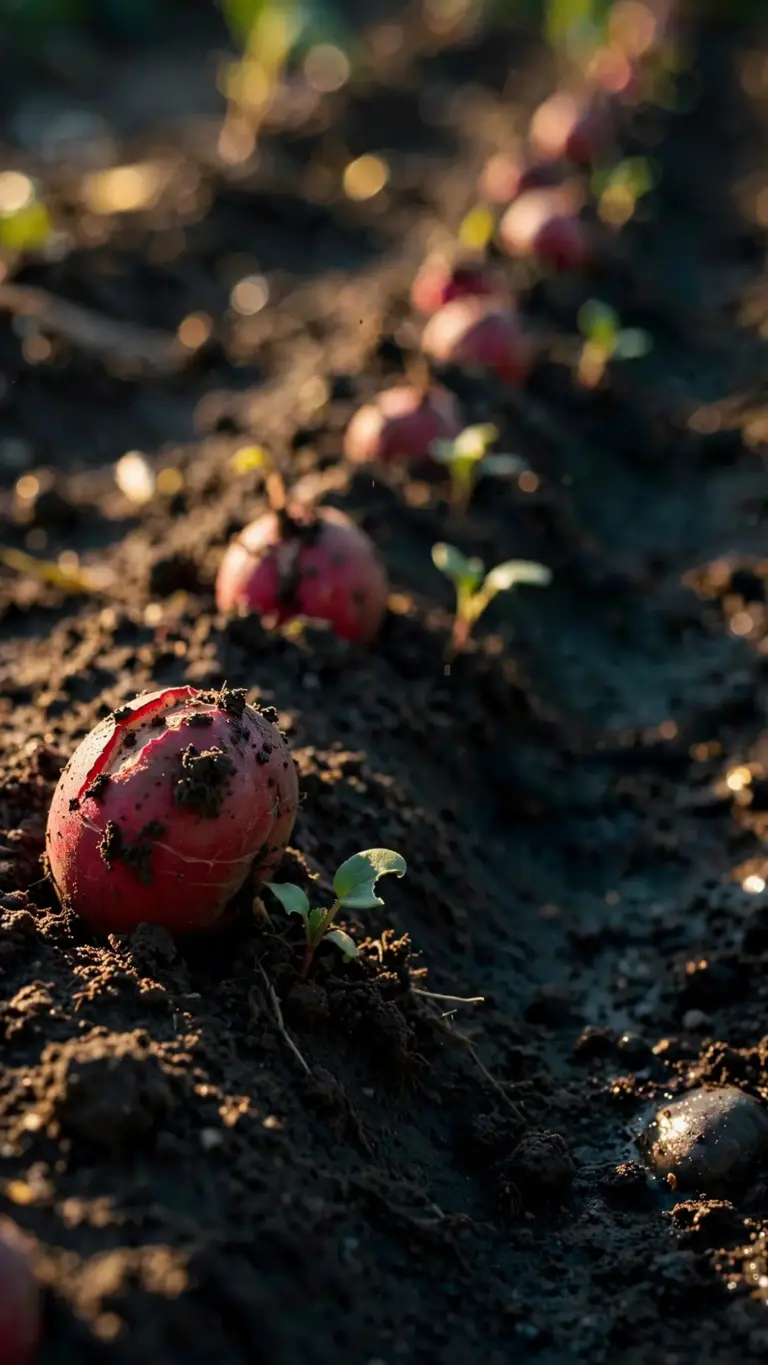
A row sown 4 weeks before frost beats the cold by a full margin. If the first frost lands early, the roots are already pulled. If it lands late, sow a second row and double the harvest. Radishes forgive almost everything except dry soil at germination. Mark the sowing date on a stake, because the second sowing is the one gardeners forget.
2. Sow Leaf Lettuce 6 Weeks Before First Frost
Sow leaf lettuce 0.6 to 1.3 cm deep and thin to 10.2 cm between plants. It needs 40 days, and it sulks when soil sits above 29 C, so wait for the nights to cool before the seed goes in.
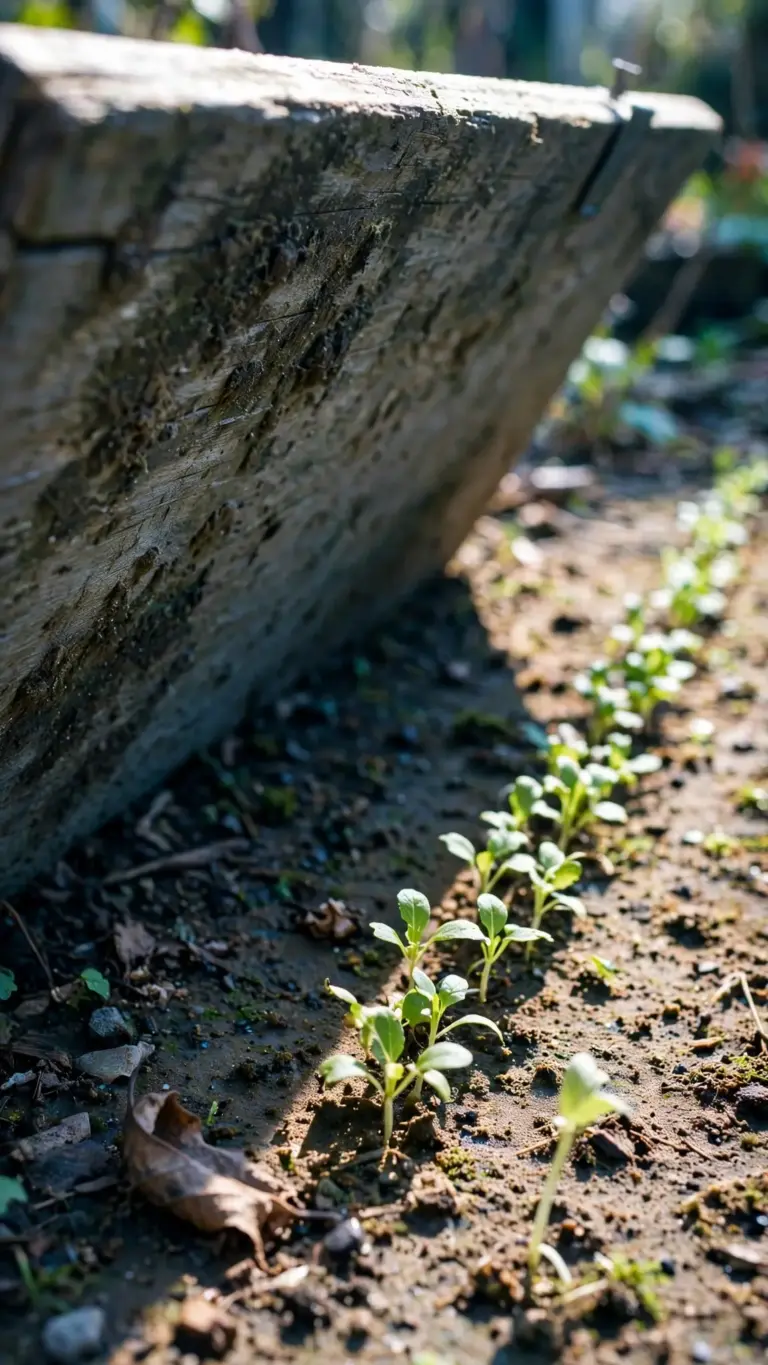
Cut leaves from the outside of the rosette and the plant keeps producing for weeks. One 1-metre row cut this way feeds salads longer than three rows clear-cut at once. Heat is the failure here, not cold. If the seedbed still reads hot at sowing time, wait a week. Lettuce sown into cooling soil outruns lettuce sown into heat every time.
3. Sow Spinach 6 Weeks Before First Frost
Give spinach the same 6-week slot as lettuce: 40 days to harvest, 1.3 to 1.9 cm deep, 5.1 cm apart. It germinates poorly in hot soil, so shade the row with a board for the first 5 days and lift it the moment seedlings show.
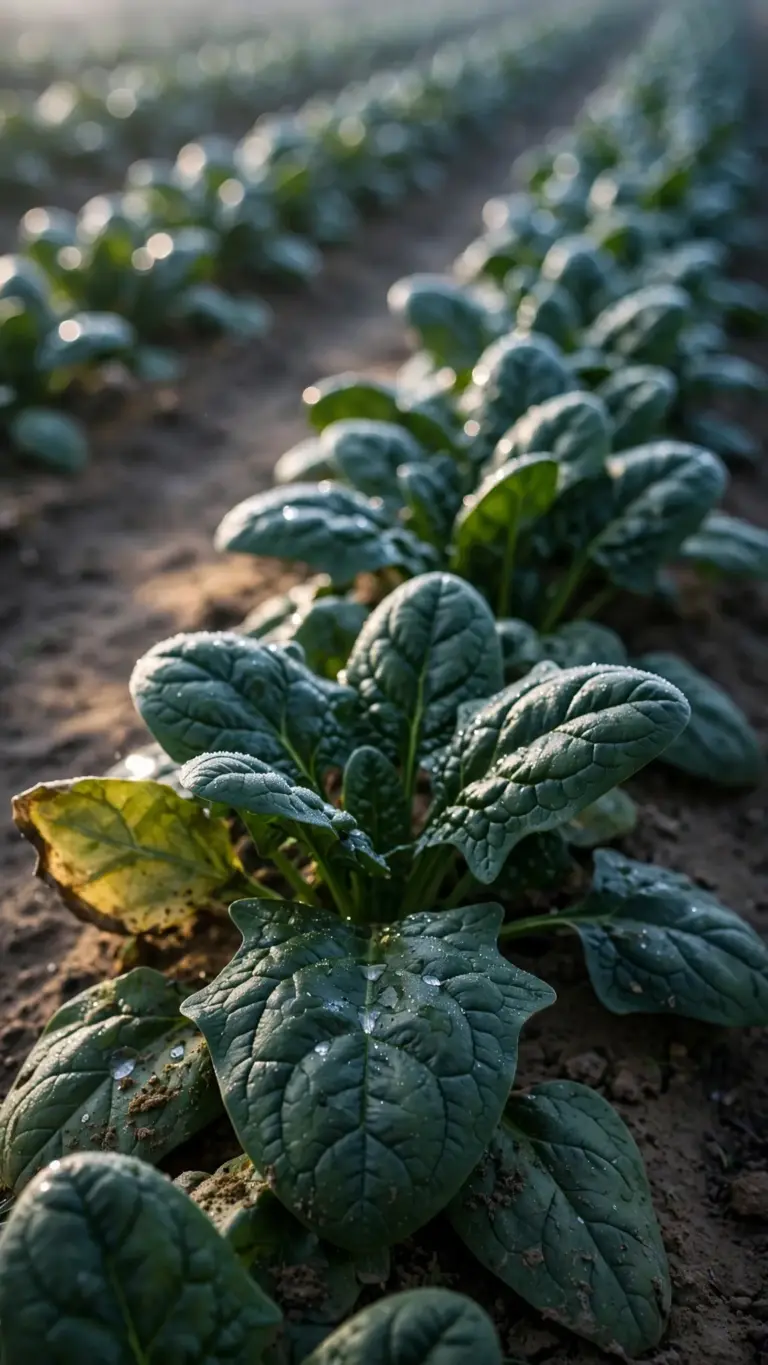
Spinach sweetens after a light frost and stands longer into cold than lettuce does. In zones 7 and warmer it often overwinters under nothing more than leaf mulch. Cold is its friend. August heat is the enemy. Sow a second patch 2 weeks after the first, and the bed hands you greens from September into November.
4. Sow Arugula 5 Weeks Before First Frost
Arugula runs from seed to salad in 5 weeks, which puts it in the same late window as mustard greens. Sow 0.6 cm deep, keep the seedbed damp, and cut at 10 cm tall for the mildest leaves.
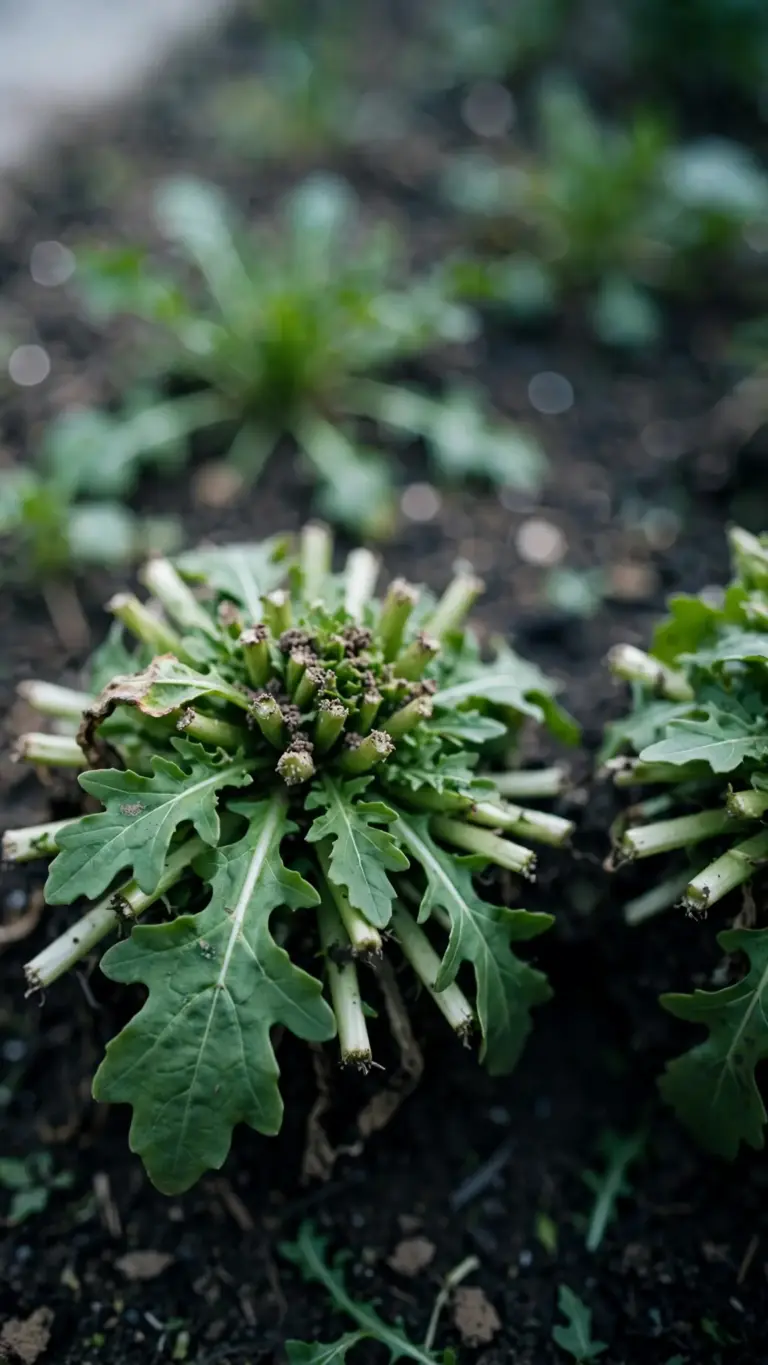
Let a few plants bolt. The flowers feed late pollinators while the seed drops for a volunteer spring patch. The failure is sowing it in July heat, where it bolts before it makes a leaf worth eating. In the 5-week slot, arugula forgives a late start better than almost anything else on this chart.
5. Sow Turnips 7 Weeks Before First Frost
Turnips need 50 days, sown 1.3 to 1.9 cm deep and thinned to 5.1 cm. Both roots and greens eat well, which makes one sowing do double duty on the plate.
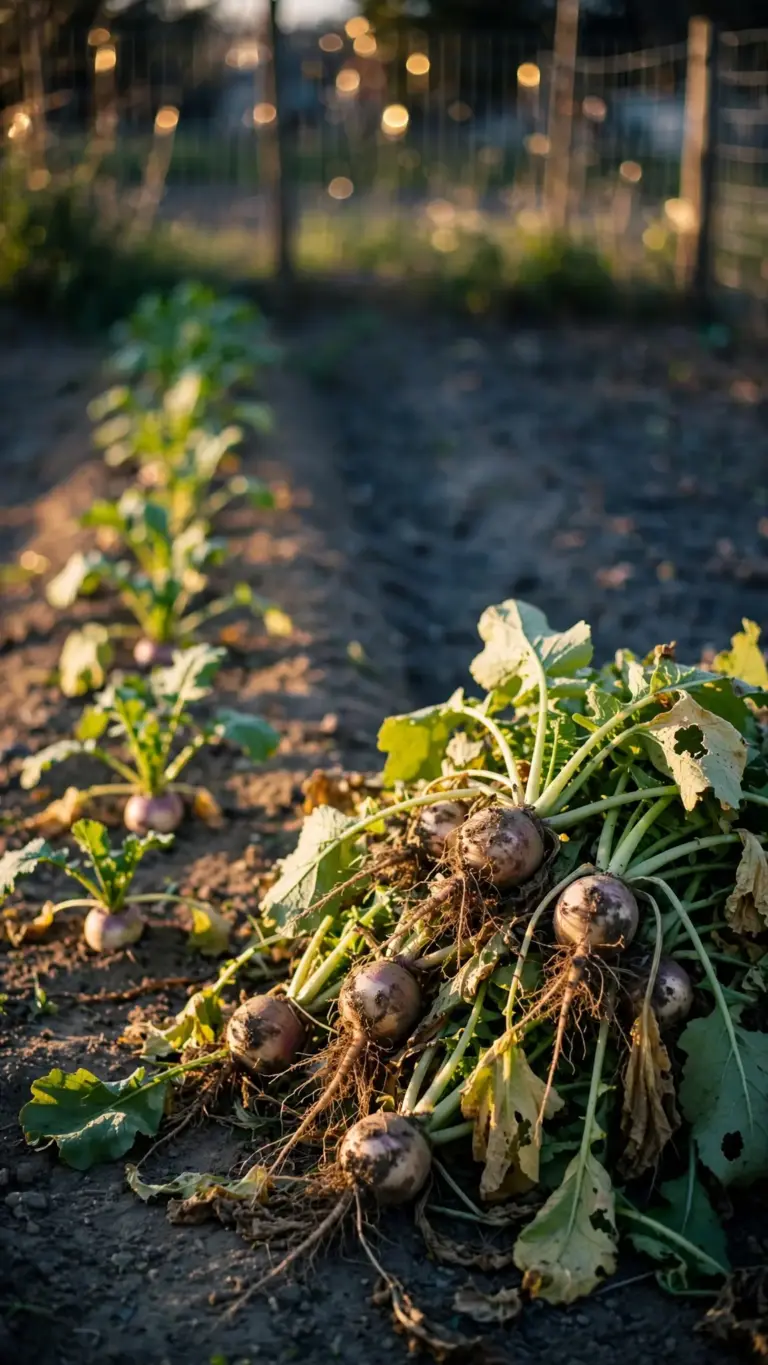
Thin ruthlessly. Crowded turnips make tops and no roots. A row thinned on time out-yields a row left thick by double, and the thinnings go straight into the salad bowl. The greens cook like mustard and the roots roast sweet, so the thinning pile is dinner, not waste.
6. Sow Beets 8 Weeks Before First Frost
Beets take 50 days from a seed cluster that holds two or three embryos, so expect twins and thin to 7.6 cm. Sow 1.3 to 1.9 cm deep, 8 weeks before frost.
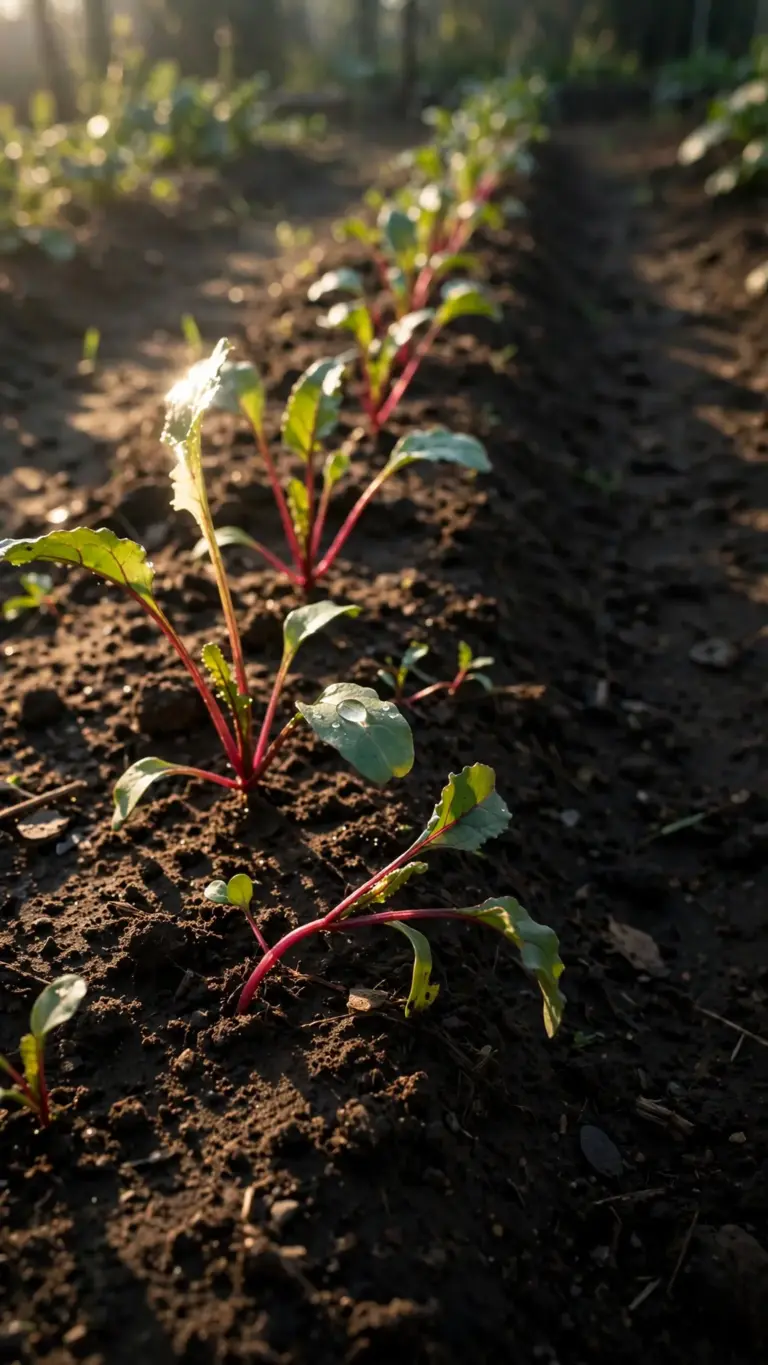
Soak the seed overnight and germination evens out. Dry seed in hot soil emerges patchy, and a patchy beet row never catches up. The water at sowing decides the whole crop. Mulch between rows after thinning to hold that moisture through the warm weeks of September.
7. Sow Carrots 9 Weeks Before First Frost
Carrots need 60 days and the finest seedbed on this chart: sow 0.6 to 1.3 cm deep, 5.1 cm apart, and keep the surface damp until emergence, which can take 2 weeks. A board over the row holds moisture the way bare soil cannot.
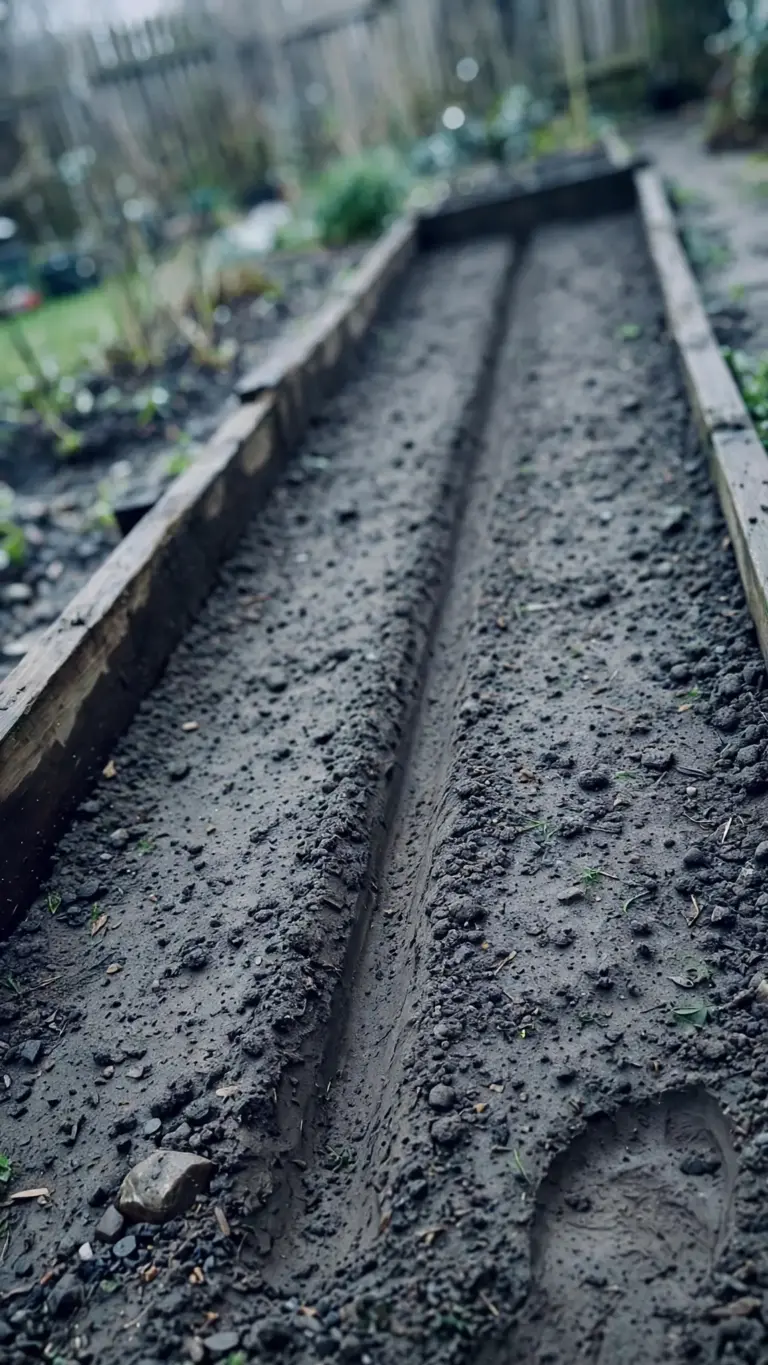
Sow them 9 weeks out and they size up as nights cool, which is when carrots turn sweet. Stony or cloddy soil forks the roots. Sift the top 15 cm of the row and the roots grow straight. A carrot pulled after the first frost eats like a different vegetable from one pulled in August heat.
8. Sow Bush Beans 8 Weeks Before First Frost
Bush beans mature in 50 days from seed planted 2.5 to 5.1 cm deep, 5.1 cm apart in the row. They want warm soil at sowing, so this is a crop for the early side of the 8-week window, not the late side.
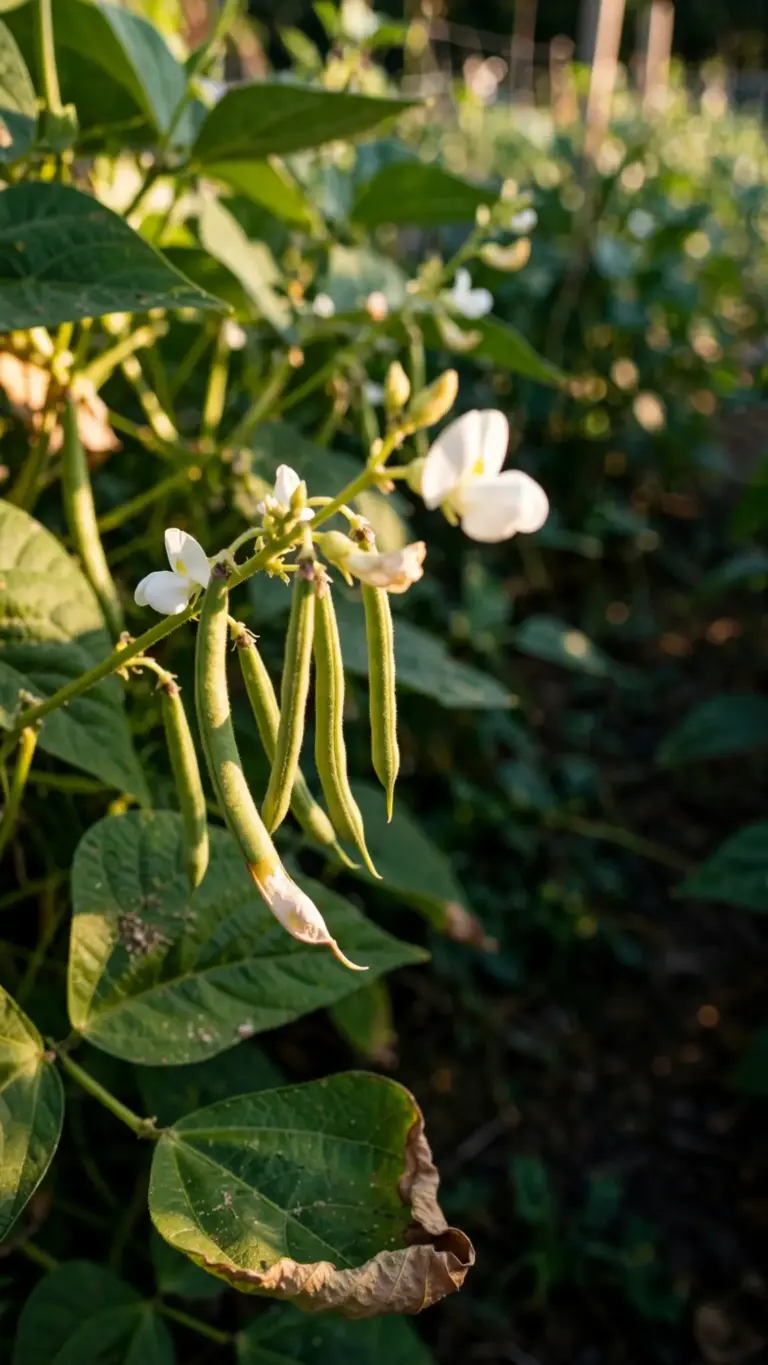
Pick every 2 days once pods form. A bush bean left unpicked stops setting new pods, and the whole planting shuts down a week early. The harvest rhythm is the schedule here. In short-frost zones, choose a 50-day variety and sow at the early edge of the window, not the middle.
9. Sow Garden Peas 9 Weeks Before First Frost
Peas need 60 days, sown 5.1 cm deep and 2.5 cm apart, with a trellis ready before they climb. They germinate in cool soil better than beans do, which makes them the safer legume bet as days shorten.
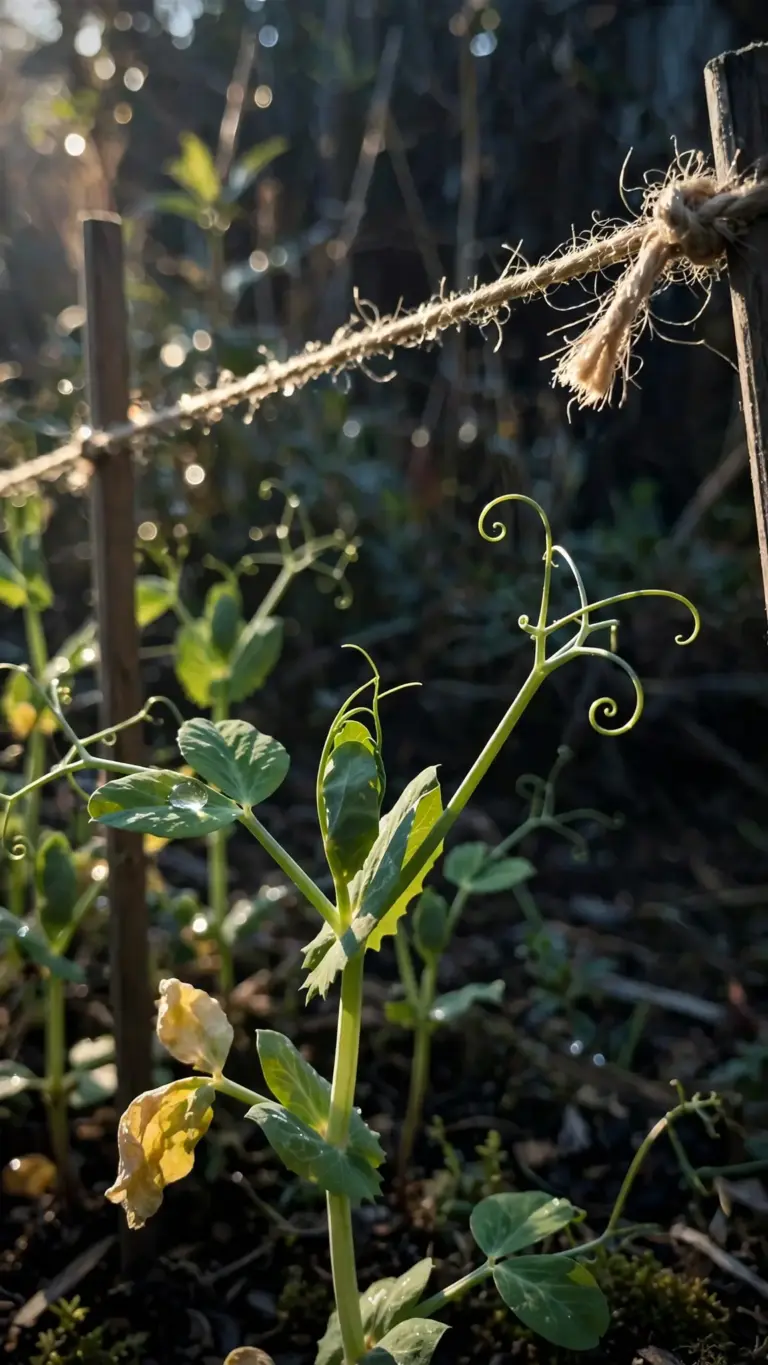
Inoculate the seed if peas have never grown in that bed. The bacteria fix nitrogen the plants cannot pull from air alone, and uninoculated peas in new soil grow pale and slow. A pea row that finishes in October leaves nitrogen behind for whatever follows in spring.
10. Sow Kohlrabi 8 Weeks Before First Frost
Kohlrabi matures in 50 days, sown 1.3 to 1.9 cm deep and thinned to 15.2 cm. Harvest at tennis-ball size, because a kohlrabi left to grow large turns woody at the core.
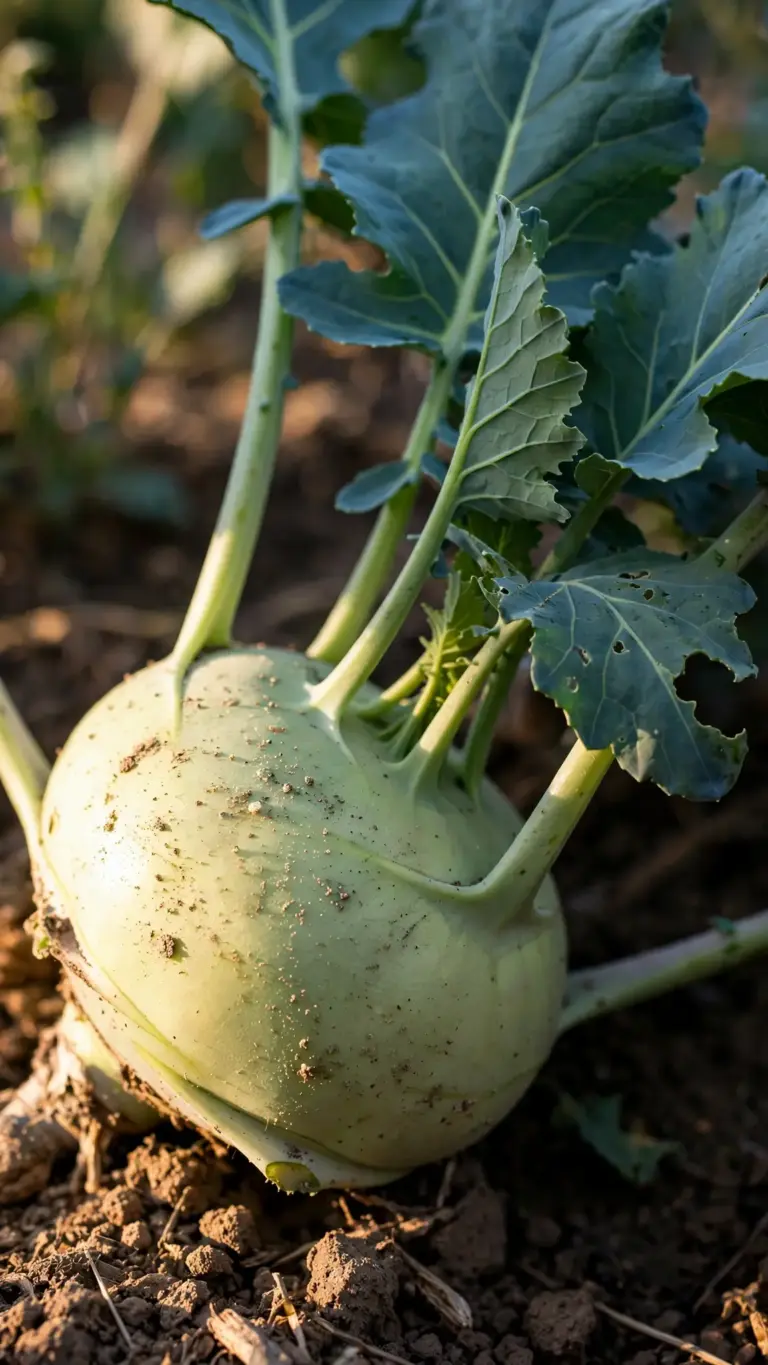
It eats like a turnip with manners: mild, crisp, good raw. Two sowings 3 weeks apart beat one big sowing, since the whole planting never matures at once. Peel the skin before eating, because the skin turns fibrous while the flesh stays sweet.
11. Sow Swiss Chard 8 Weeks Before First Frost
Swiss chard needs 50 days, sown 1.3 to 1.9 cm deep and thinned to 7.6 cm. It tolerates light frost and keeps producing cut-and-come-again leaves until a hard freeze stops it.
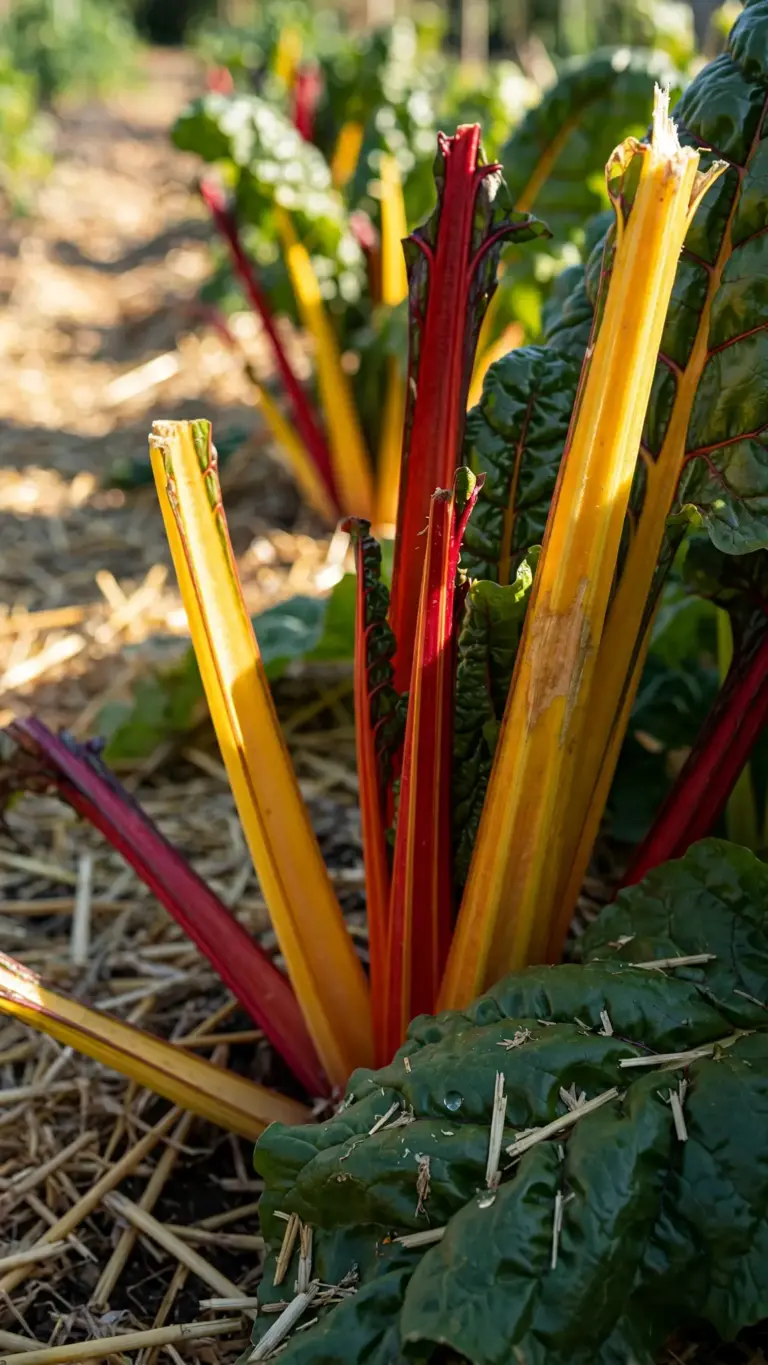
One row of chard outlasts three rows of lettuce in October. The stems cook like celery and the leaves like spinach, so nothing in the row goes to waste. Bright Lights types add color to the bed, which matters when the garden starts looking tired.
12. Sow Kale 9 Weeks Before First Frost
Kale needs 60 days, sown 1.3 to 1.9 cm deep and spaced 20.3 cm apart. It survives hard freezes down to minus 4 C and tastes better after the first frost converts its starches to sugar, according to the Cornell fall planting notes.
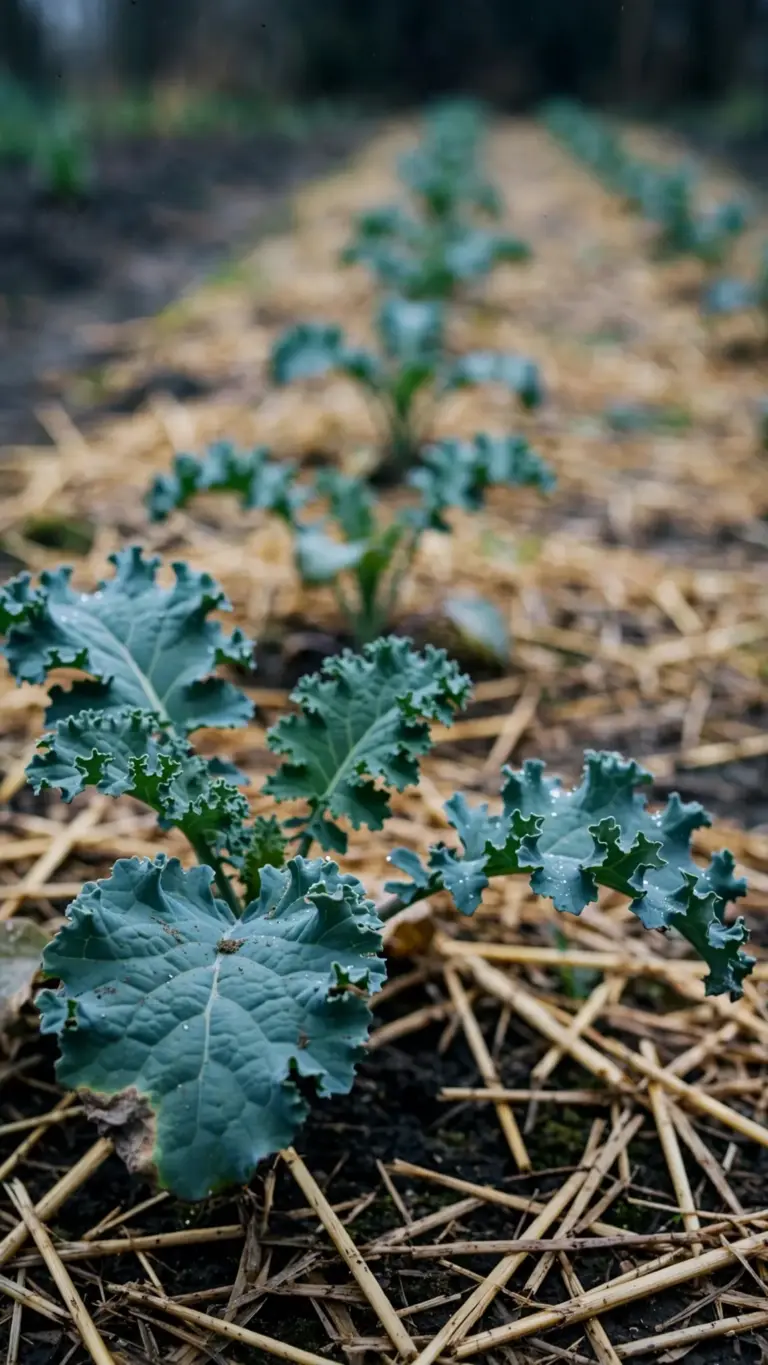
Plant it 9 weeks out and it enters winter as a mature plant, which is the form that survives. A seedling caught small by a hard freeze dies. Size before cold is the whole game. Strip the lower leaves as they yellow and the plant puts its energy into the crown that feeds you in November.
13. Transplant Broccoli 8 Weeks Before First Frost
Set broccoli transplants 45.7 cm apart, 8 weeks before frost. They need 50 days from transplanting, and they establish faster than direct-sown seed in cooling soil.
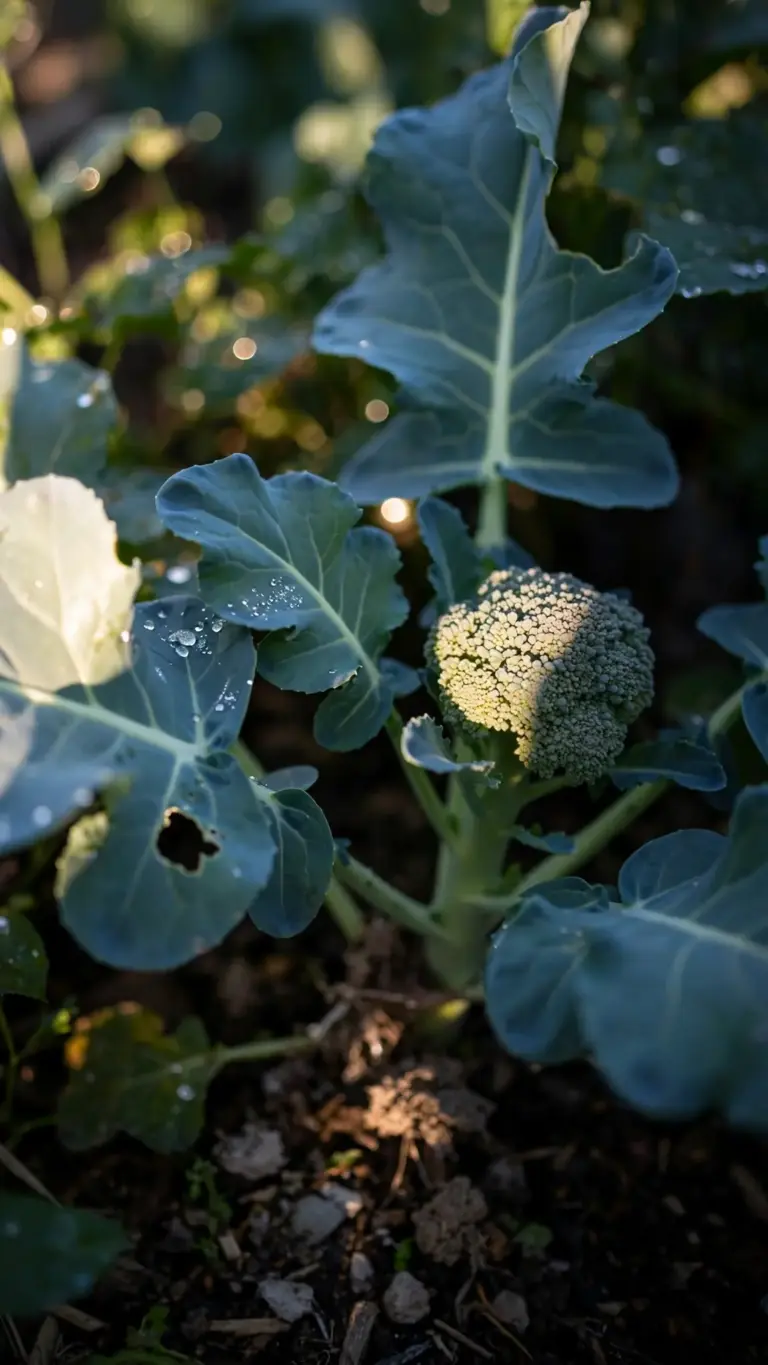
Start seed indoors 3 to 6 weeks before the transplant date (indoor seed-starting basics), or buy sturdy starts. A leggy transplant with a thick stem buttons instead of heading. Small, stocky starts head properly. Harden the starts 5 days before setting out, and plant in the evening so the roots settle overnight.
14. Transplant Cabbage 8 Weeks Before First Frost
Cabbage follows the broccoli slot exactly: 45.7 cm spacing, 8 weeks before frost, 50 days to head. It survives hard freezes at minus 4 C once headed, per the same Cornell notes.
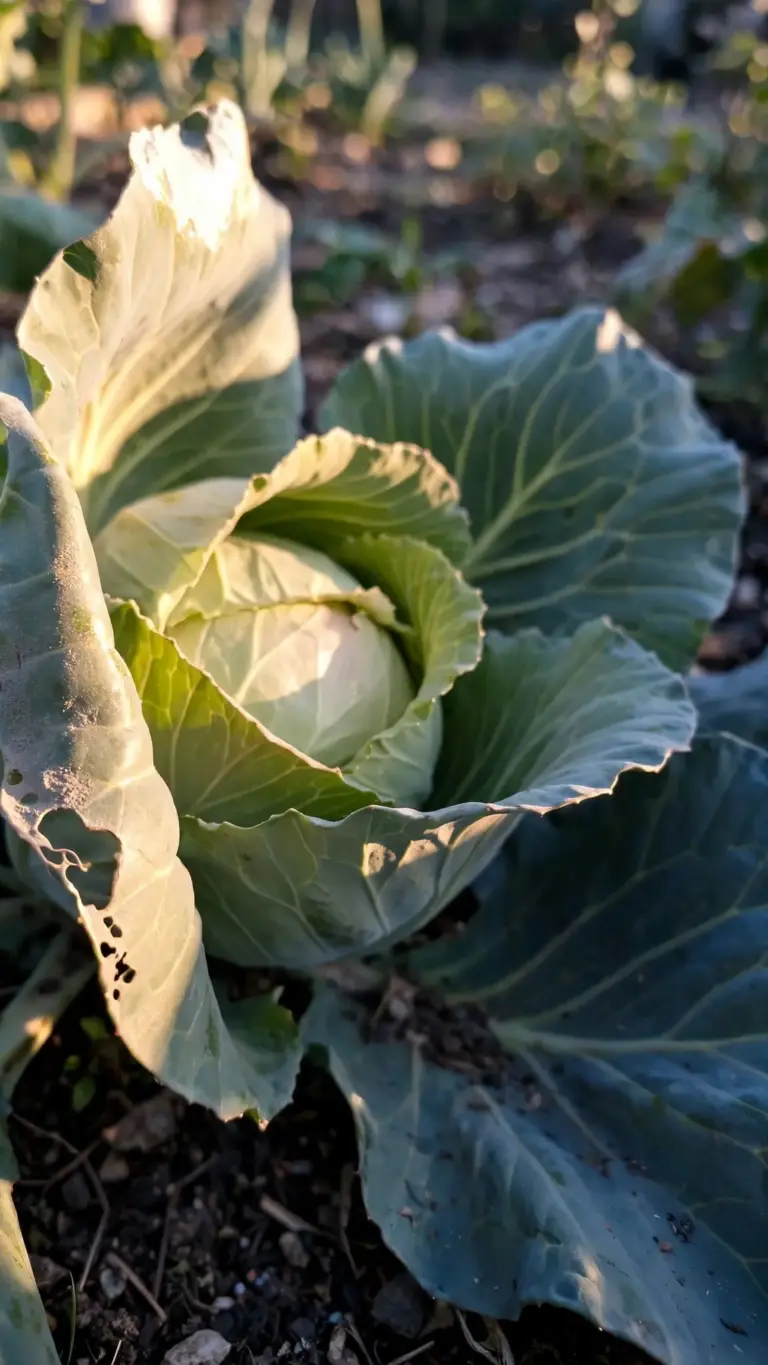
Water deeply at transplanting and mulch the row. A cabbage that stalls from dry roots in September never catches up, and a stalled head splits when autumn rain finally arrives. Consistent water from transplant day to heading is what keeps the head tight.
15. Plant Garlic Before the Ground Freezes
Break heads into cloves and plant pointy-end up, 5.1 cm deep and 15.2 cm apart, 2 to 4 weeks before the ground freezes. In central Maryland that window runs October 15 to November 15, in the University of Maryland planting calendar, which codes each crop by sow, transplant, and harvest week around an October 31 first frost.
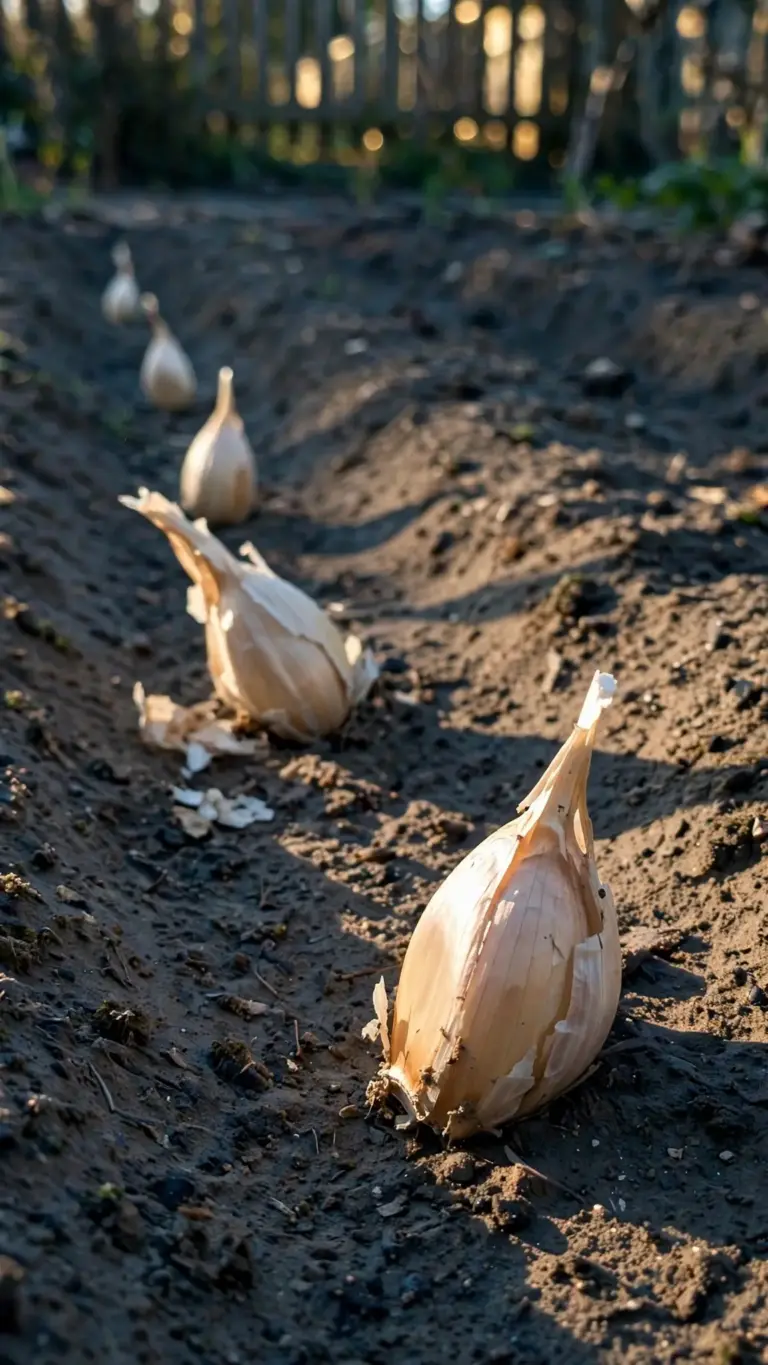
Mulch 10 cm deep after planting. Garlic needs the cold to form bulbs, so warm-winter zones should choose softneck types. A clove planted in December in zone 7 still bulbs. A clove planted in frozen ground does not. Order seed garlic early, because the good varieties sell out by September.
16. Sow Cover Crops in Empty Beds
When a summer bed empties in August, sow crimson clover or winter rye the same week. Bare soil over winter erodes and leaches, while a cover crop holds the bed and feeds it when turned under in spring. Cover crops work the winter shift; compost, rotation, and minimal tillage build soil health the rest of the year.
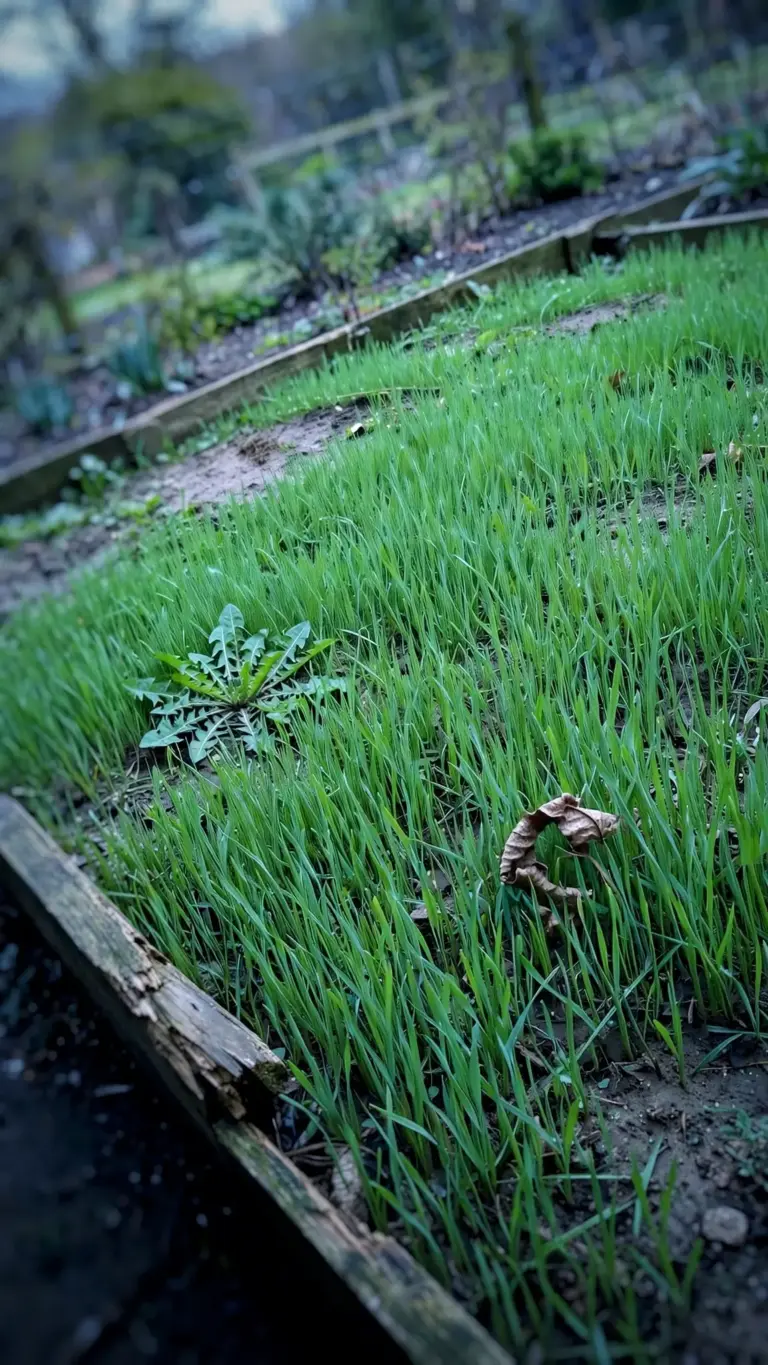
Mow or crimp the cover 2 to 3 weeks before spring planting and let it wilt on the surface. Turning fresh green matter straight under ties up nitrogen for 2 weeks. The wait pays for itself. A bed under cover all winter warms faster in spring than bare soil, so the cover buys time on both ends.
17. Stagger Greens Every 10 to 14 Days
Sow a short row of lettuce, spinach, or arugula, then sow the same length again 10 to 14 days later. Cornell’s fall notes use lettuce as the example: plant just enough for 2 weeks of salads, repeat, and the harvest never gluts or gaps.
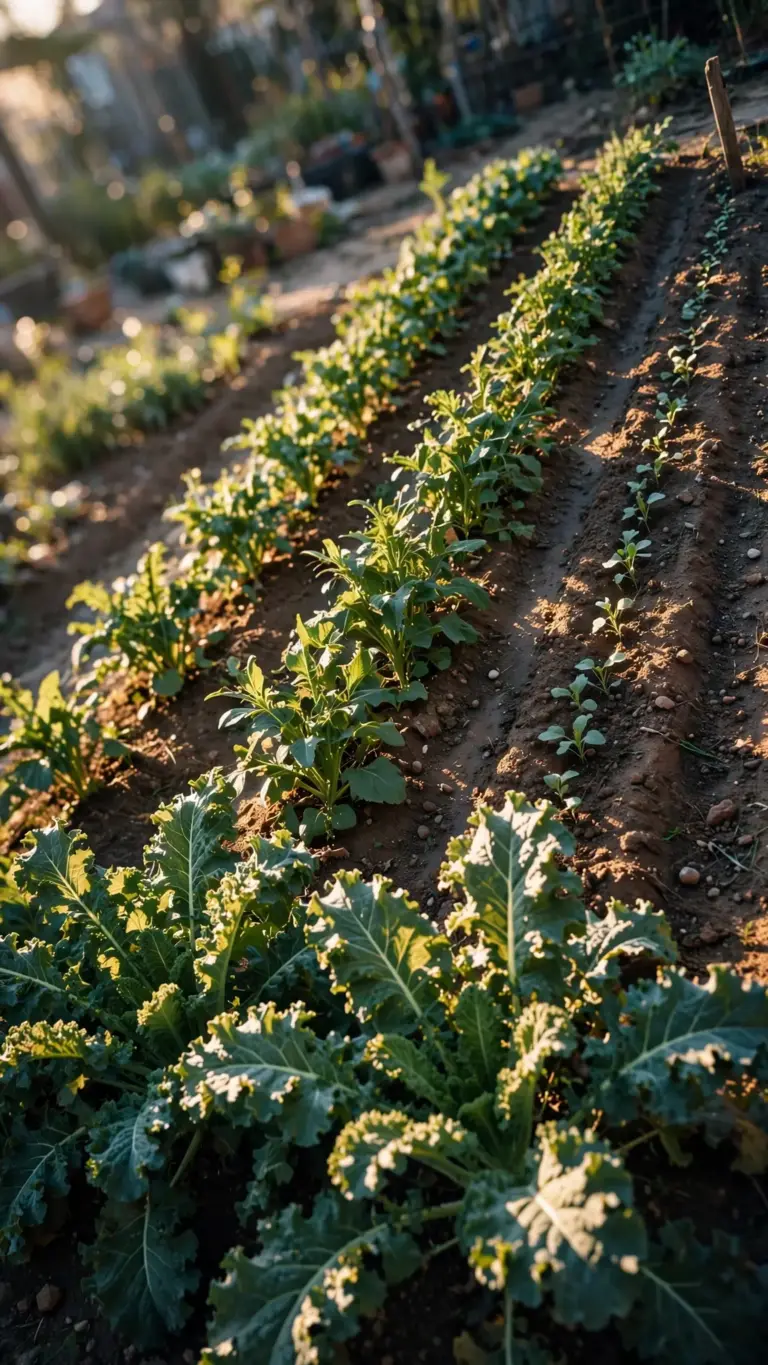
Mark each sowing with a dated stake. Memory fails by the third sowing and two rows mature the same week. The stake is the schedule made physical. When the first row starts to bolt, the second row is at peak eating size, which is exactly the handoff the stagger is built for.
18. Plant a Second Wave of Root Crops
Three weeks after the first carrot and beet sowing, sow a second short row. The first wave harvests in October, the second in November, and the bed never sits half empty.
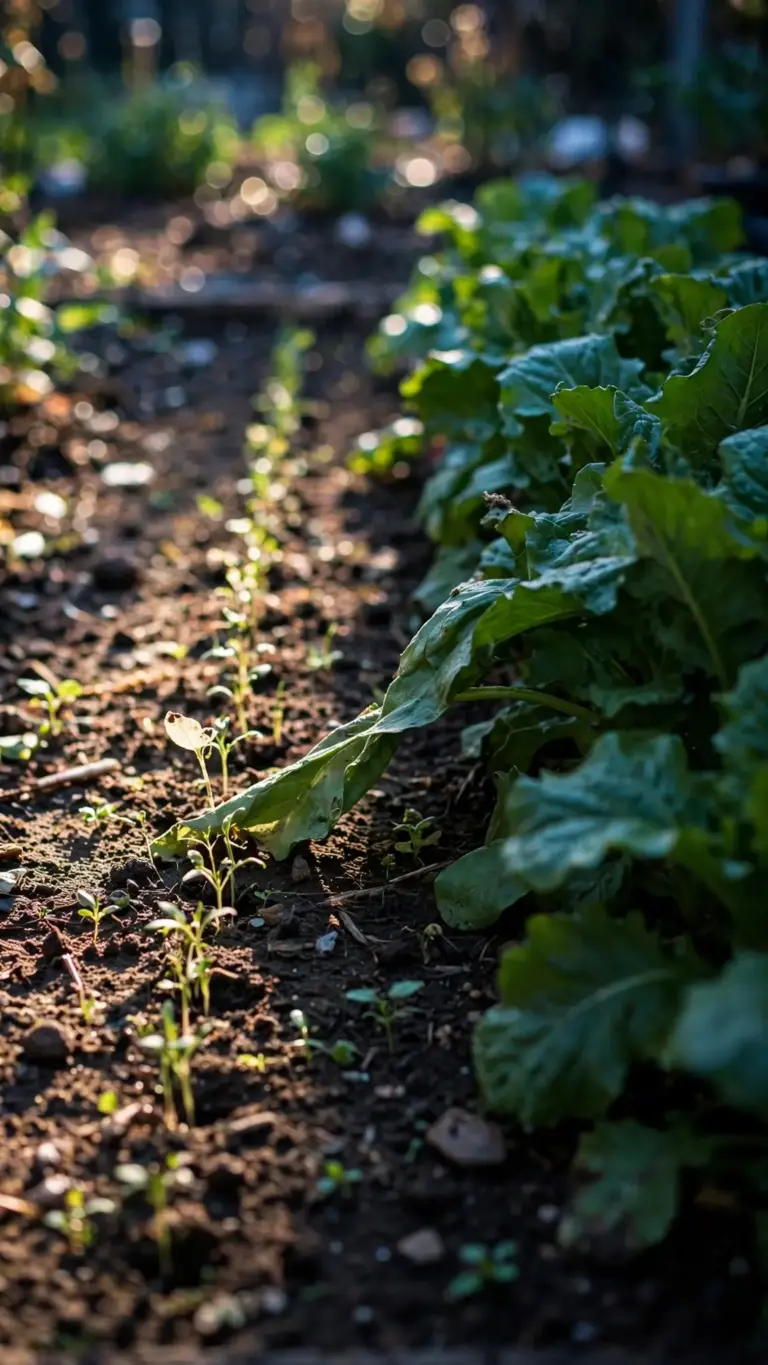
The second wave needs the same damp seedbed as the first, which is harder in September when rain thins out. Water it in by hand. A dry second sowing germinates patchy and the whole point of the wave is lost. Two waves from one bed is the closest a home garden gets to a commercial harvest curve.
19. Ask Is It Too Late for Brassicas
After mid-August in most zones, brassica seed will not mature in time. Transplants still will. A 4-week-old broccoli start set out in late August heads in October, while seed sown the same day makes leaves and nothing else.
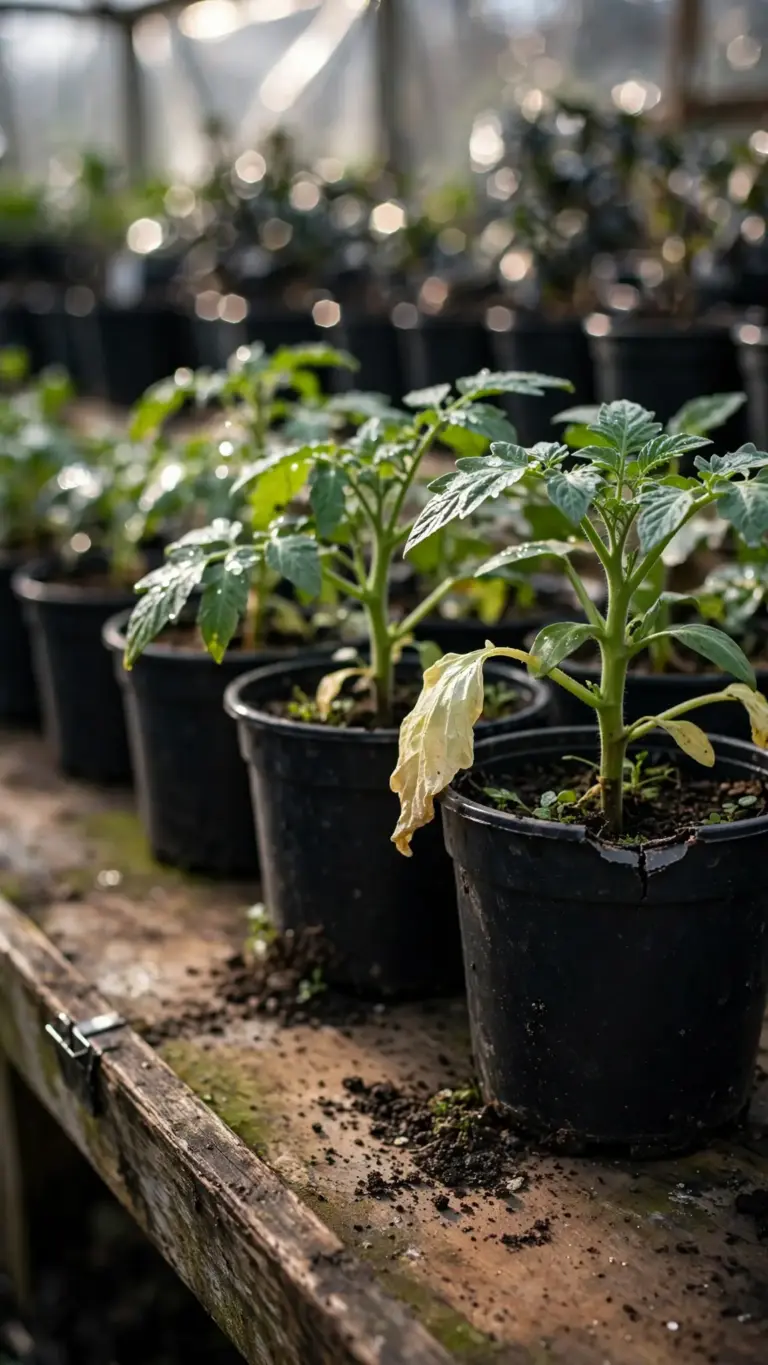
Buy starts with 4 to 6 true leaves and no flowers. A flowering transplant in the pot is already bolting and will button in the garden. The nursery shelf tells the truth if you read it. Late August is also when nurseries discount starts, so the rescue costs less than the seed would have.
20. Stretch September With a Row Cover
A floating row cover buys 2 to 4 weeks past the first light frosts. Peas and cauliflower survive 28 to 32 F frosts, and broccoli, cabbage, chard, carrots, kale, lettuce, spinach, and parsley stand hard freezes at 25 to 28 F, according to the Cornell notes. The cover turns those survivals into harvests.
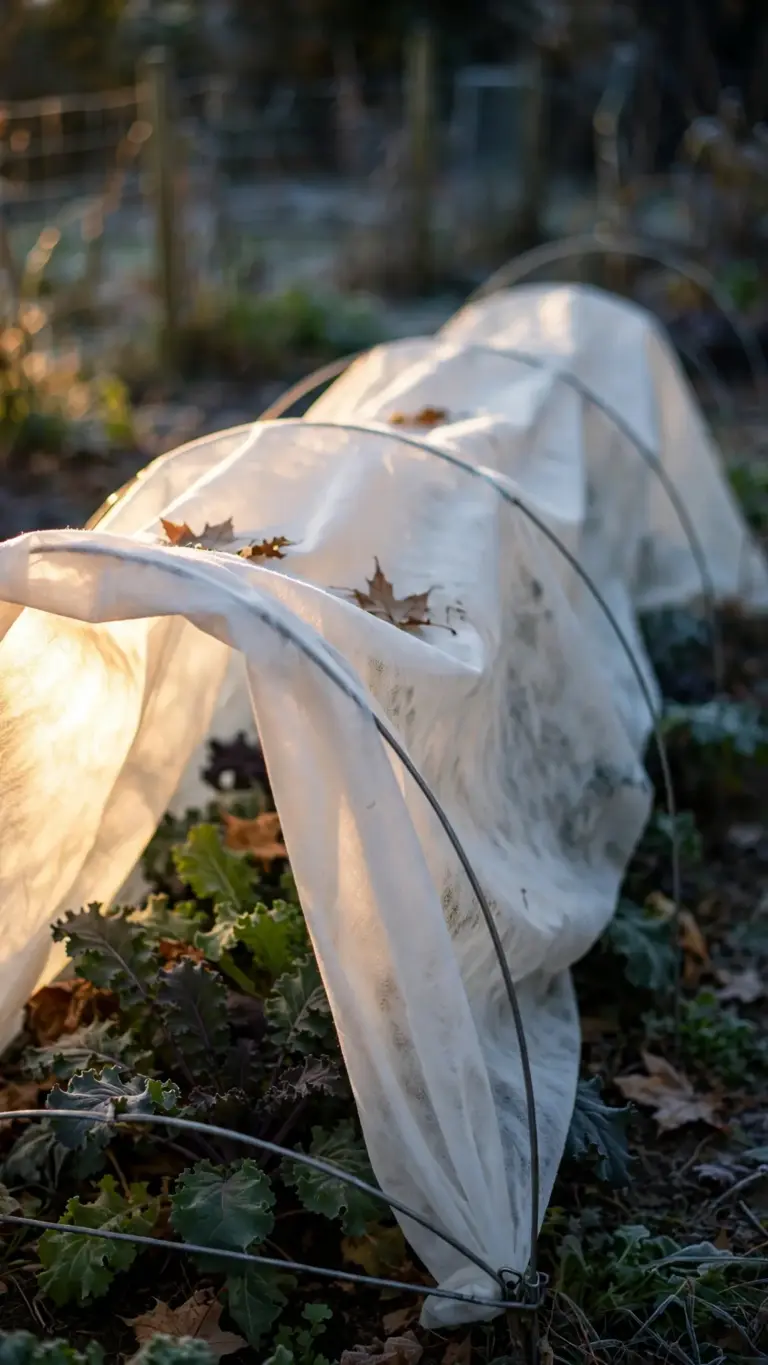
Drape the fabric over hoops, not on the leaves. Fabric lying on foliage freezes to it and damages exactly what it was meant to protect. Hoops cost little and change everything. One 3-metre row under cover in October eats like a row planted 3 weeks earlier.
21. Read the Packet Backward From Your Frost Date
Take the days to maturity on the packet, add 14 for the fall factor, and count that many days back from your average first frost. A 60-day carrot becomes a 74-day carrot. An October 30 frost means an August 17 sowing.
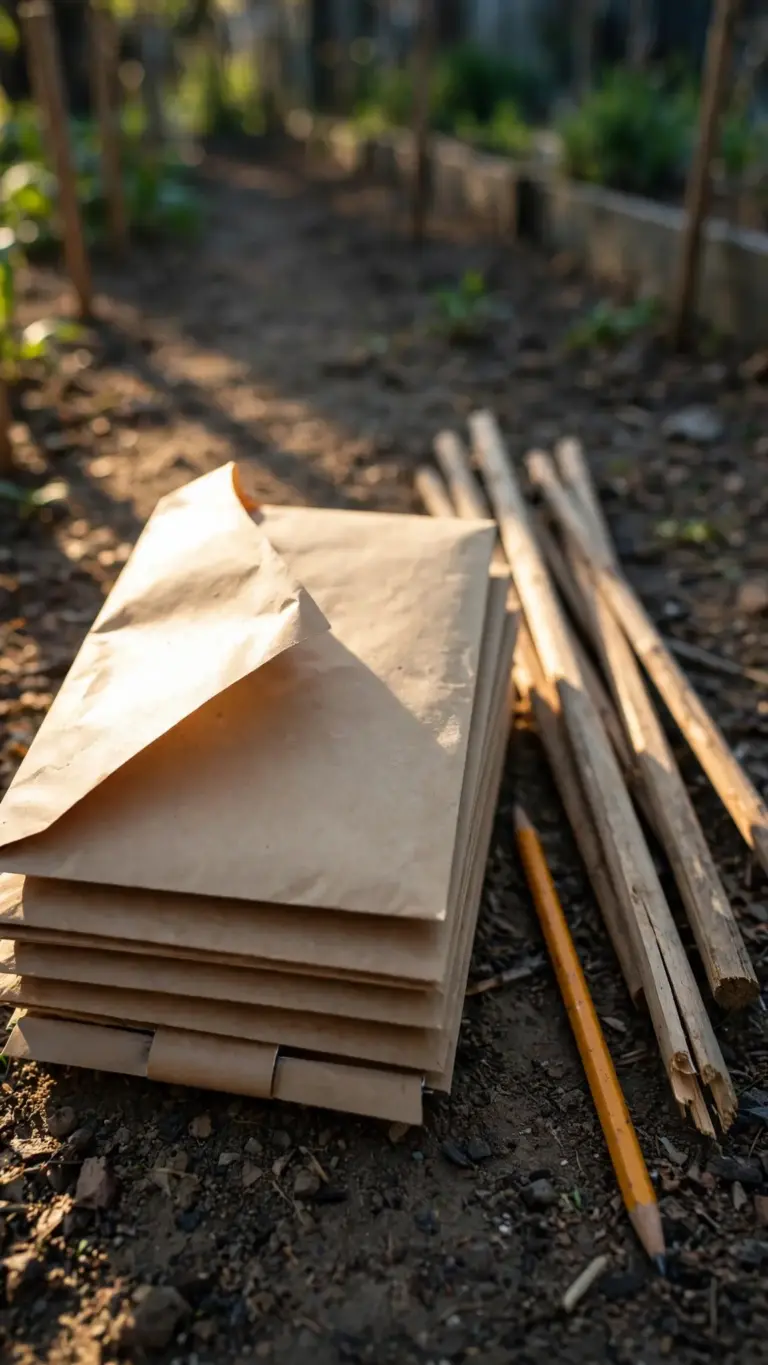
Write the computed date on the packet with a marker. Next year the math is already done, and the schedule builds itself. Packets kept this way become a personal planting calendar no website can match, and five minutes with a marker in October saves an hour of arithmetic next August.
Succession and Stagger Table
For crops worth sowing twice, this is the rhythm. First sow at the chart date, repeat at the interval, stop at the last date. The table turns one sowing into a season-long harvest, which is the difference between a garden that feeds you for a month and one that feeds you until frost.
Copy the rows for the crops you actually eat onto a scrap of paper and tape it next to the zone chart. Cross off each sowing as you do it. The crossed-off rows are the most satisfying part of the whole schedule, because they prove the plan survived contact with real weather.
| Crop | First sow (weeks before frost) | Repeat every | Last sow (weeks before frost) |
|---|---|---|---|
| Radish | 8 | 2 weeks | 4 |
| Leaf lettuce | 8 | 2 weeks | 5 |
| Spinach | 7 | 2 weeks | 5 |
| Arugula | 7 | 10 days | 4 |
| Turnip | 9 | 3 weeks | 6 |
| Beets | 10 | 3 weeks | 7 |
| Carrots | 10 | 3 weeks | 8 |
Regional Schedule Notes
Texas gardeners plant on a different clock. In the warmest zones the fall garden starts in September and runs into December, with garlic going in as late as December. Work backward from a December frost date and the whole chart shifts 6 weeks later.
Oklahoma’s extension fall gardening table puts bush beans at August 10 to 20 and tomatoes as transplants July 1 to 15, which shows how early the warm-season fall crops must go in. The principle travels: long-season crops first, quick greens last.
Georgia and the Carolinas sit between, with first frosts near early November. There, September becomes the main sowing month and October belongs to radishes, lettuce, spinach, and garlic. One frost date, counted backward, sets every row.
Wherever you garden, write your frost date at the top of the printed chart before the season starts. A chart with your date on it gets used. A chart without it stays a nice idea in a bookmark folder. The 5 minutes of personalization turn a generic table into your garden’s schedule.
Keep last year’s chart, too, with the frost date you actually got scribbled next to the average. After 3 years the scribbles become a local climate record better than any almanac, tuned to your street, your soil, and the frost pocket at the bottom of your yard.
Mistakes That Wreck a Schedule
Sowing by month name instead of frost date is the classic wreck. August in Minnesota is late summer urgency. August in Georgia is still summer. The chart works because weeks-before-frost erases the difference.
Skipping the fall factor is the second wreck. A 60-day carrot sown exactly 60 days before frost matures into shortening days and stalls at finger size. The extra 14 days are not padding. They are the crop.
The third wreck is dry seedbeds. Late-summer soil bakes, and small seed stranded in dry soil never emerges. Water the row, sow, water again, and shade it until green shows.
The fourth wreck is planting the whole chart on one day. A garden sown all at once matures all at once, and the gardener drowns in lettuce for a week, then harvests nothing for a month. The succession table exists to prevent exactly this. Sow in waves and the harvest spreads itself across the season the way the chart intended.
Pin the Chart to the Shed Door
A schedule is a promise written in weeks. Count back from frost, add the fall factor, sow on the computed date, and the chart does the remembering for you. The beds fill in August, the harvest runs through October, and the garlic sleeps under mulch until spring.
Print the zone chart and pin it inside the shed door. Next fall the dates are already waiting. The gardeners who harvest deepest in October are not the ones with the best soil. They are the ones who sowed on schedule in August, when everyone else was still eating tomatoes.
Frequently Asked Questions
What Is the Best Time to Plant a Fall Garden?
Count backward from your average first frost date. Most crops go in 4 to 11 weeks before that date, depending on days to maturity plus a 14-day fall factor for slowing autumn growth. In practice that means late July through September for most of the country, shifting later in warm zones where frost arrives in December. Find the frost date first, then let the chart set every sowing date.
What Should You Plant in Your Fall Garden?
Quick greens like lettuce, spinach, arugula, and radishes for the short window; beets, carrots, turnips, and beans for the middle; broccoli, cabbage, kale, and collards as transplants for the long window; garlic and cover crops to close the season. Every crop on this list tolerates cooling weather, and several taste better after a light frost. Match each crop to its weeks-before-frost slot on the chart.
What Should You Not Plant in the Fall?
Skip heat lovers that need a long warm season: tomatoes from seed, peppers, eggplant, sweet potatoes, and melons will not mature before frost. Warm-season crops only work as early July transplants in long-season zones, and even there they gamble against the calendar. Spend the fall window on cool-season crops that want exactly this weather.
Is It Better to Plant in Fall or Spring?
Cool-season crops often do better in fall, with fewer pests, milder weather, and sweeter flavor after light frosts. Warm-season crops belong to spring and summer. Match the crop to the season instead of forcing it. Gardeners who plant both seasons harvest twice from the same beds, which is the real argument for a fall schedule.
How Do I Convert Weeks Before Frost Into Calendar Dates?
Find your average first frost date, subtract the weeks, and mark the result. A crop at 8 weeks before an October 15 frost goes in on August 20. Write each computed date on its seed packet for next year, and keep a running list on the shed door. After one season the conversions become automatic.
Is It Too Late to Plant if Frost Is 3 Weeks Away?
Sow radishes and arugula, which mature in under 30 days, and plant garlic, which wants the cold anyway. Everything else waits for spring. A row cover buys a little extra time but cannot rescue a 60-day carrot. Note the miss on the calendar now, and next year that crop goes in 3 weeks earlier.








