
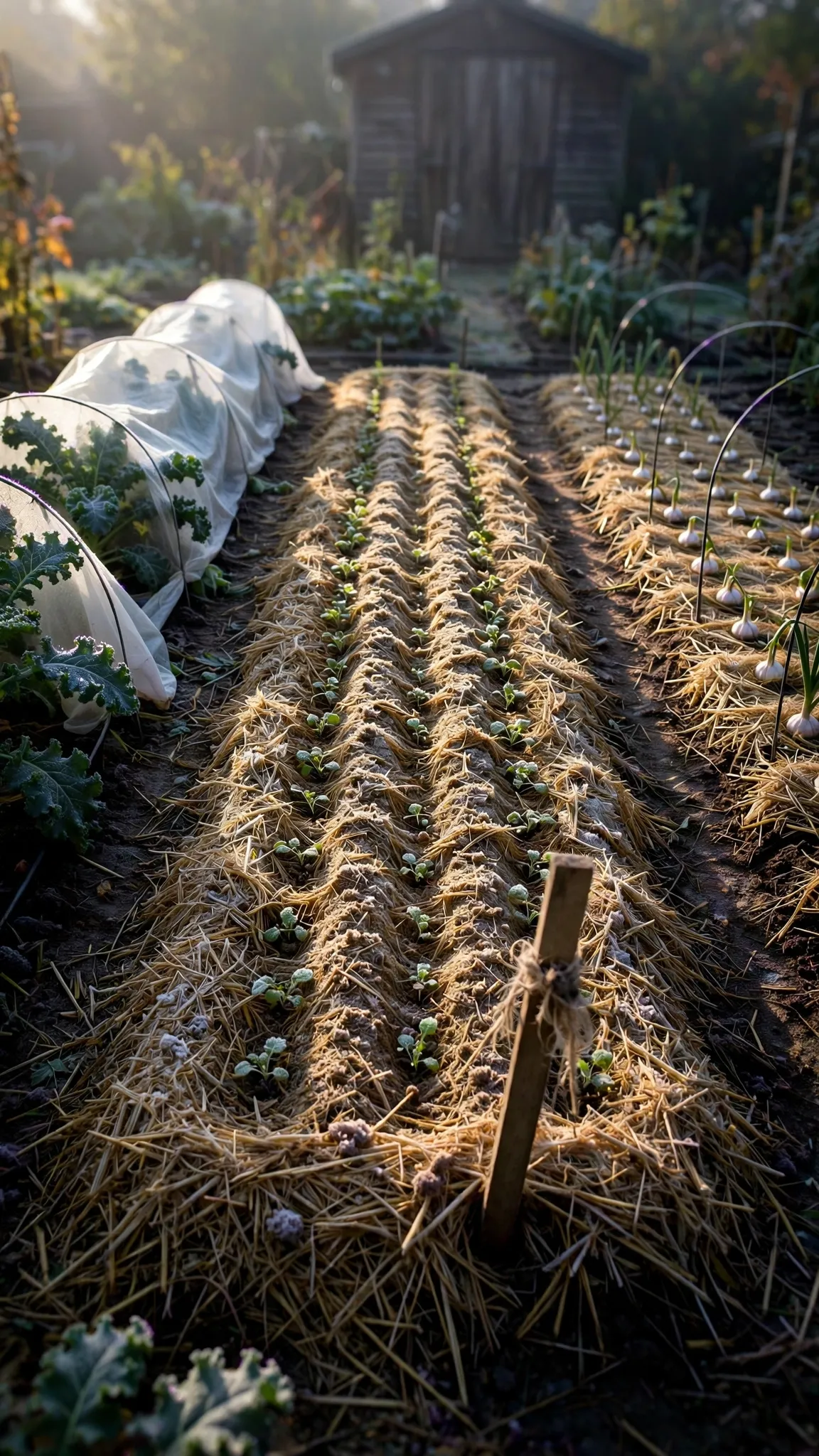

Count back 70 days from your first frost date and circle that day. That is the fall planting calendar in one move: a sowing date derived from your frost, not from a generic month chart. A beet needs about 55 days plus a 14-day fall factor, which lands near 70, so the math starts with one crop and scales to the whole bed.
Do the count-back this weekend. August sowings go into warm soil and cannot wait for a cooler mood. September belongs to transplants, garlic, and bulbs. October is the last honest sowing month for most zones, and November is garlic and cover crops. Miss the August window and the season shrinks to radishes. The calendar below is built for USDA zones 3 through 10, which covers nearly every US garden. Find your zone on the USDA Plant Hardiness Zone Map and your frost date on the Almanac page linked above. Southern hemisphere gardeners can mirror the months, but the frost math stays the same.
The 24 entries below cover August through November, zones 3 through 10, six crop groups, and nine timing methods. The two tables do the heavy lifting: a month-by-zone crop matrix and a direct-sow versus transplant chart. Every date keys off your first frost, so find that date before you read further. The Old Farmer’s Almanac planting calendar gives average first frost dates by zip code, free.
This page is the date and crop reference for the fall gardening cluster. Nothing else. Start with the fall gardening tips pillar when you want all 26 fall tasks in one place, then come back here for the dates. Two siblings in this batch go deeper than any calendar can: the fall garden planting schedule turns these dates into a week-by-week execution plan, while the fall planting guide covers planting technique from soil prep to transplanting.
August to November: The Month by Zone Matrix
Read down for the month, across for your zone band. Every cell names crops, not concepts.
This table answers the only question that matters in fall: what goes in the ground this week. August is the sowing engine for zones 3 through 7 and the starting gun for zones 8 through 10. September shifts to transplants and garlic in the north while the south hits full stride. October narrows to garlic, cover crops, and fast greens under cover. November belongs to garlic and soil protection almost everywhere except zones 9 and 10, where the cool season is just warming up.
| Month | Zones 3-4 | Zones 5-6 | Zone 7 | Zone 8 | Zones 9-10 |
|---|---|---|---|---|---|
| August | Last call: radish, spinach, looseleaf lettuce. Anything needing 50+ days must be in by early August. | Sow beets, carrots, kale, chard, bok choy. Set out broccoli, cabbage, and cauliflower transplants. | Transplant brassicas, sow carrots, beets, leeks, and chard. | Begin the main sowing: brassicas, root crops, and greens all go in now. | Start cool-season crops: beans, cucumbers for fall, and heat-tolerant greens. |
| September | Garlic late in the month. Row covers over everything still growing. | Fast greens: spinach, arugula, mustard, radish, lettuce. Garlic from late September. Spring bulbs as nights cool. | Greens succession, garlic, and spring bulbs. Second round of carrots. | Full brassica and root list. Garlic late in the month. | Peak sowing: broccoli, cauliflower, carrots, lettuce, peas. |
| October | Cover crops on empty beds. Mulch perennials. | Garlic through the month. Cover crops: winter rye or crimson clover. Bulbs until the ground firms. | Garlic, cover crops between rows, and a last radish sowing. | Greens succession under cover. Garlic. Start cover crops. | Continue everything from September. Plant garlic and shallots. |
| November | Beds rest under mulch. Plan on paper. | Cover crops only. Note what worked. | Cover crops. Tidy and mulch. | Garlic and cover crops. Overwinter leeks under mulch. | Brassicas, greens, and peas all winter. Second spring starts here. |
Tape this table inside the shed door. Check the cell for your zone each Sunday and sow what it names. Use the table with the count-back method from item 16, not instead of it. The table gives the month; the method gives the day. A zone 6 gardener reading the August cell for carrots still counts back from October 15 to land the exact sowing date. The table is the map and the method is the compass. Both beat guessing, and together they leave nothing to chance. The regional long-tails live in the right two columns: Texas gardeners work the zone 8 column, Florida works zones 9 and 10, and southern California plants through November.
1 Plant These Crops in August for a Fall Harvest
August is the sowing engine of the fall garden. Soil is warm enough to germinate seed fast, and most zones still hold enough season to bring a crop home. In zones 3 through 5, early August is the final honest window for anything needing more than 50 days, according to the Farmers’ Almanac fall planting guide. After that line, stick to radishes and looseleaf greens.
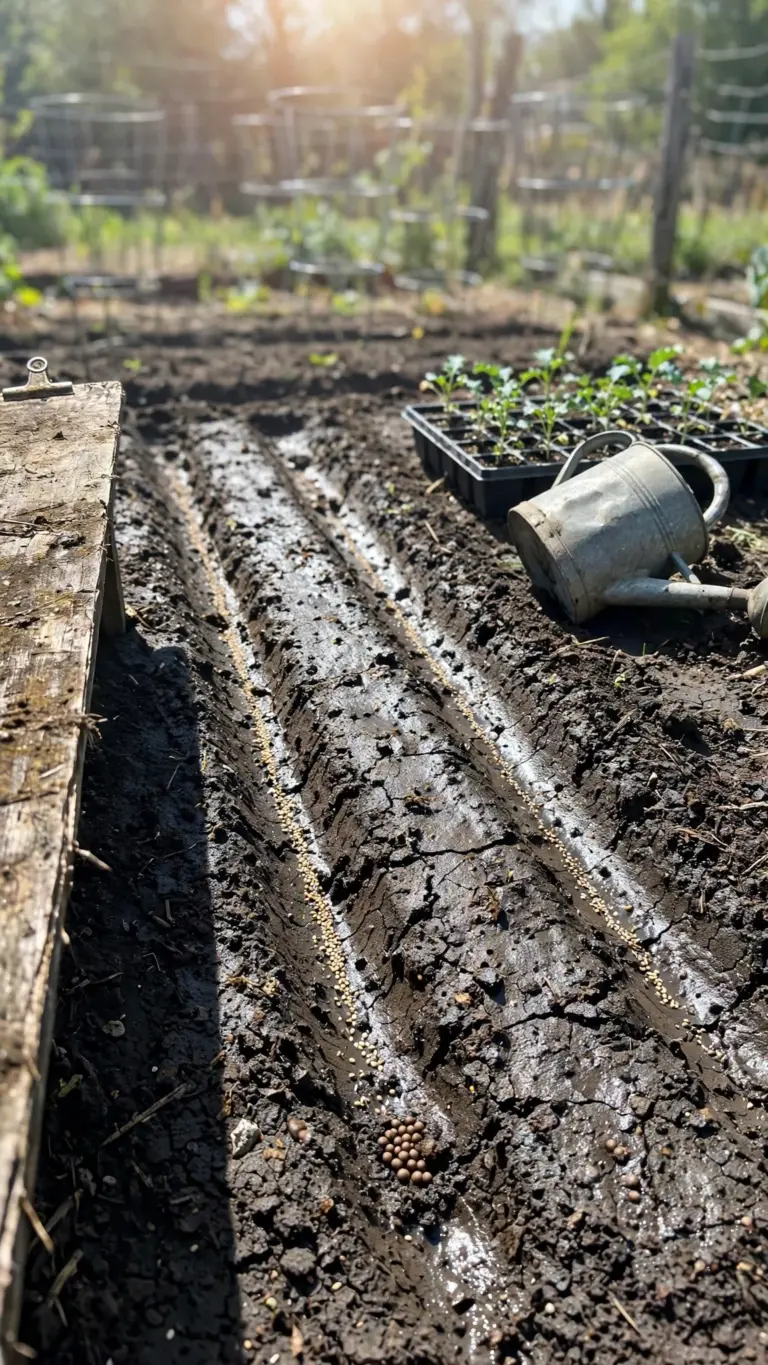
Sow beets, carrots, turnips, radishes, spinach, looseleaf lettuce, bok choy, kale, and chard direct. Set out broccoli, cabbage, cauliflower, and Brussels sprout transplants instead of seed; they want the head start this late. Water harder than feels right. August seed goes into hot, dry soil, and failed germination kills more fall sowings than frost does. Shade the rows with a board until sprouts break the surface, then pull it. Sow in the evening so seeds get a cool night before the first hot day. A second sowing two weeks later covers the gaps where germination failed. Keep a simple log: date, crop, row. By October the log tells you which sowings to repeat next year and which to abandon.
2 Fill September Gaps With Fast Greens and Transplants
September does two jobs at once. In the north it is the transplant, garlic, and bulb month. In the south it is the main sowing month, not the last one. Read your zone row in the matrix and work that row only.
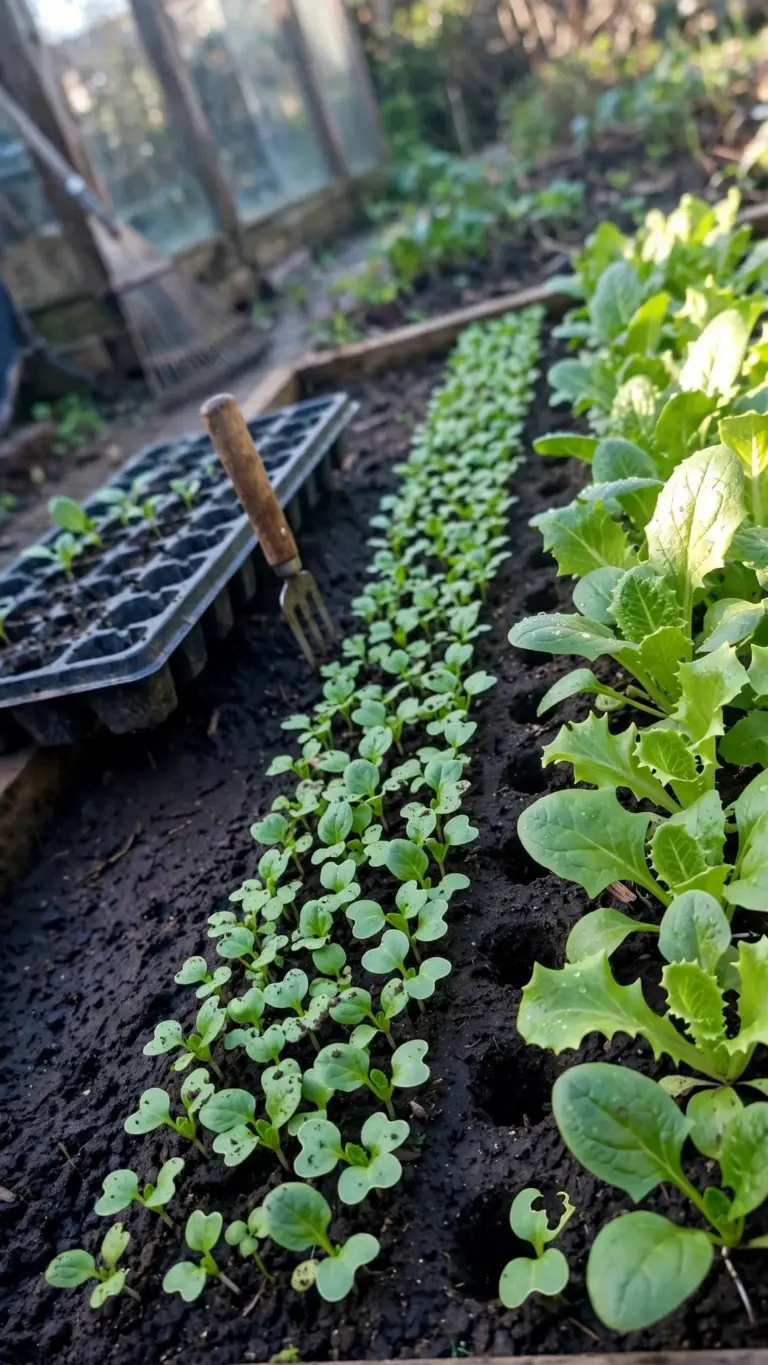
Fast greens still have time nearly everywhere: spinach, arugula, mustard, radish, and lettuce taste better as nights cool. Plant garlic and shallots from late September through October for a harvest the following July; the cold weeks in the ground are what build the bulb. Set spring bulbs once night soil temperatures settle into the 40s and 50s. Sow winter rye or crimson clover on any bed you are done with. On the Gulf Coast and in the Deep South, start the full brassica and root list now. Northern gardeners should walk the beds with a critical eye in September. Every empty square meter is a missed sowing. Fill it with spinach or radish seed today, not next weekend. Southern gardeners get the opposite advice: hold the lettuce until nights cool or it bolts before it heads.
3 Sow These Crops in October Before the Ground Cools
October narrows the list but does not close it. Garlic goes in through the month in zones 5 through 8. Cover crops go on every empty bed: winter rye or crimson clover, broadcast before a rain and raked in. A last sowing of radishes still works in zone 7 and warmer; the Farmers’ Almanac fall planting guide notes radishes can go in through September or one month before first frost, and most varieties harvest in under a month.
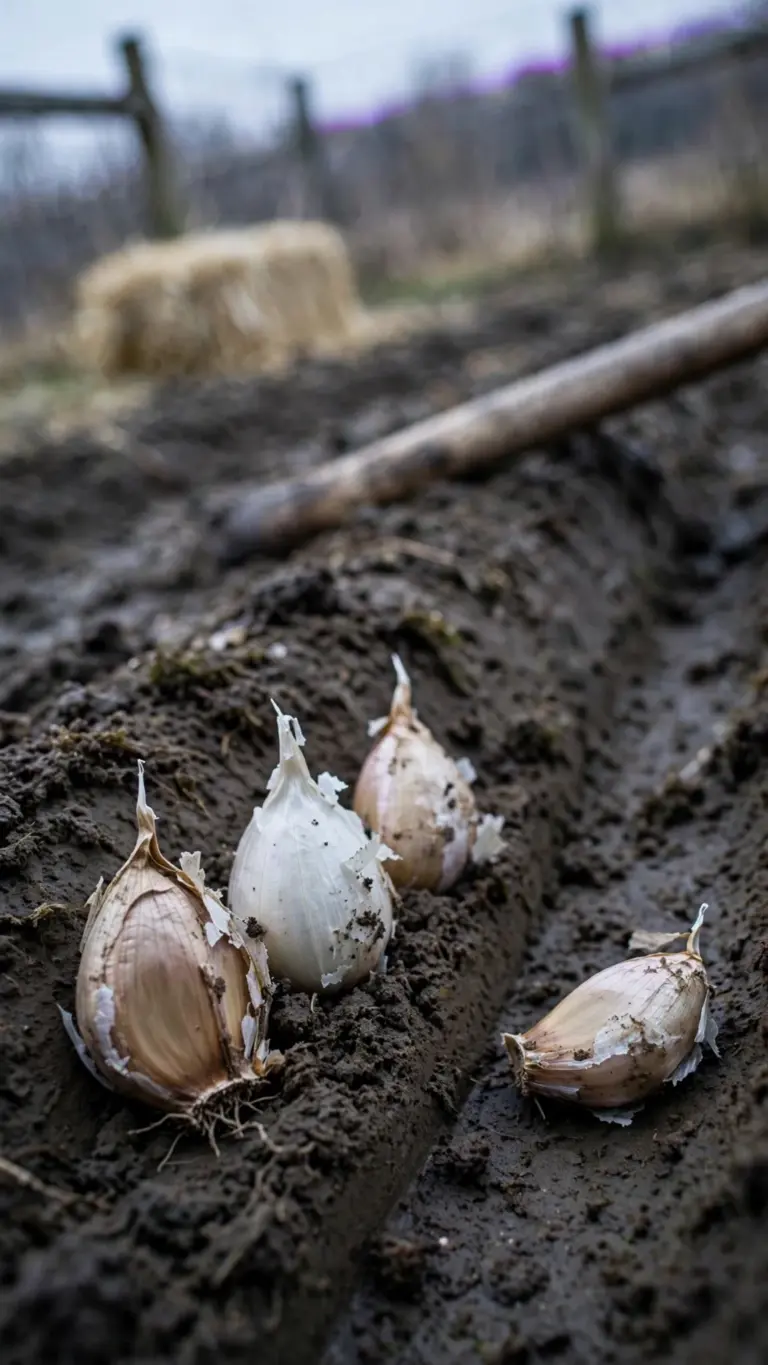
Keep planting spring bulbs until the spade starts bouncing. In zones 9 and 10, October is a full planting month: continue the September list and add garlic and shallots. Everywhere else, treat October as the month that protects November: mulch goes on, row covers go over the greens, and the beds get their winter coats. October is also the month to walk the garden with a notebook and grade the season. Which sowings hit? Which bolted? A grade written in October is worth three guesses in March. The calendar improves every year you keep it. Bulb planting rewards patience more than speed. Wait until night air stays cool for a full week, then plant in an afternoon. A bulb set into warm soil sprouts early and wastes its energy. One set into cool soil sits quiet until spring, which is exactly the job.
4 Use November for Garlic, Cover Crops, and Overwintering
November is the quiet month, and quiet is productive. In zones 3 through 7, the planting window has closed; the work is cover crops, mulch, and notes on what worked. Virginia Cooperative Extension’s fall vegetable gardening guide sets the cover crop window from August 1 to November 1, so a November sowing in zone 7 still catches the tail of it.
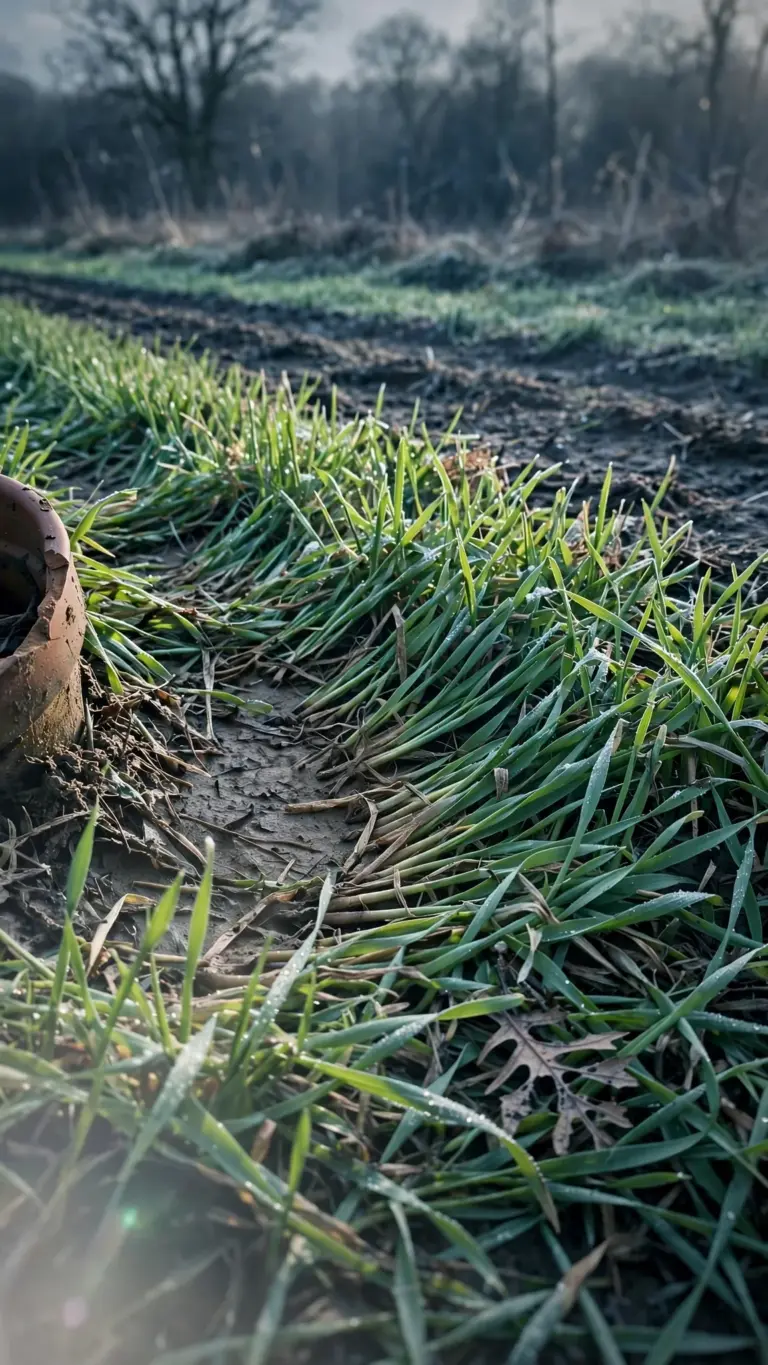
In zone 8, garlic and cover crops go in, and leeks overwinter under a heavy mulch. In zones 9 and 10, November is peak season: brassicas, greens, and peas grow all winter, and the second spring starts here. Wherever you garden, November is the month to write down your frost dates while they are fresh. Memory lies by spring. While you write, note the actual first frost against the average you used. Three years of notes turns the zip-code average into your garden’s own number. Gardeners who log beat gardeners who guess, every season, in every zone.
5 Zones 3 and 4: Plant Early, Harvest Under Cover
Zones 3 and 4 run the shortest fall season in the country. First frost lands mid to late September, so fall crops must be sown by early July. That date feels absurd in midsummer, which is exactly why northern gardeners miss it. Mark it on the calendar in June.
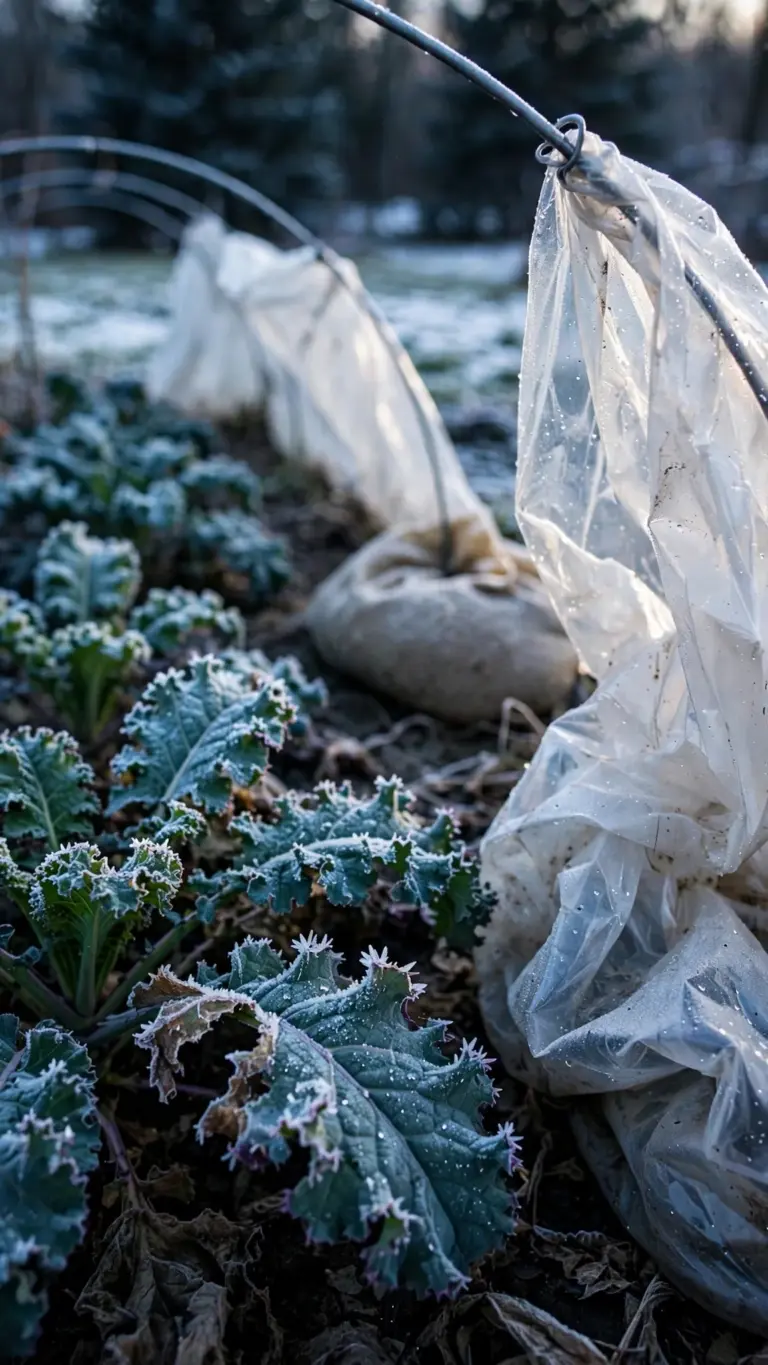
The crop list is short and fast: radish, spinach, looseleaf lettuce, and kale. Kale planted the last week of August in zones 5 and 6 feeds the kitchen into January under a light row cover, per the Farmers’ Almanac fall planting guide; in zones 3 and 4, move that planting two weeks earlier and double the cover. Parsnips and leeks overwinter in place under deep mulch. Everything else is a spring crop wearing a fall costume. Do not plant it. A low tunnel over the bed buys three weeks on each end of the season in zones 3 and 4. That turns a 90-day window into a 130-day one, which admits carrots and beets comfortably. The tunnel costs less than one grocery run and lasts five seasons.
6 Zones 5 and 6: The Classic Fall Window
Zones 5 and 6 are where the fall garden looks like the pictures: first frost late September to early October, sowings in mid to late July, and a long list of beets, carrots, broccoli, kale, chard, bok choy, turnips, and spinach.
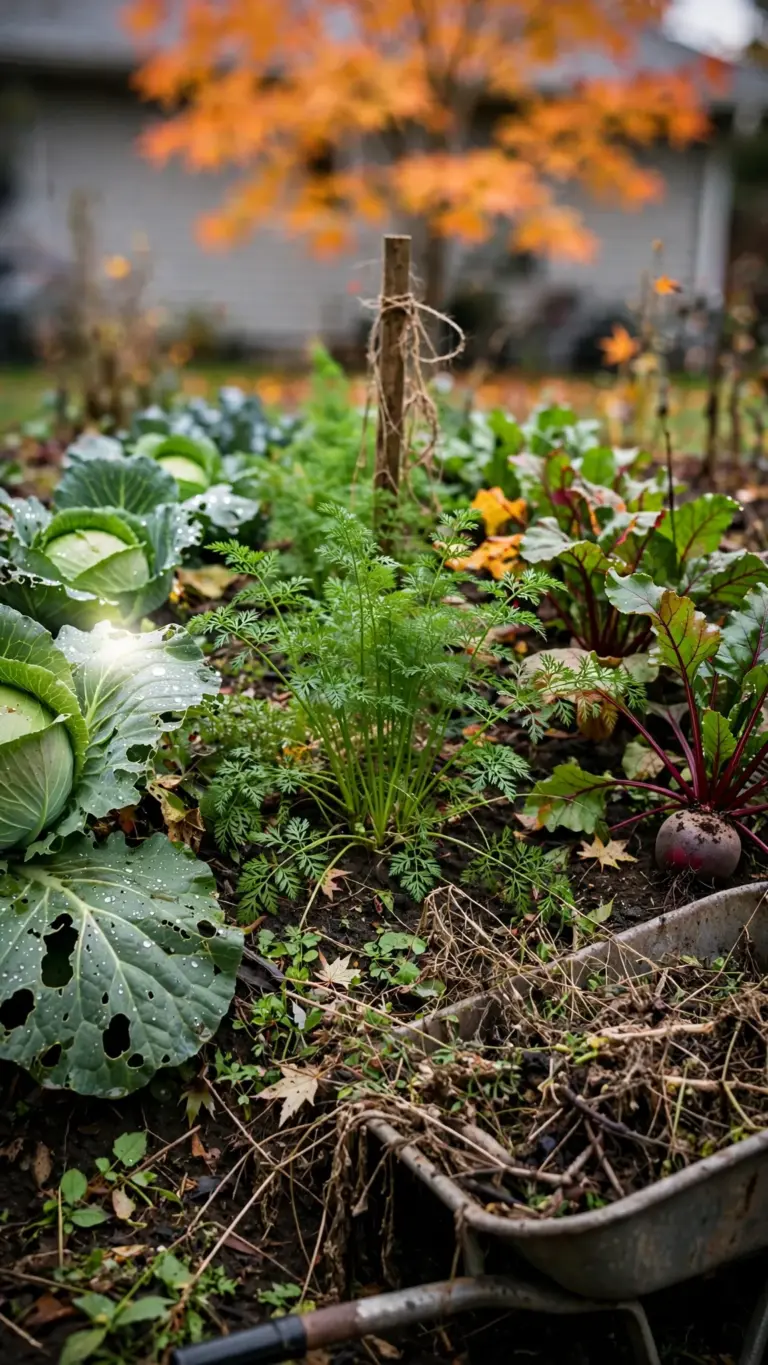
This is the zone band where the count-back method earns its keep, because a two-week error costs a whole crop. Broccoli and cabbage seed want 10 to 12 weeks before first frost; transplants buy back several weeks. Leafy greens go in 8 weeks out. Garlic goes in October. Leeks planted in August overwinter under heavy mulch in zones 5 through 8 and yield again in early spring. Work the matrix, trust the math, and the freezer fills. The classic zone 5 and 6 mistake is planting warm-season crops in August out of optimism. Corn sown in August makes stalks and no ears. Beans flower into the frost and set nothing. Spend that space on kale instead. Optimism is not a planting strategy.
7 Zone 7: Two Seasons in One Fall
Zone 7 gets two falls for the price of one. First frost waits until early to mid November, so August sowings mature in warm soil and September sowings mature in cool air. Sow brassica transplants, carrots, beets, leeks, and chard in mid to late August. Follow with a September round of fast greens, garlic, and spring bulbs.
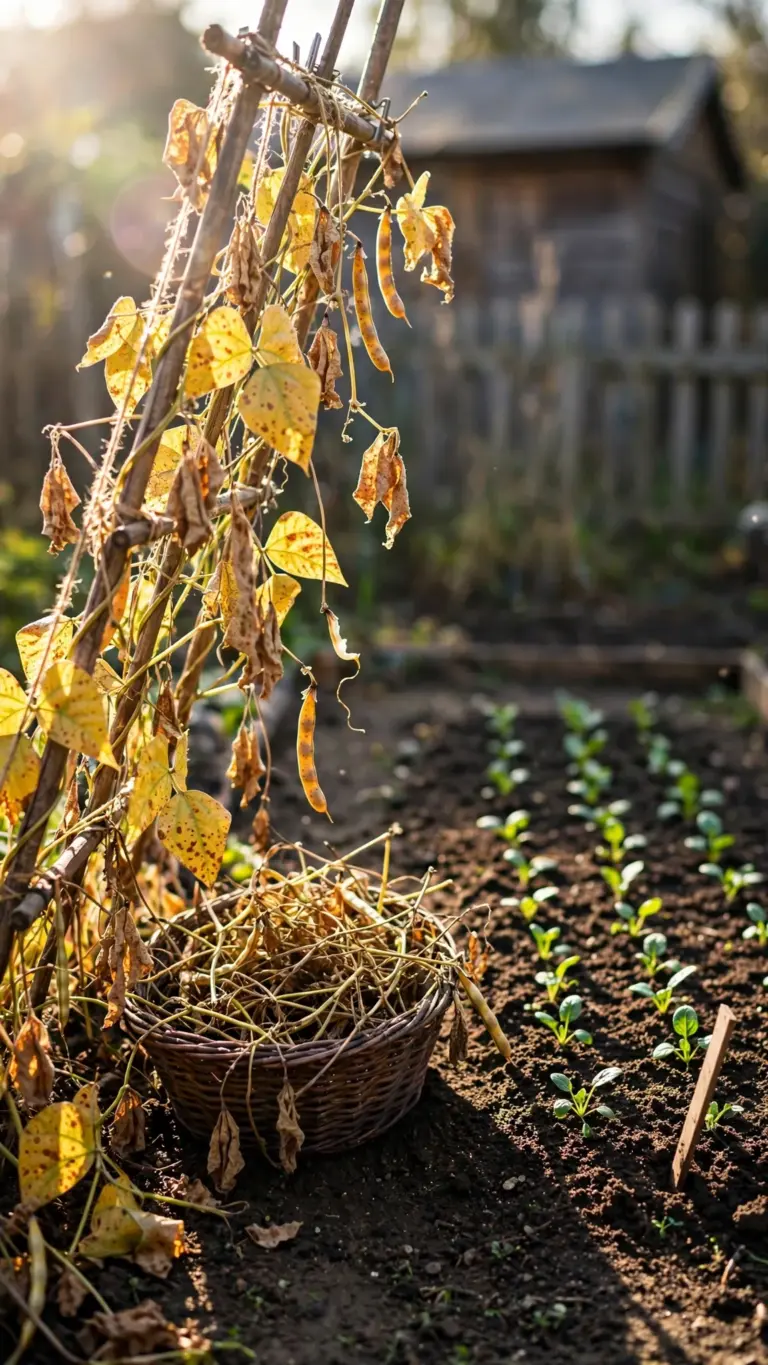
The second season is the secret. A September sowing of carrots and spinach, covered when frost threatens, harvests through December. Radishes succession-sown every 10 days from mid-August to mid-October give a fresh handful weekly into the holidays, a rhythm the Farmers’ Almanac fall planting guide recommends outright. Zone 7 gardeners who plant once in August and stop leave half the season on the table. Double-crop every bed. When the August beans finish, pull them and sow spinach the same day. The soil is warm, the roots are fed, and the second crop starts ahead. A bed that grows twice in fall outproduces a bed that grows once in spring.
8 Zone 8: The Long Cool Season
Zone 8 runs the longest comfortable fall season in the country. First frost holds off until November into December, and September is the main sowing month. Start the full brassica and root list in September: broccoli, cabbage, cauliflower, Brussels sprouts, beets, carrots, turnips, and rutabagas.
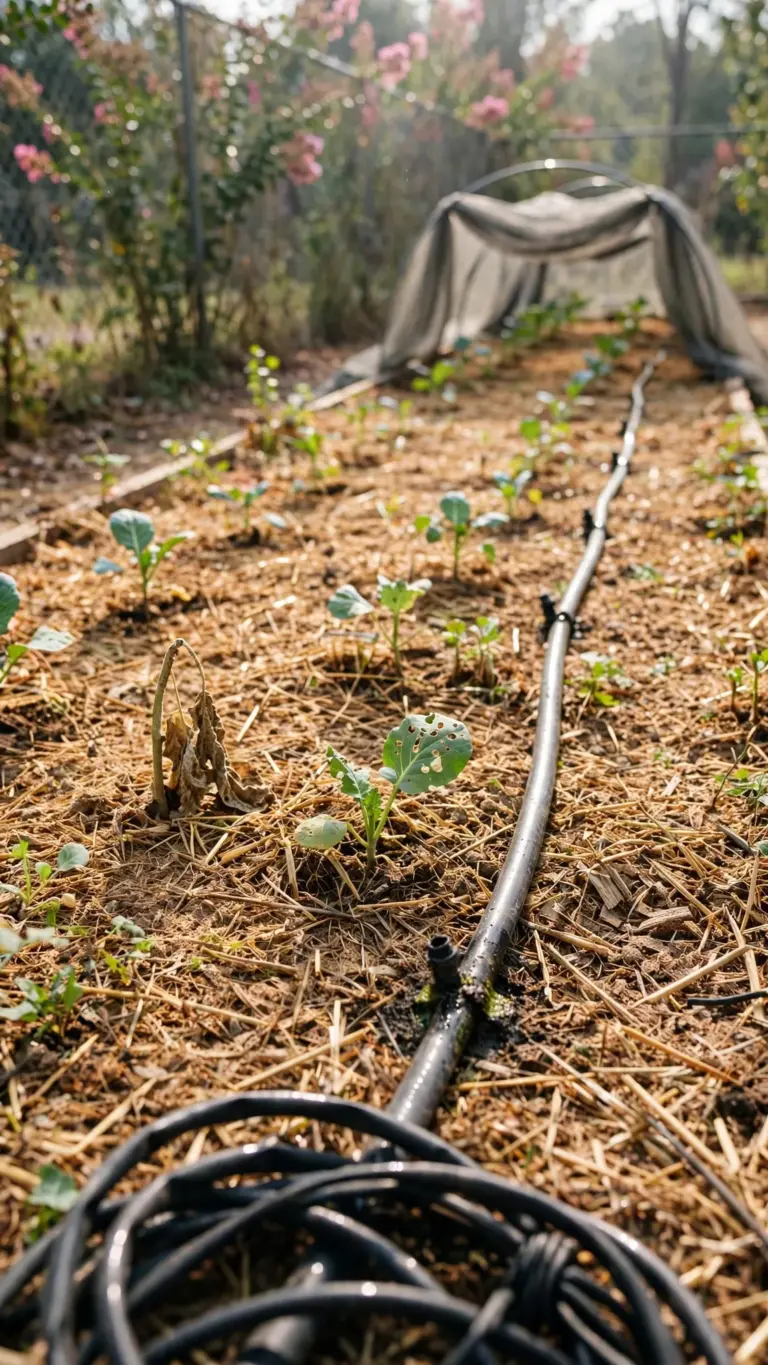
October keeps the greens coming under cover, and garlic goes in through the month. Leeks planted in late summer overwinter under mulch and sweeten by spring. The failure mode in zone 8 is starting too late, not too early: gardeners wait for cool weather to sow, then run out of daylight. Sow on the calendar date, not on the feeling of the air. Warm soil germinates seed; cool air finishes the crop. Fall irrigation fools zone 8 gardeners. Rain feels frequent, but seedlings need steady moisture every day until established. A drip line on a timer removes the guesswork. Mulch between rows the moment seedlings stand, and the water bill drops with the temperature.
9 Zones 9 and 10: Fall Is the Second Spring
In zones 9 and 10, fall is not the end of the season. It is the second spring. Frost rarely arrives, so September through November is the prime planting window for everything that sulked through summer heat. Sow brassicas, greens, carrots, peas, and beets from September on.
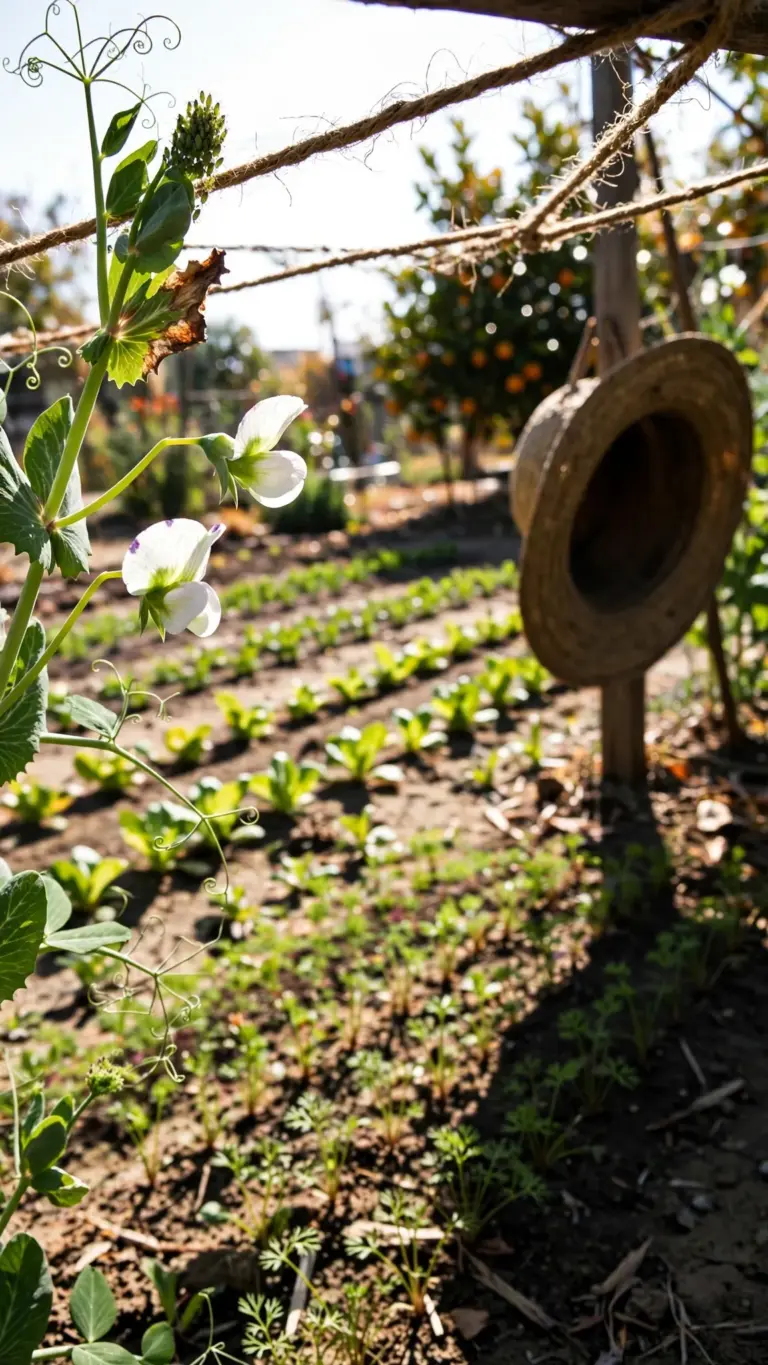
South Florida, coastal and southern California, and the low desert plant through November and harvest all winter. Garlic and shallots go in during October and November. Treat October the way zone 6 treats April. The one crop group to skip is anything needing winter chill. Stone fruits, lilacs, and many apples never get it in zone 10. Vegetables and herbs carry no such requirement, so the winter garden runs on brassicas, roots, greens, and peas without apology.
10 Sow Quick Greens That Beat the Frost
Quick greens are the emergency fund of the fall calendar. When a sowing fails or a bed opens late, greens fill it in weeks. Radishes harvest in under a month. Looseleaf lettuce, spinach, arugula, and mustard follow in 30 to 45 days. All of them taste better after cool nights.
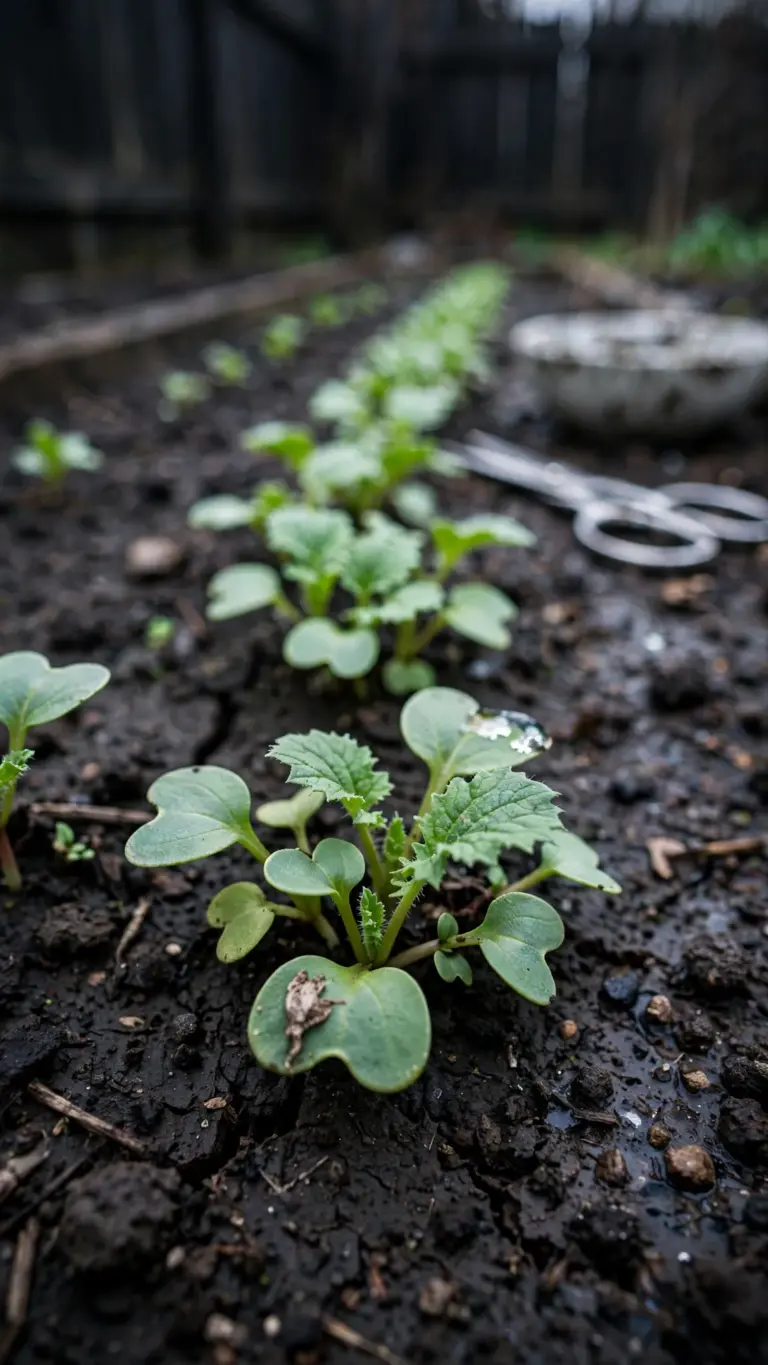
Sow them 8 weeks before first frost for a full stand, or push to 4 weeks out for baby-leaf harvests. Spinach refuses to germinate if the soil sits above 27 C, so wait for a cool spell or shade the row. Succession-sow every 10 days and the salads never stop. Skip head lettuce this late unless you are setting out transplants; it wants a longer runway than fall usually gives. Harvest cut-and-come-again. Take the outer leaves and leave the crown, and one sowing gives three cuttings. A pair of scissors and a salad bowl is the whole harvest kit. Morning harvests taste sweetest; the leaves stand crispest before the sun warms them.
11 Transplant Brassicas for Steady Heads
Brassicas are the backbone crop of the fall garden, and most of them want transplanting, not direct seed, when the calendar is tight. Broccoli, cabbage, cauliflower, and Brussels sprouts started as seed need 10 to 12 weeks before first frost. Transplants cut weeks off that bill.
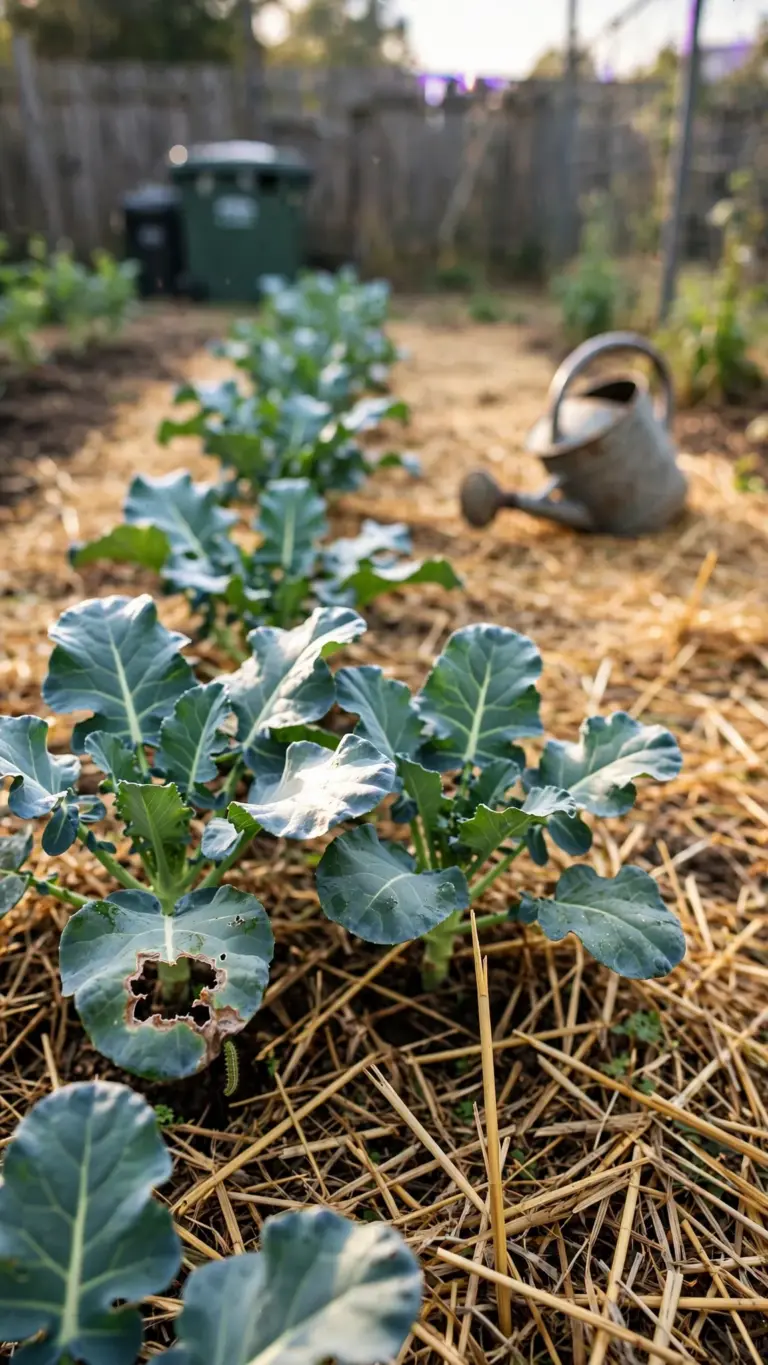
Set transplants out in August for zones 5 through 7 and in September for zone 8. Space broccoli about 38 cm apart and mulch once the plants stand a few inches tall; the mulch keeps roots cool and moisture even. Cabbage wants similar timing and full sun. Side shoots keep coming for weeks after the first broccoli head is cut, so harvest the crown and leave the plant. The fall brassica bed is the highest-yield square footage in the cool-season garden. Watch for cabbageworm. Virginia Cooperative Extension warns it runs worse in fall than in summer, and it does. Check leaf undersides weekly and pick the green caterpillars by hand. A row cover from day one prevents the problem entirely, which beats curing it.
12 Direct Sow Root Crops for Sweet Fall Flavor
Root crops are the reason to plant a fall garden at all. Beets, carrots, turnips, rutabagas, and parsnips convert starch to sugar as temperatures drop, and the flavor difference between a September carrot and a November carrot is the whole argument. Sow beets 8 to 12 weeks before first frost, half an inch deep and 5 cm apart, in soil near neutral pH.
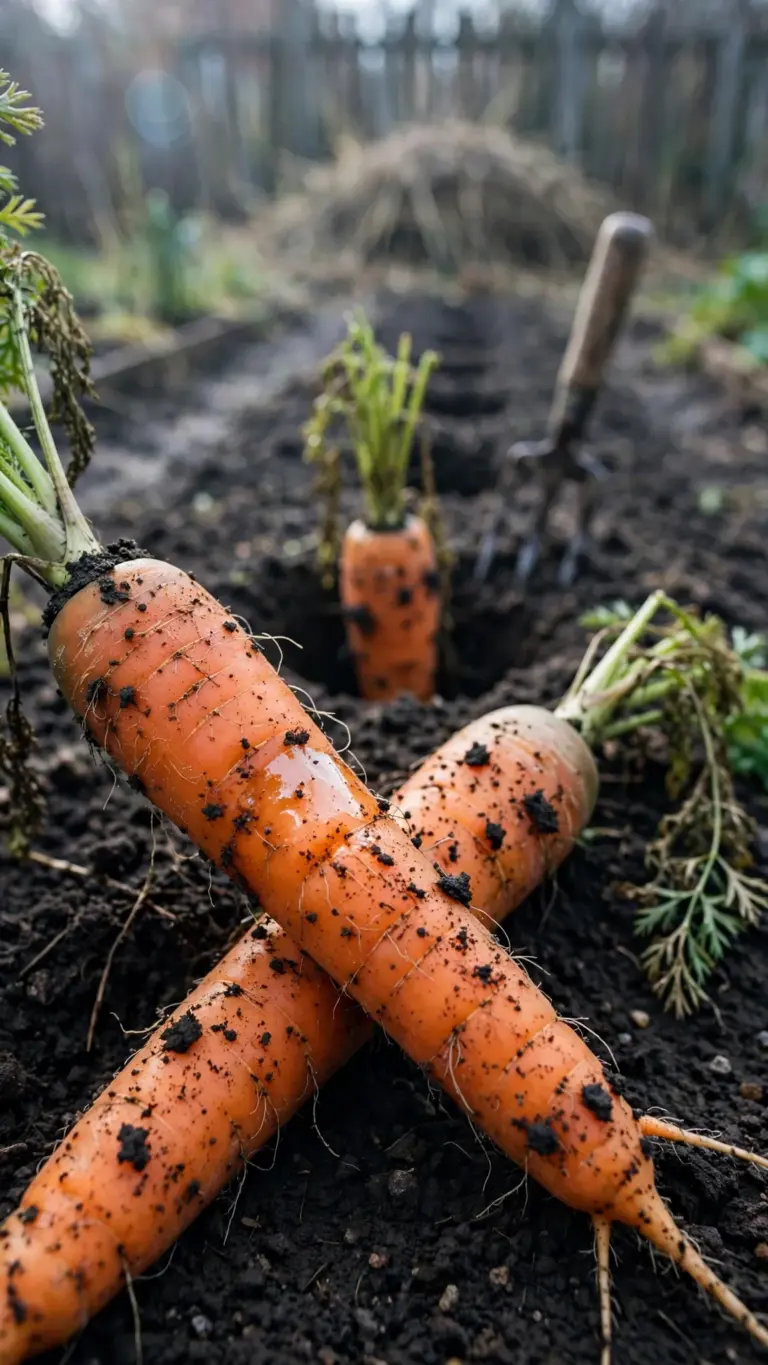
Carrots want loose, rock-free soil and steady moisture until they germinate; a board over the row holds that moisture in August heat. Thin to 8 cm once seedlings stand 5 cm tall. Leave roots in the ground under a thick straw mulch and harvest into December; a hard frost improves them. Parsnips stay all winter and taste best after New Year. Do not harvest the whole row at once. Pull as you eat. For storage, twist the tops off instead of cutting; cut tops bleed moisture. Pack roots in damp sand in a cool basement and they hold for months. The roots left in the ground under mulch taste better than the stored ones, so eat the stored roots first and save the ground for January.
13 Plant Garlic and Overwintering Onions Now
Garlic is the crop you plant in fall and forget until summer. Plant cloves from late September through October, about 5 cm deep and 15 cm apart, for a harvest the following July. The cold weeks in the ground are what build the bulb; garlic planted in spring makes small heads and big disappointment.
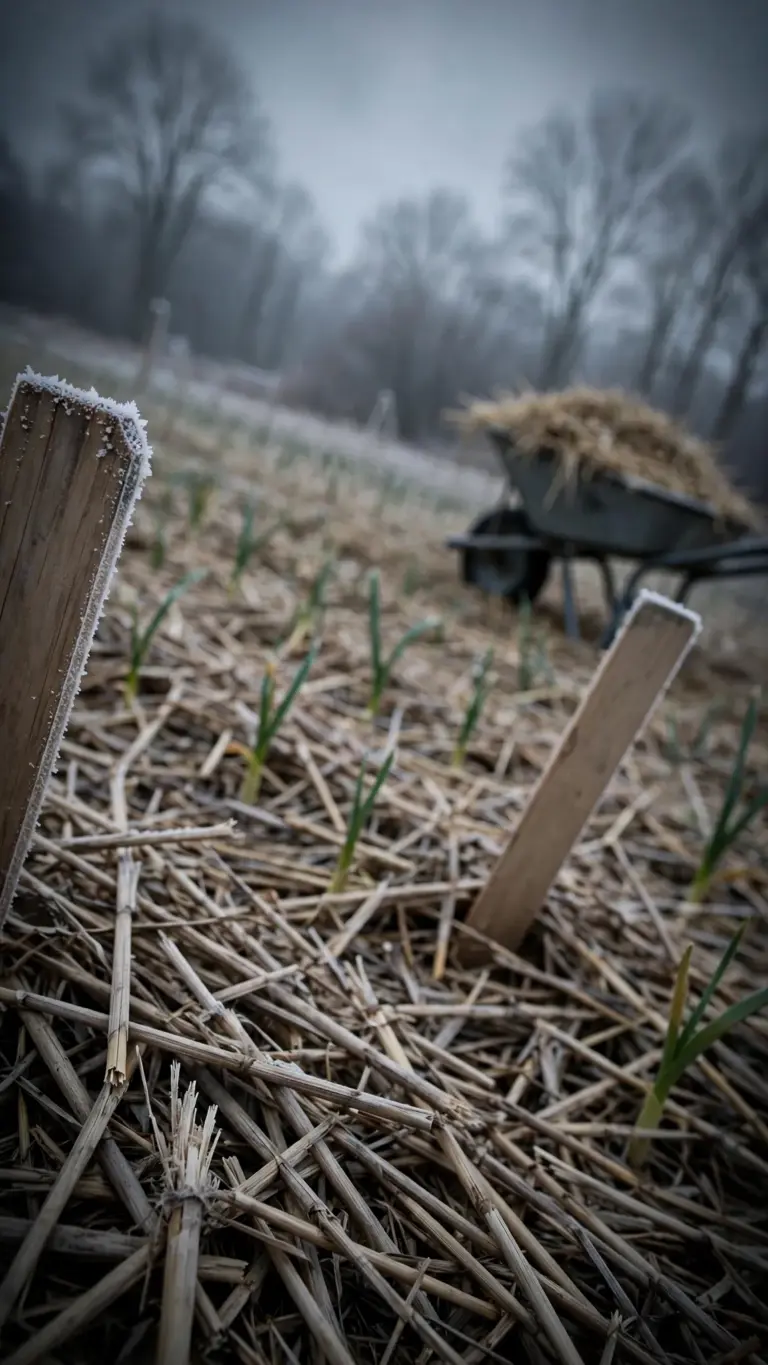
Overwintering onions, or evergreen bunching onions, go in on the same schedule. In zones 5 through 8 they survive winter under mulch and give the earliest green harvest of spring. Mulch after the ground freezes, not before, or mice move in. Order seed garlic early. The good varieties sell out by September, and grocery-store heads carry disease. Time the mulch for after the soil firms. Four inches of straw then keeps the freeze-thaw cycle from heaving the cloves out. Mark the rows clearly; garlic looks like grass in spring and gets weeded by accident.
14 Tuck Hardy Herbs Into the Calendar
Hardy herbs bridge the fall calendar into winter cooking. Plant parsley, cilantro, and chervil in August and September for fall harvest; all three prefer cool weather and bolt in heat. Perennial herbs like thyme, sage, and chives, planted in early fall, establish roots before frost and return in spring.
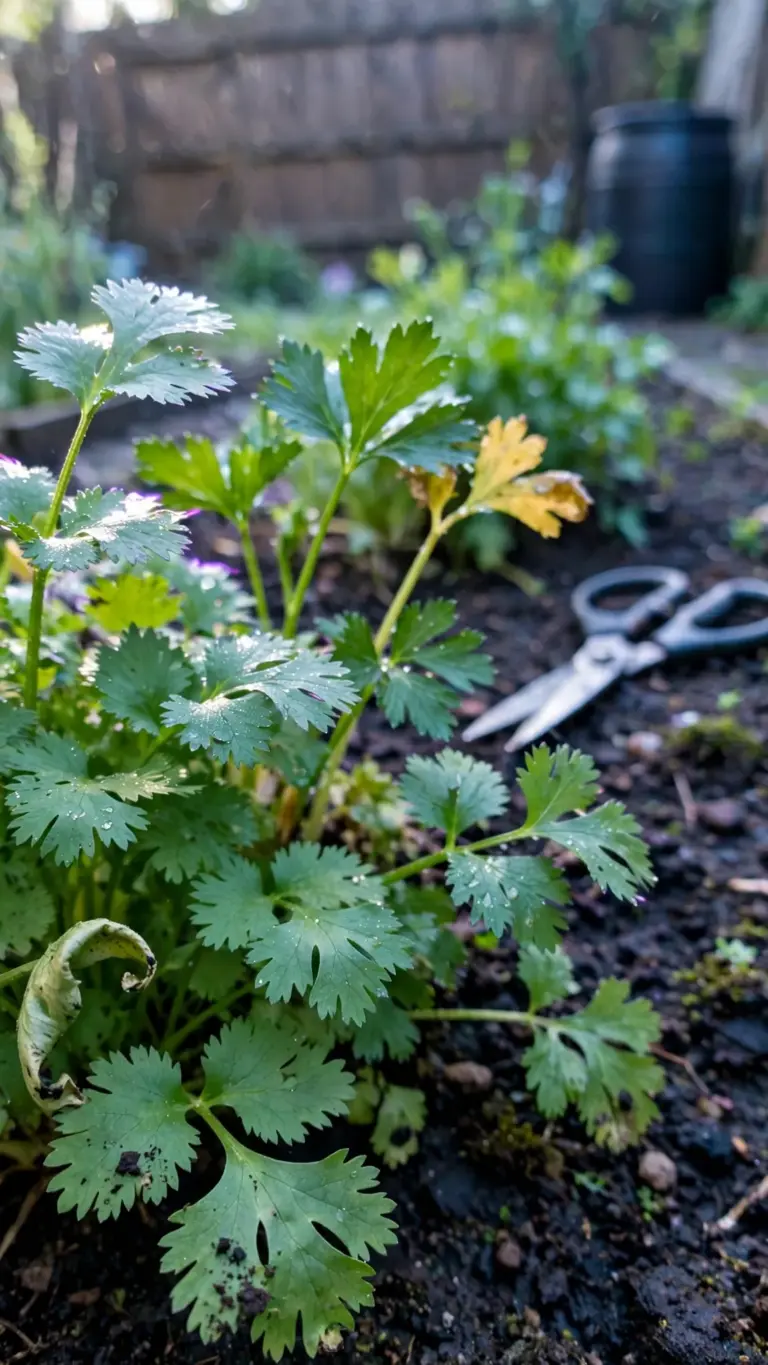
Cilantro deserves special mention: it fails in summer heat and thrives in October cool, so fall is its real season. Sow it every two weeks through September for a continuous supply. Bring tender herbs like basil and rosemary indoors before nights drop near freezing. Pot them up now while the plants are still vigorous, not after the first cold night has already bitten them. Dry the surplus. Hang parsley and thyme in small bunches in a dark, airy room and they keep flavor for a year. Freeze cilantro in oil in ice cube trays; dried cilantro tastes like dust. The fall herb harvest seasons the winter kitchen.
15 Sow Cover Crops Before the First Hard Freeze
Cover crops are the planting calendar entry most gardeners skip and most regret skipping. Winter rye and crimson clover, sown on empty beds, hold the soil through winter, add organic matter in spring, and smother weeds. Virginia Cooperative Extension’s fall vegetable gardening guide sets the sowing window from August 1 to November 1, with the rule that plants must make real growth before hard frost.
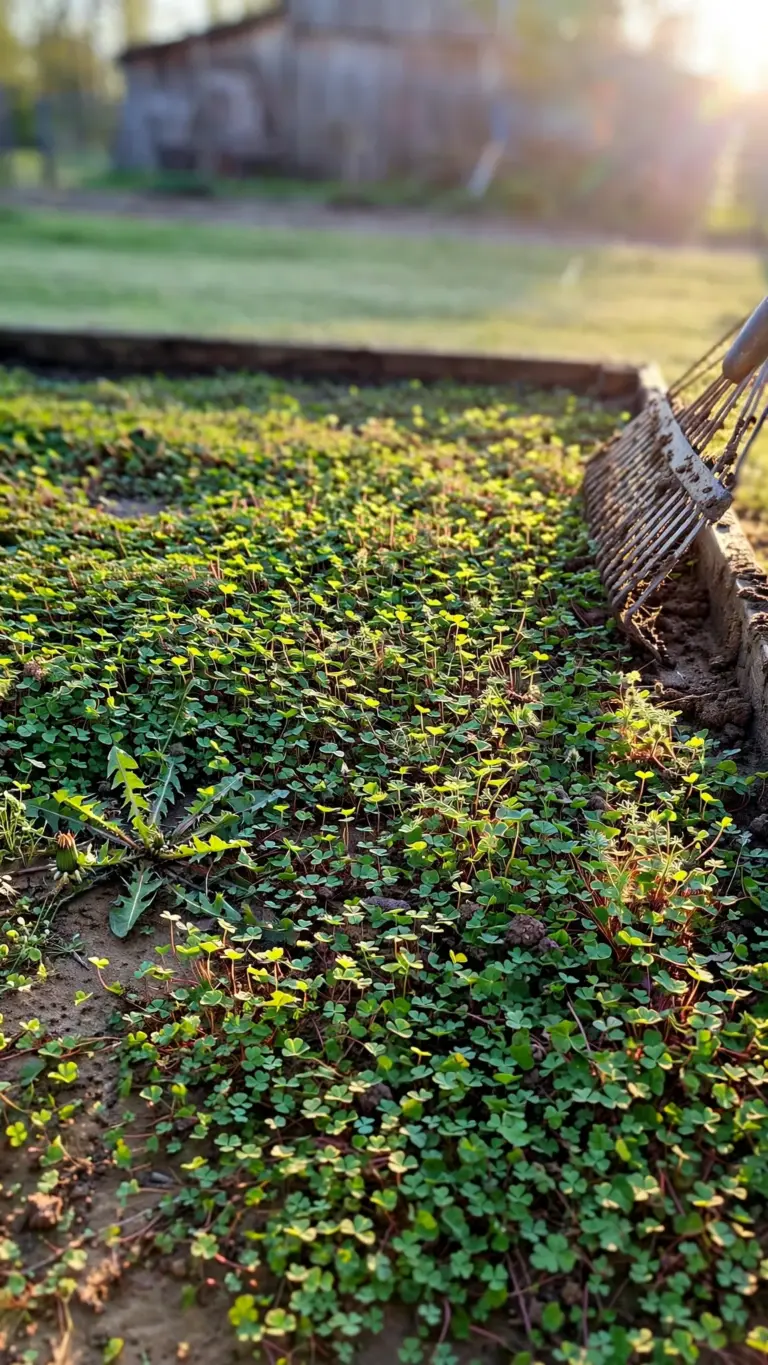
Broadcast the seed before a rain and rake it in. Where fall crops still stand, sow cover seed between the rows a month or less before harvest so it starts without competing. Ask the seed store for the right type and rate for your area. A bed under rye all winter wakes up in spring with better tilth than a bed left bare. The calendar is not only about harvests. It is about what the soil does while you sleep. Terminate the cover crop two to three weeks before spring planting. Mow it, till it in, and let it break down for two to three weeks. Fresh green manure ties up nitrogen and starves seedlings, so the wait is the price of the free fertility.
16 Count Back From Your First Frost Date
Every date on this calendar derives from one number: your average first fall frost. The count-back method is simple. Take the days to maturity on the seed packet, add the fall factor, and count that many days backward from your frost date. That is your sowing day.
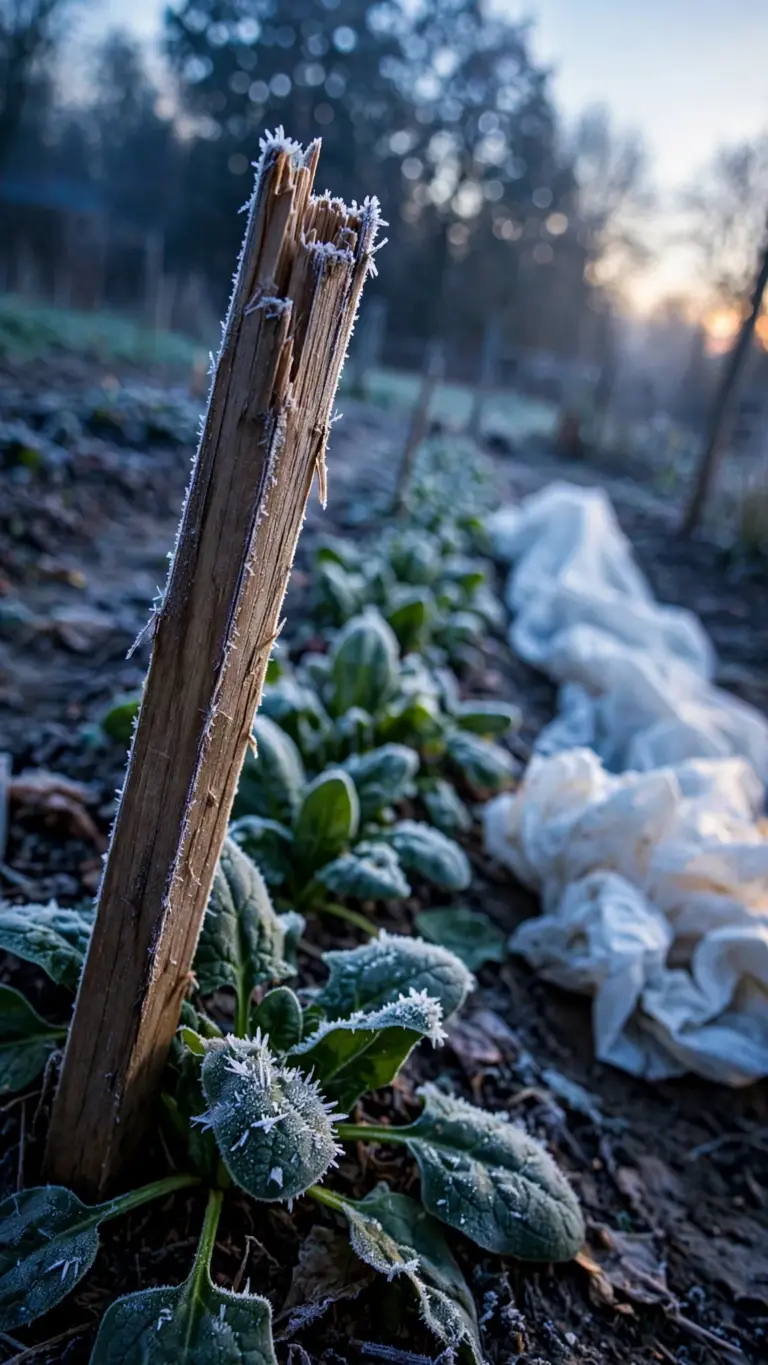
Virginia Cooperative Extension’s fall vegetable gardening guide formalizes it: add days from seed to transplant, days from transplant to harvest, the average harvest period, the fall factor of about two weeks, and a frost-tender factor of two more weeks for crops like corn, beans, and squash that must finish before frost. Work an example. Broccoli at 70 days plus 14 days of fall factor plus a 21-day harvest window means sowing 105 days before frost. In zone 6, with frost near October 15, that lands in early July. The math never lies, even when the weather does. Run the short-crop version too. Radish at 25 days plus 14 days of fall factor means sowing 39 days before frost. In zone 6 that is early September, which leaves room for three successions. The formula scales from the slowest cabbage to the fastest radish without changing.
17 Add the 14-Day Fall Factor to Every Sowing
The fall factor is the correction most gardeners forget. Fall days lose about 3 minutes of daylight each afternoon, so plants grow slower than the seed packet promises. The Farmers’ Almanac fall planting guide states the rule plainly: add two extra weeks to the packet’s days-to-maturity number.
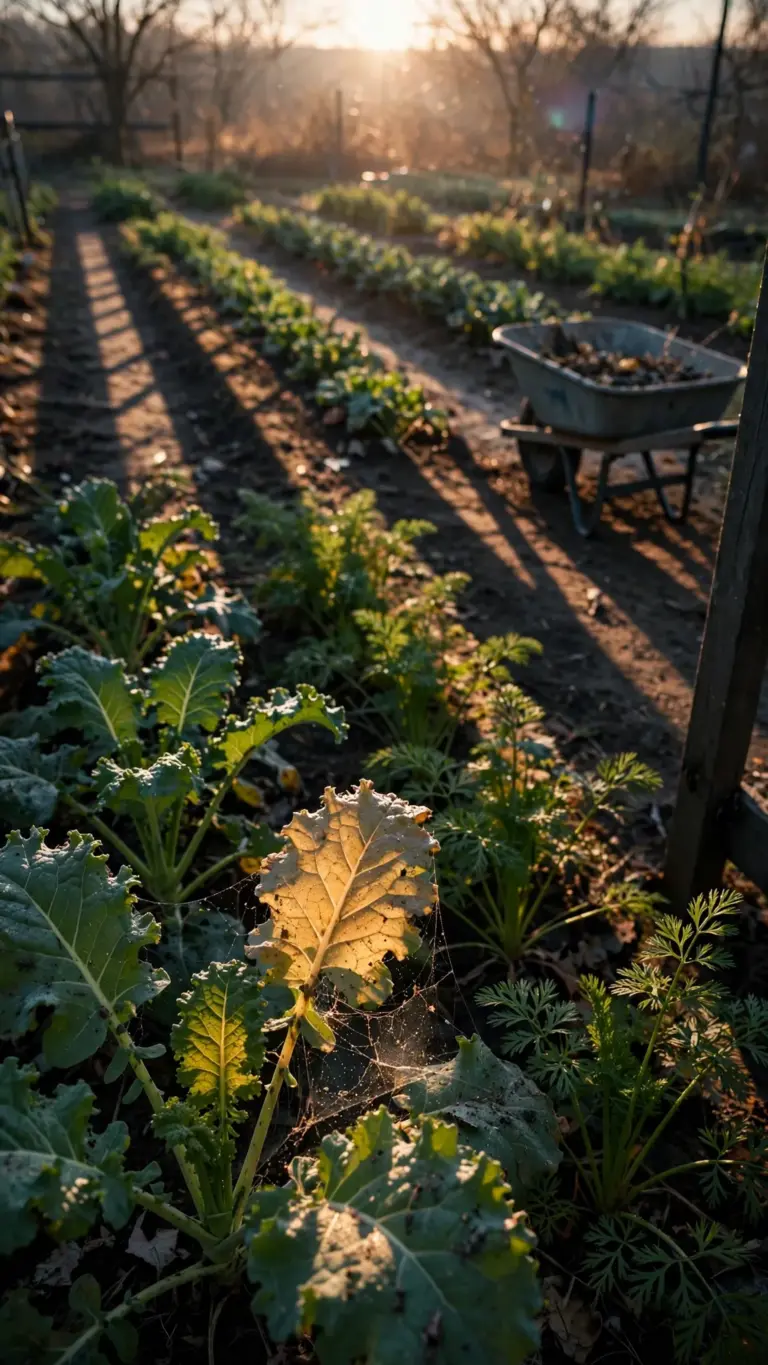
Apply it to every sowing, not just the late ones. A 50-day beet becomes a 64-day beet. A 30-day radish becomes a 44-day radish, which still fits almost anywhere. Presprouting seeds indoors shaves 2 to 5 days off the factor, per Virginia Cooperative Extension, because the seed skips the slow germination phase in cooling soil. Sprout to 2.5 cm, plant a little deeper than normal, and water until the seedlings break the surface. Skip the fall factor and the calendar reads two weeks optimistic. Optimism does not harvest. Adjust the factor for your microclimate. A south-facing wall buys back a few days; a low frost pocket costs a few. After one season of comparing predicted and actual harvests, you will know your garden’s personal factor. Write it on the shed door next to the frost date.
18 Find Your First Frost Date in 5 Minutes
The calendar needs one input, and it takes five minutes to find. Open the Old Farmer’s Almanac planting calendar, enter your zip code, and read the average first fall frost date. Write it on the shed door next to the matrix table.
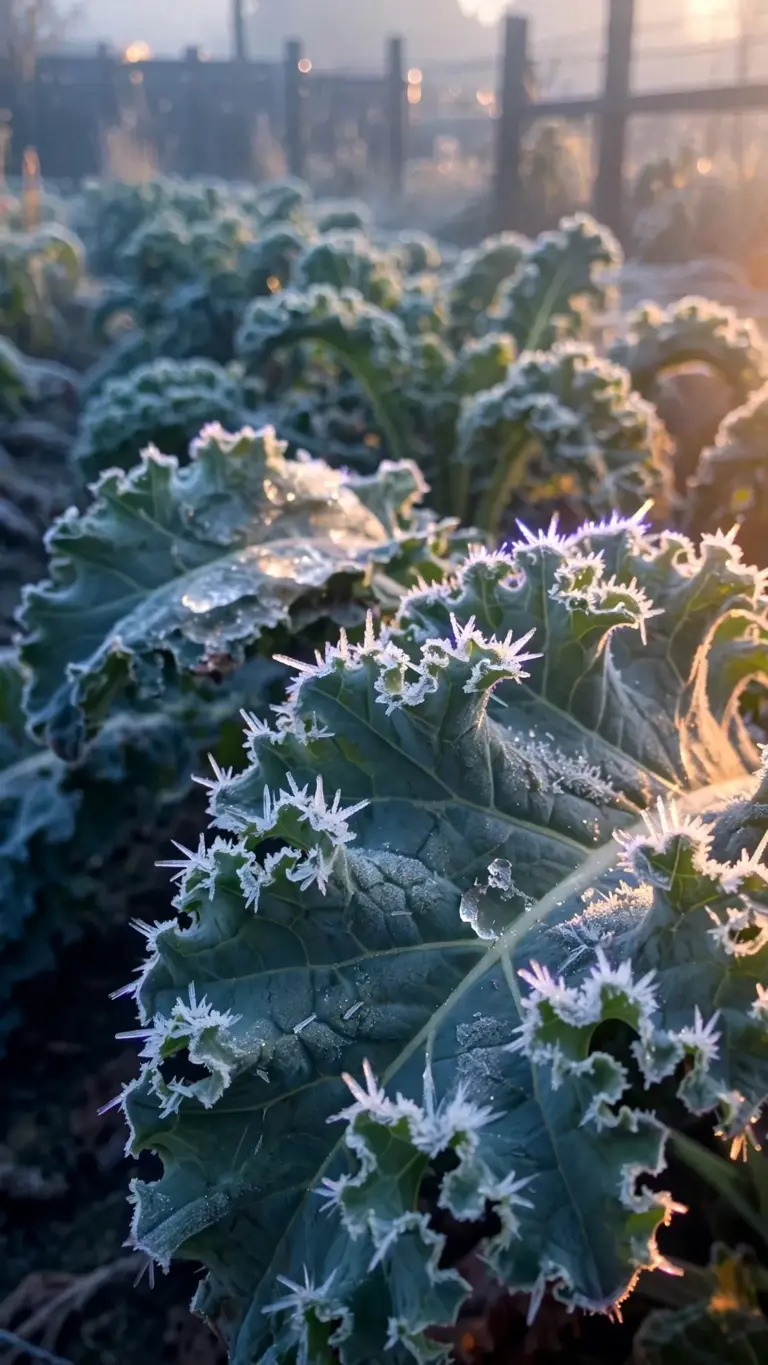
Average means average. Frost can arrive two weeks early, and the Farmers’ Almanac fall planting guide advises working from your own date while assuming it can come early. If your garden sits low and unsheltered, it is a frost pocket and runs colder than the zip code average. Gardens on the upper side of a slope, sheltered from wind, run warmer. Adjust by a week either way based on what you have observed. One measured date beats three guessed months. Set a phone reminder for the average date each year. When it passes without frost, note it. When frost comes early, note that louder. Five years of notes is a climate record, and it beats any zip-code tool for your specific backyard.
Direct Sow or Transplant: The Decision Table
Some crops forgive direct sowing in August heat. Others demand the head start of a transplant. This table decides for you, by crop and zone band.
Transplants buy time but cost money or indoor space, while direct seed costs almost nothing yet needs the full season behind it. When the calendar is tight, transplant the slow crops and direct-sow the fast ones. That split is the whole strategy. When a crop is missing from the table, apply the rule directly: look up its days to maturity, add the 14-day fall factor, and count back from your frost date. If the resulting sowing date has already passed, buy transplants or pick a faster crop. The table covers the common crops; the rule covers everything else.
| Crop | Zones 3-5 | Zones 6-7 | Zones 8-10 | Rule |
|---|---|---|---|---|
| Broccoli | Transplant only | Transplant preferred | Either works | 10-12 weeks seed to frost; transplants save weeks |
| Cabbage | Transplant only | Transplant preferred | Either works | Same math as broccoli |
| Cauliflower | Transplant only | Transplant only | Transplant preferred | The fussiest brassica; never direct sow late |
| Kale | Direct sow | Direct sow | Direct sow | Fast and forgiving everywhere |
| Lettuce (looseleaf) | Direct sow | Direct sow | Direct sow | Harvests in under 45 days |
| Spinach | Direct sow | Direct sow | Direct sow | Sow when soil cools below 27 C |
| Beets | Direct sow | Direct sow | Direct sow | 8-12 weeks before frost |
| Carrots | Direct sow | Direct sow | Direct sow | Needs steady moisture to germinate |
| Radish | Direct sow | Direct sow | Direct sow | Under 30 days; the emergency crop |
| Garlic | Plant cloves Oct | Plant cloves Oct | Plant cloves Oct-Nov | Cold weeks build the bulb |
| Leeks | Transplant | Transplant or direct | Direct sow | Overwinter zones 5-8 under mulch |
| Peas | Skip | Direct sow early Aug | Direct sow Sep | Soil must stay above 7 C |
19 Direct Sow or Transplant: Decide by Crop
The table above makes the call, but the reasoning matters when a crop is missing from it. Slow crops with long maturity dates want transplants when the calendar is short. Fast crops with short dates go straight in the ground. Anything in the cabbage family leans transplant in fall; anything in the beet and lettuce families leans direct seed.
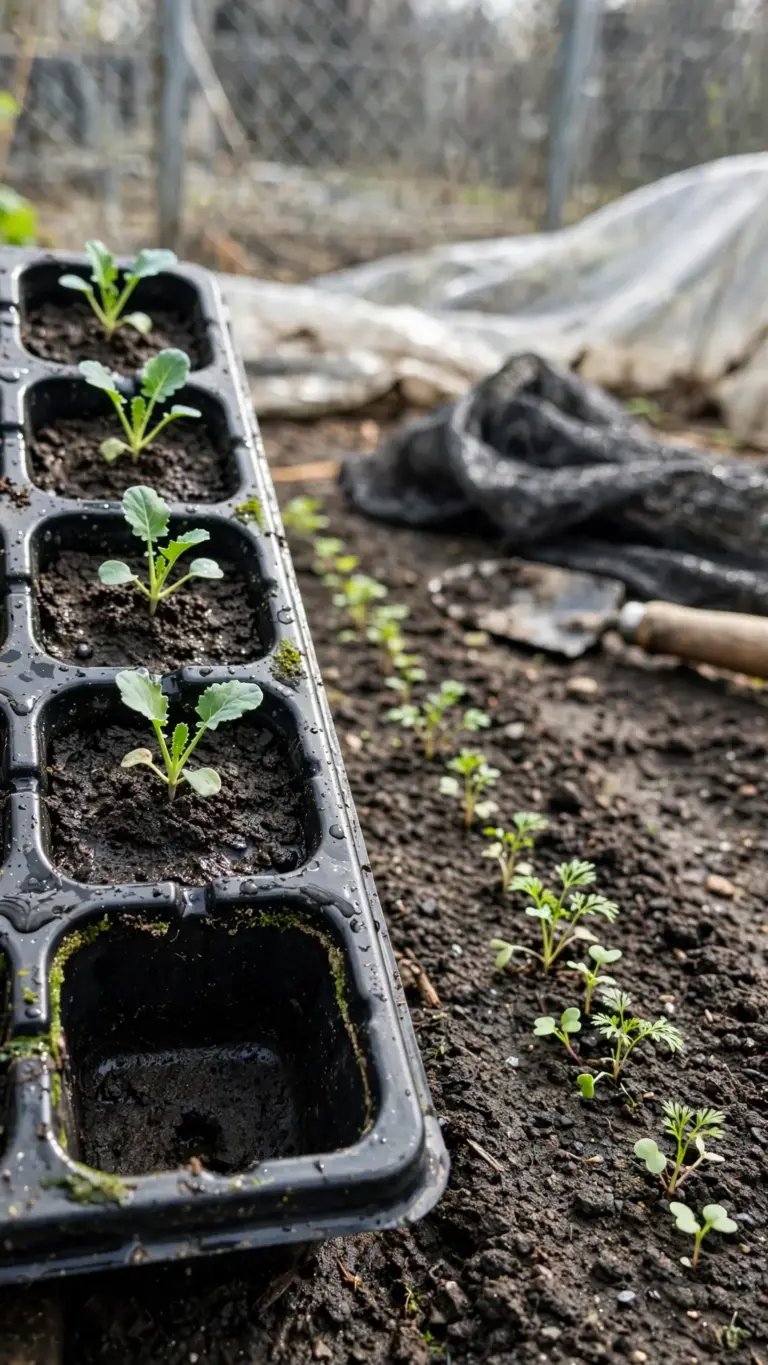
Start transplants in a shaded cold frame or a cool indoor spot, not in the August sun. Harden them off for a week before they go out. The seed starting guide walks the indoor process step by step if you have never raised your own. Buying transplants at the garden center is the honest shortcut when time is tight; the Farmers’ Almanac fall planting guide recommends exactly that. A bought transplant in the ground beats a perfect seedling plan on paper. Do the cost math once. A six-pack of broccoli transplants costs less than a bag of potting mix for starting your own, but raising your own gives varieties the garden center never stocks. Buy the common crops, start the unusual ones. The calendar does not care which path you took.
20 Succession Sow Every 10 to 14 Days
One sowing gives one harvest. Succession sowing gives a season. Sow fast crops every 10 to 14 days from August into October and the harvest never gaps. Radishes every 10 days from mid-August to mid-October put a fresh handful on the table weekly into the holidays.
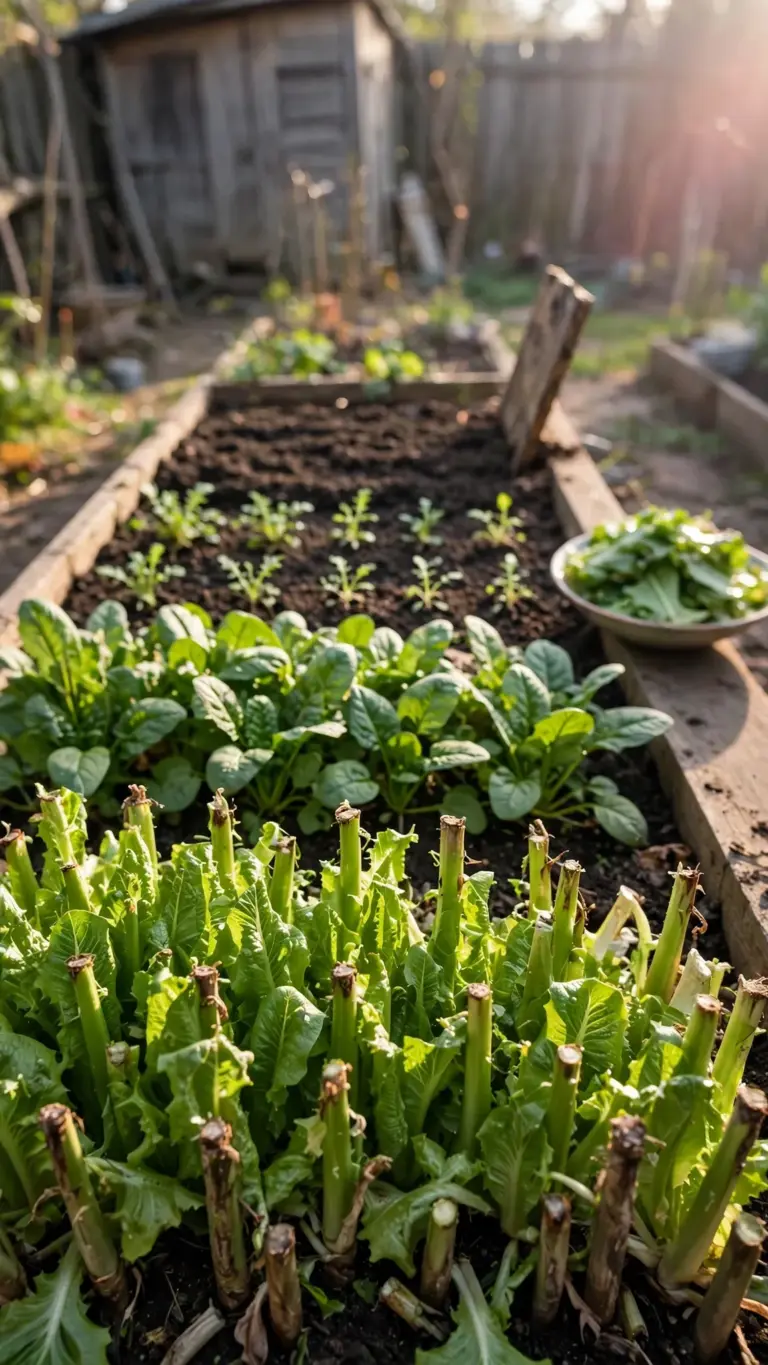
Stagger lettuce, spinach, arugula, and bush beans the same way. Mark each sowing date on the calendar so you know which row is which when they all look alike at two inches tall. Work one bed as an example. Sow radishes August 15, spinach August 29, radishes again September 12, and arugula September 26. Four sowings, ten minutes each, and the salad bowl never empties from late September into November. Stick a labeled plant tag at each row end. The tags are the calendar made physical. This is the method that turns the calendar from a reference into a routine. The fall garden planting schedule lays out the week-by-week execution if you want the sowings pre-planned. Succession sowing is the highest-return habit in the fall garden. It costs seed and ten minutes. The trap is sowing the same crop on the same schedule every year regardless of weather. A hot September delays germination; a cool one speeds maturity. Read the bed, not the plan. The calendar is a starting point, and the garden edits it weekly.
21 Stretch the Harvest With Row Covers and Cold Frames
Row covers and cold frames buy weeks on both ends of the season. A light floating row cover over kale planted the last week of August in zones 5 and 6 keeps the kitchen supplied into January, per the Farmers’ Almanac fall planting guide. That is a four-month harvest from one sowing.
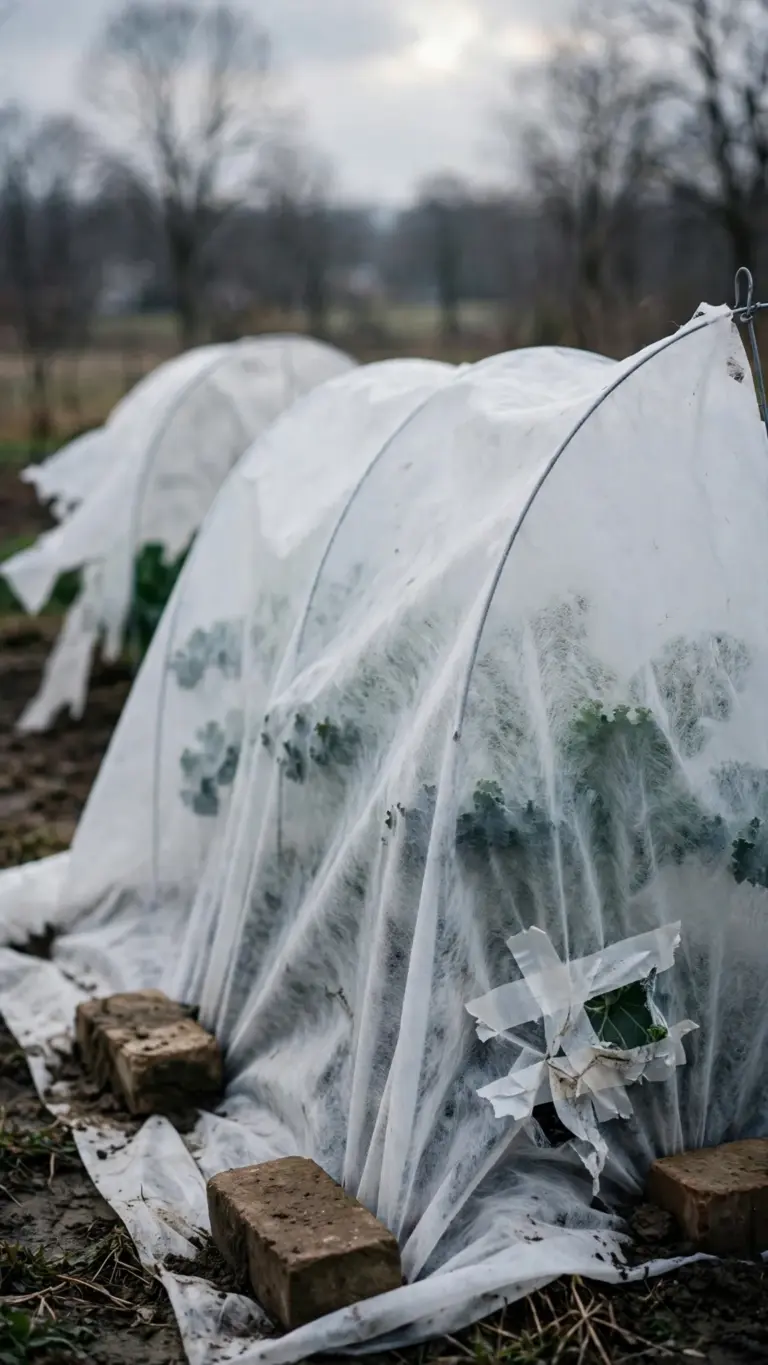
Drape the cover over wire hoops so it never touches the leaves. Anchor the edges against wind. Close a cold frame on frosty nights and open it when the morning sun warms the air; leave it shut on days that stay cold. The failure mode is cooking the plants on a sunny October afternoon, so vent before you leave for work. Covers also exclude cabbageworm, which runs worse in fall than in summer. Protection first, then harvest. Weigh the cover edges with sandbags or bury them in soil. Wind finds every loose edge on the first October storm, and a flapping cover shreds seedlings. Check the covers after every wind event. Five minutes of repair beats a week of regrowth.
22 Do Not Plant These Crops Now
The calendar has a no list, and it matters as much as the yes list. Do not plant warm-season crops now: tomatoes, peppers, eggplant, cucumbers, melons, and summer squash cannot finish before frost anywhere north of zone 9. Virginia Cooperative Extension’s fall vegetable gardening guide adds the frost-tender factor for exactly these crops: they must mature two full weeks before frost to produce anything worth picking.
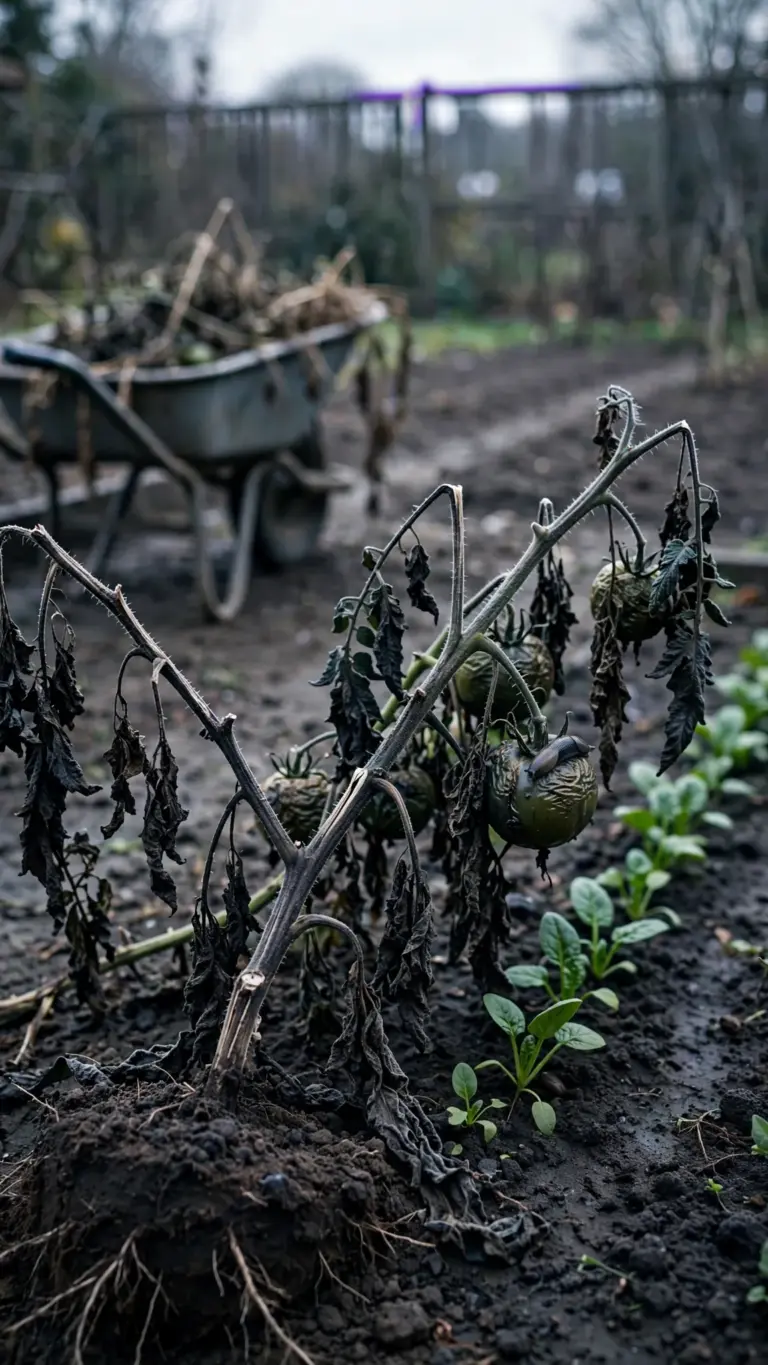
Do not plant slow perennials from seed in fall unless the packet says to. Do not sow corn or pole beans after August anywhere; they want heat and long days, and fall gives neither. Do not plant trees or shrubs after the ground firms; roots need six weeks of workable soil. Every seed has a season. Fall belongs to the cool-season crops, and the calendar rewards gardeners who respect that boundary. The sunk-cost fallacy kills more fall gardens than frost. A struggling tomato in September will not recover; pull it and sow spinach in its place. Every square meter given to a doomed crop is stolen from a crop that would have thrived. Pull early, sow fast.
23 Plant Trees, Shrubs, and Perennials This Fall
Fall is the best planting season for woody plants, and the calendar should say so. Soil still holds summer warmth while air cools, so roots grow without the stress of supporting new top growth. Plant trees, shrubs, and hardy perennials six weeks before the ground freezes.
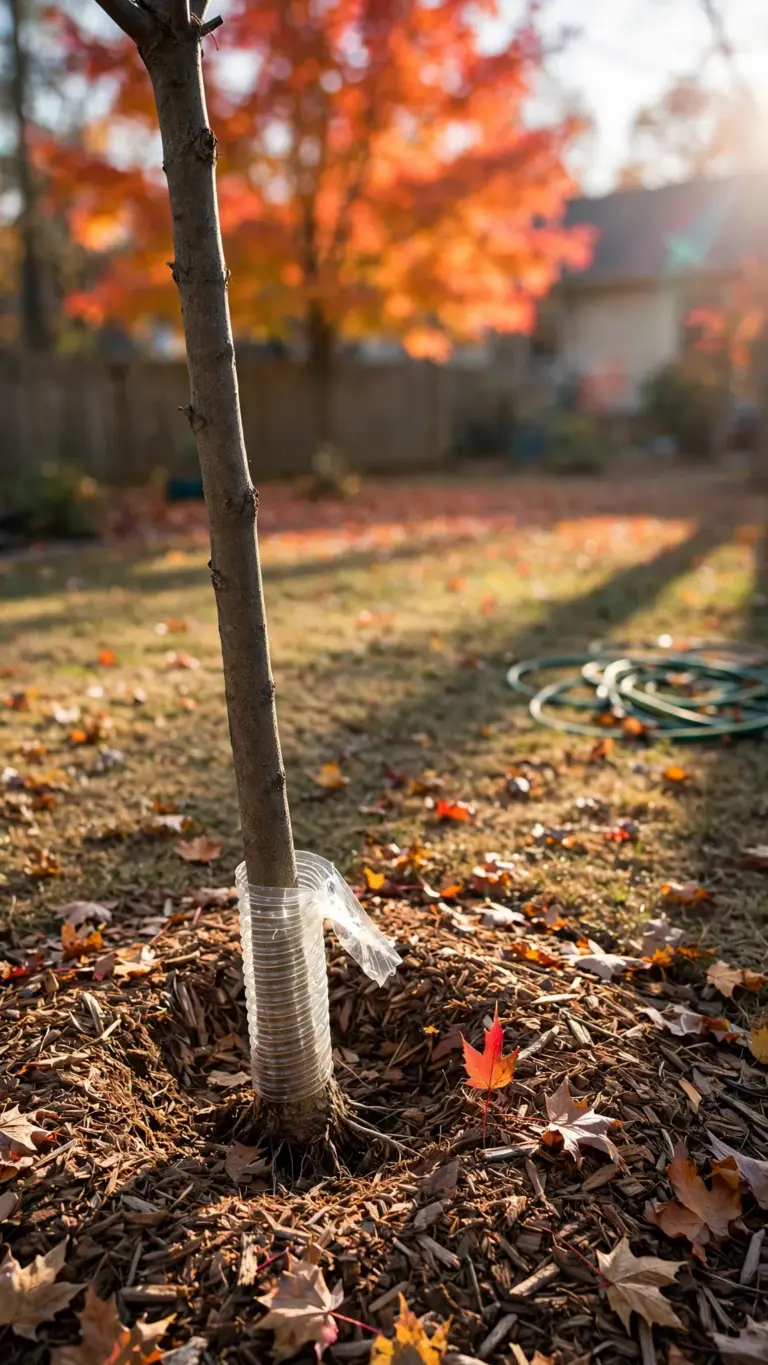
Dig the hole twice as wide as the root ball and no deeper. Water deeply at planting and mulch 8 to 10 cm deep, keeping the mulch off the trunk. Skip the fall pruning; woody plants seal wounds slowly in cool weather, and fresh cuts invite damage. The spring pruning techniques guide covers the cuts to make when growth resumes. A tree planted in October outgrows the same tree planted in April. Roots respond to warm soil, and October soil is warm. Water the new planting deeply once a week until the ground freezes, even if rain falls. New roots need consistent moisture to establish, and fall rain is rarely as thorough as it looks. A slow trickle from the hose for an hour beats a quick sprinkle.
24 Time Spring Bulbs Before the Ground Freezes
Spring bulbs are the last planting on the fall calendar and the first payoff of the new year. Plant daffodils, tulips, hyacinths, and lilies in late September through October, once night soil temperatures settle into the 40s and 50s Fahrenheit. Plant pointed end up, three times as deep as the bulb is tall.
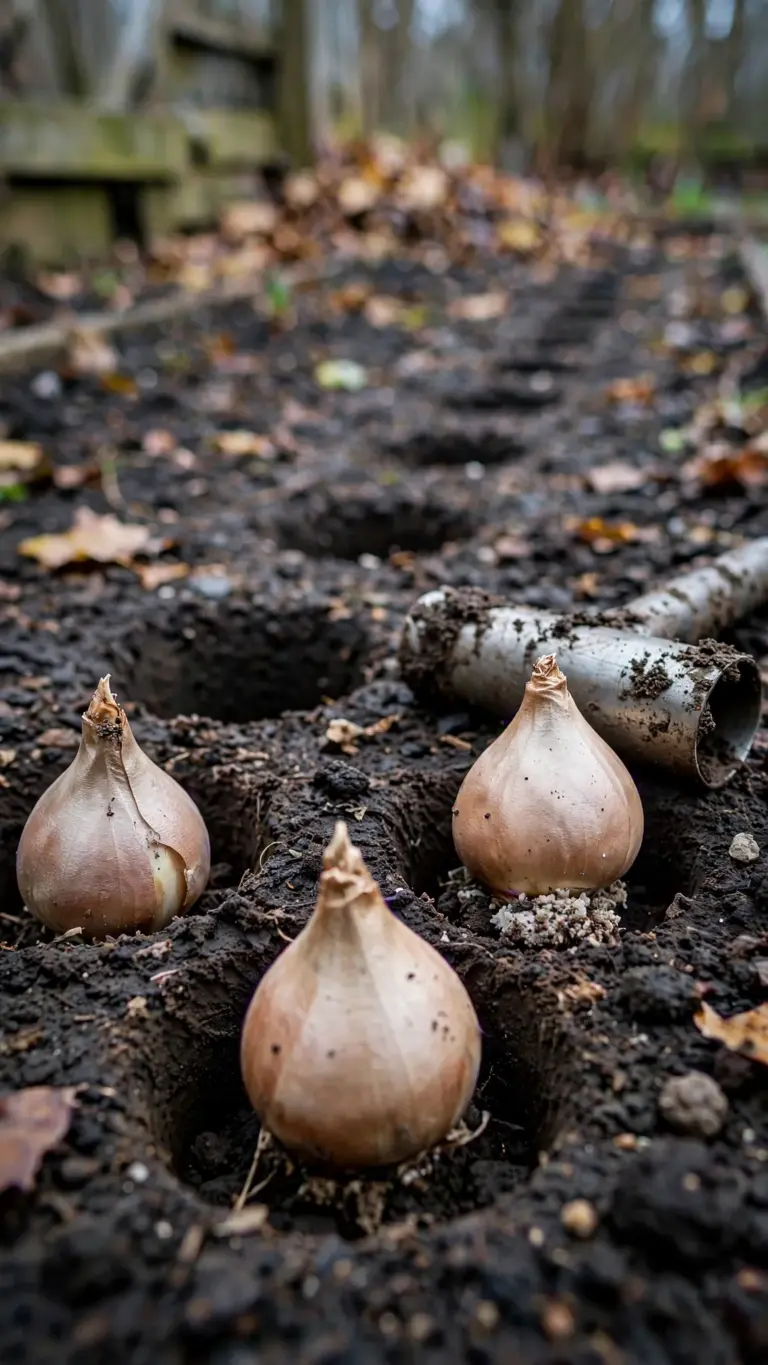
Tulips want the coldest soil of the group, so they go in last. Daffodils naturalize and return for years; tulips often perform as annuals in warm zones. A bulb planter or a narrow trowel speeds the work, and a handful of bone meal in each hole feeds the roots. Mark the planting spots. Every spring, gardeners dig into their own forgotten bulbs. The calendar ends here, but the garden does not. Try lasagna layering in one container: tulips at the bottom, daffodils in the middle, crocus on top. One pot gives three waves of bloom from March into May. Mark it well. A layered pot looks like plain soil all winter, and plain soil gets dumped.
Closer: The Calendar Is a Habit
The fall planting calendar works when it stops being a page and starts being a habit. Find the frost date. Count back with the fall factor. Sow on the date, not on the feeling. Check the matrix every Sunday and plant what your zone row names.
One season of working the calendar teaches more than five seasons of guessing. The beds stay full, the harvest stretches into winter, and spring starts with soil that was protected instead of abandoned. Tape the tables to the shed door. Write the dates down. The garden keeps the records you do not. Next year the calendar gets easier. The frost date is already on the door, the matrix already taped beside it, and the log already names what worked. Fall gardening compounds like interest: every season of records makes the next season’s decisions faster. Start the log this weekend. Share the calendar with a neighbor. Two gardeners comparing frost dates and sowing logs learn twice as fast, and the seed swap that follows is the oldest gardening tradition there is.
FAQ
What Should I Plant in August for a Fall Harvest?
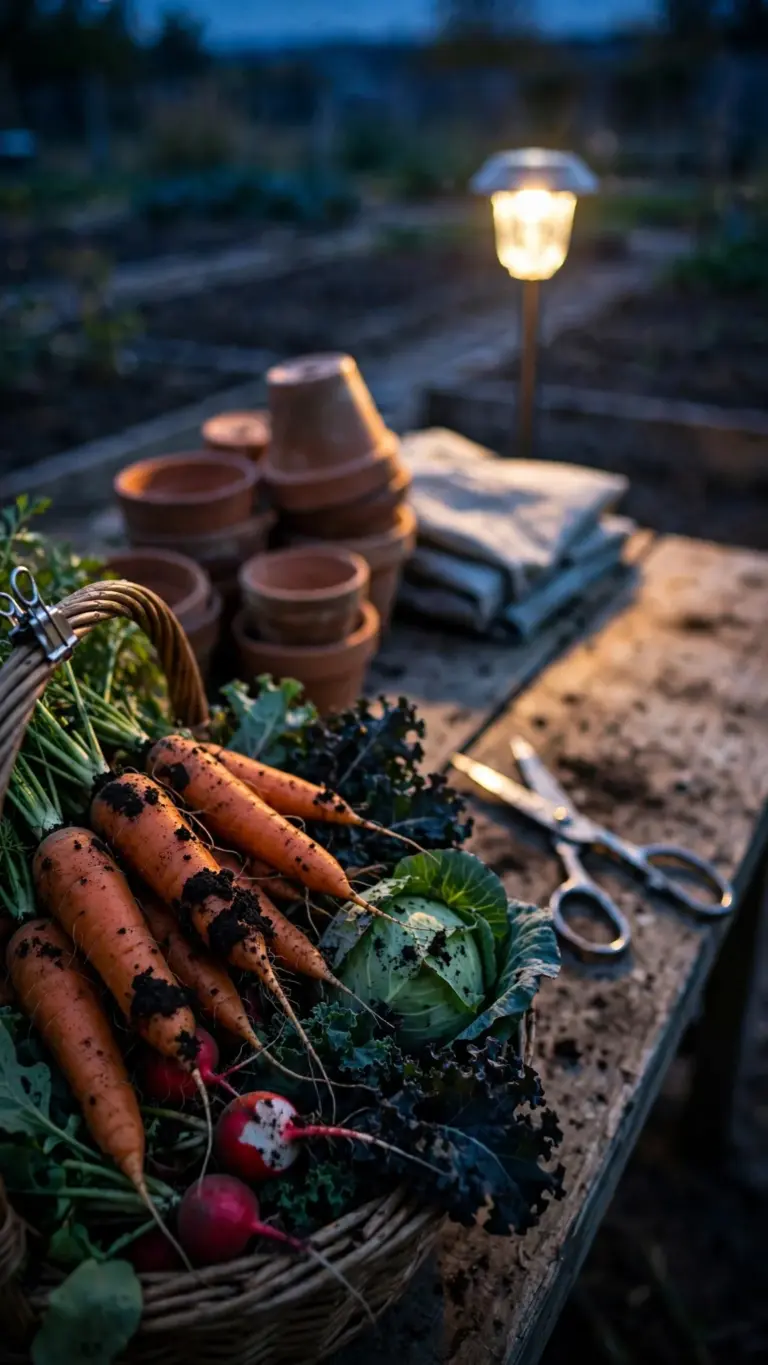
Sow beets, carrots, turnips, radishes, spinach, looseleaf lettuce, bok choy, kale, and chard direct in August. Set out broccoli, cabbage, cauliflower, and Brussels sprout transplants for a head start. In zones 3 to 5, early August is the last window for crops needing more than 50 days. Water heavily; failed germination in hot soil kills more August sowings than frost does.
When Should I Plant a Fall Vegetable Garden?
Count back from your average first frost date using days to maturity plus a 14-day fall factor. For most of North America, the window runs August through mid-September. Zones 3 and 4 sow by early July, zone 8 sows through September, and zones 9 and 10 plant September through November. Find your frost date on the Old Farmer’s Almanac planting calendar first.
Can I Extend the Fall Harvest Into Winter?
Yes. A light floating row cover over kale sown the last week of August in zones 5 and 6 harvests into January. Cold frames stretch greens further; close them on frosty nights and vent on sunny mornings. Leave carrots and parsnips in the ground under thick straw mulch and pull through December. Leeks overwinter under heavy mulch in zones 5 through 8.
When Should You Plant in the Fall?
Plant by the calendar date for your zone, not by how the air feels. August is for sowing across most zones, September for transplants and garlic in the north and full sowing in the south, October for garlic and cover crops, November for garlic and soil protection. Warm soil germinates seed; cool air finishes the crop. Sow on the date.
What Month Is the Best Month to Plant Vegetables?
August is the best month for fall vegetables in zones 3 through 8 because warm soil germinates seed fast and enough season remains. In zones 9 and 10, September and October are better; summer heat lingers too long in August. For spring-planted vegetables, the answer differs by crop, but for the fall garden, August wins nearly everywhere frost arrives.
What Veggies Can I Plant in October?
Plant garlic through October in zones 5 through 8, plus a last radish sowing in zone 7 and warmer. Sow cover crops like winter rye or crimson clover on every empty bed. Keep planting spring bulbs until the ground firms. In zones 9 and 10, October is a full planting month for brassicas, greens, carrots, and peas.








