Sow 3 short rows of lettuce instead of one long row, then sow 3 more when the first row starts to fill in. Succession planting is a schedule that staggers sowings so one crop finishes as the next one starts.
Succession planting turns a single glut into a steady supply. One sowing of lettuce gives a pile of leaves in one week and bare soil the next. Small sowings spaced across the season give fresh leaves every week. The deciding number is 14 days. Quick crops such as lettuce, radish, and salad greens go in at 2 week intervals, and each wave matures after the one before it.
Work from the seed packet, not from memory. Mark each sowing date on a calendar. Count forward to the harvest date. Sow the next wave before the current wave finishes.
| Method | What changes | Best crops |
|---|---|---|
| Staggered sowing | Same crop sown again every 1 to 2 weeks | Lettuce, radish, spinach, beans |
| Different maturity dates | Early, mid, and late varieties sown together | Sweet corn, cabbage, carrots |
| Replace after harvest | New crop takes the bed of a finished crop | Tomatoes after spinach, beans after peas |
What Is Succession Planting?
Succession planting is the practice of sowing or planting the same bed in waves across the growing season so harvests arrive in a steady stream. West Virginia University Extension describes the easiest form as several smaller plantings of the same crop at timed intervals, with quick crops such as radish, lettuce, and salad greens generally planted at 2 week intervals. One bed feeds the kitchen for months. One sowing feeds it for a week.
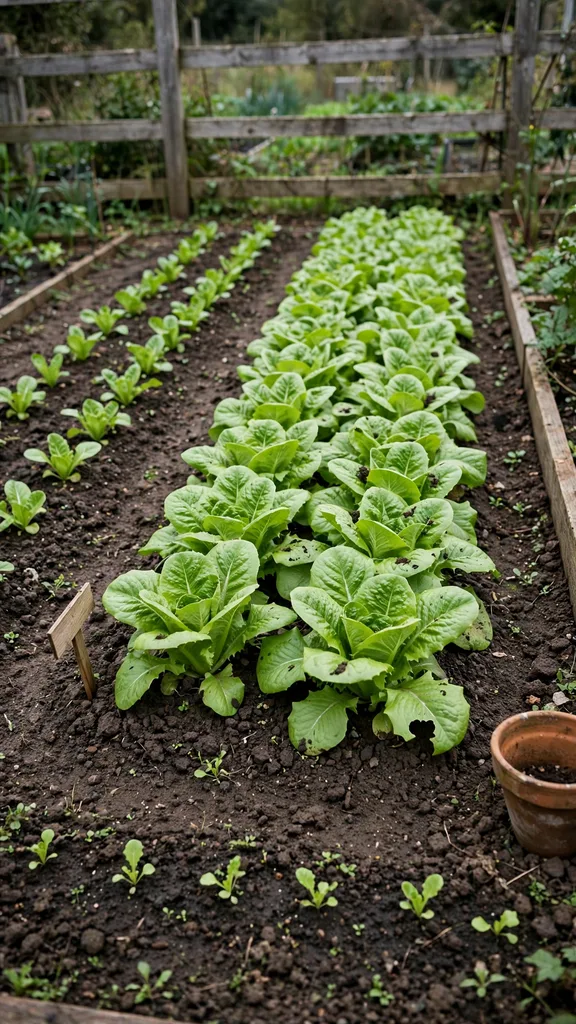
The term covers more than repeat sowing. A gardener who plants early, mid, and late varieties of one crop on the same day still practices succession planting, because the varieties mature weeks apart. A gardener who pulls spent spring spinach and plants summer beans in the same bed practices it too. The shared idea is timing. Each planting has a start date, a harvest window, and a successor already planned.
Succession planting belongs in the gardening glossary beside the other scheduling terms, and it pairs with the bed plan rather than replacing it. The bed plan says what grows where. Succession planting says when each wave goes in and when it comes out. A garden with a plan and no schedule still gluts and gaps. A garden with a schedule keeps the bed full from spring to fall.
How Succession Planting Works
Succession planting works through 3 methods, and most gardens use all 3 before the season ends. The first method staggers sowings of one crop. Sow a short row, wait, sow another short row. West Virginia University Extension advises staggering plantings of the same vegetable 7 to 14 days apart so a new set starts producing as each set finishes. The gap sets the harvest rhythm. A 7 day gap suits fast crops in warm soil. A 14 day gap suits cool spring soil and slower crops.
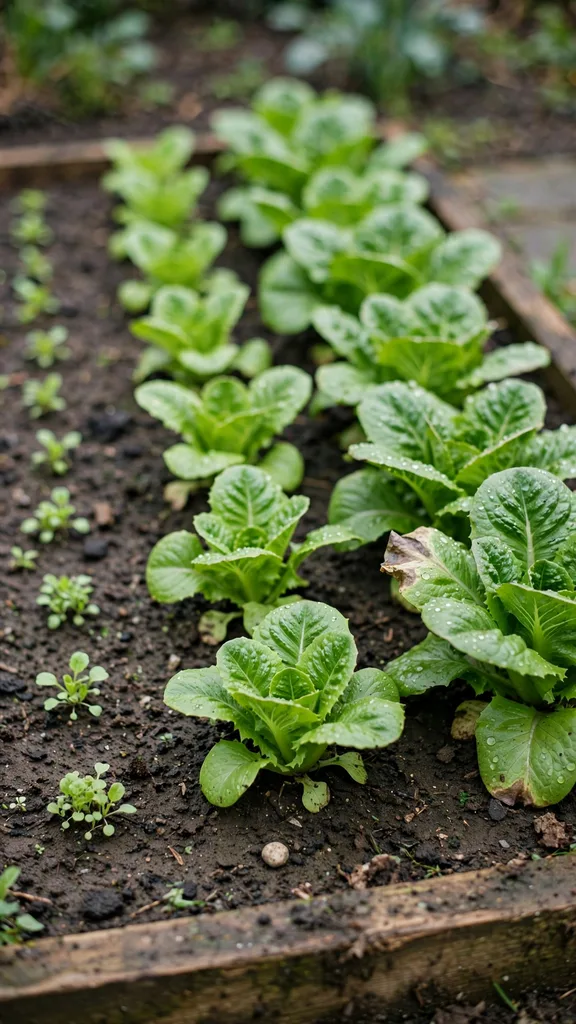
The second method plants varieties with different maturity dates on the same day. Sweet corn shows the pattern clearly. An early variety matures first, a mid-season variety follows, and a late variety closes the season. The same notes list radish and spinach at 35 days, beans and summer squash at 50 days, and cabbage, cauliflower, and Brussels sprouts at 75 days or more, so days to maturity is the number that drives every choice.
| Crop group | Days to maturity | Sow rhythm |
|---|---|---|
| Radish and spinach | 35 | Every 2 weeks in cool soil |
| Beans and summer squash | 50 | Every 2 to 3 weeks after frost |
| Cabbage, cauliflower, and Brussels sprouts | 75 or more | One planting, timed to the season |
| Sweet corn, early, mid, and late varieties | 68, 75, and 91 | One sowing day, 3 maturity dates |
The third method replaces a finished crop with a different crop. Spring spinach comes out. Summer beans go in. Summer beans come out. Fall lettuce goes in. Each replacement keeps the bed in production, and each new crop suits the season it enters. Cool-season crops open and close the year. Warm-season crops hold the middle.
Companion planting sits beside succession planting in the same bed plan, and the two schedules share the same calendar. Pair crops that help each other in the same wave, then replace the whole wave together when it finishes. The bed stays full, and the next wave starts from a clean slate.
Succession Planting vs Planting Everything at Once
Planting everything at once is the default habit, and succession planting is the answer to its failure. One sowing gives one harvest window. Waves give a season of harvests. The table below sets the two habits side by side.
| Feature | Succession planting | Planting everything at once |
|---|---|---|
| Harvest window | Weeks to months of steady picking | One short glut, then nothing |
| Waste | Little, because each wave gets eaten fresh | High, because one wave ripens together |
| Bed use | Bed stays full from spring to fall | Bed sits empty after the single harvest |
| Work | Small sowings spread across the season | One big sowing day, then a rush to use the crop |
| Risk | One failed wave costs a small row | One failed sowing costs the whole crop |
Planting everything at once still suits crops that store well or get preserved in one batch. Garlic, onions for storage, and tomatoes for sauce all reward a single large planting. Succession planting suits crops eaten fresh a little at a time. Lettuce, radish, beans, cilantro, and summer squash top that list. The choice follows the kitchen, not the calendar.
How to Recognize and Measure Succession Planting
A garden that needs succession planting shows the same sign every year. One crop floods the kitchen for 2 weeks, then the bed stands empty while the next crop is still a seedling. The glut and the gap arrive together. That pair is the diagnosis. A garden with succession planting shows the opposite sign. One row gets picked while the next row grows, and the bed never stands bare for long.

Measure succession planting with 2 numbers from the seed packet. The first is days to maturity, the count from sowing to first harvest. The second is the sowing interval, the gap between waves. Divide the harvest window by the interval to find how many waves the season holds.
Count backward from the first frost date for the last wave. Take the frost date, subtract days to maturity, then subtract a few days for slow fall growth. That date is the last safe sowing day. Any wave sown after it will not mature. Write that date on the calendar first, then fill the waves forward from spring.
Common Mistakes With Succession Planting
Sowing every wave on the same day is the first mistake. Waves sown together mature together, and the garden gluts exactly like a single sowing. Space the waves. A 7 to 14 day gap between sowings is the whole technique. Skip the gap and the schedule collapses.
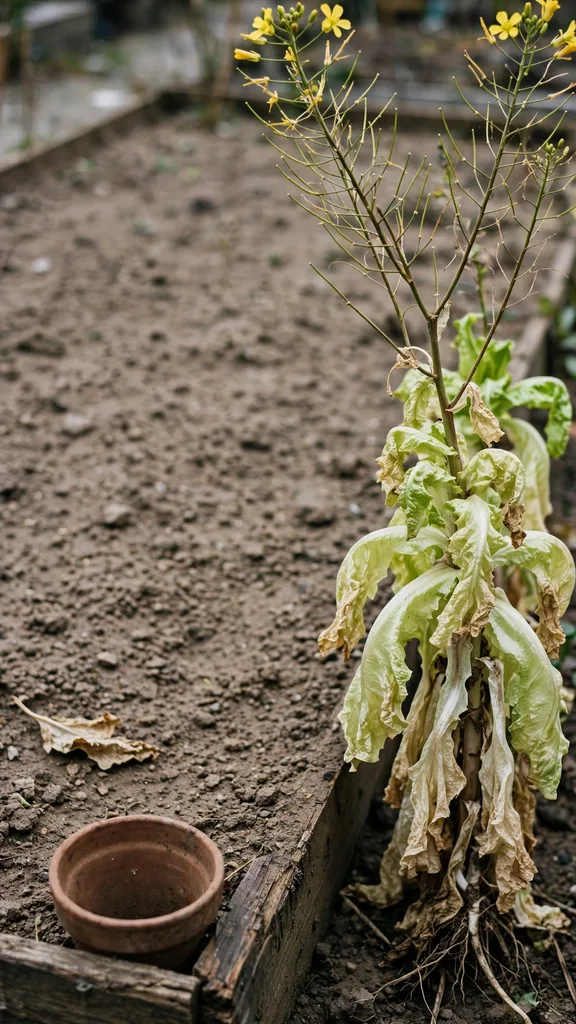
Sowing the same amount every time is the second mistake. A spring wave of lettuce feeds a household for 2 weeks. A summer wave of the same size bolts in the heat and feeds it for 3 days. Shrink summer waves of cool-season crops, or switch to heat-tolerant varieties. The amount follows the season.
Forgetting to feed the next wave is the third mistake. Each wave pulls nutrients from the same bed, and the third wave grows in tired soil. Add compost between waves, and side-dress heavy feeders such as beans and squash. A wave planted in spent soil grows slowly and matures late, which breaks the rhythm of the waves behind it.
Leaving the bed empty after harvest is the fourth mistake. A finished crop pulled on a Saturday should have its successor sown the same weekend. Every empty week is a lost wave. Keep seed on hand for the next crop before the current crop finishes, so the replacement goes in without a trip to the shop.
When Succession Planting Matters in Your Garden
Succession planting matters most in a small garden, where one bed must feed the kitchen all season. A large garden can hold a separate bed for each sowing. A small garden holds one bed, and that bed must turn over several times a year. The schedule is what makes a small space feed a household from spring to fall.
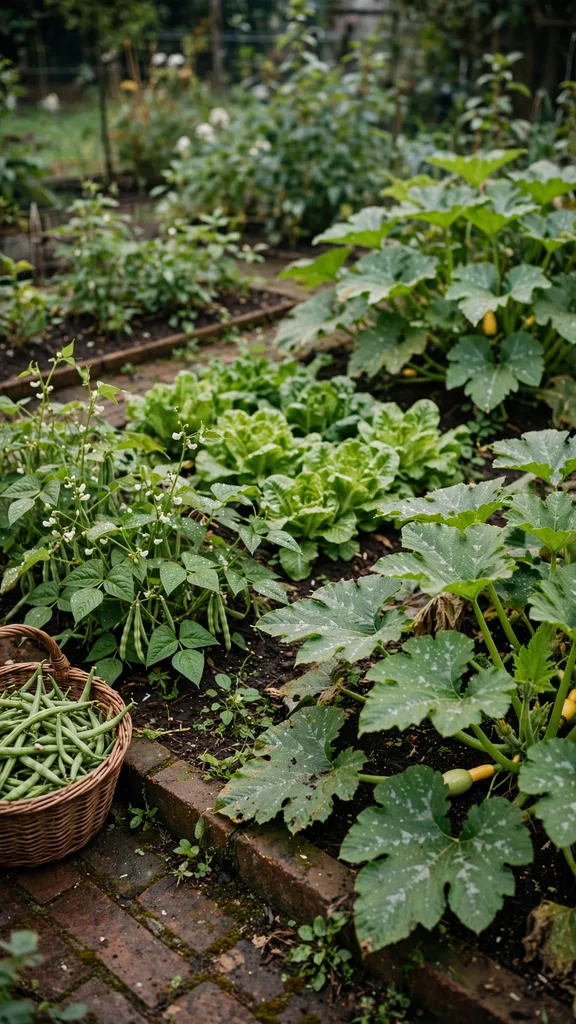
It matters in a short season too. A gardener with a short window between frosts cannot waste weeks on an empty bed. Each wave must follow the last without a gap, and the last wave must mature before the first frost. The calendar is tight, and the schedule is the difference between a full freezer and a half-empty one.
It matters least for storage crops and single-harvest crops. Garlic, winter squash, and pumpkins go in once and come out once. No schedule improves them. It matters most for fresh eating, for market stalls, and for any household that eats salad every day. If the kitchen wants fresh leaves every week, the garden must sow every 2 weeks.
Row covers stretch the succession season at both ends. A cover over the first spring wave warms the soil and brings the first harvest forward. A cover over the last fall wave holds off a light frost and lets the last wave mature. The cover does not change the schedule. It widens the window the schedule runs in.
FAQ
Sow a short row every 2 weeks from spring through early summer, then again from late summer into fall. A 2 week gap keeps a fresh row ready as the last one bolts or gets picked out. Pause during the hottest weeks, or switch to a bolt-resistant variety for the summer waves.
Succession planting works best in a small garden, because one bed must turn over several times a season to keep the kitchen supplied. Sow short rows or small blocks rather than full beds, and replace each finished wave within days. One bed can hold successive waves of lettuce in one season with room left for herbs at the edge.
Fast crops with short harvest windows suit succession planting best. Lettuce, radish, spinach, cilantro, beans, and summer squash head the list, because one sowing gives a short glut and then finishes. Slow crops such as cabbage and Brussels sprouts suit a single timed planting instead, since they need a long season to mature.
Plant a fall crop in the same bed as soon as the summer crop comes out. Pull spent beans or squash, add compost, and sow lettuce, spinach, radish, or peas for fall harvest. Count backward from the first frost date using days to maturity, and sow the last wave early enough to mature before cold weather stops growth.
Succession planting and crop rotation are different jobs. Succession planting schedules sowings across one season so harvests keep coming. Crop rotation moves plant families to different beds across years so soil pests and diseases do not build up. A good garden plan uses both, and the succession calendar sits inside the rotation plan.