Sow petunia seed 10 weeks before your last frost and set the seedlings out once it passes. That is how to grow petunia from a packet of dust-fine seed to a bed that blooms until the first hard frost. The steps below run from seed packet to frost, with the pinch and the feed that keep the plants bushy and blooming.
Work indoors in late winter. Plant out after frost. Deadhead through summer. Pull the plants after the first hard frost.
A petunia bed asks for four things: light to germinate, sun to bloom, a pinch to branch, and a feed every 2 weeks. Get those four right and the bed runs itself until frost.
Check the Petunia Specs Before You Plant
Garden petunia is Petunia × hybrida, a tender perennial in the nightshade family. Its hardiness runs zones 10a to 11b, so gardeners outside those zones grow it as an annual, according to the North Carolina Extension Gardener Plant Toolbox page on Petunia × hybrida. Frost ends the plant. The bloom runs from planting day to that frost.
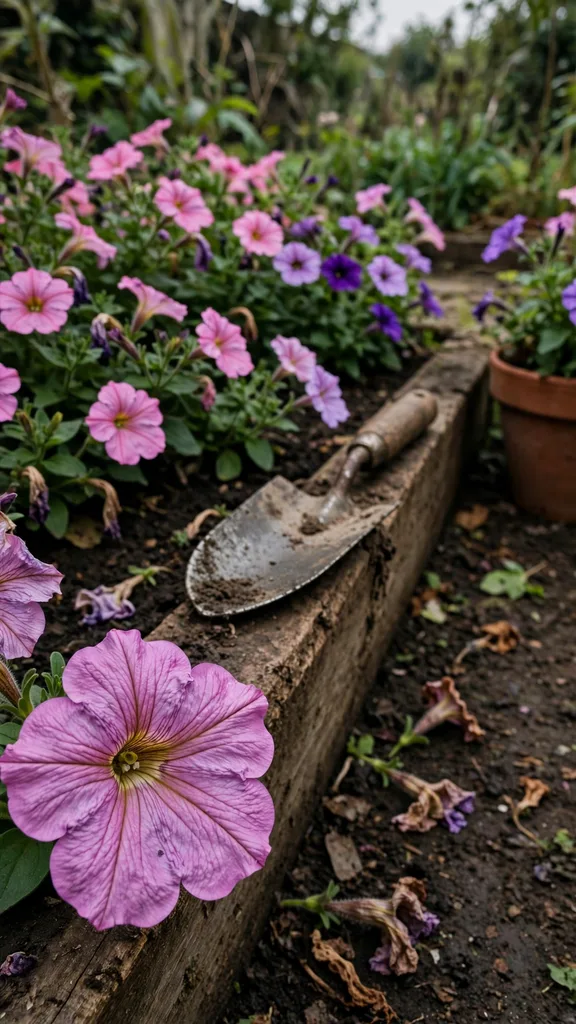
Read the tag before you buy. A spreading type covers 91.4 cm of bed, while a dwarf type stays near 30.5 cm. The tag tells you which one you hold, and the bed plan follows from it.
| Spec | Value |
|---|---|
| Type | Tender perennial, grown as an annual |
| Sun | Full sun |
| Soil | Light, fertile, free-draining, slightly acidic |
| Spacing | 30.5 to 91.4 cm by type |
| Height | 15.2 to 45.7 cm |
| Spread | 30.5 to 91.4 cm by type |
| Zones | 10a to 11b |
| Bloom | Planting to first hard frost |
Match the Petunia Type to Your Bed or Basket
Grandiflora types carry the largest blooms and the softest stems. Rain marks them, and a hard storm tears them. Multiflora types carry smaller blooms in larger numbers and stand up to rain better. Pick grandiflora for a sheltered pot. Pick multiflora for an open bed.
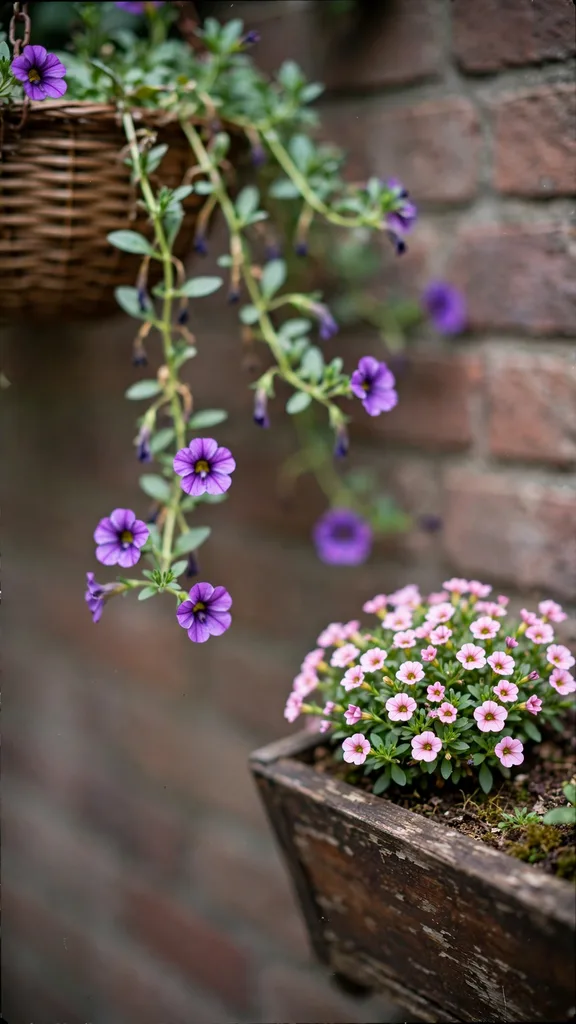
Shop tags name the habit as well as the flower. Compact Picotee Petunia stays short with a pale edge on each petal. Double Petunia stacks extra petals into a full bloom. Dwarf Petunia fits a window box. Mini Petunia and Miniature Petunia carry small blooms on tight plants that suit the front of a border.
Trailing types suit baskets and walls. They spill over the edge and bloom along the stem. Wave types spread fast and cover a bed in one season. A bed type stays upright and fills a border. A grandiflora in a windy, open bed shreds by July, its large soft blooms tearing at the edges. Put it where a wall breaks the wind.
Self-cleaning types drop their own spent blooms, so they need no deadheading. They cost more at the garden center and save time all summer. A gardener with a dozen baskets feels the difference by August.
Color runs from white through pink, red, purple, and near-black, with picotee edges and star patterns on some types. Color does not change the care. A dark bloom shows rain spots sooner than a pale one, so plant dark types where rain cannot hit them.
Start Petunia Seed 10 Weeks Before Last Frost
Sow petunia seed indoors 10 weeks before your last frost and leave it on the surface of damp seed mix, because petunia seed needs light to germinate, according to the Iowa State Extension guide to starting petunias from seed indoors. Press the seed onto the mix with a pencil or a small block of wood. Never bury it.
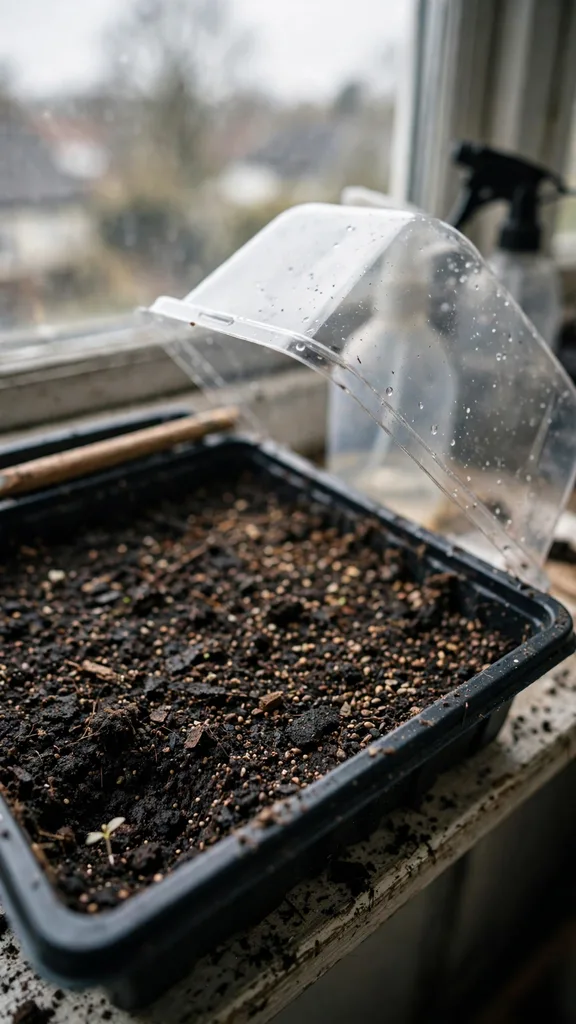
The same notes count 250,000 to 300,000 seeds per ounce, so one packet sows a whole bed. Pelleted seed costs more and handles easier, since the coating turns each dust-fine seed into a ball you can place. Sow thin. Crowded seedlings stretch and damp off.
Wash used trays in soapy water, then soak them in 1 part chlorine bleach to 9 parts water. The same notes give that mix for disinfecting old containers. Fill the tray to within 2.5 cm of the top with fine seed mix, firm it lightly, and wet it from below. A clean tray and a sterile mix keep damping off away from the stems.
The same notes put germination at 7 to 10 days in a warm spot at 23.9 to 26.7°C. Cover the tray with a clear dome or plastic wrap to hold moisture, and keep the covered tray out of direct sun. Lift the cover the day sprouts appear. Let the mix dry between waterings once the seedlings stand, since seedlings kept wet at the stem rot at the soil line.
The same Iowa notes set the routine after germination. Keep lights 10.2 to 15.2 cm above the seedlings for 12 to 16 hours a day. Move each seedling into its own cell pack once it shows 3 true leaves. Feed a dilute fertilizer solution every 2 weeks. The seed starting steps for trays, mix, and lights apply here.
Turn the tray a quarter turn each day so the seedlings grow straight. A tray left still leans toward the window and grows crooked.
I have learned to count back 10 weeks from the last frost instead of guessing from a warm week in March. Harden the seedlings outdoors for a few days before planting them out. A seedling moved straight from a warm windowsill to a cold bed stalls for weeks.
Direct sowing outdoors rarely works. The seed is too fine, the soil too cool, and birds eat the sprouts. Start indoors or buy transplants.
Plant Petunias in Full Sun After the Last Frost
Set plants out after the last frost, in full sun and light, free-draining soil. Heavy shade keeps plants alive and starves the blooms, as the same North Carolina page notes. A bed that catches sun from morning to afternoon blooms hardest.
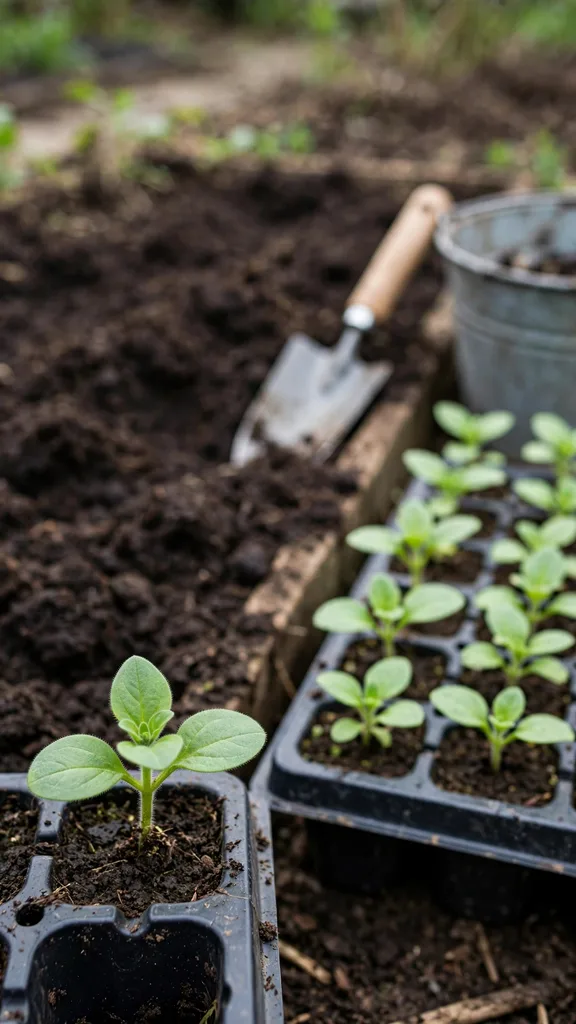
Give each plant 30.5 to 91.4 cm of room, depending on the hybrid, and expect 15.2 to 45.7 cm of height. The same page lists those ranges. Tight spacing crowds the air out of the bed, and crowded petunias mold first.
Dig compost into the top 15 cm of the bed before planting. Rich, loose soil holds the feed petunias demand. The steps for building soil health pay off here: a fed bed blooms longer than a thin one. Spread a 5 cm mulch layer after planting to hold moisture and keep soil off the blooms.
Set each plant at the same depth it grew in the pack. A stem buried deep rots at the soil line. Firm the soil around the roots and water the bed through.
Pinch purchased plants back before transplanting them. The pinch forces side shoots and a bushy habit, and that same page recommends it. A plant set out tall and unpinched grows one stem and a few blooms at the tip. Pinch it.
Set basket plants 20 cm apart around the rim. Set bed plants by the tag spacing. A crowded basket blooms fast and fades fast.
Petunias like soil on the acidic side of neutral. A bed limed heavy for vegetables runs too high for petunias, and the leaves yellow. Skip the lime on the petunia bed.
Gardeners in zones 10a to 11b keep plants through winter outdoors. Elsewhere, lift a favorite plant before frost and keep it in a bright spot away from heated air. The plant rests through winter and returns to the garden in spring.
Water at the Base and Feed Every 2 Weeks
Water when the top 2.5 cm of soil feels dry. Soak the soil. Keep the blooms dry. Wet petals spot and rot.
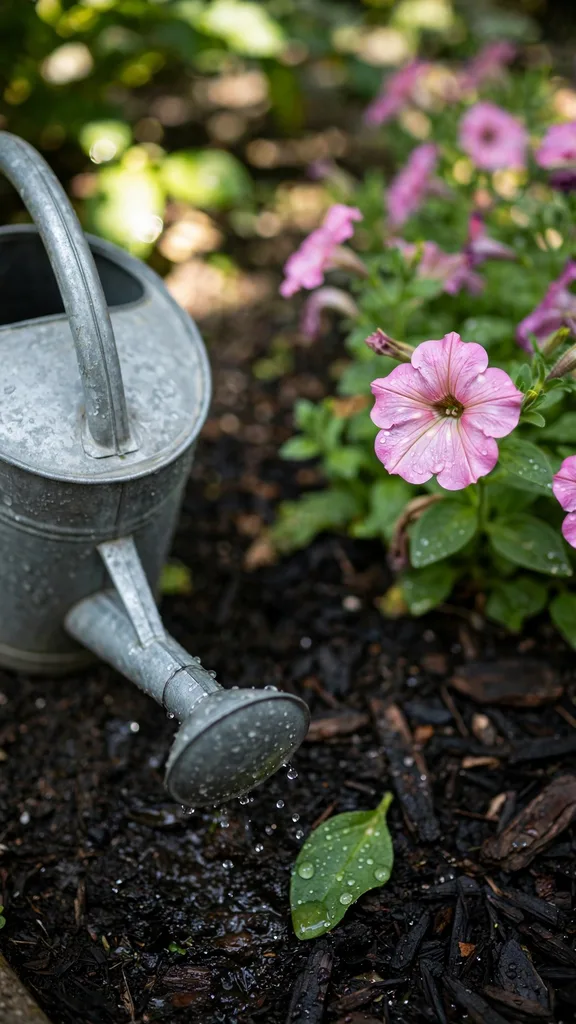
Water in the morning so leaves dry by night. A mulch layer holds moisture in the bed and keeps soil off the blooms. A bed watered at noon in full sun loses half the water to evaporation before the roots drink.
Feed a dilute liquid fertilizer every 2 weeks through the season. Petunias bloom hard and eat hard. The same Iowa notes feed seedlings a dilute solution every 2 weeks, and established plants take the same rhythm. A slow-release mix in the potting soil covers the same need.
A balanced liquid feed suits beds. A slow-release granular feed suits pots, mixed into the top of the mix at planting. Read the label and halve the rate for seedlings.
Rain feeds the bed and flattens the blooms. A storm-soaked bed needs no watering for days. Check the soil before you water after rain.
Pots and baskets dry faster than beds, and a basket in full sun can need water twice a day in a heat wave. Check them daily in hot weather. A basket left dry drops buds first, then leaves. A bed left dry wilts by afternoon and recovers by night. The basket does not forgive as fast.
Pinch and Deadhead for Bushy Plants
Pinch the soft tip of each stem once the plant stands 15 cm tall. Two side shoots break below the pinch. Pinch those too, once, and the plant turns into a mound instead of a stick.
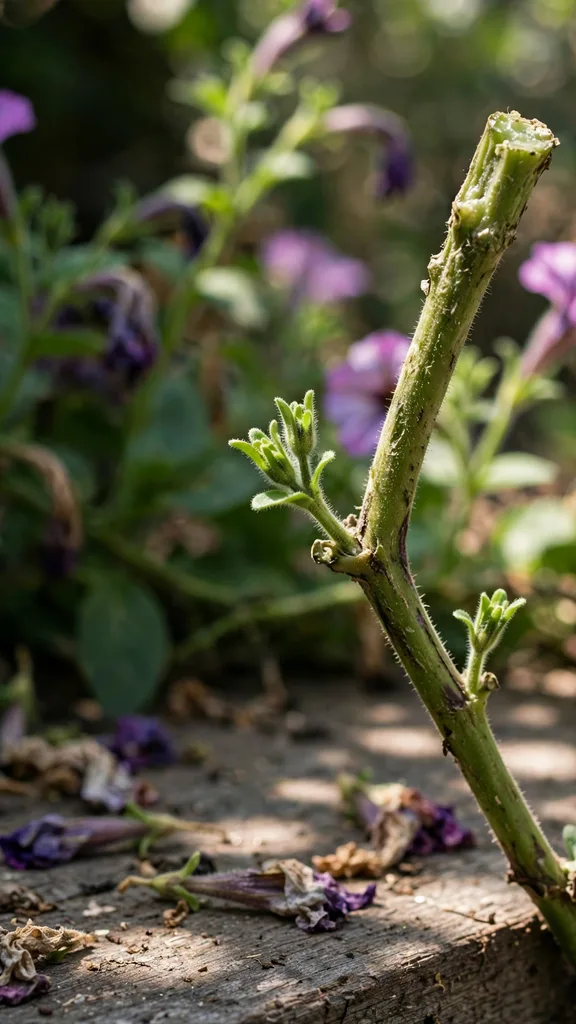
Deadhead spent blooms every few days. Each deadheaded flower frees the plant to set new buds, and deadheading lifts flower-bud production, as the same North Carolina page notes. Pull the whole faded flower, stem and all, not just the petals. A bare flower stalk left behind rots at the joint.
Cut the stem back to a leaf joint when a stem goes bare at the base. New shoots break from the joint within days. A plant left unpinched and undeadheaded turns woody and stops blooming by midsummer. Stop pinching once the plant fills its space, and let the blooms take over.
Pinch while the plant is still shaping itself in the first weeks after planting. A pinch in late summer costs blooms without time to replace them. Let the late plant bloom.
Grow Petunias in Pots and Hanging Baskets
Fill the pot with potting mix and perlite, not garden soil. Garden soil packs down and holds water against the roots. A pot needs mix that drains in seconds and holds air around the roots. Mix 3 parts potting mix with 1 part perlite for a basket that drains fast and stays light.
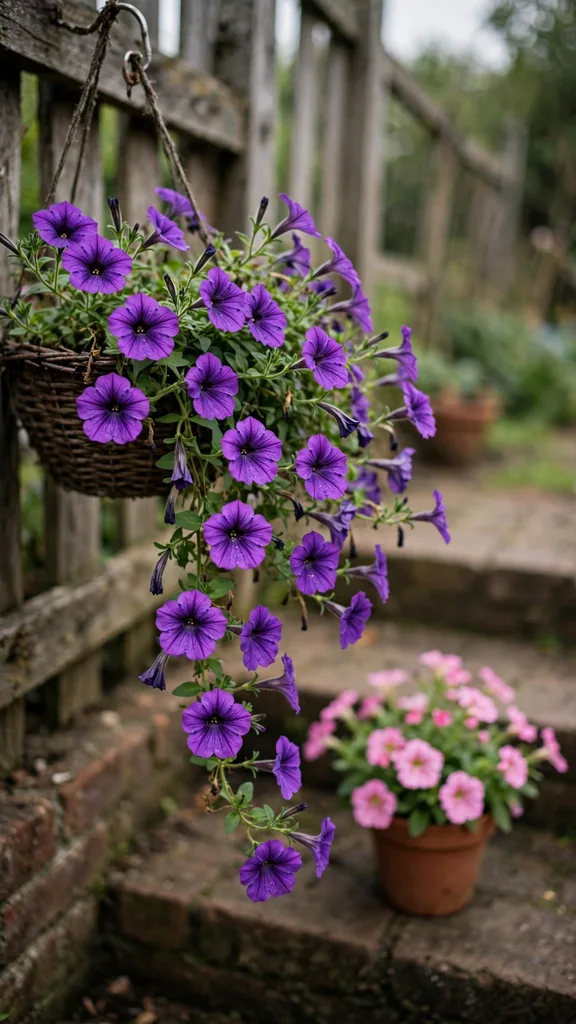
One plant fills a 25 cm pot by midsummer. Three plants fill a 35 cm basket. A pot too small dries daily and starves the plant. A pot too large stays wet through the week and rots the roots from the bottom up. Match the pot to the plant on the tag.
Line a wire basket with coco fiber or moss before filling it with mix. The liner holds the mix and lets water drain. Plant through the sides as well as the top for a ball of bloom.
Hang baskets where they catch full sun and a breeze. A basket in shade blooms thin. Water a basket daily in hot weather. A small pot dries in a day.
Hang the basket at eye level where you see the blooms, not above your head. A basket hung high dries fast and hides its flowers. Lower it to water.
Feed potted petunias every 2 weeks, the same rhythm as the bed. Pots hold little food of their own. A hungry basket yellows from the bottom up, and the yellow climbs while the blooms shrink.
Spot Gray Mold, Aphids, and Iron Chlorosis Early
Gray mold coats spent blooms and damp leaves in a gray fuzz. Pick off the dead blooms and open the spacing. Air movement dries the plant and the mold stalls. A bed left crowded and wet molds from the inside out, and the gray fuzz spreads from the dead blooms to the live ones.
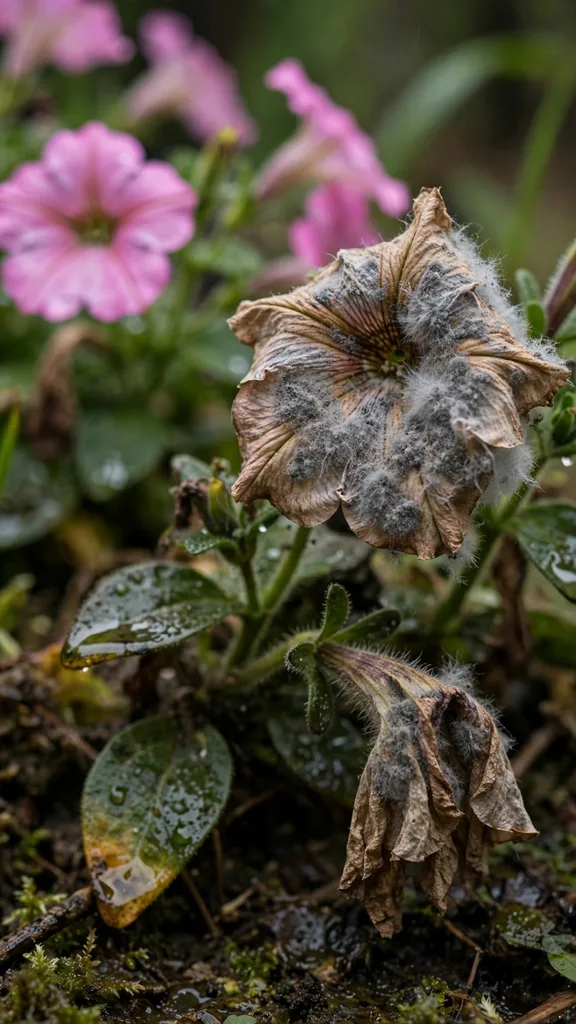
Gray mold is Botrytis, a fungus that lives on dead petals and spreads to live tissue in damp air. The fix is dry air and clean plants. Remove every spent bloom before it rots.
Space plants for air and water at the base. Both moves starve gray mold. A plant watered from above every evening never dries, and the mold spreads from bloom to bloom through the night.
Aphids cluster on soft tips and buds. Knock them off with a sharp jet of water. Repeat the spray until the tips stay clean. A heavy colony stunts the tips, curls the new leaves, and leaves a sticky sheen that draws ants.
Slugs chew holes in low leaves after rain. Pick them off at dusk or set a shallow trap at soil level. A slug eats at night and hides by day, so check the undersides of low leaves in the morning.
Tobacco budworm eats buds from the inside. A bud with a small hole and no bloom holds the culprit. Pick off the damaged buds and drop them in the trash, not the compost.
Yellow leaves with green veins point to iron locked out by alkaline soil. Petunias pull iron poorly when the soil runs high, so the leaves yellow from the top down while the veins stay green. Lower the soil pH with an acid-forming feed. New leaves green up. Old yellow leaves stay yellow.
Mexican petunia is a different plant, Ruellia simplex, and its white mold has its own fix. The steps for white mold on Mexican petunia cover that plant. Garden petunia mold stays on this page.
Powdery mildew coats petunia leaves in white dust in humid air. Space the plants and water at the base. The same dry-air fix that stops gray mold stops mildew.
Prevention beats cure on every petunia problem, and the cheapest prevention is sun, air, and dry leaves. Walk the bed twice a week and pick off the first damaged bloom before the problem spreads.
Fix Leggy Petunias and Yellow Leaves
A leggy petunia stretches toward light it cannot reach, one long stem with leaves spaced far apart. Move the pot into full sun. Cut the stems back by half and feed. New shoots break low. The plant fills out again.
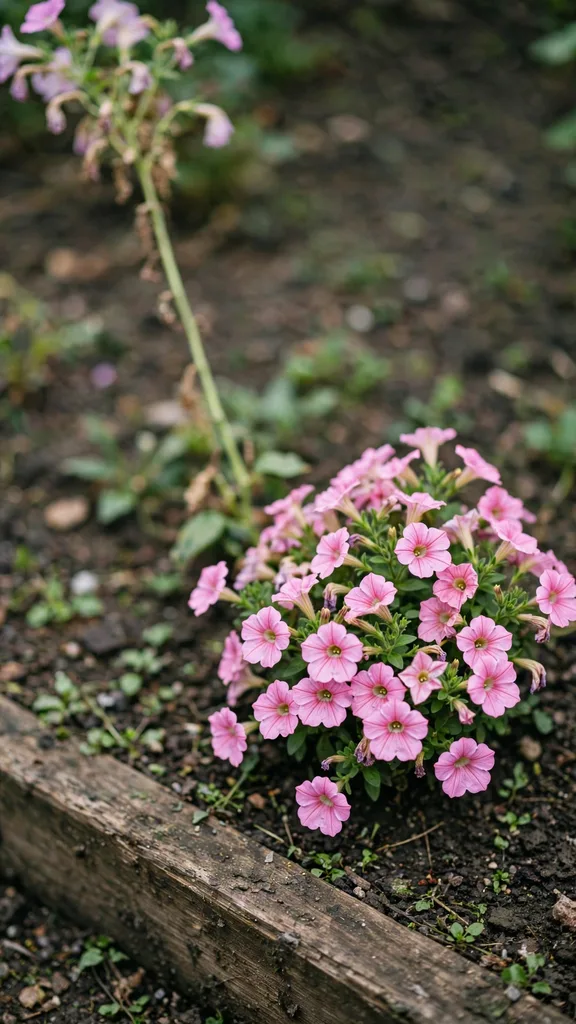
Yellow lower leaves mean the plant is hungry or dry. Feed and water, then watch the new growth. New green leaves mean the fix worked. Old yellow leaves stay yellow.
No blooms on a healthy-looking plant means shade or a missed feed. Move it to sun and feed it. Buds follow on the new growth.
Small blooms on a young plant mean a small root system. Feed and wait. The blooms size up as the roots fill the pot.
Buds that drop before opening mean a dry root ball or a cold night. Water the pot through and wait for the next round of buds. A plant that drops buds every week needs a bigger pot, not more feed.
Blooms fade fast in a heat wave and the plant rests. Keep watering and feeding. New buds open when the nights cool.
A plant that wilts every afternoon needs a bigger pot or a cooler spot. Roots in a small black pot cook by noon. Repot into a larger pot and shade the pot, not the plant. A pale pot stays cooler than a black one.
Avoid These 5 Petunia Mistakes
Five mistakes cause most petunia failures. Each one is easy to skip once you see it.
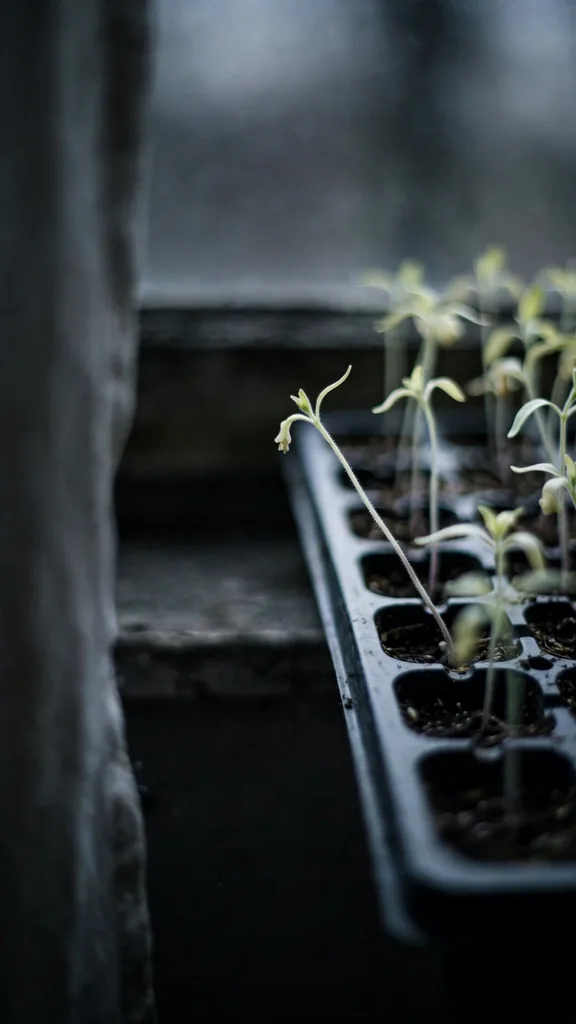
- Burying the seed. Petunia seed needs light to germinate, so a seed buried under mix never sprouts. Press it onto damp mix and leave it bare.
- Sowing too late. Seed sown after frost has no time to size up before summer heat arrives. Count back 10 weeks from your last frost.
- Planting out before the last frost. One cold night kills a tray of seedlings. Wait for frost to pass, even when the days feel warm.
- Watering the blooms from above. Wet petals spot and gray mold follows within days. Water at the base.
- Skipping the pinch. An unpinched plant grows one tall stem with a few blooms at the tip. Pinch the tip and the plant branches into a mound.
Skip all five and the bed runs itself until frost.
Keep Petunias Blooming Until Frost
Feed every 2 weeks and deadhead every few days. The routine takes minutes. A plant fed on schedule blooms on schedule, and the payoff runs all summer.
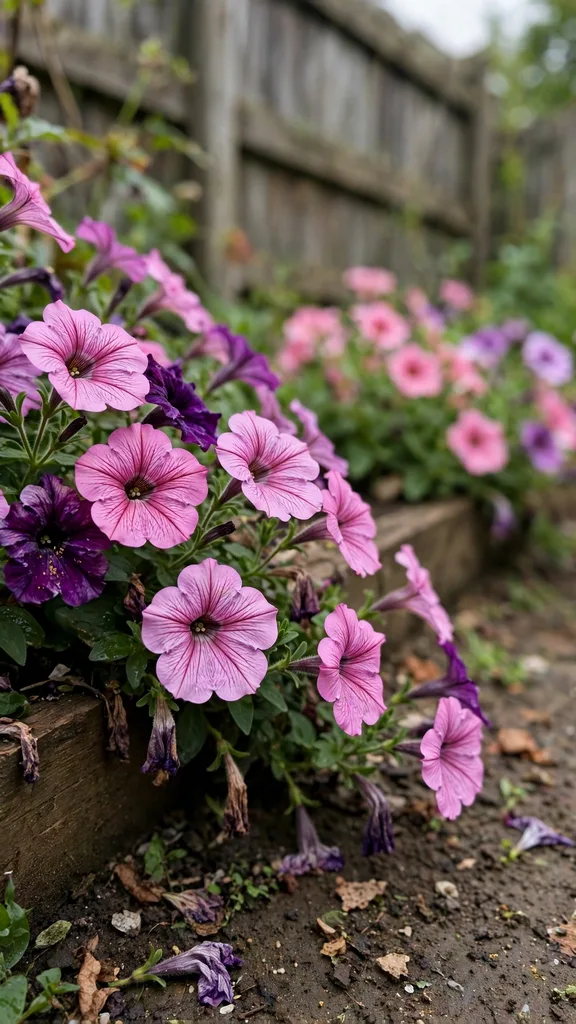
Cut back a tired plant by one third in midsummer. New shoots break and a second flush follows. The cut looks harsh for a week, then the second flush pays for it.
Sow a second tray in early summer to replace tired plants. Cover the bed with frost cloth when a light frost threatens in fall. The cloth buys a few more weeks of bloom.
Keep one basket going indoors on a sunny windowsill after frost. It blooms for a few more weeks, then fades. The windowsill plant never matches the outdoor bed.
Pull the plants after the first hard frost turns the leaves black. The roots go in the compost and the bed rests. Next spring starts with seed, counted back 10 weeks from the last frost.
Frequently Asked Questions About Growing Petunias
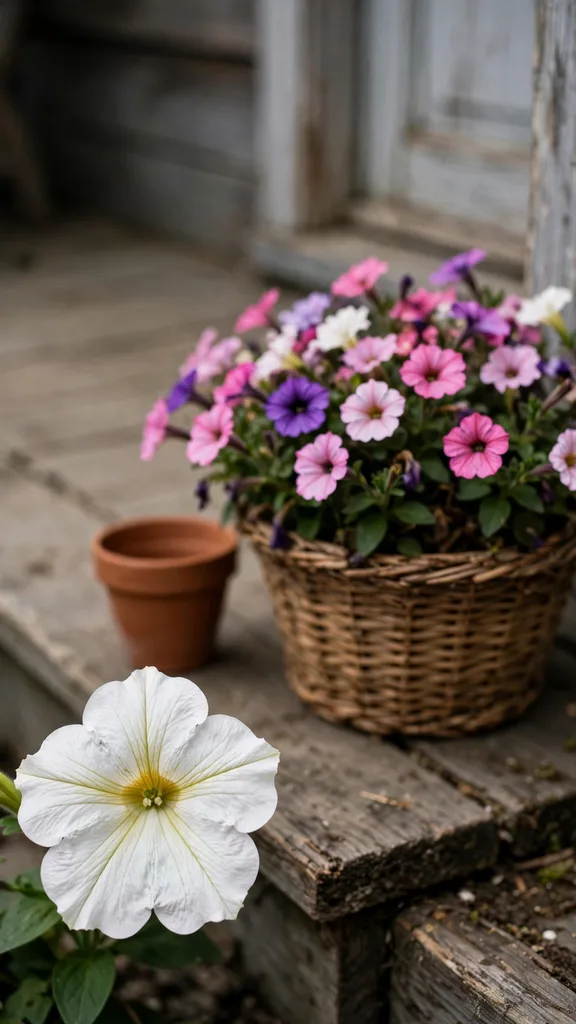
Sow seed indoors 10 weeks before your last frost. Sprouts appear in 7 to 10 days at 23.9 to 26.7°C. Seedlings need 10 to 12 weeks indoors before they are stocky enough to plant out, so a packet sown in late winter gives blooming plants by early summer. Buy transplants if the calendar is already tight.
Garden petunia is a tender perennial in zones 10a to 11b, so it survives winter only in frost-free places. Everywhere else it grows as an annual and dies at the first hard frost. Collect seed from open-pollinated types if you want to try again next spring, but named hybrids rarely come true from saved seed.
Water a pot when the top 2.5 cm of mix feels dry, and water a hanging basket daily in hot weather. Pots hold little soil, so they dry faster than beds and need a daily check in summer. Soak until water runs from the drainage holes, then let the pot drain fully before you hang it back.
Yellow lower leaves point to hunger or dry soil, so feed and water first. Yellow new leaves with green veins point to iron locked out by alkaline soil, and an acid-forming feed corrects it. Yellow leaves after a cold night mean frost damage, and the plant will not recover those leaves.
Deadhead spent blooms every few days through the season. Removing a faded flower stops the plant from setting seed and pushes it to open new buds instead. Self-cleaning types drop their own spent blooms, so skip the deadheading on those and spend the time on feeding and watering instead.
What to Do Next
Start with the calendar. Count back 10 weeks from your last frost and sow the seed. Plant out in full sun, pinch the tips, feed every 2 weeks, and deadhead as you pass. The bed blooms until frost.
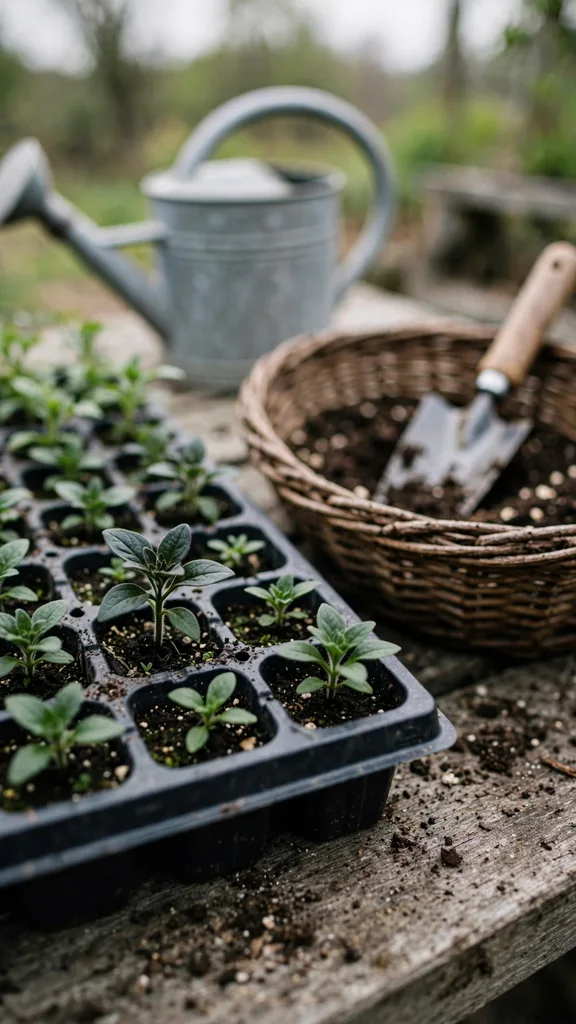
One tray of seedlings fills a bed, a basket, and a window box. The work is small and the color runs all summer.