Soak 1 bare-root rose in a bucket of plain water before the roots touch soil. A bare root plant is a tree, shrub, rose, or perennial dug from a nursery field with the soil shaken off its roots and sold dormant, with no pot and no root ball.
A bare root plant looks dead on arrival. The stems are stiff and bare, the buds are tight, and the roots are a dry-looking bundle of woody strands. The plant is dormant, and dormancy is the whole point. Nurseries dig these plants while growth has stopped, so the roots can travel without soil and the plant can wake up in your garden instead of in a pot on a shelf.
The trade is simple. You pay less and you carry less weight, and in return you take on the job of keeping the roots moist from the minute the bag opens until the plant is in the ground. A root left in sun and wind for an afternoon dries out and dies back from the tips. A root kept damp and planted at the right depth leafs out on schedule.
| Point | Detail |
|---|---|
| What it is | A dormant plant sold with soil removed from the roots |
| Deciding number | Soak roots at least 1 hour before planting |
| When to plant | Early spring, before growth begins |
| Main risk | Roots drying out in sun and wind |
| Best for | Roses, fruit trees, hedging shrubs, bare-root perennials |
What Is Bare Root?
Bare root means the plant arrives with its roots exposed. The nursery digs the plant from field soil while it is dormant, shakes the soil free, and packs the roots in damp material such as peat moss or shredded paper so they stay moist in transit. The plant carries no pot, no soil ball, and no extra weight.
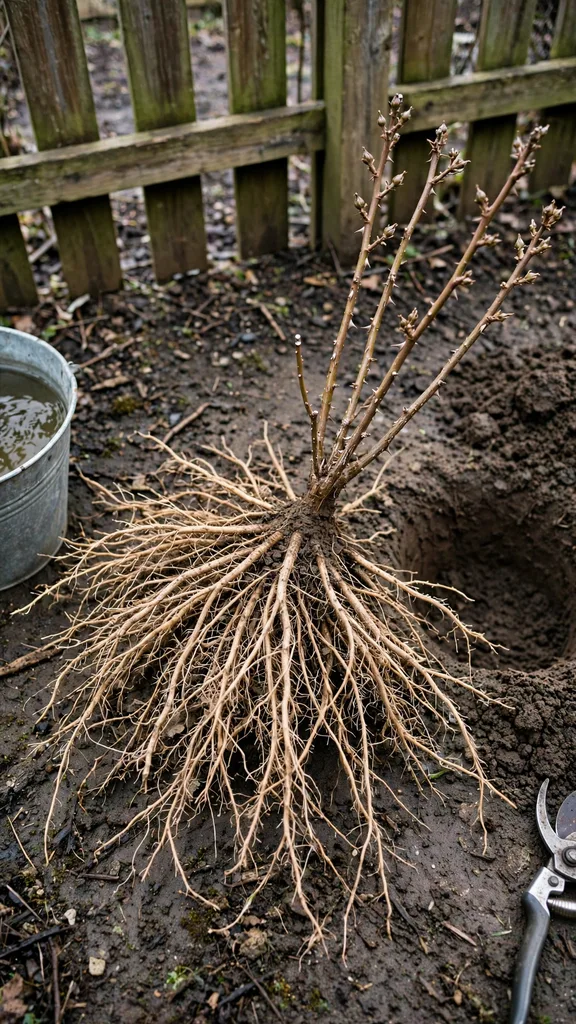
The deciding number is the soak. Mississippi State University Extension planting guide advises growers to immerse bare roots in a bucket of water to soak for at least 1 hour before planting, after clipping any diseased, broken, or dead roots with pruning shears. That hour rehydrates fine roots that dried during packing and shipping, and it gives you time to inspect the whole root system in the open, where damage is easy to see.
Bare root stock is normally the least expensive way to buy a tree or shrub, and the University of Minnesota Extension planting guide notes that bare root plants suffer severely from transplant shock because many roots are cut during field digging. The same guidance warns that bare root stock can have the highest mortality when handled badly. Price is the reward for careful handling. The plant gives you a full root system to spread by hand, and you give it damp roots, a wide hole, and steady water through the first growing season.
How Bare Root Works
A bare root plant wakes up in place. The roots you spread in the hole grow new fine root hairs within weeks of planting, and those hairs pull water into stems that looked lifeless in the bag. The plant spends its first season rebuilding the root mass the nursery cut away, so top growth stays modest while the roots catch up.
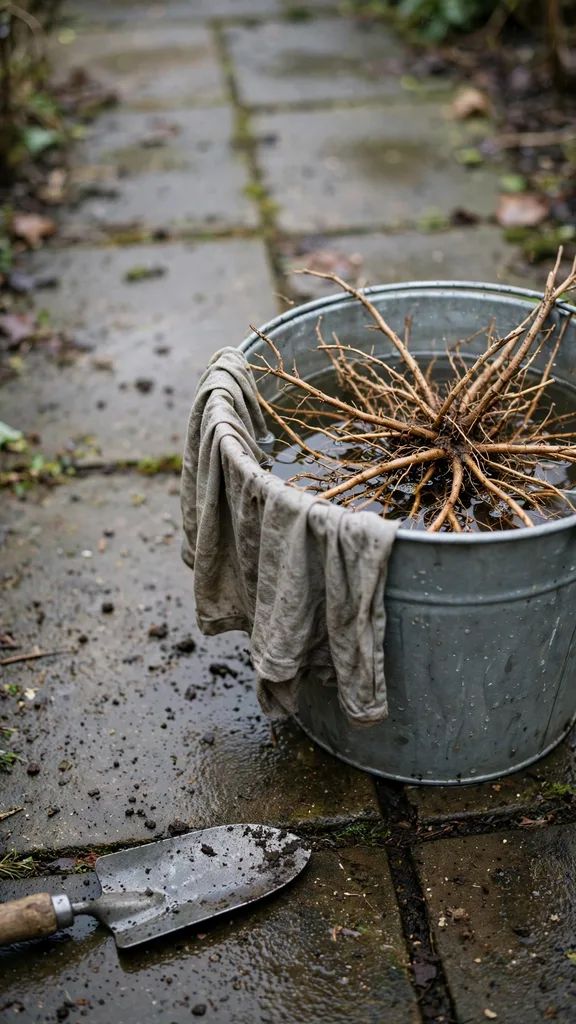
Plant in early spring before growth begins. That window matters because a dormant plant moves without the stress of supporting open leaves, and cool soil holds moisture longer than warm soil. The linked planting guide lists early spring planting as the rule for bare root stock, and the same guidance says to keep roots moist and protected from sun and wind at all times during handling and transport. A damp cloth over the roots in the wheelbarrow does that job.
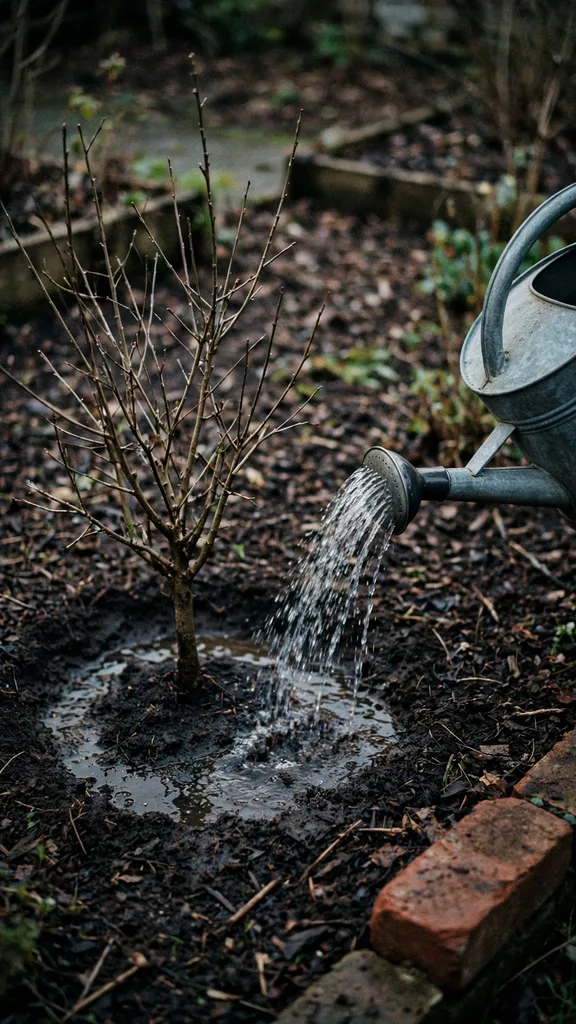
Dig the hole wide enough to spread the roots in their natural position, and no deeper than the original soil depth. Set the plant so the root collar sits at the level it grew at in the nursery field, then backfill with the same soil you dug out. Water the hole thoroughly once the roots are covered, and keep watering through the first growing season, since water is the leading cause of transplant failure in young trees and shrubs.
Bare Root vs Container-Grown
| Point | Bare root | Container-grown |
|---|---|---|
| What arrives | Dormant plant, roots exposed | Plant growing in a pot of mix |
| Planting window | Early spring, while dormant | Most of the growing season |
| Cost | Lowest of the nursery forms | Higher, pot and mix included |
| Root inspection | Full view of every root | Hidden until the pot comes off |
| Main risk | Roots drying out before planting | Pot-bound roots circling the pot |
| Best use | Roses, fruit trees, hedging | Specimen shrubs, instant effect |
Bare root wins on price and on the chance to spread roots by hand. Container stock wins on timing and on forgiveness, since the roots never leave their mix. A gardener who can plant within a day of delivery gets the bare root bargain. A gardener who needs the plant to wait a week in the garden gets the container.
How to Recognise a Bare Root Plant
A bare root plant arrives as a bundle. Look for a stem or trunk with tight dormant buds, a visible root collar where stem meets root, and a mass of woody roots with no soil clinging to them. The roots may sit in damp packing material inside a plastic bag, and the packing comes off before planting.
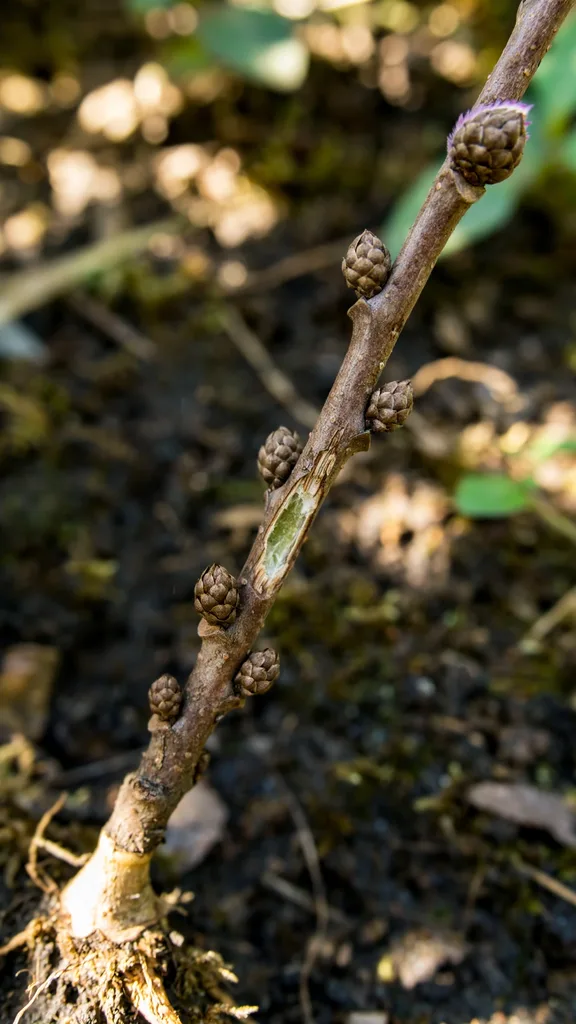
Check the roots before the soak. Healthy roots feel firm and springy, and a scratch with a thumbnail shows pale living tissue under the bark. Cut away roots that are black, mushy, or snapped, and clip exceptionally long roots back so they fit the hole without bending. A root bent into a J shape grows upward and strangles itself, so trim the root rather than folding it.
Check the buds next. Tight buds that sit close to the stem are dormant and ready. Buds that have already opened into soft green leaves need gentle handling and planting the same day, since open leaves lose water fast. If the plant arrived with leaves already open, shade it and water it the same afternoon.
Common Mistakes With Bare Root
Planting too deep kills more bare root stock than cold does. A root collar buried under soil stays wet, rots slowly, and the plant declines over two seasons while the gardener blames the weather. Set the collar at the level it grew at in the field, and check the level again after watering settles the soil.
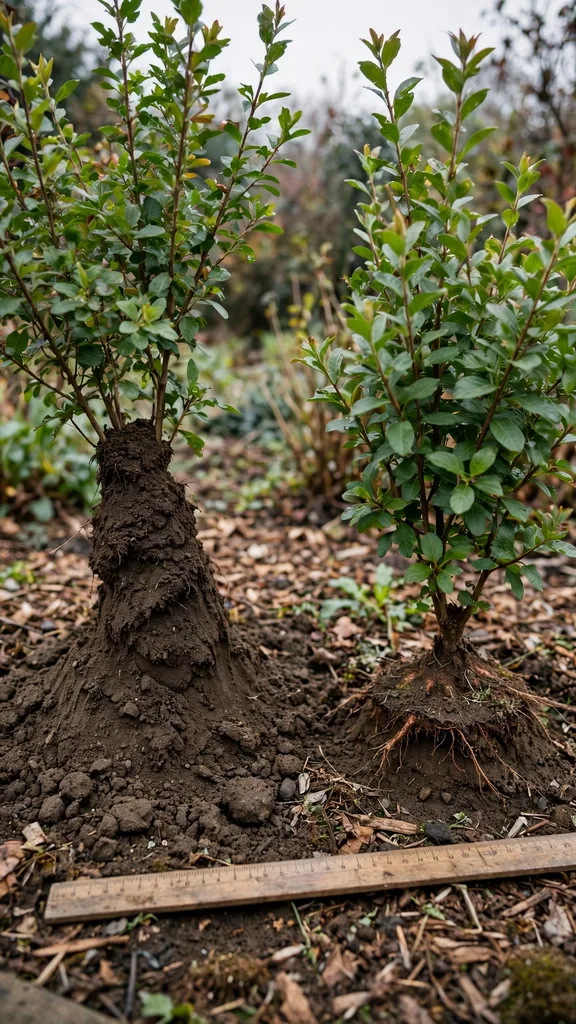
Letting roots dry out is the second mistake. Roots in an open bag on a windy day lose moisture in minutes, and fine roots die first. Keep the roots in the bag until the hole is dug, keep a damp cloth over them, and soak them for at least 1 hour in a bucket before planting. The soak is the cheapest insurance in the garden.
Skipping the first season of watering is the third mistake. A bare root plant has a cut root system and a full canopy to support by midsummer, so it needs steady water while new roots grow. Water deeply once a week in dry weather, and mulch the surface to hold moisture, keeping the mulch clear of the stem. The mulching guide sets out how far mulch should sit from a stem.
When Bare Root Matters in Your Garden
Bare root matters when you plant in quantity. A hedge of 20 shrubs, a row of fruit trees, or a new rose bed costs far less as bare root stock than as potted plants, and the plants establish at the same rate once the roots take hold. The saving buys the mulch and the watering time the plants need.
Bare root also matters when you want a wide choice of varieties. Nurseries list far more cultivars as bare root stock than they pot up, so the unusual apple or the old rose you want is often available only in this form. Order early, since the best varieties sell out before the planting window opens.
Start from the gardening glossary when a term in this page is new, and read the transplant survival guide before moving any established plant, since the aftercare for a bare root plant and a moved plant runs on the same rules. Bare root is the cheapest way to fill a garden, and it asks for the most care in the first week.
FAQ
Yes, in mild climates where the soil stays workable and the plant stays dormant until spring. Plant at least 6 weeks before the ground freezes so roots can settle, water well at planting, and mulch the surface. In cold climates, spring planting is safer, since a hard freeze can heave a shallow root system out of the ground.
Plant the same day when you can. When the day slips, keep the roots damp in their bag in a cool shaded spot, and heel the plants into a shallow trench of moist soil if the wait runs past 2 days. Roots that dry out once lose fine root hairs that do not grow back that season.
Trim only damaged roots and roots too long for the hole. Cut black, mushy, or snapped roots back to firm pale tissue with clean shears, and shorten a root that would bend in the hole. Leave healthy roots alone. Every healthy root you keep is a root the plant does not need to regrow.
Dried roots are the usual cause, followed by planting too deep and by a late frost after bud break. Scratch a stem with a thumbnail. Green tissue under the bark means the plant is alive and late. Brown dry tissue means that stem is dead. Cut dead stems back to living wood and water steadily for 4 weeks before giving up on the plant.